
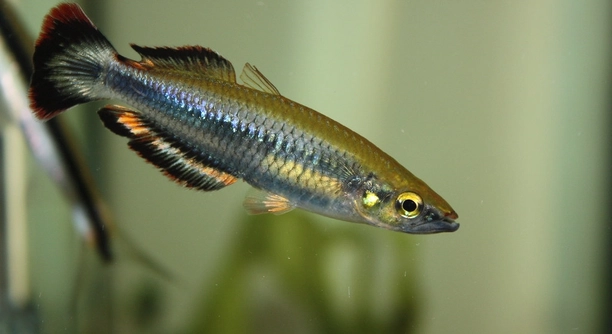
Madagascar rainbowfish are colorful, lively additions to freshwater aquariums. Many fishkeepers enjoy watching their growth, but understanding when they reach full size can help maintain a healthy, balanced tank environment for them.
A Madagascar rainbowfish is generally considered fully grown between 12 and 18 months of age, reaching an adult size of 3 to 4 inches. Growth rates vary depending on diet, water conditions, and overall tank care.
Knowing the key signs of maturity ensures your fish thrive in their habitat. This guide will outline what to expect as they develop.
Signs Your Madagascar Rainbowfish Has Reached Full Size
Adult Madagascar rainbowfish show clear physical changes that indicate maturity. Their bodies become more elongated and robust, with colors becoming brighter and more distinct. Fins, particularly the dorsal and anal fins, grow longer and more pronounced, giving them a balanced, adult appearance. Behaviorally, they become more confident in swimming patterns, often exploring the tank more actively. Feeding habits may also stabilize, with adults showing less frantic activity around food than juveniles. Size can vary slightly depending on water quality, diet, and tank conditions, so observing multiple indicators is important. Consistent water parameters and a nutrient-rich diet contribute to healthy growth, helping the fish reach its genetic potential. Overcrowding or poor water quality can stunt growth, delaying the appearance of adult characteristics. Watching your rainbowfish closely allows you to notice subtle shifts in size, color, and behavior that mark full development.
Monitoring growth through observation allows timely adjustments to diet and tank care, ensuring optimal development and health.
By providing stable water conditions, high-quality food, and a properly sized tank, you can support your rainbowfish’s full growth potential. Adult fish need a consistent environment with minimal stress, including hiding spots and moderate tankmates. Observing their interaction patterns helps identify any aggression or dominance behaviors. Feeding should be regular but measured, avoiding overfeeding that can affect water quality and fish health. Careful attention to water parameters, including pH, temperature, and ammonia levels, supports steady development. Additionally, occasional monitoring of growth rates against expected sizes helps determine whether dietary adjustments are necessary. A balanced approach ensures your fish maintain their bright coloration and robust body structure. By combining observation with proper tank maintenance and nutrition, you promote not only size but overall vitality, creating an environment where Madagascar rainbowfish can thrive and display their full adult characteristics naturally.
Common Growth Factors That Affect Size
Nutrition plays a major role in growth. Balanced diets with varied proteins and nutrients directly impact final size.
Tank size, water quality, and social dynamics also influence growth rates. Overcrowded or poorly maintained tanks slow development. Temperature affects metabolism, while compatible tankmates reduce stress and allow proper feeding. Genetics determine maximum size, so knowing the origin of your fish helps set realistic expectations. Juvenile fish in optimal conditions grow faster, while suboptimal environments may stunt growth despite good care. Regular observation and monitoring of diet, water, and behavior ensure each fish reaches its potential. Adjustments to feeding schedules, tank environment, and water parameters support steady growth. By understanding these growth factors, you can anticipate changes and provide the care necessary for healthy development.
Providing high-quality food, maintaining stable water conditions, and ensuring sufficient space are crucial for healthy growth. Fish in small or crowded tanks often fail to reach adult size. Water parameters like temperature, pH, and hardness impact metabolism and nutrient absorption. Social factors matter as well; aggressive or overly dominant tankmates can stress fish, suppressing growth. Genetics also play a role, as some strains naturally remain smaller than others. Consistency in care, along with periodic monitoring, helps identify and address growth issues early. Nutrition should include varied foods like flakes, frozen, and live options to supply essential proteins and vitamins. Maintaining clean water reduces toxins that hinder growth, while observing interactions ensures harmonious tank dynamics. Growth rates can vary, but combining proper nutrition, stable water conditions, and careful observation allows most Madagascar rainbowfish to reach their adult size and display their full coloration naturally.
Ideal Tank Conditions for Growth
Water temperature should stay between 72 and 82°F. pH levels around 6.5 to 7.5 support healthy metabolism. Clean water with low ammonia and nitrite levels is essential. Proper filtration and regular partial water changes maintain these conditions consistently.
Maintaining stable tank conditions ensures steady growth and vibrant coloration. Fluctuating temperatures or sudden pH shifts can stress fish, slowing development. Adequate space allows free swimming, preventing stunted growth caused by overcrowding. Including plants and hiding spots reduces stress, creating a more natural environment. Monitoring water quality frequently helps catch issues early, preventing health problems that can hinder size. Attention to these details supports both physical growth and overall well-being.
Tank size and layout impact long-term health. A tank of at least 20 gallons is recommended for a small group. Proper filtration prevents toxin buildup, while regular partial water changes maintain stability. Plants, rocks, and hiding spots encourage natural behavior and reduce stress, promoting optimal growth. Monitoring water temperature, pH, and hardness consistently ensures your fish remain healthy. Overcrowding or incompatible tankmates can stunt development, so careful planning is essential. By balancing space, water quality, and environmental enrichment, Madagascar rainbowfish reach their full potential more reliably.
Feeding Guidelines to Promote Growth
Feed small amounts multiple times a day to avoid overfeeding and maintain water quality. High-quality flakes, frozen foods, and occasional live options supply essential nutrients.
Balanced nutrition is critical for growth and coloration. Proteins support muscle development, while vitamins and minerals enhance immune function. Overfeeding can lead to poor water quality, which slows growth and causes stress. Variety in diet prevents deficiencies and encourages natural feeding behaviors. Consistent portion sizes help regulate metabolism and maintain steady growth. Monitoring your fish’s eating patterns ensures each individual receives enough nutrition without excess waste, supporting a healthy tank environment and strong, vibrant adult fish.
Juvenile rainbowfish require slightly higher protein levels to support rapid growth, while adults need a balanced maintenance diet. Feeding schedules should be consistent, offering small portions two to three times daily. Incorporating frozen brine shrimp, daphnia, or bloodworms complements flake foods and promotes coloration. Avoiding overfeeding prevents water pollution and related health issues. Observation of feeding behavior ensures weaker fish are not outcompeted by dominant individuals. Adjusting diet based on growth rates helps maintain optimal development. Proper feeding, combined with stable water conditions and adequate space, ensures your Madagascar rainbowfish grow to their full size and remain healthy and active in the tank.
Growth Timeline for Madagascar Rainbowfish
Most Madagascar rainbowfish reach noticeable adult size between 8 and 12 months. By this stage, their colors start to brighten, and fins become more defined, reflecting maturity.
Full growth typically completes around 12 to 18 months. Growth rates vary depending on diet, tank conditions, and overall health, with optimal care supporting maximum size and coloration.
Differences Between Juveniles and Adults
Juveniles are smaller, with duller colors and shorter fins. Adults exhibit elongated bodies, vibrant colors, and fully developed fins. Behavioral changes include more confident swimming and consistent feeding patterns. Observing these changes helps identify when your rainbowfish have reached maturity and are ready for adult care routines.
Monitoring Health During Growth
Regular observation of body shape, coloration, and activity levels indicates overall health. Any sudden changes can signal stress, illness, or inadequate conditions, allowing timely intervention to maintain healthy development.
How fast do Madagascar rainbowfish grow?
Madagascar rainbowfish grow rapidly in their first few months. Juveniles can gain noticeable size within the first three months if provided with proper nutrition and stable water conditions. Growth slows as they approach maturity, generally between 12 and 18 months, depending on genetics and environmental factors. Consistent care and high-quality food help them reach their full potential without stunting.
What is the average adult size?
Adult Madagascar rainbowfish typically reach 3 to 4 inches in length. Males often grow slightly larger than females and develop brighter coloration. Tank conditions, diet, and social environment influence final size, so small differences between individuals are normal. Monitoring growth and adjusting feeding and tank care ensures optimal development.
When do rainbowfish show adult coloration?
Adult coloration generally appears between 8 and 12 months of age. Males develop brighter, more vivid hues than females, and fins elongate to complete the mature appearance. Stress, poor water quality, or inadequate diet can delay or dull coloration, so maintaining optimal tank conditions is crucial.
Do all Madagascar rainbowfish grow at the same rate?
No, growth rates vary. Genetics play a major role, and some fish naturally grow slower or remain slightly smaller. Environmental factors like tank size, water parameters, and food quality also impact development. Observing individual growth patterns helps adjust care and nutrition for each fish.
Can diet affect growth speed?
Yes, a balanced diet is essential. High-quality flakes, frozen or live foods, and occasional protein-rich treats support muscle development, coloration, and overall health. Overfeeding can harm water quality and slow growth, while underfeeding leads to stunted development. Consistent, measured feeding schedules are key.
Does tank size matter for growth?
Tank size significantly impacts growth. Overcrowded tanks can stunt fish and cause stress. A minimum 20-gallon tank is recommended for small groups, with more space for larger populations. Proper tank layout with hiding spots reduces stress and encourages natural behavior, supporting healthy growth.
How do water conditions influence growth?
Stable water temperature, pH, and hardness are essential. Sudden fluctuations cause stress and may stunt growth. Clean water with low ammonia and nitrites supports metabolism and coloration. Regular testing and partial water changes maintain ideal conditions for steady development.
Do rainbowfish continue growing after reaching maturity?
Growth slows considerably after 12 to 18 months but can continue slightly under optimal conditions. Adults may gain small amounts of size or further develop coloration. Ongoing care, including nutrition and clean water, supports long-term health and vitality.
How can I tell if my rainbowfish is healthy during growth?
Healthy fish have vibrant colors, smooth scales, and active swimming patterns. Appetite should be consistent. Signs of stress or illness, such as dull coloration, clamped fins, or lethargy, indicate issues in diet, water quality, or tank dynamics. Early observation allows timely intervention.
Can tankmates affect growth?
Yes, aggressive or dominant tankmates can suppress feeding and increase stress, slowing growth. Choosing compatible species and maintaining sufficient space ensures each fish receives adequate nutrition and can thrive without unnecessary stress.
What is the best way to monitor growth?
Regular observation and occasional measurement help track development. Note changes in size, color, and behavior over time. Comparing growth against expected milestones allows adjustments to diet, tank setup, or water conditions to support healthy development.
Are there common mistakes that stunt growth?
Yes, overcrowding, inconsistent water conditions, poor diet, and stress from aggressive tankmates are common mistakes. Each can delay maturity or reduce adult size. Careful attention to tank management, nutrition, and monitoring minimizes these risks.
Can growth be accelerated safely?
Growth can be supported through proper nutrition, stable water, and minimal stress, but rapid acceleration is not recommended. Overfeeding or extreme conditions may harm health. Consistent, moderate care ensures steady, natural growth and healthy development.
How long should I wait before considering a rainbowfish fully grown?
Most reach full size and coloration by 12 to 18 months. Observing body shape, fin length, and color intensity helps confirm maturity. Patience and consistent care ensure the fish reach their genetic potential naturally.
Do males and females grow differently?
Males generally grow slightly larger and develop brighter colors. Females tend to be smaller with less pronounced fin extensions. Differences become apparent around 8 to 12 months, helping identify gender during the growth period.
How often should I check water parameters?
Weekly testing is recommended. Temperature, pH, hardness, ammonia, nitrite, and nitrate levels should remain stable. Sudden shifts affect metabolism, growth, and coloration. Maintaining stable conditions supports steady, healthy development.
Can stress affect growth?
Yes, stress reduces appetite and slows metabolism. Causes include aggressive tankmates, poor water conditions, overcrowding, or lack of hiding spaces. Minimizing stress promotes normal growth, bright coloration, and active behavior in Madagascar rainbowfish.
What role does genetics play in growth?
Genetics determine maximum potential size, body shape, and coloration. Even with ideal care, some individuals remain smaller or develop colors differently. Understanding genetic limits helps set realistic expectations for growth and adult appearance.
How do I support growth during the first few months?
Provide stable water, a high-protein diet, and sufficient space. Juveniles require frequent, small feedings and a stress-free environment. Proper early care ensures faster, healthier development and lays the foundation for adult size and coloration.
Is there a difference in growth between wild-caught and captive-bred rainbowfish?
Captive-bred fish often adapt faster to aquarium conditions and show more predictable growth patterns. Wild-caught specimens may require extra care to acclimate and may initially grow slower. Nutrition, water quality, and tank setup remain key factors for both types.
Can I mix juvenile and adult fish in the same tank?
Yes, but ensure adults do not dominate food or stress juveniles. Provide ample hiding spots and evenly distributed feeding areas. Monitoring interactions prevents growth suppression in younger fish. Proper tank management supports a harmonious environment for all ages.
How long should juveniles be monitored closely?
The first 6 to 12 months require frequent observation. This period shows rapid growth and development of adult features. Early detection of health or growth issues allows timely adjustments to care, diet, or water conditions.
What is the most effective feeding schedule for growth?
Small meals two to three times a day maintain steady metabolism and reduce waste. Consistency supports healthy growth rates and coloration. Include a variety of flakes, frozen, and occasional live foods to meet nutritional needs fully.
Do Madagascar rainbowfish require supplements for growth?
Supplements can support coloration and overall health if the diet lacks variety. Vitamins and minerals may enhance immunity and development, but high-quality, balanced foods typically provide sufficient nutrients for steady, natural growth.
How do I know if my tank setup is adequate for growth?
Observation of fish behavior, size progression, and coloration indicates tank adequacy. Active swimming, consistent appetite, and bright colors show a supportive environment. Poor growth, stress signs, or dull colors suggest adjustments are needed in space, water, or tankmates.
Can seasonal changes affect growth?
Seasonal temperature fluctuations may slow metabolism and growth. Maintaining consistent indoor tank conditions with heaters or thermometers prevents stress and ensures steady development throughout the year.
What is the average lifespan once fully grown?
Fully grown Madagascar rainbowfish typically live 5 to 8 years with proper care. Stable water, consistent nutrition, and low-stress conditions contribute to longevity while supporting growth and overall health.
Understanding when a Madagascar rainbowfish is fully grown helps ensure proper care and a healthy aquarium environment. Growth is influenced by many factors, including diet, tank size, water quality, and genetics. Juveniles grow rapidly in the first few months, developing brighter colors and longer fins as they approach maturity. By observing these changes, fishkeepers can identify when their rainbowfish are transitioning from juveniles to adults. Proper care during this period is crucial, as stress, poor nutrition, or overcrowding can delay growth or affect adult size. Maintaining stable water parameters and a balanced diet supports steady development and allows fish to reach their full potential naturally.
Adult Madagascar rainbowfish generally reach full size between 12 and 18 months. At this stage, males often show brighter coloration and slightly larger body size compared to females. Fins are fully developed, and swimming patterns become more confident and consistent. Observing these physical and behavioral indicators is a reliable way to determine maturity. Providing sufficient space, compatible tankmates, and hiding spots reduces stress and encourages natural behavior. Monitoring water parameters, including temperature, pH, and hardness, ensures a healthy environment. Feeding small, balanced portions multiple times a day supports growth and maintains water quality. Combining these care strategies helps Madagascar rainbowfish thrive while displaying their full coloration and adult body structure.
Paying attention to individual fish is important, as growth rates can vary due to genetics or environmental differences. Not all rainbowfish reach the same size at the same age, and subtle changes in color, fin length, or activity patterns can indicate their stage of development. Regular observation allows for early intervention if growth appears delayed or if health issues arise. Providing a consistent, nutrient-rich diet and maintaining a clean, well-structured tank environment promotes longevity and overall vitality. By understanding growth patterns and supporting them through proper care, Madagascar rainbowfish can live healthy, active lives while reaching their full adult size. Consistency, patience, and careful observation remain the most effective tools for ensuring the well-being of these vibrant freshwater fish.

Hello,
If you enjoy the content that we create, please consider saying a "Thank You!" by leaving a tip.
Every little bit helps us continue crafting quality advice that supports the health, happiness, and well-being of pets around the world, for pets of all shapes, sizes, and species.
We really appreciate the kindness and support that you show us!