
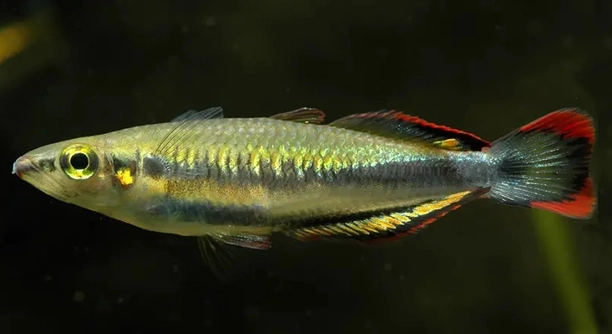
Rainbowfish are small, colorful freshwater fish often found in home aquariums. They are active swimmers and enjoy exploring their environment. Observing their habits can reveal interesting behaviors that may surprise even experienced fish keepers.
Rainbowfish might avoid the bottom of the tank due to several factors, including predation instincts, water quality preferences, and feeding behaviors. These fish often stay in mid or upper levels to feel safer and access oxygen-rich water.
Understanding these tendencies helps maintain a healthy aquarium environment and supports the well-being of rainbowfish. Proper tank setup and care can improve their comfort and activity.
Reasons Rainbowfish Avoid the Bottom
Rainbowfish often stay away from the bottom of the tank because it can feel unsafe or uncomfortable. The lower levels may have less light and fewer hiding spots, which can make the fish feel exposed to threats. Many species naturally prefer swimming in open water or near plants that provide cover. Water quality also plays a role. The bottom can accumulate debris, uneaten food, and waste, which lowers oxygen levels and increases toxins. Rainbowfish are sensitive to these changes and will instinctively move to cleaner, more oxygenated areas. Even in well-maintained tanks, they may explore mid and upper levels more frequently because it allows easier access to food and more room for swimming. Observing their patterns can help aquarists adjust tank layout, decorations, and feeding strategies to encourage comfort. Keeping a balance of plants, open space, and clean water can make them feel secure and active throughout the aquarium.
They also avoid the bottom because it often contains heavier sediments and detritus, which can irritate their delicate fins and scales.
Rainbowfish behavior is influenced by instinct, environment, and health. Ensuring proper water flow, aeration, and temperature consistency can reduce stress and encourage natural movement. Decorations, plants, and hiding spots can create safe mid-level zones. Feeding strategies also matter; floating or slow-sinking foods encourage them to stay in the upper regions, minimizing time at the bottom. Regular cleaning and substrate maintenance prevent waste accumulation, improving overall water quality. Observing their interactions with tank mates helps identify stress or dominance patterns. Overall, their avoidance of the bottom is a combination of safety, comfort, and environmental preference. Making small adjustments in tank setup and care routines can promote healthier, more active fish.
Environmental Factors That Influence Swimming Patterns
Water conditions, lighting, and plant placement all impact rainbowfish behavior. Bright lights and clean water encourage them to explore mid and upper levels.
Temperature, pH, and oxygen levels are crucial. Rainbowfish avoid areas with stagnant water or low oxygen, which often occurs near the bottom. Substrate type also matters; rough or sharp substrates can be uncomfortable, while smooth gravel or sand is preferred. Dense plant coverage provides security and encourages mid-level activity, reducing bottom dwelling. Observing their preferences helps guide aquarists in creating an environment that matches natural instincts. Feeding methods influence movement too; floating foods keep them higher, while sinking foods may prompt cautious visits to the bottom. Tank mates also play a role, as aggressive species can push rainbowfish upward. Regular monitoring and maintenance, including water testing, aeration, and cleaning, ensure conditions remain optimal. Addressing these factors supports both physical health and natural behavior, creating a vibrant and active aquarium that meets rainbowfish needs effectively.
Feeding Habits and Their Impact
Rainbowfish tend to feed near the surface or mid-water levels where food is more accessible. Floating flakes or small pellets attract them naturally, while sinking foods are less appealing. Their feeding habits influence where they spend most of their time in the tank.
Offering food in a controlled manner encourages healthy swimming patterns. If flakes are scattered at the surface, rainbowfish remain active in mid and upper areas, avoiding the bottom. Uneaten food that sinks can pollute the substrate and reduce water quality. Feeding at regular times also creates a routine, reinforcing preferred swimming zones. Observing how quickly they consume different types of food helps adjust feeding practices for better health and minimal waste accumulation. Proper feeding ensures they stay energetic and reduces stress associated with unsafe or uncomfortable bottom areas.
Some rainbowfish species have stronger preferences for surface feeding, while others may occasionally explore lower levels for slow-sinking food. Tank layout and plant placement can guide them toward optimal feeding zones. Encouraging mid-level activity helps maintain social interactions among tank mates and promotes natural swimming patterns. Ensuring a balanced diet with variety also improves coloration and overall well-being, reducing the likelihood of bottom avoidance caused by hunger or stress.
Social Behavior and Tank Dynamics
Rainbowfish often adjust their position based on the presence and behavior of other fish. Aggressive or territorial tank mates can push them upward, avoiding the bottom. Proper group composition reduces stress and encourages natural movement.
Schooling behavior influences their comfort zones. Rainbowfish prefer swimming in groups, which provides security and reduces vulnerability. When housed in appropriately sized schools, they move confidently in mid and upper water levels. Overcrowding or incompatible species can force them toward higher levels or secluded spots, avoiding lower areas. Observing interactions between individuals helps identify stress signals, such as rapid darting or hiding. Tank decorations and plants can provide escape routes or cover for subordinate fish. Creating a balanced environment with adequate space, compatible species, and clear swimming areas ensures rainbowfish remain active, healthy, and comfortable in their preferred zones, minimizing unnecessary bottom dwelling.
Predation Instincts
Rainbowfish naturally avoid areas where they feel exposed to predators. The bottom of the tank can feel riskier due to limited visibility and confined spaces. Staying higher allows them to detect threats quickly and react appropriately.
Even in a safe aquarium, these instincts remain. They respond to sudden movements, shadows, or the presence of larger fish by moving toward mid or upper levels. This behavior is rooted in survival strategies developed in the wild, helping them remain agile and alert. By respecting these instincts, tank setups can be arranged to reduce stress and provide a sense of security.
Lighting and Visibility
Lighting affects rainbowfish positioning. They prefer moderate to bright light that allows them to see their surroundings clearly. Poorly lit bottom areas feel less safe and are often avoided. Proper lighting encourages natural swimming and active behavior throughout the tank.
Substrate and Tank Floor Conditions
Rough or uneven substrates can discourage rainbowfish from spending time at the bottom. Smooth sand or fine gravel is less intimidating and easier for them to explore comfortably. Keeping the substrate clean also reduces exposure to waste and debris, improving overall tank hygiene.
Water Flow and Oxygen Levels
Strong water flow and well-oxygenated areas encourage rainbowfish to swim in mid and upper levels. Stagnant or poorly circulated water near the bottom is less appealing. Maintaining consistent water movement promotes healthier, more active fish.
FAQ
Why do rainbowfish avoid the bottom of the tank?
Rainbowfish often avoid the bottom because it can feel less safe and less comfortable. The lower levels may have poorer lighting, more debris, and lower oxygen. Their instincts make them favor mid and upper levels where they can see clearly and move freely. Environmental factors like water flow, substrate type, and tank decorations influence this behavior. Keeping the tank clean, well-oxygenated, and balanced in terms of plants and hiding spots encourages them to explore more freely without feeling stressed.
Can tank mates influence their swimming levels?
Yes, tank mates have a significant impact on rainbowfish behavior. Aggressive or territorial species may push them upward, avoiding the bottom entirely. Conversely, calm and compatible species help rainbowfish feel secure and maintain natural swimming patterns. Observing their interactions allows you to identify signs of stress, such as darting or hiding. Proper schooling and spacing reduce tension, helping rainbowfish remain active in mid and upper water levels.
Does lighting affect where rainbowfish swim?
Lighting is a key factor in rainbowfish positioning. Bright or moderate light allows them to see their surroundings clearly, making them feel safer. Dimly lit bottoms often feel more exposed and less appealing. Adjusting the light intensity and providing well-lit mid-level areas encourages natural swimming behavior. Plants or decorations can create shaded regions for comfort, but the overall tank illumination should promote visibility to reduce stress.
How do feeding habits change their tank position?
Rainbowfish usually feed near the surface or mid-water, where floating flakes or pellets are accessible. Sinking foods can tempt them to briefly explore lower areas, but this is less common. Regular feeding routines, with properly timed and portioned food, encourage them to stay active in the upper regions. Watching how quickly they consume different food types helps adjust feeding strategies to maintain healthy movement and minimize stress from poor water quality at the bottom.
Does substrate type matter to rainbowfish?
Yes, the substrate can influence their comfort levels. Rough or sharp gravel can make the bottom uncomfortable, while smooth sand or fine gravel encourages safe exploration. Keeping the substrate clean reduces debris accumulation and prevents potential irritation to fins and scales. A well-maintained tank floor makes brief visits to the bottom safer, but rainbowfish will still prefer mid and upper levels for regular activity.
How does water flow impact their behavior?
Rainbowfish prefer areas with moderate water flow and adequate oxygen. Stagnant water at the bottom can feel unsafe and less appealing. Proper aeration and circulation encourage them to swim actively in mid and upper regions. Adjusting filter output and ensuring consistent water movement can help them feel secure while maintaining healthy behavior and energy levels.
Do rainbowfish need hiding spots?
Providing plants, rocks, and decorations creates safe zones and reduces stress. Rainbowfish use these areas for temporary cover, especially if tank mates are aggressive or the environment feels exposed. Mid-level hiding spots help them avoid the bottom without limiting movement. A combination of open swimming space and sheltered areas supports natural behavior and promotes overall well-being.
Will they ever rest at the bottom?
Occasionally, rainbowfish may rest near the bottom, particularly during sleep or if the environment feels completely safe. However, this is not their preferred area. Proper care, tank setup, and compatible tank mates make them feel secure, allowing resting behaviors to occur safely without prolonged bottom dwelling.
How can I encourage rainbowfish to explore the bottom?
To encourage occasional bottom exploration, maintain a clean substrate, provide smooth gravel, moderate lighting, and slow-sinking food. Minimal disturbance from tank mates and gentle water flow helps them feel safe. Gradual changes in tank layout, with hiding spots and accessible mid-level food, can increase their confidence to explore lower regions.
Does stress affect their swimming height?
Yes, stress causes rainbowfish to avoid certain areas, often the bottom. Factors like poor water quality, aggressive tank mates, low oxygen, or sudden changes in the environment trigger stress responses. Reducing these stressors ensures they swim naturally and remain active, primarily in mid and upper levels. Monitoring behavior helps identify issues early and maintain their health.
Are certain species more likely to avoid the bottom?
Some rainbowfish species naturally prefer mid and upper levels more than others. Differences in size, temperament, and natural habitat influence their swimming preferences. Researching the specific species in your aquarium helps anticipate behavior patterns and adjust tank setup accordingly. Proper care supports their comfort and encourages healthy, active swimming.
How does schooling influence bottom avoidance?
Rainbowfish feel more secure in schools. Swimming together allows them to respond quickly to perceived threats. A well-sized school keeps them in mid and upper levels, reducing bottom dwelling. Small or solitary groups may feel vulnerable and explore lower areas less frequently. Ensuring proper group dynamics promotes natural swimming behavior and reduces stress.
Can water quality improvements change their swimming patterns?
Yes, clean water with optimal oxygen and minimal debris encourages rainbowfish to move more freely. Poor water quality at the bottom leads to avoidance. Regular testing, filtration, and maintenance improve comfort and promote mid and upper level activity, keeping fish energetic and healthy.
Do rainbowfish ever prefer the bottom naturally?
While rare, some may occasionally use the bottom for brief resting, feeding on slow-sinking food, or hiding. This is typically in a safe, well-maintained environment. Their main preference remains mid and upper levels, where they feel secure, can access oxygen, and swim freely without obstruction.
How can I tell if bottom avoidance is a health issue?
Persistent avoidance combined with lethargy, loss of appetite, or unusual swimming may indicate health problems. Testing water parameters, observing interactions, and consulting care guides or professionals helps determine if avoidance is behavioral or related to illness. Prompt attention ensures recovery and comfort.
What tank setups best support natural behavior?
A balanced mix of smooth substrate, moderate lighting, mid-level plants, open swimming areas, and compatible tank mates supports rainbowfish comfort. Aeration, clean water, and regular feeding maintain activity levels. Properly designed setups reduce bottom avoidance while encouraging natural behaviors and overall well-being.
How important is observation for understanding behavior?
Regular observation is essential. Noting where rainbowfish spend time, how they interact, and their feeding patterns helps identify stress, health issues, or environmental needs. Observing behavior allows adjustments in tank setup and care, ensuring the fish remain active, secure, and healthy.
Can environmental enrichment reduce bottom avoidance?
Yes, providing variety with plants, rocks, and floating objects encourages exploration. Enrichment makes mid and upper levels more engaging, reducing fear of the bottom. It supports mental stimulation and physical activity, keeping rainbowfish healthy and confident in the tank environment.
How does temperature influence bottom avoidance?
Rainbowfish prefer stable temperatures suited to their species. Cooler, stagnant water near the bottom may feel less comfortable, causing avoidance. Maintaining consistent temperature throughout the tank, with good circulation, ensures even conditions and encourages natural swimming patterns in mid and upper levels.
What are signs of comfort versus stress in rainbowfish?
Comfortable rainbowfish swim actively in mid and upper areas, interact with tank mates, and feed regularly. Stressed individuals dart, hide, or avoid certain zones, often the bottom. Monitoring behavior, environmental conditions, and tank dynamics helps ensure comfort and reduce unnecessary avoidance.
How often should I clean the substrate to encourage natural behavior?
Regular substrate maintenance is important. Removing uneaten food, waste, and debris keeps the bottom safe for occasional exploration. Cleaning intervals depend on tank size, fish load, and filtration but maintaining hygiene prevents stress and encourages healthy swimming patterns.
Do decorations affect their bottom activity?
Yes, decorations can either encourage or discourage bottom visits. Dense coverage or hiding spots provide security, while open, exposed areas may feel risky. Proper placement helps rainbowfish feel safe while exploring lower levels without compromising mid and upper level activity.
Are rainbowfish more active at certain times of day?
They are generally more active during daylight hours, when visibility is higher. Lower levels may be avoided during peak activity because they prefer open, well-lit spaces for swimming and feeding. Adjusting lighting schedules can help balance activity and comfort throughout the tank.
Can bottom avoidance indicate aggression from other fish?
Yes, aggressive tank mates often push rainbowfish upward. Signs include darting, hiding, or reluctance to explore lower areas. Observing interactions and ensuring compatible species reduces stress and promotes more natural swimming patterns, including occasional bottom activity.
How does plant density affect bottom avoidance?
Moderate plant coverage provides cover and security without overcrowding. Overly dense plants at the bottom may deter exploration, while sparse or mid-level plants offer comfort and encourage natural movement. Adjusting plant placement balances safety and accessibility, reducing unnecessary bottom avoidance.
What feeding strategies encourage safe bottom exploration?
Using slow-sinking foods occasionally encourages brief bottom visits. Floating foods should remain the primary diet to maintain mid and upper level activity. Observing fish responses helps refine feeding routines, supporting healthy exploration without stress.
Does water hardness or pH influence swimming levels?
Rainbowfish prefer specific water parameters. Incorrect pH or hardness can make the bottom less appealing due to discomfort or stress. Maintaining species-appropriate conditions ensures they feel secure and swim naturally, primarily in mid and upper regions.
Can seasonal changes affect bottom avoidance?
Yes, minor seasonal variations in light, temperature, or water quality can impact behavior. Ensuring consistent conditions reduces stress and supports natural swimming patterns, preventing excessive avoidance of lower tank levels.
How do I know if adjustments are working?
Observe behavior over time. Increased confidence in mid-level swimming, brief bottom exploration, active feeding, and reduced stress signs indicate positive changes. Continuous monitoring allows fine-tuning of tank setup and care practices.
Are juvenile rainbowfish more likely to stay higher in the tank?
Juveniles often stay in mid and upper levels for safety. Smaller size makes them more vulnerable to perceived threats. As they grow, they may explore lower areas cautiously, but upper-level swimming remains dominant.
Does tank size influence bottom avoidance?
Yes, smaller tanks may make the bottom feel confined and unsafe, while larger tanks with open spaces and proper decor encourage natural swimming. Proper tank dimensions allow rainbowfish to move freely and reduce stress-induced bottom avoidance.
Can disease or parasites affect swimming patterns?
Illness may cause lethargy, unusual hiding, or persistent bottom avoidance. Regular observation, water testing, and prompt treatment help maintain health and restore normal swimming behavior. Early detection is key to preventing complications.
How important is water filtration in reducing bottom avoidance?
Effective filtration maintains clean water and proper oxygenation, making the bottom safer to visit. Poor filtration leads to debris accumulation, low oxygen, and stress, causing rainbowfish to stay in mid and upper levels. Regular maintenance supports healthy activity.
Do rainbowfish ever show curiosity near the bottom?
Yes, with a safe environment and clean substrate, rainbowfish may briefly investigate lower areas, especially for slow-sinking food. Their main preference remains mid and upper levels, but occasional bottom exploration is natural in secure tanks.
How does tank age affect behavior?
Older, established tanks tend to have stable water parameters and well-formed ecosystems, making rainbowfish feel secure. New tanks may encourage avoidance of the bottom due to unfamiliarity, unstable water, or limited cover. Gradual acclimation helps them explore safely.
Can adding more plants reduce stress-related bottom avoidance?
Yes, carefully placed plants create hiding spots and mid-level cover. This reduces stress, encourages natural behavior, and allows occasional bottom exploration without fear of exposure or aggression.
What is the best way to monitor bottom avoidance behavior?
Regular observation during feeding, rest, and active swimming periods helps identify patterns. Note time spent at different levels, interactions with tank mates, and responses to environmental changes. This information guides adjustments in care, tank setup, and feeding practices.
Does water temperature stratification affect bottom avoidance?
Yes, cooler, stagnant water near the bottom can feel less comfortable, causing avoidance. Ensuring even temperature and circulation throughout the tank promotes balanced activity and healthy swimming behavior.
How do I balance hiding spots and open space?
Provide moderate cover for security without overcrowding. Open areas allow free swimming, while scattered plants and decorations create safety zones. This balance reduces bottom avoidance while supporting natural movement, social interactions, and feeding behaviors.
Is it normal for rainbowfish to never visit the bottom?
It can be normal, especially if the tank provides ample mid-level cover, clean water, and appropriate food. Persistent avoidance alone is not a problem if fish are healthy, active, and feeding normally. Monitoring ensures this behavior is natural and not stress-related.
Can rearranging tank decorations encourage bottom exploration?
Yes, strategically moving plants, rocks, and hiding spots can create safer pathways to the bottom. Gradual changes help fish adjust without stress, encouraging occasional exploration while maintaining preferred mid and upper swimming zones.
How long does it take for rainbowfish to feel comfortable exploring lower areas?
Acclimation depends on species, tank setup, and individual temperament. It may take days to weeks for rainbowfish to trust the bottom, especially in new or recently changed tanks. Gradual adjustments and consistent care speed up this process.
Does introducing new fish affect bottom avoidance?
New tank mates can increase stress and push rainbowfish upward. Proper quarantine, gradual introduction, and compatible species selection help minimize stress and maintain natural swimming behavior, including occasional safe bottom exploration.
Are certain foods more likely to attract them to the bottom?
Slow-sinking pellets or small frozen foods encourage brief visits to the lower levels. Floating flakes and surface foods maintain mid and upper level activity. Alternating feeding types supports healthy exploration while preventing stress.
What role does aeration play in bottom avoidance?
Good aeration increases oxygen levels throughout the tank, making lower regions more comfortable. Poor oxygenation near the bottom encourages avoidance. Properly placed air stones and circulation help rainbowfish feel secure across all levels.
Does water clarity affect their bottom activity?
Yes, clear water makes the bottom feel safer. Murky or debris-filled water reduces visibility, prompting rainbowfish to stay in mid and upper levels. Regular cleaning and filtration improve clarity and encourage natural exploration.
How can I tell if bottom avoidance is behavioral or environmental?
Observe patterns alongside water tests, tank setup, and social interactions. Behavioral avoidance is consistent with instincts, while environmental issues involve poor water quality, low oxygen, or unsuitable substrate. Adjustments in environment typically restore natural behavior.
Can stress from handling or maintenance affect bottom avoidance?
Yes, excessive handling or sudden tank changes can increase stress. Fish may retreat upward and avoid the bottom. Gentle care, gradual adjustments, and minimal disturbance help rainbowfish feel secure and maintain normal swimming patterns.
Are rainbowfish more likely to explore at night?
Some species may explore lower areas in low light, but generally, they prefer mid and upper levels. Nighttime activity depends on species, tank conditions, and perceived safety. Observing nocturnal behavior can provide insights into comfort and tank setup.
Does tank shape influence bottom avoidance?
Yes, taller tanks may encourage mid-level swimming, while shallow tanks provide less vertical space, affecting behavior. Choosing appropriate dimensions and arranging decorations to create comfortable zones supports natural movement and reduces stress.
How does age affect their comfort with the bottom?
Younger rainbowfish are more cautious and prefer mid and upper levels. As they mature and grow more confident, occasional bottom exploration may occur, especially in well-maintained, secure tanks.
Is it normal for rainbowfish to dart from bottom to top?
Yes, sudden movement can be a reaction to perceived threats or excitement during feeding. Brief visits to the bottom followed by quick retreat are natural and indicate alert, healthy behavior.
Can water current adjustments encourage bottom visits?
Slowing or redirecting water flow near the bottom can make the area less intimidating. Gentle circulation encourages cautious exploration while maintaining oxygenation and comfort throughout the tank.
How often should I observe their behavior for bottom avoidance?
Daily observation during feeding and active periods is ideal. Regular monitoring helps detect stress, social issues, or environmental problems early, allowing timely adjustments to encourage natural swimming and reduce excessive bottom avoidance.
Do rainbowfish prefer vertical or horizontal swimming areas?
They enjoy both, but open mid-level horizontal spaces allow schooling and easy access to food. Vertical exploration occurs mainly when navigating plants or decorations. Proper tank layout accommodates both preferences, supporting natural behavior.
Can changes in tank water chemistry trigger bottom avoidance?
Yes, sudden shifts in pH, hardness, or temperature may make the bottom less appealing. Gradual adjustments and stable conditions help rainbowfish feel secure and maintain normal swimming patterns.
Does feeding frequency influence bottom activity?
Yes, infrequent feeding may push them to explore lower areas for uneaten food, while regular, consistent feeding keeps them active in mid and upper levels. Proper routines support comfort and natural movement.
How important is tank cover for reducing stress?
Overhead cover, floating plants, or partially shaded areas create security, reducing stress and encouraging healthy activity. Without cover, rainbowfish may feel vulnerable, increasing avoidance of lower regions and altering swimming patterns.
Are rainbowfish naturally mid-level swimmers?
Yes, their instincts and physiology favor mid and upper levels for safety, feeding, and oxygen access. Bottom dwelling is occasional and usually influenced by environmental factors rather than preference.
Can introducing slow-sinking foods help them feel safe at the bottom?
Yes, gradual introduction of slow-sinking foods encourages cautious bottom visits. Observing reactions ensures comfort while maintaining natural mid-level activity and avoiding stress from unsafe or poorly maintained tank areas.
Do rainbowfish prefer smooth or rough substrates?
Smooth substrates like sand or fine gravel are preferred. Rough gravel may cause discomfort, discourage exploration, and contribute to bottom avoidance. Maintaining appropriate substrate improves overall well-being and encourages occasional bottom activity.
Is consistent water temperature crucial for their comfort?
Yes, stable water temperature prevents stress and supports normal swimming behavior. Temperature fluctuations may make lower areas uncomfortable, increasing avoidance. Consistent conditions help rainbowfish feel secure and active throughout the tank.
How do I know if bottom avoidance is temporary or chronic?
Monitor over days or weeks. Temporary avoidance may result from minor stress or environmental changes. Chronic avoidance, combined with lethargy or feeding issues, indicates a need for adjustments in water quality, tank setup, or social conditions.
Can overstocking influence bottom avoidance?
Yes, crowded tanks reduce space and increase stress, pushing rainbowfish to mid and upper levels. Adequate tank size and balanced stocking density support natural swimming and reduce prolonged bottom avoidance.
Does age or size of tank mates impact behavior?
Larger or more aggressive tank mates may dominate lower areas, forcing rainbowfish upward. Observing interactions and selecting compatible species helps maintain natural swimming patterns, reducing stress and unnecessary avoidance.
Can rearranging plants gradually help rainbowfish explore more?
Yes, careful repositioning creates safe pathways and mid-level zones, encouraging cautious exploration of lower regions without triggering stress or fear responses. Gradual changes allow adaptation and confidence-building.
Is bottom avoidance common in newly set up tanks?
Yes, unfamiliar environments may cause caution. Rainbowfish gradually adjust as water conditions stabilize, decorations settle, and they gain confidence. Patience and proper care support
Final Thoughts
Rainbowfish are naturally active and curious, yet they have instincts that guide where they spend most of their time in the tank. Avoiding the bottom is often a normal behavior influenced by safety, comfort, and environmental conditions. Factors such as water quality, lighting, substrate type, water flow, and tank mates all contribute to their preferred swimming areas. Keeping the water clean, well-oxygenated, and free from excessive debris ensures that rainbowfish remain healthy and confident in their movements. Smooth substrates and moderate water flow make the bottom more comfortable, but most rainbowfish will still favor mid and upper levels. Observing their behavior regularly can help aquarists identify patterns and adjust tank conditions to suit their natural preferences. Proper tank design and careful monitoring can encourage healthy activity without forcing fish into areas that feel unsafe.
Providing plants, decorations, and hiding spots at mid-levels can improve the overall sense of security in the aquarium. Rainbowfish often respond positively to environments that offer both open swimming areas and places to retreat when needed. Overly dense or poorly arranged decor may push them higher or restrict their movement, while thoughtfully arranged structures allow them to explore naturally and interact with tank mates. Feeding routines also play a role in their positioning. Floating foods attract them to the surface, while occasional slow-sinking foods may encourage brief exploration of the lower areas. Regular feeding schedules reduce stress and help maintain consistent activity levels throughout the tank. By combining proper nutrition, clean water, and a well-planned layout, rainbowfish can display natural behaviors comfortably and safely.
It is important to remember that some avoidance of the bottom is instinctual rather than problematic. Rainbowfish rely on mid and upper levels to monitor their surroundings and feel secure. Changes in tank conditions, aggressive tank mates, or poor water quality can intensify this behavior, but careful observation and maintenance can prevent stress and support well-being. Creating a stable and comfortable environment encourages them to remain active, socialize with other fish, and maintain a healthy lifestyle. Even brief visits to the bottom can occur safely when the tank is clean, well-aerated, and thoughtfully arranged. Understanding their instincts and preferences allows aquarists to make informed decisions that enhance both the fish’s comfort and the overall harmony of the aquarium. Regular monitoring, attention to water parameters, and mindful decoration placement ensure rainbowfish remain lively, confident, and well-adjusted in their aquatic home.

Hello,
If you enjoy the content that we create, please consider saying a "Thank You!" by leaving a tip.
Every little bit helps us continue crafting quality advice that supports the health, happiness, and well-being of pets around the world, for pets of all shapes, sizes, and species.
We really appreciate the kindness and support that you show us!