
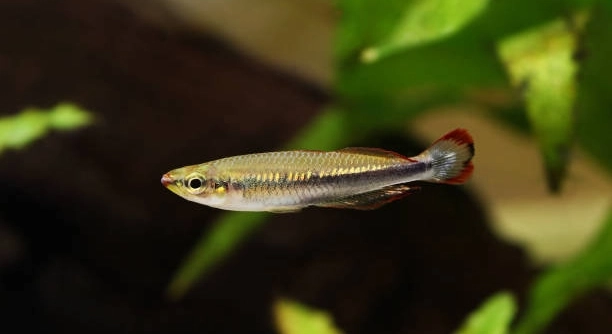
Rainbowfish are popular aquarium pets, admired for their bright colors and graceful movements. Many owners notice their fish sometimes hover in one spot for extended periods, which can seem unusual but is often normal behavior.
Rainbowfish may hover in one spot due to environmental factors, stress, or natural resting behavior. Factors such as water temperature, oxygen levels, and tank setup can influence their activity, while resting periods allow them to conserve energy and maintain health.
Observing these subtle patterns can help you better understand your fish and create a more comfortable aquarium environment.
Understanding Hovering Behavior
Rainbowfish often hover in one spot as part of their natural behavior. This can happen when they are resting, observing their surroundings, or adjusting to changes in their environment. Young or newly introduced fish may remain still as they become familiar with the tank. Water temperature, oxygen levels, and tank currents can also influence movement. A slightly cooler area or gentle current may encourage hovering. Stress is another factor that can cause fish to pause in a single spot. Loud noises, sudden movements, or aggressive tankmates can make rainbowfish feel unsafe, prompting them to stay still. Hovering is not always a sign of illness, but it is important to monitor their overall activity, eating habits, and coloration. Healthy rainbowfish may hover briefly and then resume normal swimming. Observing these behaviors helps ensure the fish are comfortable and thriving in their environment.
Monitoring behavior closely allows you to spot changes early and respond effectively.
By paying attention to tank conditions, you can maintain a stable environment that supports active swimming and reduces prolonged hovering. Regular water testing, consistent feeding schedules, and providing hiding spots help rainbowfish feel secure. Some fish naturally prefer the middle or lower levels of the tank, hovering calmly as part of their daily routine. Overcrowding or aggressive companions can increase hovering due to stress, so careful planning of tank mates is essential. Introducing plants or decorations gives them areas to rest without feeling exposed. Observing patterns in behavior and responding to environmental factors allows you to support their health. In addition, ensuring proper nutrition strengthens their immune system, making them less likely to be affected by minor stressors. Understanding these elements helps create a balanced and peaceful tank where rainbowfish can thrive, swim freely, and display their vibrant colors consistently.
Environmental Factors
Water quality is a key factor in hovering behavior. Poor water conditions can cause stress, leading rainbowfish to pause in one spot.
Temperature, pH, and oxygen levels directly affect their energy and comfort. A tank that is too warm or too cold can make fish lethargic. High ammonia or nitrite levels can irritate them, while stable, clean water encourages active swimming. Strong currents or crowded conditions may also influence movement, as rainbowfish prefer moderate water flow and enough space to explore. Observing tank conditions and adjusting them as needed can reduce excessive hovering. Adding plants and hiding spots improves comfort and encourages natural behavior. Consistent maintenance and careful observation support their overall health and reduce stress-related behaviors. A balanced environment helps rainbowfish feel secure, stay active, and maintain vibrant colors.
Proper tank management prevents stress and ensures long-term health. Paying attention to water chemistry, temperature, and tank layout creates a safe space that allows rainbowfish to thrive. Adequate filtration, regular water changes, and monitoring of pH and oxygen levels are essential. Providing areas for exploration, such as plants or decorations, reduces anxiety and promotes natural swimming. Tankmates should be chosen carefully to prevent aggression, which can contribute to hovering or hiding. Feeding should be consistent with a balanced diet, supporting energy levels and overall health. By observing subtle behavior cues, you can detect early signs of stress or illness. Adjusting environmental conditions as needed allows rainbowfish to maintain normal activity patterns, enjoy their habitat, and display their natural colors. Over time, attentive care ensures a stable, peaceful tank where rainbowfish can swim confidently and thrive in comfort.
Feeding and Activity
Rainbowfish may hover if they are digesting food or waiting for the next feeding. They often pause near their favorite spots after eating to conserve energy and process their meal.
Feeding schedules impact their activity levels. Overfeeding can make them sluggish, while underfeeding may cause them to hover near areas where food is usually offered. Young fish or those adjusting to new diets might linger in one spot as they learn feeding patterns. Providing small, frequent meals helps maintain energy and encourages movement throughout the tank. Observing how they respond after feeding can indicate whether their hovering is normal or related to dietary needs.
Type of food also affects activity. Live or frozen foods often trigger swimming and chasing behavior, while dry flakes or pellets may result in short pauses after consumption. Tank layout plays a role too, as fish may hover near hiding spots or plant clusters after feeding. Consistency in diet and environment supports healthy behavior patterns and reduces unnecessary hovering. Regularly offering varied foods keeps rainbowfish engaged and active, maintaining their overall health and energy levels.
Health Considerations
Persistent hovering can sometimes signal health concerns in rainbowfish. Stress, infections, or parasites may lead to unusual stillness or lethargy.
Monitoring physical signs alongside behavior is important. Loss of color, frayed fins, or rapid breathing can indicate illness. Water quality issues often exacerbate these problems, so regular testing is essential. Early detection allows for timely treatment, preventing further complications.
Behavioral changes can also hint at specific conditions. Swim bladder problems may make it difficult for rainbowfish to maintain normal movement, causing extended hovering or tilting. External parasites like ich or velvet may lead them to cling to plants or tank walls. Observing their response to interactions, feeding, and tank conditions helps distinguish between normal resting and health-related behavior. Timely intervention, proper medication, and improved water quality can restore activity levels. Maintaining a clean, stable environment supports recovery and prevents recurring issues. Watching for subtle shifts ensures rainbowfish remain active, healthy, and comfortable in their habitat.
Social Behavior
Rainbowfish often hover due to social interactions. They may stay still to observe tankmates or avoid aggressive fish.
Schooling fish can pause temporarily while maintaining group formation. Hovering can be a natural way to signal submission or awareness within their social hierarchy.
Tank Design and Layout
The arrangement of plants, decorations, and hiding spots can influence hovering. Rainbowfish tend to pause near dense vegetation or behind rocks, using these areas as cover. Open spaces with minimal shelter may make them feel exposed, causing temporary stillness. A varied layout encourages exploration, providing both security and room to swim freely.
Lighting and Day-Night Cycle
Lighting conditions affect activity levels. Bright or sudden light changes may cause rainbowfish to hover until they adjust to the environment.
FAQ
Why is my rainbowfish hovering near the surface?
Hovering near the surface often indicates low oxygen levels in the tank. Rainbowfish may stay near the top where oxygen concentration is higher. Ensuring proper aeration with a filter, air stone, or gentle water movement helps them breathe comfortably and return to normal swimming patterns.
Is it normal for rainbowfish to hover in one spot for long periods?
Yes, occasional hovering is normal, especially during resting or after feeding. Rainbowfish naturally take short breaks to conserve energy. Observing their overall behavior, appetite, and color helps distinguish normal resting from signs of stress or illness.
Can stress cause my rainbowfish to hover?
Stress is a common reason for prolonged hovering. Loud noises, sudden movements, overcrowding, or aggressive tankmates can make rainbowfish feel unsafe. Reducing stressors by maintaining a calm environment and providing hiding spots encourages natural swimming behavior.
Could water quality be affecting my fish’s activity?
Poor water conditions strongly influence activity. High ammonia, nitrite, or nitrate levels can irritate fish, causing them to hover. Regular water testing, partial water changes, and proper filtration are essential for healthy behavior and vibrant coloration.
Does temperature impact hovering behavior?
Yes, temperature fluctuations can slow metabolism and activity. Water that is too warm or too cold may make rainbowfish lethargic. Maintaining a stable, appropriate temperature range for your species ensures consistent swimming and reduces unnecessary hovering.
How does feeding affect hovering?
Feeding patterns influence activity. Overfed fish may rest to digest food, while underfed fish might linger near feeding areas. Small, frequent meals and balanced nutrition help maintain energy levels and encourage movement throughout the tank.
Can illness make rainbowfish hover more than usual?
Certain health issues can lead to prolonged hovering. Swim bladder problems, parasites, or infections may reduce movement. Monitoring physical signs such as color fading, frayed fins, or labored breathing allows for early detection and treatment.
Do rainbowfish hover as part of social behavior?
Yes, social interactions can affect hovering. Rainbowfish may pause to observe tankmates or avoid conflict. In schools, temporary stillness can help maintain group cohesion or indicate submission in the presence of dominant fish.
Does tank layout affect hovering?
Absolutely. Fish hover near plants, rocks, or decorations for cover and comfort. A well-arranged tank with hiding spots reduces stress, encourages natural swimming, and prevents excessive stillness in exposed areas.
Can lighting make rainbowfish hover?
Lighting changes can impact activity. Sudden bright light may cause rainbowfish to pause while adjusting. Gradual transitions and consistent day-night cycles support normal behavior and reduce unnecessary hovering.
How can I encourage more swimming in my rainbowfish?
Creating a balanced environment with proper water quality, stable temperature, appropriate tankmates, and sufficient hiding spots encourages movement. Regular feeding, varied diet, and gentle water flow also stimulate activity while ensuring the fish feel secure.
When should I be concerned about hovering behavior?
Prolonged hovering accompanied by physical changes or reduced appetite may indicate health problems. Persistent stillness in unusual locations, pale colors, or erratic swimming warrants investigation and possible intervention. Early attention improves recovery and prevents long-term issues.
Can tank overcrowding contribute to hovering?
Yes, overcrowded tanks increase stress, causing rainbowfish to hover to avoid aggression. Maintaining proper stocking levels and compatible species minimizes stress, allowing fish to swim freely and display natural behavior.
Do rainbowfish hover differently at different ages?
Young or newly introduced fish may hover more as they acclimate to their environment. Adults usually show shorter pauses. Providing stable conditions helps younger fish adjust and reduces prolonged hovering as they gain confidence in their tank.
Does the type of food change hovering patterns?
Yes, live or frozen foods often stimulate chasing and swimming, while dry flakes or pellets may lead to short resting periods afterward. Offering a varied diet keeps rainbowfish engaged and active, preventing excessive hovering.
How often should I monitor my rainbowfish’s hovering behavior?
Daily observation is ideal. Short-term pauses are normal, but changes in frequency, duration, or location can indicate stress or health issues. Regular monitoring allows timely adjustments to water quality, diet, or tank setup.
Can adding more plants reduce hovering?
Yes, additional plants provide hiding spots, reduce stress, and encourage exploration. Dense vegetation helps rainbowfish feel secure, promoting normal swimming behavior and preventing prolonged hovering in exposed areas.
Is hovering affected by water current?
Moderate water flow encourages swimming, while very strong currents can make rainbowfish hover to conserve energy. Adjusting flow to suit their preference supports natural behavior and reduces unnecessary stillness.
Are certain rainbowfish species more prone to hovering?
Some species may hover more due to temperament or natural activity levels. Observing species-specific behavior helps set expectations for normal resting and swimming patterns in your tank.
Can introducing new fish affect hovering behavior?
Yes, new tankmates may cause temporary stress, leading to hovering. Gradual introductions, proper acclimation, and monitoring interactions ensure a smooth transition and minimize stress-related stillness.
Does water depth influence hovering?
Rainbowfish may prefer specific tank levels for comfort. They often hover in mid to upper areas where they feel safe and oxygen is sufficient. Adjusting tank layout to match their preferred depth supports natural movement.
How long is too long for a rainbowfish to hover?
Occasional pauses of a few minutes are normal. Hovering for several hours, especially with other symptoms like loss of appetite or color changes, requires attention. Extended stillness can indicate stress or illness, and water quality or health should be checked immediately.
Can seasonal changes in light or temperature impact hovering?
Yes, seasonal variations may affect activity. Sudden changes in light intensity or temperature can make rainbowfish hover until they adjust. Maintaining stable conditions reduces stress and supports consistent swimming behavior.
Is hovering more common in single fish versus a school?
Single fish may hover more due to feeling insecure without companions. Schooling provides safety in numbers, reducing stress-related stillness. Observing group dynamics helps identify if hovering is normal or due to social factors.
Does tank size matter for hovering behavior?
Smaller tanks can increase stress and reduce swimming space, leading to more hovering. Providing ample space relative to the number of fish allows natural movement and reduces pauses caused by feeling confined.
Can hiding spots encourage or discourage hovering?
Hiding spots encourage hovering in safe areas but reduce unnecessary stillness in exposed zones. Well-placed shelters balance security with exploration, supporting healthy activity levels while allowing rest when needed.
Are there long-term effects if rainbowfish hover too much?
Excessive hovering over long periods may indicate underlying stress or health issues. Prolonged inactivity can reduce fitness, weaken the immune system, and affect coloration. Identifying causes early helps maintain long-term health and activity.
How can I differentiate resting from abnormal hovering?
Resting is brief, with fish maintaining normal color and responsiveness. Abnormal hovering is prolonged, accompanied by unusual posture, color fading, or reduced appetite. Observing behavior over time and noting changes helps distinguish healthy rest from potential problems.
What immediate steps should I take if my rainbowfish is hovering abnormally?
Check water quality, temperature, and tankmates first. Observe for physical signs of illness. Adjust conditions gradually, provide hiding spots, and consider consulting a veterinarian or fish specialist if symptoms persist. Early action ensures recovery and prevents stress from worsening.
Does tank cleaning frequency influence hovering?
Yes, irregular maintenance can increase stress, causing more hovering. Consistent water changes and filter upkeep create a stable environment, supporting normal swimming and reducing prolonged stillness.
Can using a water conditioner affect behavior?
Proper use of water conditioners removes harmful chemicals and supports oxygenation. Conditioning water during changes prevents stress-induced hovering and maintains a comfortable environment for rainbowfish.
Do rainbowfish need breaks from constant swimming?
Yes, brief hovering or resting is normal. Fish pause to conserve energy, digest food, and observe their surroundings. This behavior is natural as long as it is not prolonged or accompanied by other concerning signs.
How does tank temperature stability compare to sudden changes in influencing hovering?
Stable temperature promotes normal activity, while sudden changes can trigger stress and prolonged hovering. Maintaining a consistent, species-appropriate temperature reduces energy loss and encourages healthy swimming patterns.
Can frequent handling of the tank or fish affect hovering?
Excessive disturbance can increase stress, leading to hovering. Minimizing sudden movements, loud noises, and unnecessary handling creates a calm environment and supports normal swimming behavior.
Are there environmental cues that encourage hovering?
Bright light, strong currents, or noisy surroundings can prompt temporary stillness. Adjusting these factors allows rainbowfish to feel safe and resume natural swimming while still having areas for rest when needed.
Do rainbowfish exhibit hovering behavior differently during night versus day?
Yes, activity usually decreases at night. Fish may hover or rest in secure spots until light returns, which is normal. Ensuring a consistent day-night cycle supports natural rhythms and reduces unnecessary stress-related hovering.
Can dietary supplements impact energy and hovering?
Balanced diets with vitamins and nutrients support energy and overall health. Proper nutrition reduces fatigue-related hovering and encourages consistent activity throughout the day.
How important is observing group behavior for understanding hovering?
Observing the whole school helps distinguish normal resting from stress-induced hovering. Fish often mimic or react to each other, so changes in group activity can indicate environmental or health concerns affecting all individuals.
Are there seasonal feeding adjustments that affect hovering?
Yes, metabolism may vary with temperature. Adjusting feeding frequency and portion size to match seasonal activity helps maintain energy levels and reduces unnecessary hovering caused by underfeeding or overfeeding.
Does tank water hardness influence hovering behavior?
Water hardness can impact comfort and metabolism. Rainbowfish prefer moderate hardness; too soft or too hard water may cause stress, leading to prolonged hovering. Regular testing and adjustment ensure optimal conditions for activity.
Can introducing new decorations or rearranging the tank increase hovering temporarily?
Yes, fish may hover while adjusting to new layouts. Gradual changes allow them to explore and feel safe, reducing stress-related pauses once they acclimate to the modified environment.
Is hovering more common in older fish?
Older rainbowfish may hover more due to reduced energy or slower metabolism. Providing a stable environment and appropriate diet helps maintain activity levels and comfort for aging fish.
Can water flow direction influence where rainbowfish hover?
Fish often hover in areas with gentle currents, avoiding strong flow that requires extra effort to swim. Adjusting flow patterns encourages balanced movement while allowing resting in comfortable zones.
Do rainbowfish show individual differences in hovering behavior?
Yes, some fish naturally pause more than others. Recognizing individual habits helps differentiate normal behavior from stress or health issues and allows tailored tank management.
Can seasonal lighting changes in the room affect hovering?
Yes, variations in ambient light can temporarily influence activity. Maintaining consistent tank lighting with gradual transitions helps rainbowfish adjust and reduces hovering caused by sudden brightness or darkness.
Does tank noise influence hovering behavior?
Loud vibrations or nearby activity can increase stress and lead to hovering. Keeping the tank in a quieter area with minimal disturbances promotes normal swimming and reduces unnecessary stillness.
Are there specific signs that indicate hovering is due to health issues?
Physical changes like color fading, fin damage, abnormal posture, labored breathing, or refusal to eat suggest health-related hovering. Immediate attention to water conditions, diet, and potential treatment is necessary to prevent worsening problems.
Can adding live plants influence hovering patterns?
Live plants provide shelter and natural cues, encouraging temporary resting in safe areas. They also create exploration opportunities, balancing security with active swimming and reducing stress-related hovering.
Is hovering more frequent during acclimation to a new tank?
Yes, newly introduced rainbowfish often hover while adjusting to water parameters, tankmates, and surroundings. Allowing gradual acclimation and providing secure hiding spots helps them adapt without prolonged stress.
Do rainbowfish hover differently in community tanks versus species-only tanks?
Behavior varies depending on tankmates. In community tanks, they may hover more to avoid aggressive or dominant fish. Species-only tanks reduce social stress, allowing freer movement and shorter pauses.
Can hovering indicate boredom or lack of stimulation?
Yes, limited decorations, few hiding spots, or empty tanks can lead to more hovering. Providing environmental enrichment encourages exploration and reduces inactivity caused by lack of stimulation.
How does tank depth impact hovering locations?
Rainbowfish often choose mid to upper levels for hovering due to comfort, oxygen availability, and safety. Adjusting decor and water flow to suit these preferences supports natural resting behavior and exploration.
Can seasonal temperature shifts in room air affect tank behavior?
Room temperature changes influence water temperature, which can slow metabolism and increase hovering. Stable heating or cooling ensures consistent conditions, supporting active swimming and comfort.
Are there signs that indicate hovering is temporary versus a chronic issue?
Short pauses after feeding or during mild stress are temporary. Persistent hovering with physical or behavioral changes indicates a chronic concern requiring environmental adjustment, monitoring, or veterinary attention.
Does water clarity affect hovering?
Murky or unclear water can increase stress, prompting fish to hover near hiding spots. Clear, clean water supports normal activity, reduces anxiety, and encourages exploration throughout the tank.
Can overcrowding combined with limited decorations worsen hovering?
Yes, lack of space and shelter in crowded tanks increases stress and stillness. Adequate tank size and strategic placement of plants and ornaments promote natural swimming and reduce prolonged hovering.
Does hovering indicate sleep in rainbowfish?
Brief hovering can be a resting behavior, similar to sleep. Fish remain alert and responsive, and this behavior is normal as long as it is not prolonged or accompanied by other concerning symptoms.
How can I track and record hovering behavior effectively?
Observing at consistent times, noting duration, location, and context, helps identify patterns. Tracking changes over days or weeks reveals whether hovering is normal or indicates stress or health issues.
Can diet enrichment reduce hovering?
Providing a variety of foods with proper nutrients boosts energy, encourages movement, and reduces inactivity caused by low energy or boredom.
Does tank lid lighting affect hovering?
Bright overhead lights can make fish hover temporarily while adjusting. Using gradual lighting transitions or dimmable options supports natural swimming and reduces stress-related stillness.
Can temperature fluctuations during water changes affect hovering?
Yes, sudden changes during water changes can make rainbowfish pause or hover. Gradual temperature matching and careful handling minimize stress and maintain normal activity.
Is hovering behavior seasonal or year-round?
Hovering occurs year-round but may vary slightly with temperature, lighting, or feeding changes. Maintaining consistent tank conditions supports steady activity and minimizes unnecessary pauses.
Can hovering indicate aging-related changes?
Older fish may hover more due to slower metabolism or reduced stamina. Adjusting feeding, environment, and care ensures comfort while supporting continued swimming activity.
Do rainbowfish prefer hovering alone or near others?
They often hover near companions for security, especially in schools. Solitary hovering may occur in single fish or stressed individuals, signaling adjustment needs or environmental concerns.
Can water hardness or mineral content influence hovering?
Yes, inappropriate hardness or imbalanced minerals can cause stress. Regular testing and adjustments help maintain comfort, reducing prolonged hovering caused by environmental discomfort.
Does tank positioning in a room impact hovering?
Yes, tanks near high traffic, loud appliances, or direct sunlight can cause stress and hovering. Positioning in a calm, stable area promotes natural swimming behavior.
Are there natural signs of fatigue in rainbowfish that resemble hovering?
Yes, brief pauses after swimming, chasing food, or exploring are normal resting periods. Fish remain alert and regain activity quickly, distinguishing fatigue from stress or illness-related hovering.
Can seasonal water changes or heater adjustments temporarily increase hovering?
Yes, fish may pause while adapting to slight changes in temperature or water composition. Gradual adjustments minimize stress and help maintain regular swimming patterns.
Does social hierarchy in the tank affect hovering?
Dominant and submissive dynamics influence behavior. Submissive fish may hover to avoid conflict, while dominant fish remain active. Understanding social interactions helps interpret hovering patterns accurately.
Can adding floating plants change hovering behavior?
Floating plants provide shade and shelter, encouraging temporary resting in safe zones. They create comfort while promoting natural exploration and reducing stress-induced hovering.
Does hovering differ between male and female rainbowfish?
Males may display more active swimming during courtship, while females may hover more near plants or hiding spots. Recognizing these differences helps set realistic expectations for normal behavior.
How does water current adjustment impact hovering?
Gentle currents encourage swimming, while strong currents may force fish to hover to conserve energy. Balancing flow ensures comfort and supports natural movement throughout the tank.
Can sudden introduction of new light or filtration systems increase hovering temporarily?
Yes, fish may pause to adjust. Gradual changes in equipment settings allow them to adapt without prolonged stress-related stillness.
Does hovering frequency indicate tank comfort level?
High hovering frequency may signal discomfort, while occasional pauses are normal. Observing patterns alongside water quality, diet, and tankmates helps gauge overall well-being.
Can seasonal feeding adjustments reduce stress-induced hovering?
Yes, matching feeding frequency and portion sizes to seasonal activity levels maintains energy, reduces stress, and minimizes unnecessary pauses caused by hunger or overfeeding.
Does tank location relative to windows influence hovering?
Direct sunlight or external activity may cause stress, leading to hovering. Positioning the tank in a stable, shaded area reduces disturbances and promotes normal swimming.
Are there indicators that hovering is due to water chemistry versus social stress?
Hovering with physical signs like discoloration or labored breathing often points to water issues. Pauses near other fish without physical symptoms may indicate social stress. Observing context helps identify the cause.
Can occasional hovering be completely harmless?
Yes, short pauses for resting, digesting, or observing surroundings are normal. Monitoring behavior ensures it remains healthy and not a sign of underlying problems.
Does the presence of reflections or tank glass affect hovering?
Reflections can confuse fish, causing temporary pauses. Minimizing reflective surfaces or positioning the tank to reduce glare helps maintain natural swimming behavior.
Can seasonal changes in room temperature or humidity affect hovering?
Yes, minor fluctuations can influence metabolism and activity. Stable room conditions help maintain normal swimming and reduce pauses caused by environmental stress.
Do rainbowfish hover differently in planted versus bare tanks?
Planted tanks offer cover and resting spots, often resulting in natural, secure hovering. Bare tanks may increase stress-related stillness due to lack of shelter and security.
Can hovering indicate early signs of parasitic infections?
Yes, hovering accompanied by rubbing against surfaces, flashing, or labored breathing may suggest parasites. Early detection allows prompt treatment and prevents further health issues.
Does water movement consistency influence hovering?
Stable water flow supports normal activity, while fluctuating currents can increase hovering as fish adjust. Maintaining consistent flow promotes comfort and reduces unnecessary stillness.
Are there seasonal behavior changes in rainbowfish that affect hovering?
Yes, variations in
Rainbowfish are fascinating aquarium fish that often display unique behaviors, including hovering in one spot. This behavior is usually normal and can occur for a variety of reasons, from resting and digesting food to observing their environment. Many rainbowfish pause briefly throughout the day as part of their natural routine. They may hover near plants, decorations, or even open spaces depending on what feels safe and comfortable. Short pauses help them conserve energy and maintain alertness, which is important for their overall health. Observing these behaviors over time can provide valuable insight into their preferences and daily patterns, allowing you to create a supportive environment that encourages both movement and rest. Understanding that hovering is not necessarily a sign of illness helps reduce unnecessary worry and allows for a more attentive and caring approach to tank management.
Environmental factors play a key role in influencing hovering behavior. Water quality, temperature, oxygen levels, and tank layout all affect how rainbowfish interact with their surroundings. Fish may hover in areas where oxygen is higher, where currents are gentle, or where hiding spots provide a sense of security. Social dynamics within the tank also contribute, as rainbowfish often pause to observe tankmates or avoid aggressive individuals. Proper feeding schedules and a balanced diet also influence energy levels, while sudden changes in lighting or water conditions can temporarily cause them to stay still. By maintaining consistent water parameters, providing adequate space, and arranging plants or decorations strategically, you can minimize stress and encourage normal activity. These adjustments allow rainbowfish to feel secure, remain active, and display their vibrant colors. Paying attention to subtle cues like color changes, fin condition, and responsiveness helps distinguish normal resting from potential health concerns.
Hovering can sometimes indicate stress or underlying health issues, but it is often just part of their natural behavior. Fish that hover for extended periods with changes in appetite, breathing, or appearance may need closer observation and potential intervention. Regular monitoring of water chemistry, tankmates, and environmental conditions helps ensure their comfort and reduces the likelihood of stress-related hovering. Providing a stable, enriched environment with hiding places, moderate water flow, and consistent lighting promotes normal behavior. Short pauses for resting are natural, while attentive care ensures that prolonged or unusual hovering is addressed quickly. Understanding and respecting these behaviors allows rainbowfish to thrive in a comfortable, healthy tank, while giving caretakers the knowledge to respond appropriately to their needs. Overall, careful observation, stable environmental conditions, and proper care support both the well-being and the natural behavior of rainbowfish, making hovering a normal and manageable aspect of their life in an aquarium.

Hello,
If you enjoy the content that we create, please consider saying a "Thank You!" by leaving a tip.
Every little bit helps us continue crafting quality advice that supports the health, happiness, and well-being of pets around the world, for pets of all shapes, sizes, and species.
We really appreciate the kindness and support that you show us!