
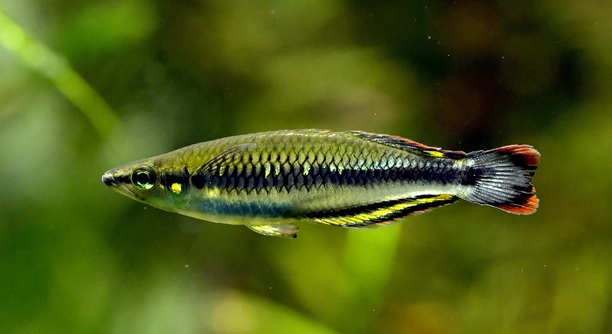
Rainbowfish are lively and colorful additions to any aquarium. Observing them can be relaxing, yet you may notice them gathering at the top more often than elsewhere. Their behavior often catches the attention of new fish owners.
Rainbowfish frequently gather at the top of the tank due to oxygen availability, feeding habits, and environmental comfort. Higher water levels provide more dissolved oxygen, while surface areas allow easier access to floating food and favorable conditions for social interactions.
Learning why they favor the top can improve tank management and ensure your rainbowfish remain healthy and active in their environment.
Oxygen Levels and Their Impact
Rainbowfish often move to the top of the tank because this area contains higher oxygen levels. Water near the surface interacts with air, increasing dissolved oxygen that fish need to breathe efficiently. In tanks with limited aeration, rainbowfish may linger near the surface more frequently. Poor oxygen circulation in certain areas of the tank can also cause them to congregate at the top, avoiding lower regions where oxygen levels drop. Additionally, warmer water holds less oxygen, so in heated aquariums, the top may be the most comfortable zone. Observing your fish at the surface can indicate that oxygen distribution needs attention. Installing an air pump or adjusting water flow can help balance oxygen throughout the tank. Regular monitoring of water quality ensures that your rainbowfish remain active and healthy. Surface gathering is often a natural response to environmental conditions rather than a sign of distress.
Maintaining proper aeration reduces top-level clustering and encourages rainbowfish to explore the tank fully.
Checking oxygen distribution helps prevent stress and promotes more natural swimming behaviors among your fish.
Feeding Patterns and Behavior
Rainbowfish naturally rise to the top for feeding, as many aquarists provide floating foods.
These fish are opportunistic feeders and will instinctively go where food is accessible. Floating flakes or pellets tend to accumulate near the surface, drawing rainbowfish upward quickly. Over time, they learn to associate the top of the tank with mealtime, reinforcing this behavior daily. Some species may even compete for space at the surface, especially during feeding periods. Providing varied feeding techniques, such as sinking pellets or live foods, can encourage activity throughout the tank. Monitoring their feeding habits ensures each fish gets adequate nutrition without overcrowding. Balancing feeding practices also helps reduce surface dominance and promotes healthier social interactions among rainbowfish. Observing these patterns can give insights into their preferences and improve overall tank management, creating a more comfortable environment for all tank inhabitants.
Tank Conditions and Comfort
Temperature and water quality affect where rainbowfish choose to swim. Warmer surface water can be more comfortable, while uneven conditions in deeper areas push them upward.
Rainbowfish are sensitive to environmental changes. If the tank has uneven temperatures or poor circulation, they often stay near the top where conditions feel more stable. Water parameters like pH, ammonia, and nitrate levels can influence their comfort. Keeping these factors balanced encourages more natural swimming patterns and prevents stress-related behaviors. Regular water changes and proper filtration help maintain stable conditions throughout the tank, making deeper areas just as suitable as the surface for your rainbowfish.
Lighting can also influence their location. Bright light at the surface may attract them, while shaded areas allow them to rest. Adjusting tank lighting and flow can help them explore all levels safely.
Social Dynamics Among Rainbowfish
Rainbowfish often gather at the top due to social interactions and schooling behavior. They feel safer in groups near open spaces.
These fish are naturally social and tend to swim in coordinated groups. When they gather near the surface, it can be a display of social hierarchy or coordination. Dominant individuals may take the top position while others follow, creating a structured social environment. Schooling near the surface also allows easier communication and interaction among group members. Observing these dynamics can reveal a lot about your fish’s behavior and preferences. By understanding their social tendencies, you can adjust tank layout, decorations, and feeding methods to support healthier interactions. Proper space and hiding spots help reduce competition, making the entire tank more comfortable for all rainbowfish.
Surface Plants and Decorations
Floating plants provide shade and security for rainbowfish, encouraging them to stay near the top. Open areas above decorations allow easier swimming and feeding.
Plants and surface coverage influence fish behavior. Rainbowfish often swim near floating leaves, using them as hiding spots or resting areas. The combination of open water and cover creates a sense of safety while letting them access food and oxygen efficiently. Adjusting plant density can help balance their activity throughout the tank and prevent overcrowding at the surface.
Water Flow and Circulation
Strong currents in the lower levels can push rainbowfish upward, making calmer surface areas more appealing. Proper water movement ensures all areas remain suitable for swimming.
Tank Size Considerations
Smaller tanks often see more surface activity, as rainbowfish adjust to limited space. Larger tanks allow more exploration but still show surface preference.
FAQ
Why do my rainbowfish always stay at the top of the tank?
Rainbowfish tend to stay at the top for easier access to oxygen and food. If the water in lower areas is less oxygenated or warmer, they naturally move upward. This is often normal behavior, especially if the tank has limited aeration or floating food. Monitoring water parameters ensures they remain healthy and reduces stress.
Is it normal for rainbowfish to cluster at the surface?
Yes, clustering at the surface is common. It can be influenced by feeding habits, social behavior, and environmental conditions. Rainbowfish feel safer in groups near open spaces, and surface areas often provide both comfort and visibility of other fish. Adjusting tank flow, lighting, and feeding methods can help them spread more evenly.
Can oxygen levels affect their swimming patterns?
Absolutely. Dissolved oxygen is crucial for rainbowfish. Higher oxygen concentrations at the surface naturally attract them. Poor circulation or stagnant water in deeper areas can make the lower levels less appealing. Adding an air pump, improving filtration, or adjusting water flow can encourage activity throughout the tank.
Do tank decorations influence their behavior?
Yes, decorations play a significant role. Floating plants and open swimming areas at the top make fish feel secure while still allowing access to food. Dense or poorly arranged lower-level decorations can discourage swimming near the bottom. Rearranging plants and ornaments can create balanced spaces that promote movement at all tank levels.
Does lighting affect where they swim?
Lighting impacts fish comfort and visibility. Bright top lighting can attract rainbowfish, while shaded areas provide resting spots. They often balance between these zones for comfort and social interaction. Adjusting light intensity and duration can prevent excessive surface clustering and promote activity throughout the aquarium.
Can water temperature influence top-level gathering?
Yes, warmer water tends to rise, and rainbowfish may prefer slightly higher temperatures near the surface. Uneven heating can push them upward while cooler, less comfortable areas are avoided. Consistent tank temperature with even circulation encourages more natural swimming behavior.
How does feeding schedule affect surface activity?
Feeding at the surface trains rainbowfish to associate the top with food. Floating flakes or pellets are especially attractive, encouraging them to gather. Offering varied feeding options, like sinking pellets or occasional live foods, can help disperse activity and reduce competition at the surface.
Will tank size change their surface preference?
Tank size does influence behavior. In smaller tanks, rainbowfish may appear to stay at the top due to limited space and fewer options. Larger tanks allow more exploration, though they may still prefer the surface for feeding, socializing, or oxygen-rich water. Adequate space and hiding areas encourage balanced swimming.
What can I do to encourage them to explore lower levels?
Improving oxygen distribution, adding moderate water flow, adjusting lighting, and arranging decorations strategically can motivate rainbowfish to use the entire tank. Feeding techniques that include sinking food also promote activity at lower levels while maintaining overall health.
Are rainbowfish stressed if they always stay at the top?
Not necessarily. Frequent surface presence is often natural behavior, but prolonged clustering with other signs, like rapid gill movement or lethargy, may indicate stress or poor water quality. Regular monitoring of oxygen, temperature, and ammonia levels ensures a healthy environment.
How do social dynamics affect their position in the tank?
Rainbowfish are schooling fish. Dominant individuals may take the top position while others follow, creating structured social interactions. Observing these patterns helps identify group behavior, allowing adjustments in tank layout, feeding, and population balance for healthier interactions.
Can water flow adjustments reduce surface gathering?
Yes, controlling current strength can redistribute fish. Strong lower-level currents may push rainbowfish upward, while gentle flow throughout encourages swimming at all levels. Optimizing filtration, pumps, and aeration ensures the tank environment supports balanced movement and reduces top-level congestion.
Do floating plants always keep rainbowfish at the top?
Floating plants provide shade and security, often encouraging surface activity. However, they also give rest areas and reduce stress. Balancing floating and submerged plants creates multiple zones, allowing fish to move freely while feeling safe at different tank levels.
Is top-level gathering harmful to rainbowfish?
Generally, no. Staying near the surface is a natural response to oxygen, food, and social dynamics. Problems only arise if water quality, temperature, or oxygen levels are poor. Ensuring a well-maintained tank keeps rainbowfish healthy while allowing natural behaviors.
How can I monitor their behavior effectively?
Regular observation during feeding and different times of the day helps understand patterns. Noting positions, interactions, and responses to environmental changes provides insight into their comfort and health. Small adjustments to lighting, flow, or feeding can improve overall tank harmony and reduce excessive surface gathering.
This FAQ covers the main reasons rainbowfish gather at the top, offering practical ways to maintain their health and encourage balanced tank behavior.
Rainbowfish are lively and social creatures that bring color and energy to any aquarium. Observing them gather at the top of the tank is a common sight and usually reflects natural behavior rather than a problem. Their tendency to stay near the surface often stems from environmental factors such as oxygen levels, temperature, and water circulation. Surface areas provide higher concentrations of dissolved oxygen, which fish rely on for healthy respiration. In tanks with uneven aeration or weaker water flow in lower regions, rainbowfish naturally move upward where conditions are more favorable. Floating plants, open swimming spaces, and surface light also make the top levels appealing, creating a balance of comfort and safety. Understanding these basic factors allows aquarium owners to see that surface clustering is often a normal and harmless behavior.
Feeding habits play a significant role in surface activity as well. Rainbowfish are opportunistic feeders and quickly learn to associate the top of the tank with food, particularly when floating flakes or pellets are used. This learned behavior reinforces their presence near the surface, sometimes creating the impression that they are avoiding other parts of the tank. Social dynamics also influence their position. Being schooling fish, rainbowfish prefer to swim together in groups, and the top of the tank often provides open space for easier coordination and communication. Dominant individuals may take the lead near the surface while others follow, further reinforcing their surface presence. Adjusting feeding methods, such as occasionally offering sinking foods or spreading food across different areas, can encourage more movement throughout the tank while still supporting natural behaviors.
Proper tank management is key to ensuring rainbowfish remain healthy and active. Maintaining balanced water parameters, adequate oxygen levels, and consistent temperatures helps all levels of the tank remain suitable for swimming. Decorations, plants, and lighting should be arranged to create comfort and security at both the surface and lower areas. Gentle water circulation promotes exploration of the entire tank, reducing excessive clustering at the top. Observing the fish regularly allows for timely adjustments, helping to prevent stress and ensuring a harmonious environment. By addressing these factors thoughtfully, rainbowfish can enjoy a comfortable and engaging habitat, and their behavior at the surface becomes a normal part of their daily activity rather than a concern. This approach supports both their well-being and a visually vibrant aquarium that can be appreciated for its liveliness and balance.

Hello,
If you enjoy the content that we create, please consider saying a "Thank You!" by leaving a tip.
Every little bit helps us continue crafting quality advice that supports the health, happiness, and well-being of pets around the world, for pets of all shapes, sizes, and species.
We really appreciate the kindness and support that you show us!