
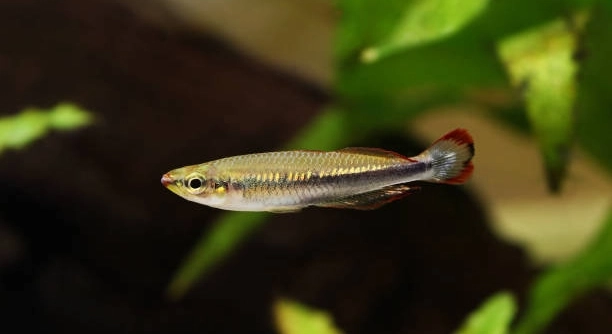
Do your fish seem less active or show signs of stress in their tank? Many fish owners notice subtle changes when water conditions are not ideal. Maintaining the right temperature is essential for a healthy aquarium environment.
Proper tank temperature is critical for fish health. Fluctuations or extremes can lead to stress, illness, and reduced lifespan. Monitoring and adjusting water temperature ensures stable conditions, supports metabolic functions, and promotes natural behavior and immune response.
Keeping your aquarium at the right temperature can prevent common health issues and help your fish thrive in their aquatic home.
Understanding Ideal Temperature Ranges
Every fish species has a preferred temperature range that supports its metabolism and overall health. Tropical fish, for example, usually thrive between 75 and 80°F, while cold-water fish prefer 65 to 70°F. Keeping the water within these limits ensures that your fish remain active, eat properly, and grow steadily. Sudden shifts in temperature can stress fish, making them more prone to disease and reducing their lifespan. It’s important to research the specific needs of each species in your tank. Using a reliable aquarium thermometer helps you track the temperature accurately. Position the thermometer where water circulation is strong, as readings can vary in different parts of the tank. Adjusting heaters or coolers gradually prevents shocking your fish. Observing behavior and health regularly gives additional clues about whether the temperature is appropriate. A stable environment encourages natural behaviors such as swimming, feeding, and interacting with tank mates.
Regularly checking the thermometer helps avoid temperature swings that could harm your fish.
Keeping a steady temperature is essential. Consistency ensures your fish remain healthy and active. Sudden changes, even by a few degrees, can stress them. Observing their behavior and adjusting equipment as needed is an effective way to maintain a safe environment for all species in your tank.
Using Heaters and Thermometers Effectively
Heaters and thermometers are essential tools for maintaining a stable tank environment.
Choosing the right heater depends on tank size and species requirements. Submersible heaters offer precise control and even heat distribution. Pairing a quality thermometer with a heater ensures you can monitor changes in real time. Position the heater near water circulation points to prevent cold spots. Regularly test both devices for accuracy. Consider using a heater with a built-in thermostat to reduce manual adjustments. Some tanks benefit from dual heaters for larger volumes, providing backup in case one fails. Monitor readings daily during seasonal changes, as room temperature can influence water conditions. Sudden heater malfunctions can lead to dangerous spikes, so routine inspection is vital. Combining proper placement, maintenance, and monitoring ensures your aquarium remains within the ideal range. This setup allows your fish to thrive without unnecessary stress. Understanding how to balance these tools creates a stable and healthy aquatic environment.
Avoiding Temperature Fluctuations
Sudden changes in tank temperature can stress fish and weaken their immune systems. Keeping the environment consistent helps prevent illness and encourages natural behavior. Minor adjustments should be made gradually to avoid shocking your aquatic pets.
Temperature swings often occur due to room temperature changes, heater malfunctions, or direct sunlight. Fish are highly sensitive, and even small shifts can impact their metabolism and appetite. Insulating the tank, using a reliable heater, and placing the aquarium away from windows or vents can reduce fluctuations. Regular monitoring with a thermometer ensures stability and allows early correction if the temperature drifts. Gradual acclimation is essential when introducing new fish or adjusting the heater, as abrupt changes can cause long-term health problems. Maintaining steady conditions supports healthy growth and activity levels, keeping your fish active and feeding normally.
Monitoring water during seasonal changes is key. Room temperature variations, sunlight, and nearby appliances can cause fluctuations. Regular checks and gradual adjustments help maintain stability, supporting fish health.
Selecting the Right Heater
Choosing a heater suitable for your tank size ensures even temperature distribution. Undersized heaters may struggle to maintain warmth, while oversized ones can overheat the water.
Submersible heaters provide consistent heating and are easy to adjust. For larger tanks, using two smaller heaters can prevent cold spots and provide backup if one fails. Always use a thermometer to confirm the temperature matches your fish’s needs. Position heaters where water flow is strong to circulate warmth effectively. Some heaters include automatic shutoff or adjustable thermostats for added safety. Avoid placing heaters near decorations or substrate that could block heat. Regular maintenance, including cleaning and checking for damage, ensures reliable performance. Combining proper heater selection, placement, and monitoring creates a stable environment that reduces stress and supports overall fish health.
Heater maintenance is essential. Clean the device regularly, check for malfunctions, and ensure water flow circulates heat evenly for consistent tank temperature.
Gradual Temperature Changes
Abrupt temperature shifts can shock fish and lead to stress or illness. Small, gradual adjustments allow fish to acclimate without harming their metabolism or immune system.
Using a thermometer during changes helps track progress. Slowly altering the heater setting over several hours ensures a smooth transition and keeps fish comfortable.
Proper Acclimation for New Fish
When introducing new fish, acclimation is critical to avoid temperature stress. Float the sealed bag in the tank for 15–20 minutes to match water temperature. Slowly mix tank water into the bag over 30–60 minutes, allowing the fish to adjust gradually. Rapid changes can cause shock, illness, or even death. Maintaining stable conditions during this period helps new fish adapt to pH, temperature, and other water parameters. Observing their behavior during acclimation provides insight into their comfort level. Gradual introduction improves survival rates and promotes a healthy start in the new environment, supporting long-term well-being.
Avoid Direct Sunlight
Direct sunlight can raise tank temperature quickly. Place the aquarium away from windows to maintain stable conditions and protect fish health.
FAQ
What is the ideal temperature for tropical fish?
Most tropical fish thrive between 75 and 80°F. Keeping the water in this range supports normal metabolism, activity, and feeding habits. Slight variations are acceptable, but sudden changes can stress fish, making them more vulnerable to illness.
How do I know if my fish are stressed from temperature?
Signs include lethargy, loss of appetite, rapid gill movement, or hiding more than usual. Stress can weaken the immune system, increasing susceptibility to disease. Observing behavior daily helps identify problems early before they become serious.
Can I use any heater for my tank?
Not all heaters are suitable. Choose one rated for your tank size and species. Submersible heaters distribute heat evenly, while thermostats help maintain a stable temperature. For larger tanks, using two heaters prevents cold spots and provides backup if one fails.
How often should I check the water temperature?
Daily monitoring is recommended, especially in tanks with sensitive fish. Seasonal changes in room temperature or sunlight can affect water. Regular checks allow early adjustments and prevent stress from sudden fluctuations.
Is it safe to adjust the heater quickly?
No. Sudden changes can shock fish and harm their metabolism. Gradual adjustments over several hours give fish time to acclimate safely. Always monitor behavior after adjustments to ensure they are comfortable.
Do different fish species need different temperatures?
Yes. Cold-water fish like goldfish prefer 65–70°F, while tropical species need warmer water. Research each species’ requirements to avoid health problems and ensure all fish in the tank thrive in compatible conditions.
How do I acclimate new fish to my tank?
Float the sealed bag in the tank to match water temperature, then slowly mix tank water into the bag over 30–60 minutes. Gradual acclimation prevents temperature shock and helps fish adjust to other water parameters safely.
Can sunlight raise the tank temperature too much?
Yes. Direct sunlight can quickly heat water, causing dangerous spikes. Place the tank away from windows and consider using blinds or curtains to reduce temperature swings.
What should I do if my heater fails?
Have a backup plan, such as a secondary heater or temporary relocation to a stable environment. Check for damage regularly and avoid relying on a single device for large tanks. Quick action prevents sudden temperature drops that can stress or kill fish.
Is a thermometer necessary if I have a heater with a thermostat?
Yes. Thermostats can fail or be inaccurate. A reliable thermometer provides a second check, ensuring the temperature stays within the safe range for your fish. Regular monitoring prevents unnoticed fluctuations that could affect health.
How long can fish tolerate slightly low or high temperatures?
Short periods of minor deviation are usually tolerated, but prolonged exposure can weaken immunity and slow growth. Consistent monitoring and quick correction of any deviations protect long-term health and activity levels.
Are there signs that my heater is working incorrectly?
Uneven heating, cold spots in the tank, or sudden temperature spikes indicate a problem. Inspect the heater regularly, clean it, and replace it if necessary to maintain a stable environment.
Do seasonal changes affect tank temperature?
Yes. Room temperature changes in winter or summer can influence water temperature. Adjust heaters gradually and monitor daily to prevent stress during seasonal transitions.
Can I mix tropical and cold-water fish in the same tank?
It is not recommended. Different species have different temperature requirements. Mixing them may cause stress, poor health, or reduced lifespan. Stick to compatible species with similar temperature needs for a healthy tank environment.
How can I reduce temperature fluctuations naturally?
Position the tank away from sunlight, heaters, vents, or drafts. Insulating the tank or using a canopy can also help. Combining natural precautions with proper heater use creates a stable, safe environment for all fish.
Maintaining the right tank temperature is one of the most important steps in keeping fish healthy. Fish are sensitive to changes in their environment, and even small fluctuations in water temperature can affect their behavior, appetite, and overall well-being. A stable temperature supports normal metabolism, promotes regular feeding, and encourages natural activity, which is essential for fish to thrive. When the water is too cold, fish may become lethargic, eat less, and grow more slowly. When the water is too warm, their metabolism speeds up, which can lead to stress and reduce their lifespan. Using a reliable heater and thermometer helps create a stable environment and gives you control over the water conditions. Checking temperature daily and making small adjustments gradually ensures that fish are never exposed to sudden changes that could harm them.
Proper heater use and placement are also key for maintaining consistent water temperature. Submersible heaters are usually the best choice because they distribute heat evenly throughout the tank. Placing the heater near a circulation point ensures that the warm water spreads evenly, avoiding cold spots where fish could become stressed. For larger tanks, using two heaters can provide a backup and prevent temperature imbalances. Thermostats and heaters with automatic shutoff features add an extra layer of safety, but it is still important to monitor the temperature regularly. Even with good equipment, seasonal changes in room temperature, sunlight, or drafts can affect water temperature. Observing your fish for signs of stress, like unusual swimming patterns or reduced appetite, can alert you to a temperature problem before it becomes serious.
Acclimating new fish properly and avoiding sudden temperature changes are equally important. When introducing new fish, floating the sealed bag in the tank and gradually mixing tank water over time helps them adjust safely. Sudden shifts, even by a few degrees, can shock fish and lead to illness or death. Gradual adjustments should also be applied when changing heater settings, especially during seasonal temperature changes. Keeping the tank away from direct sunlight or sources of heat or cold helps maintain stability. By combining steady temperature control, careful acclimation, and close observation, you can create a safe and healthy environment for your fish. Maintaining a consistent tank temperature is a simple yet powerful way to support long-term fish health, encourage natural behavior, and ensure that your aquarium remains a comfortable home for all its inhabitants.

Hello,
If you enjoy the content that we create, please consider saying a "Thank You!" by leaving a tip.
Every little bit helps us continue crafting quality advice that supports the health, happiness, and well-being of pets around the world, for pets of all shapes, sizes, and species.
We really appreciate the kindness and support that you show us!