
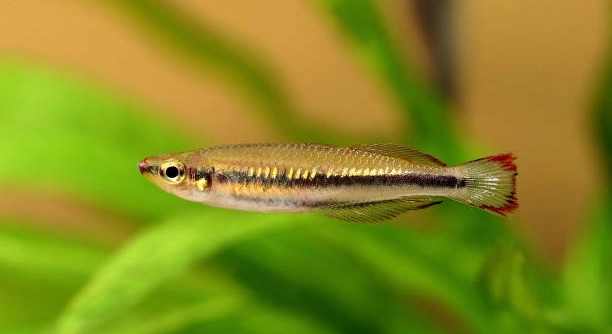
Are your rainbowfish not reaching the size you expected despite proper care and feeding? Many hobbyists notice slow growth in their tanks, which can be frustrating and confusing when everything seems normal.
The primary reasons your rainbowfish may not be growing include insufficient nutrition, improper water conditions, inadequate tank size, stress, illness, genetic factors, and inconsistent feeding routines. Addressing these factors methodically can significantly improve their growth rate and overall health.
Understanding these growth challenges will help you create a healthier environment and ensure your rainbowfish thrive in your aquarium.
Insufficient Nutrition
Rainbowfish need a varied diet to grow properly. Feeding only one type of food can slow their development and affect their health. They require high-quality flakes, pellets, and occasional live or frozen foods like brine shrimp or bloodworms. Providing balanced nutrition ensures they get the proteins, vitamins, and minerals necessary for strong growth and vibrant colors. Overfeeding can also be harmful, leading to poor water quality and obesity, which in turn can stunt growth. Observing how much your fish eat and adjusting portions is key. Rotating food types and incorporating natural foods mimics their diet in the wild and supports healthy development. Small, frequent feedings are often better than one large meal.
A balanced diet that meets nutritional needs is essential for rainbowfish growth. Variety and proper portions make a significant difference.
Maintaining a feeding routine helps rainbowfish thrive. Watching their behavior during feeding can indicate if they are getting enough nutrients. Live foods stimulate natural hunting instincts, which can enhance both activity and growth. Pairing this with high-quality flakes or pellets ensures they receive consistent vitamins and minerals. Avoid overfeeding, as leftover food can foul the tank and cause stress. Stress-free, well-fed rainbowfish are more likely to grow efficiently and display their natural colors, giving your tank a lively and healthy appearance.
Improper Water Conditions
Poor water quality can stunt rainbowfish growth and weaken their immune systems.
Rainbowfish need clean, stable water with proper temperature, pH, and hardness levels. Frequent water testing and partial changes prevent harmful buildup of ammonia or nitrates, which can inhibit growth.
Maintaining stable water parameters is crucial for rainbowfish development. They thrive in slightly alkaline water with moderate hardness and temperatures around 74–78°F (23–26°C). Sudden changes in temperature or pH can stress them, leading to slower growth and increased susceptibility to disease. Using a reliable filter, performing regular water changes, and avoiding overcrowding all contribute to a healthier tank environment. Observing fish behavior can help detect early signs of stress or poor water conditions. Clean, stable water supports digestion, activity levels, and overall health, directly influencing their growth rate. Creating an environment that closely mimics their natural habitat encourages rainbowfish to grow efficiently while showing off their bright colors. Proper care ensures they remain active, healthy, and visually vibrant.
Inadequate Tank Size
Small tanks limit rainbowfish growth and can cause stress. They need space to swim freely and develop properly.
Crowded conditions reduce oxygen levels and increase waste buildup, both of which negatively affect growth. Rainbowfish are active swimmers, and a cramped tank can stunt their development over time. A minimum of 20 gallons for a small group is recommended, but larger tanks are better for multiple fish. Ensuring ample space reduces stress, improves water quality, and allows for natural behavior. Plants and decorations should be arranged to give swimming room rather than restrict movement. Providing a spacious environment encourages healthy growth, vibrant colors, and overall well-being, giving your rainbowfish room to thrive physically and mentally.
Proper tank size supports activity, reduces stress, and prevents stunted growth. Planning for future expansion ensures continued health.
Rainbowfish also benefit from open swimming areas that mimic their natural environment. Avoid overstocking, as high density increases competition for food and stress levels. Regular monitoring of water quality becomes easier in a properly sized tank. Combining adequate space with clean water and a varied diet optimizes growth. A tank that allows free movement encourages exercise, which strengthens muscles and promotes proper body shape. With enough space, rainbowfish display natural behaviors, enhancing both their health and the enjoyment of observing them.
Stress and Aggression
Stress slows growth and can make rainbowfish more prone to illness. Aggressive tank mates worsen the problem.
Avoid overcrowding and choose compatible species to minimize stress. Stress factors include sudden changes, loud noises, or frequent handling.
Creating a calm tank environment improves growth and overall health. Stress triggers hormonal changes that affect metabolism and appetite, reducing nutrient absorption and slowing development. Aggressive behavior from other fish can further suppress growth by limiting access to food or forcing hiding. Observing interactions and separating aggressive individuals prevents prolonged stress. Adding plants and hiding spots gives rainbowfish refuge and reduces conflict. Maintaining consistent lighting, stable temperatures, and a predictable feeding schedule also lowers stress. A peaceful environment encourages active swimming, feeding, and social interaction, all of which support proper growth. Proper management of stress ensures rainbowfish remain healthy, vibrant, and resilient in the tank.
Illness and Parasites
Illness and parasites can stunt rainbowfish growth quickly. Watch for unusual behavior, spots, or sluggishness in your fish.
Treating infections early helps prevent long-term growth issues. Quarantining new fish and maintaining clean water reduces risks of disease and parasites spreading.
Genetic Factors
Some rainbowfish naturally grow slower due to genetics. Even with perfect care, their size may remain smaller than others in the tank. Genetic diversity affects growth rate, coloration, and overall body structure.
Inconsistent Feeding
Skipping meals or irregular feeding schedules can hinder growth. Consistency is important for proper nutrition absorption.
FAQ
Why isn’t my rainbowfish growing despite regular feeding?
Even with consistent feeding, growth can be limited by water quality, stress, or tank size. Overfeeding or providing only one type of food can also prevent proper development. Rainbowfish need a balanced diet, clean water, and enough space to reach their full potential.
How often should I feed my rainbowfish?
Rainbowfish benefit from small, frequent meals rather than one large feeding. Two to three times daily is ideal, combining high-quality flakes or pellets with occasional live or frozen foods like brine shrimp or daphnia. Regular feeding helps maintain energy and supports steady growth.
Can poor water quality stunt growth?
Yes, unstable or polluted water significantly impacts growth. Ammonia, nitrites, and nitrates can stress fish, reduce appetite, and interfere with nutrient absorption. Maintaining stable pH, temperature, and hardness while performing regular water changes is critical for healthy growth.
Does tank size really affect rainbowfish growth?
Absolutely. Rainbowfish are active swimmers, and small tanks limit their movement. Crowded conditions increase stress and reduce oxygen levels. A minimum of 20 gallons for a small group is recommended, with larger tanks preferable for multiple fish to support healthy growth and behavior.
Can stress cause stunted growth?
Yes. Stress slows metabolism and can suppress appetite, directly affecting growth. Aggressive tank mates, sudden environmental changes, loud noises, or overhandling can all contribute. Providing hiding spots, stable conditions, and compatible companions helps minimize stress and promotes healthy development.
Are illnesses a common reason for slow growth?
Illnesses and parasites can quickly stunt growth. Early signs include lethargy, loss of appetite, and visible spots or deformities. Quarantining new fish, maintaining clean water, and promptly treating infections are essential to prevent long-term growth issues.
Could genetics be the reason my rainbowfish is small?
Yes. Some fish naturally grow slower due to genetic factors. Even with optimal care, these fish may remain smaller or develop differently than others. Understanding this helps set realistic expectations for their size and appearance.
What type of diet promotes the best growth?
A varied diet with high-quality flakes, pellets, and occasional live or frozen foods provides essential nutrients. Proteins, vitamins, and minerals are critical for growth, while rotating foods ensures balanced nutrition and supports natural behaviors like hunting and foraging.
How can I tell if my fish is stressed?
Signs of stress include hiding frequently, loss of appetite, erratic swimming, or fading colors. Observing behavior during feeding and daily activity helps detect stress early so adjustments can be made to water, tank setup, or companions.
Is it possible for my rainbowfish to catch up in growth later?
Yes, if the underlying issues are corrected, rainbowfish can resume normal growth. Improving water quality, nutrition, tank space, and reducing stress often allows slower-growing fish to catch up over time. Consistency and patience are key to supporting this recovery.
Should I separate aggressive fish to help growth?
Separating aggressive individuals prevents bullying and ensures all fish can access food. Stress from aggression reduces growth, so providing enough space, hiding spots, and compatible tank mates supports healthy development and overall wellbeing.
Does water temperature affect growth?
Yes, rainbowfish thrive in stable temperatures around 74–78°F (23–26°C). Sudden fluctuations can stress them, reduce appetite, and slow growth. Using a reliable heater and monitoring with a thermometer helps maintain optimal conditions for development.
Can decorations or plants affect growth?
Yes, poorly arranged decorations can restrict swimming space, while plants provide hiding spots that reduce stress. Balancing open swimming areas with protective cover encourages activity, natural behavior, and ultimately better growth.
How long does it take to see improvements in growth?
Once water quality, diet, and tank conditions are optimized, growth improvements may be noticeable within weeks to months. Patience is necessary, as fish need time to adjust and recover from stress or previous poor conditions.
Are there signs my rainbowfish is growing properly?
Healthy growth is indicated by steady size increase, bright coloration, active swimming, and a good appetite. Observing consistent behavior and appearance over time helps track their development and ensures care practices are effective.
Rainbowfish growth depends on a combination of factors that work together to create a healthy environment. Nutrition, water quality, tank size, and stress management all play important roles in how well your fish develop. Ensuring that they have a balanced diet with high-quality flakes, pellets, and occasional live or frozen foods is essential. A varied diet provides the proteins, vitamins, and minerals they need for strong growth and vibrant colors. Feeding small amounts multiple times a day helps them digest food properly while preventing leftovers from fouling the tank. Even with consistent feeding, other factors can affect growth, so observing your fish regularly and adjusting care as needed is important.
Water conditions have a direct impact on rainbowfish development. Maintaining stable temperature, pH, and hardness levels helps them thrive and reduces stress that can stunt growth. Regular water changes and proper filtration prevent harmful buildups of ammonia, nitrites, and nitrates. Overcrowding and poor tank setup can increase stress and limit swimming space, slowing development further. Stress can also result from aggressive tank mates, loud noises, or sudden environmental changes. Providing hiding spots, compatible companions, and a calm environment ensures your rainbowfish feel secure, allowing them to feed, swim, and grow naturally. Observing their behavior closely helps identify problems early, giving you the chance to address them before growth is affected.
Even when all conditions are ideal, genetics can play a role in growth differences among individual fish. Some rainbowfish naturally grow slower or remain smaller than others. Understanding this helps set realistic expectations and reduces frustration when progress is slower than anticipated. While improvements in diet, tank size, water quality, and stress reduction can help most fish reach their potential, patience is essential. Growth is a gradual process, and consistent care over time produces the best results. Paying attention to daily needs and adjusting care based on observation will keep your rainbowfish healthy and active. By focusing on nutrition, water quality, tank conditions, and stress management, you can support proper growth, vibrant colors, and overall wellbeing, helping your rainbowfish thrive in your aquarium for years to come.

Hello,
If you enjoy the content that we create, please consider saying a "Thank You!" by leaving a tip.
Every little bit helps us continue crafting quality advice that supports the health, happiness, and well-being of pets around the world, for pets of all shapes, sizes, and species.
We really appreciate the kindness and support that you show us!