
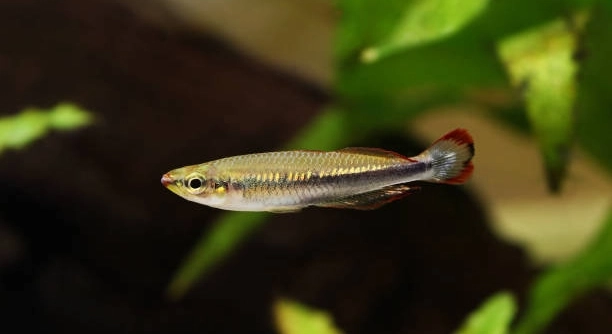
Are your rainbowfish displaying unusual behavior in your aquarium, swimming assertively and occupying prime spots more frequently than the others? Observing these patterns can give insights into their social hierarchy and overall wellbeing in a shared tank environment.
A dominant rainbowfish can be identified by its confident swimming, frequent chasing of other fish, and consistent access to the best feeding areas. These behaviors indicate social rank and territorial control within the group, reflecting hierarchical status among tank mates.
Understanding these signs will help you manage your aquarium better and maintain harmony among your rainbowfish community. Proper observation ensures a balanced and healthy environment for all.
Signs of Dominant Behavior in Rainbowfish
Dominant rainbowfish often take charge in the tank, swimming confidently in open spaces and claiming the best hiding spots. They may chase or nudge other fish to assert control, and their fins are usually more erect and colorful. Feeding time reveals their rank, as dominant fish often eat first and occupy the most accessible areas, leaving others to wait. Social interactions can be subtle, like maintaining proximity to certain tank mates or occasionally blocking paths. Aggression may appear as short bursts of chasing rather than constant attacks. Observing these behaviors consistently over several days helps distinguish natural dominance from temporary stress or curiosity. Dominant fish tend to explore more and are less startled by changes in their environment, showing confidence that is visible in posture and movement. Tank layout, population density, and species mix also influence how dominance is expressed and maintained among rainbowfish. Recognizing these patterns ensures better management of social dynamics and reduces stress.
Monitoring your rainbowfish regularly allows you to note shifts in hierarchy and adapt the tank environment accordingly. Consistent observation is key.
Understanding dominance in rainbowfish helps maintain a balanced tank. Adjusting feeding routines and tank decorations can reduce conflict and support all fish equally, promoting a stable environment and healthy interactions over time.
Managing Dominant Rainbowfish
Limiting aggression starts with providing ample space and hiding spots, so less dominant fish can retreat.
Providing separate feeding areas and rearranging plants or decorations can reduce territorial disputes. Observation is important to notice any injuries or stress signs. If aggression persists, it may be necessary to temporarily separate the dominant fish. Grouping rainbowfish in odd numbers often reduces tension, as it prevents a single fish from being constantly targeted. Maintaining water quality and a consistent environment also minimizes stress, which can exacerbate dominance behaviors. Social enrichment, like gentle changes in tank layout or adding neutral tank mates, can help distract dominant fish and encourage balanced interaction. Recording behaviors over time helps track patterns and determine if adjustments are effective. By carefully monitoring and intervening when necessary, you can ensure all fish have access to resources without excessive stress. Ultimately, understanding and managing dominance promotes a healthier, more harmonious aquarium ecosystem for every rainbowfish in your care.
Observing Feeding Patterns
Dominant rainbowfish often eat first, claiming the most accessible food. Submissive fish wait or nibble leftovers. Watching who approaches first and how others respond reveals the tank’s hierarchy and helps identify which fish control resources.
Feeding time is one of the clearest indicators of dominance. Dominant fish usually swim quickly to food, assert themselves, and may chase others away. Less dominant fish wait for their turn or feed from the edges of the group. This behavior is consistent and observable, making it easier to distinguish temporary boldness from true dominance. Over time, you may notice patterns like consistent priority access and repeated chasing, which confirm social ranking.
Understanding feeding behaviors allows for better management. Adjusting feeding locations and providing multiple feeding spots helps reduce stress. Dominant fish may still eat first, but all fish get access. Observing these interactions daily helps maintain balance, prevent aggression, and keep all rainbowfish healthy and thriving.
Territorial Behavior
Dominant rainbowfish often claim specific areas in the tank, patrolling them frequently and discouraging others from entering. This territorial display can include chasing, fin displays, and persistent swimming in the same spots.
Territorial behavior helps establish and maintain social order. Dominant fish mark favorite spots near plants, decorations, or open swimming areas. They frequently patrol these zones and respond quickly if other fish enter. Submissive fish usually avoid these areas to prevent confrontation. Consistency in these behaviors is key to identifying dominance, as a dominant fish will show repeated, deliberate control of space. Rearranging decorations or adding hiding places can help distribute territories more evenly. Watching how fish interact with each zone over time reveals which areas are highly valued and which fish assert control. Recognizing territorial patterns aids in preventing conflicts and maintaining harmony.
Coloration and Physical Displays
Dominant rainbowfish often show brighter colors and more erect fins. Their vivid appearance signals strength and confidence to other fish, helping maintain their social status.
These physical displays are consistent during interactions, especially near feeding areas or favored territories. Submissive fish usually display muted colors and avoid direct confrontation.
Aggressive Interactions
Chasing and nipping are common ways dominant rainbowfish assert control. These behaviors are usually brief but repeated, establishing social order without causing serious harm. Dominant fish often target specific individuals to reinforce hierarchy, while less dominant fish retreat to avoid conflict. Observing these interactions over time provides insight into the tank’s social structure and helps in managing aggressive behaviors.
Adjusting Tank Environment
Providing plants, hiding spots, and open swimming areas reduces tension. Balanced space allocation helps minimize disputes and supports peaceful coexistence.
FAQ
How can I tell if my rainbowfish is dominant?
Dominant rainbowfish display confident swimming, frequent chasing, and assertive access to food and favored spots. They often have brighter colors and erect fins. Watching feeding patterns, territory control, and interactions over several days can clearly reveal which fish hold the highest social rank in your tank.
Do dominant rainbowfish bully other fish?
Yes, but usually in short bursts. Chasing, nipping, and blocking paths are common, but serious injuries are rare in a well-managed tank. Submissive fish learn to avoid conflict, creating a stable social order while dominant fish maintain their position.
Can a rainbowfish’s dominance change over time?
Dominance can shift, especially after tank rearrangements or the addition of new fish. Older or weaker dominant fish may lose rank, while assertive individuals can rise. Monitoring social interactions regularly ensures you notice these changes and can adjust feeding or space allocation accordingly.
Does tank size affect dominance behavior?
Tank size plays a major role. Smaller tanks intensify competition, while larger tanks give subordinate fish space to retreat. Providing enough swimming area and hiding spots reduces aggression and allows all rainbowfish to thrive without constant stress.
Should I separate a dominant rainbowfish from the group?
Separation is only necessary if aggression becomes harmful. Minor chasing and displays are normal, but if a fish shows signs of stress or injury, temporarily moving it to another tank can prevent further issues. Reintroducing it later often works without conflict.
How can I reduce conflicts in a tank with a dominant rainbowfish?
Providing multiple feeding spots, rearranging decorations, and adding hiding areas helps. Grouping rainbowfish in odd numbers can reduce tension, and keeping water conditions stable lowers stress that may trigger aggression. Observation and minor adjustments often solve most conflicts without separation.
Do all rainbowfish show dominance in the same way?
No, behavior varies by species, personality, and tank composition. Some display overt chasing, while others use subtle color changes and positioning. Knowing your species’ typical behavior helps interpret social cues and maintain a balanced tank.
Can dominant behavior affect breeding?
Yes, dominant males often control access to females, influencing mating success. Submissive males may need additional space or hiding spots to avoid stress. Monitoring interactions ensures all fish have the opportunity to reproduce without constant aggression.
Are there signs of stress in submissive fish?
Submissive fish may hide frequently, show dull colors, or avoid certain tank areas. They may eat less or appear lethargic. Recognizing these signs early allows for environmental adjustments that reduce stress and maintain overall health.
Is dominance always a problem in an aquarium?
Not necessarily. Dominance is a natural social behavior and helps establish order. Problems arise only if aggression becomes constant or causes injury. Providing sufficient space, hiding spots, and careful observation keeps the hierarchy manageable and supports a healthy, harmonious tank.
Can rearranging the tank help manage dominant behavior?
Yes, changing decorations or adding plants can break up established territories. This encourages more even distribution of space and reduces frequent confrontations. Regularly adjusting the environment helps all rainbowfish feel secure while maintaining social order.
How often should I observe my rainbowfish for dominance behaviors?
Daily observation is ideal, especially during feeding and active periods. Noting interactions, chasing, and territory use over time gives a clear picture of the social structure. This helps prevent aggression and ensures the well-being of all fish.
Can introducing more fish reduce dominance stress?
Adding new, compatible rainbowfish can sometimes diffuse tension by changing social dynamics. Odd-numbered groups often work best. However, overcrowding should be avoided, as it can increase stress and worsen conflicts if not carefully managed.
What role does diet play in managing dominant rainbowfish?
Providing enough food and spreading it across multiple areas reduces competition. Balanced nutrition keeps all fish healthy, preventing stress-related aggression. Dominant fish may still eat first, but proper feeding practices ensure every fish gets its share.
How do I know if my dominant rainbowfish is healthy?
A healthy dominant fish swims confidently, shows vibrant coloration, and interacts consistently without causing injuries. Appetite, fin condition, and responsiveness to tank changes indicate overall well-being. Observing these factors ensures that dominance does not come at the cost of health.
Can dominant fish coexist with other species?
Yes, with careful planning. Choose compatible, non-aggressive species and provide sufficient space and hiding spots. Monitoring interactions ensures the dominant rainbowfish maintains hierarchy without harming tank mates. Proper tank setup encourages peaceful coexistence.
What environmental factors influence dominance?
Tank size, decoration placement, water quality, and population density all affect dominance behaviors. Stable conditions reduce stress and aggression, while changes in environment can temporarily shift hierarchies. Paying attention to these factors helps manage dominant fish effectively.
How long does it take to identify a dominant rainbowfish?
Observing consistent behavior over a few days to a week is usually enough. Feeding patterns, territory control, and social interactions reveal dominance clearly. Patience and regular observation are key to accurate identification.
Does age affect dominance in rainbowfish?
Older, larger, or more experienced fish often assert dominance, but younger fish can rise if conditions change. Monitoring interactions ensures you recognize shifts in hierarchy and maintain a stable, healthy tank environment.
Can I train or influence my rainbowfish’s dominance?
Indirectly, yes. Adjusting feeding locations, providing hiding spots, and rearranging the tank can influence interactions. Encouraging balanced access to resources helps maintain harmony without directly confronting natural social behavior.
Are dominant rainbowfish more aggressive during certain times?
Yes, aggression often peaks during feeding, territory defense, and breeding periods. Recognizing these patterns helps you manage tank layout and feeding strategies to reduce stress and prevent injury.
How do I balance dominance without separating fish?
Multiple feeding areas, adequate space, hiding spots, and environmental adjustments allow dominant and submissive fish to coexist peacefully. Observing interactions and making small changes maintains social order and ensures all fish remain healthy and stress-free.
What signs indicate that dominance is becoming a problem?
Constant chasing, visible injuries, hiding, reduced feeding, and lethargy in submissive fish are warning signs. Early intervention through environmental changes or temporary separation prevents long-term stress and promotes a balanced aquarium ecosystem.
Can water conditions influence dominance?
Yes, poor water quality increases stress and can trigger heightened aggression. Maintaining clean, stable water reduces conflicts and helps fish display natural social behaviors without unnecessary stress.
Does the number of rainbowfish affect dominance behaviors?
Yes, smaller groups may result in one fish monopolizing resources, while larger or odd-numbered groups tend to distribute dominance more evenly. Proper group size ensures hierarchy without excessive stress for any individual.
How do I ensure all rainbowfish have equal access to food?
Scatter food in multiple locations, feed slowly, and observe interactions. This reduces competition, allows subordinate fish to eat, and maintains harmony, even with a dominant individual present.
Are there subtle signs of dominance I might miss?
Yes, body posture, fin erection, and proximity to favored areas are subtle cues. Observing interactions over time and noting patterns helps identify dominance that is not obvious through chasing or nipping alone.
Can dominance affect growth or health of subordinate fish?
Yes, stress from constant avoidance can reduce appetite and growth. Providing hiding spots, multiple feeding locations, and careful observation ensures subordinate fish remain healthy and thrive despite a dominant tank mate.
Is it normal for a dominant rainbowfish to occasionally lose control?
Yes, dominance is situational. Environmental changes, illness, or new tank mates can temporarily shift hierarchy. Monitoring behaviors ensures the dominant fish’s influence does not harm the group overall.
How can I create a harmonious tank with a dominant rainbowfish?
Provide adequate space, hiding spots, multiple feeding areas, and stable water conditions. Observe interactions and adjust the environment as needed. These steps allow dominance to exist naturally without causing stress or injury to other fish.
Do dominant fish always chase others?
Not constantly. Dominant rainbowfish assert control in brief, repeated displays, mainly around food or territory. Continuous chasing is rare and usually indicates stress or an improperly managed tank.
How important is observation in managing dominance?
Observation is critical. Regularly monitoring interactions, feeding, and territory use helps identify dominance patterns, detect stress in submissive fish, and guide adjustments to tank layout or feeding strategies for a balanced aquarium.
Can dominance behavior predict aggression toward other species?
Sometimes. A confident, territorial rainbowfish may assert itself over other species, but with sufficient space and hiding spots, aggression can be minimized. Observation and careful planning reduce risk while maintaining social hierarchy.
What role does tank decoration play in dominance?
Decorations provide territories, hiding spots, and barriers. Proper placement prevents a single fish from monopolizing space, reduces aggressive encounters, and supports a balanced social structure within the aquarium.
Are dominant rainbowfish more active than others?
Often, yes. Dominant fish explore, patrol territories, and interact frequently. Their activity level reflects confidence and social status, while less dominant fish may remain near shelters or avoid open areas.
Can dominance change with water temperature or light?
Yes, environmental factors like temperature and lighting influence activity and stress levels. Adjusting these elements carefully helps manage interactions and prevents unnecessary aggression among rainbowfish.
How can I track dominance effectively?
Keep notes on feeding order, territory use, and chasing behavior. Regular observation and documentation reveal consistent patterns, helping manage the social structure and maintain harmony in the tank.
Is it safe for dominant fish to live with weaker species?
Yes, if tank size, hiding spots, and compatible species are considered. Proper management ensures dominant fish maintain rank without harming others, allowing peaceful coexistence.
Can water changes affect dominance behavior?
Yes, sudden changes may stress fish and trigger aggression. Gradual, consistent water maintenance supports natural social behavior and minimizes dominance-related conflicts.
How often should I rearrange the tank to manage dominance?
Minor adjustments every few weeks or when aggression becomes noticeable help redistribute territories and reduce tension. Frequent, small changes are better than major disruptions.
Do dominant fish require special feeding considerations?
Dominant fish may eat first, but spreading food and providing adequate portions ensures all fish receive proper nutrition. Observing mealtime interactions helps maintain balance.
Can adding plants reduce stress from dominance?
Yes, plants create hiding spots and visual barriers. This allows subordinate fish to avoid confrontation while still giving dominant fish room to patrol and assert rank.
What is the long-term effect of dominance in rainbowfish?
If managed well, dominance maintains social order and healthy interactions. Neglected, it can lead to stress, poor growth, or injury in subordinate fish. Proper observation and environment management ensure a thriving aquarium.
Are there signs that a dominant fish is unhealthy?
Dull coloration, lethargy, loss of appetite, or irregular swimming indicate potential health issues. Even dominant fish need proper care to maintain their role without compromising well-being.
Can dominance behavior vary by tank setup?
Yes, decorations, hiding spots, population density, and water flow influence social interactions. Adjusting the environment helps balance dominance and reduce stress across all fish.
Is dominance natural or a result of captivity?
It is natural. Rainbowfish establish social hierarchies in the wild. Captivity may highlight these behaviors, but they reflect instincts and social organization rather than abnormal aggression.
Can dominant rainbowfish coexist peacefully with multiple dominant individuals?
Yes, if the tank is large enough with sufficient hiding spots and resources. Careful observation and proper setup allow multiple assertive fish to establish territories without constant conflict.
How do I prevent dominance from affecting breeding success?
Provide multiple nesting areas, hiding spots, and observe interactions. Ensure subordinate fish have access to mates and reduce stress through tank management, supporting healthy reproduction for all fish.
Does age or size of fish impact dominance?
Yes, larger, older, or more experienced fish often assert dominance. However, smaller or younger fish can rise if conditions change. Regular monitoring maintains balance in the tank.
What role does lighting play in dominance?
Bright light can highlight coloration and activity, influencing displays of dominance. Adjusting lighting gradually helps manage interactions without stressing subordinate fish.
Can I encourage peaceful coexistence without separating fish?
Yes, through environmental adjustments, multiple feeding areas, hiding spots, and careful observation. Supporting access to resources helps maintain harmony while respecting natural hierarchies.
Do dominant rainbowfish show aggression toward humans?
No, dominance behaviors are directed at other fish. They may approach humans out of curiosity but do not display territorial aggression toward caretakers.
How do I know when to intervene in dominance conflicts?
Intervene if chasing becomes constant, injuries appear, or subordinate fish show stress signs. Early action prevents harm and preserves a healthy, balanced aquarium environment.
Can dominance affect water quality indirectly?
Yes, stressed or injured fish may produce more waste or reduce feeding, affecting tank balance. Maintaining proper filtration and cleanliness supports social stability and overall health.
Is it normal for dominant fish to challenge each other?
Occasionally, yes. Short disputes help establish or reinforce hierarchy. Consistent observation ensures these interactions remain brief and do not cause serious harm.
How can I create multiple territories in a tank?
Use plants, decorations, rocks, and open swimming areas to divide space. This allows dominant fish to patrol zones while subordinate fish find refuge, reducing conflict and stress.
What impact does population density have on dominance?
High density increases competition and aggression, while low density can allow a single fish to monopolize resources. Maintaining optimal numbers prevents excessive stress and ensures fair access for all fish.
Are there species-specific differences in dominance behavior?
Yes, some rainbowfish species are naturally more assertive. Understanding species tendencies helps anticipate interactions and plan tank setup to minimize conflicts.
Can dominance affect disease susceptibility?
Subordinate fish under chronic stress may have weaker immune systems, increasing vulnerability to illness. Maintaining balance and minimizing aggression supports overall health for all fish.
Does dominance behavior change with age?
Yes, young fish often test boundaries, while adults maintain consistent hierarchies. Observation over time ensures social balance and prevents prolonged stress for subordinate fish.
Can environmental enrichment reduce aggressive dominance?
Yes, adding plants, hiding spots, and rearranging decorations encourages exploration, reduces repetitive chasing, and provides outlets for natural behavior, benefiting both dominant and subordinate fish.
What is the best way to track dominant fish over time?
Keep a simple journal of feeding order, territory use, chasing, and displays. Patterns emerge, allowing informed adjustments to tank layout and resource distribution to maintain harmony.
Does dominance affect activity levels at night?
Dominant fish may still patrol preferred zones during low light, but activity generally decreases. Observing patterns ensures subordinate fish have safe resting spaces.
How do I balance dominance with multiple species?
Choose compatible species, provide space and hiding spots, and monitor interactions. Dominant rainbowfish can coexist peacefully if resources and territories are distributed carefully.
Are there behavioral cues before aggression starts?
Yes, erect fins, body posture, and sudden movements often precede chasing. Recognizing these cues allows early intervention and prevents injury.
Can dominance behaviors be reduced naturally?
Yes, through environmental management, multiple feeding areas, and sufficient space. Minor adjustments often encourage balanced interactions without needing separation or artificial intervention.
Is dominance more noticeable in certain tank layouts?
Yes, open tanks with few hiding spots amplify chasing and displays, while complex layouts reduce conflict and allow natural social hierarchies to stabilize.
How can I tell if dominance is affecting subordinate fish growth?
Watch feeding success, color, activity, and size over time. Submissive fish that eat less or appear stressed may need environmental adjustments to ensure proper growth.
Does water temperature influence dominance intensity?
Yes, higher temperatures can increase activity and aggression. Maintaining stable, suitable temperatures helps manage interactions and reduces stress for all fish.
What is the role of hiding spots in managing dominance?
Hiding spots allow subordinate fish to escape confrontation, reducing stress and injury. They also help distribute territories and prevent the dominant fish from monopolizing space.
Can dominance behaviors predict future tank dynamics?
Yes, observing early interactions helps anticipate which fish will assert control, which areas are contested, and how to arrange the tank for minimal conflict.
Are dominant fish more likely to lead group movements?
Yes, dominant rainbowfish often initiate swimming patterns, exploring new areas first and guiding subordinate fish indirectly. This reinforces social hierarchy and confidence.
Can stress influence dominance behavior?
Yes, stressed fish may become more aggressive or withdrawn. Maintaining proper water quality, space, and feeding reduces stress and supports stable hierarchies.
How long does it take for dominance patterns to stabilize in a new tank?
Usually several days to a couple of weeks. Initial interactions help establish hierarchy. Observing during this period ensures safe and balanced social structure.
Can dominance affect interactions with tank equipment, like filters or decorations?
Indirectly, yes. Dominant fish may claim areas near equipment as part of their territory. Proper placement ensures safety and reduces accidental stress or injury.
Do dominant rainbowfish require special health monitoring?
Yes, their active behavior and interactions make regular checks important. Ensuring they remain healthy prevents dominance from becoming problematic for themselves or others.
Can adding more plants influence dominance display?
Yes, plants provide visual barriers and hiding spots, breaking up territories and reducing direct confrontations, which allows a more balanced environment.
Is it normal for dominant fish to ignore subordinate fish sometimes?
Yes, dominance is situational. They assert control mainly around resources or territories, while other times they coexist without interaction.
Do dominant rainbowfish have unique feeding preferences?
Not necessarily, but they may prioritize accessible, high-quality food first. Subordinate fish may have to feed on leftovers unless multiple feeding areas are provided.
Can dominance behaviors affect water circulation needs?
Indirectly. Aggressive chasing or constant movement can stir up debris, affecting filtration. Proper maintenance ensures clean water and reduces stress.
Are dominant fish more prone to injury?
Not usually, but during intense interactions or in crowded tanks, there is a higher risk. Observing behavior and ensuring space prevents harm.
Does tank decoration influence breeding success for dominant fish?
Yes, territorial decorations and hiding spots can affect access to mates and nesting areas. Proper planning ensures reproduction without excessive aggression.
How do I differentiate playful chasing from dominance aggression?
Playful chasing is brief, intermittent, and often mutual. Dominance aggression is consistent, one-sided, and associated with resource control or territory defense.
Can dominance behaviors vary with feeding type?
Yes, live or floating foods may trigger more competition than sinking or spread-out foods. Adjusting feeding strategies can reduce aggression.
Are dominant rainbowfish more resilient to stress?
Generally, yes. Their confidence and access to resources help them cope better, while subordinate fish may be more sensitive to environmental changes.
How does dominance affect group swimming patterns?
Dominance is a natural part of rainbowfish behavior and plays a key role in maintaining social order within the tank. Observing who eats first, claims certain territories, and interacts confidently with other fish gives a clear picture of hierarchy. Dominant fish often show brighter colors, erect fins, and assertive swimming patterns, signaling their status without constant aggression. Recognizing these behaviors early helps manage tank dynamics effectively. Submissive fish, in contrast, may hide more, display muted colors, and wait for their turn to access resources. Understanding these differences allows for better planning of feeding routines, tank layout, and social interactions, ensuring a healthy environment for all fish. Awareness of these natural behaviors also helps prevent unnecessary worry, as what may seem like aggression is often a structured way for fish to communicate and organize themselves.
Managing dominance requires careful observation and small adjustments in the tank environment. Providing multiple feeding areas prevents dominant fish from monopolizing food, allowing less assertive fish to feed without stress. Adding hiding spots, plants, and decorations gives subordinate fish refuge and reduces confrontations. Even minor rearrangements can break up established territories and redistribute space more evenly. Monitoring interactions daily allows you to identify patterns and respond before aggression escalates. Grouping rainbowfish in odd numbers can also help balance social dynamics, as it prevents one fish from being singled out. Maintaining clean water and stable conditions further reduces stress, supporting natural behaviors without causing harm. These strategies ensure that dominance exists in a controlled way, benefiting the overall health and harmony of the tank.
It is important to remember that dominance is not inherently negative. It reflects the natural social structure of rainbowfish and helps them navigate their environment efficiently. Submissive fish benefit from clear hierarchies by learning where to avoid conflict and how to access resources safely. Dominant fish, meanwhile, thrive by patrolling territories, securing food, and maintaining order. By observing behaviors, providing adequate space, and managing feeding routines, all fish can coexist peacefully. Understanding these dynamics allows caretakers to create a stable and supportive environment, promoting long-term well-being for every rainbowfish. With consistent attention and thoughtful tank management, dominance becomes a predictable and manageable aspect of daily aquarium life, helping maintain balance and health for all fish.

Hello,
If you enjoy the content that we create, please consider saying a "Thank You!" by leaving a tip.
Every little bit helps us continue crafting quality advice that supports the health, happiness, and well-being of pets around the world, for pets of all shapes, sizes, and species.
We really appreciate the kindness and support that you show us!