
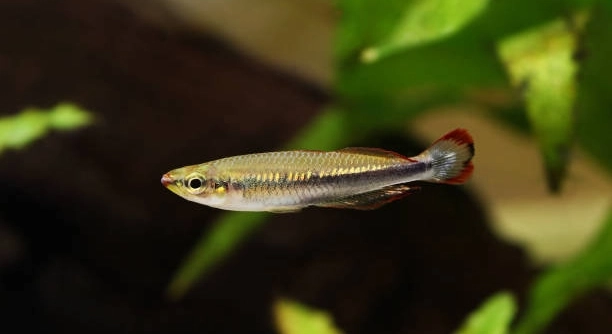
Do you ever find yourself setting up a rainbowfish tank that looks fine, yet the fish behave oddly and seem unsettled, even with clean water and regular care from day to day at home aquariums?
The primary reason rainbowfish become confused in aquariums is improper tank design, including unsuitable water flow, inconsistent lighting, overcrowding, incompatible tankmates, and excessive décor. These conditions disrupt natural schooling behavior, increase stress, and reduce feeding efficiency over time significantly overall.
Understanding these setup mistakes helps explain unusual behavior and leads toward calmer tanks, healthier rainbowfish, and more predictable aquarium routines.
Overcrowded Community Tanks
Overcrowded tanks are a common setup that leaves rainbowfish unsettled and disoriented over time. When too many fish share limited space, swimming patterns break down and social balance fades. Rainbowfish rely on open areas to school properly, and crowding removes that structure. Extra fish also increase waste, which affects water clarity and oxygen levels even with filtration. I have noticed that rainbowfish in tight tanks often hover near glass or dart without direction. This behavior reflects constant stimulation and limited retreat zones. Decorations pushed together to save space make movement harder instead of helpful. Even peaceful tankmates can add pressure simply by being present. A crowded aquarium looks active, but for rainbowfish, it quietly creates stress that interferes with natural behavior and long term health. Maintaining proper stocking levels supports calmer displays, clearer hierarchy, and consistent feeding responses that are easier to manage daily for both fish and keepers alike.
Many aquariums prioritize visual fullness, yet rainbowfish thrive with space and flow. Reducing stock numbers often improves color, behavior, and feeding. Fewer fish allow better water stability and clearer observation, making care routines simpler and more predictable. This change alone can transform tank dynamics noticeably over time and reduce stress.
Overcrowding is easy to overlook, especially when fish are small or newly introduced. Problems appear gradually as rainbowfish mature and require more swimming room. Growth increases activity and competition for space. Regularly reassessing tank population prevents long term imbalance. I have learned that removing even one or two fish can restore calm. Open swimming lanes matter more than decoration volume. Prioritizing space respects natural behavior and supports stronger immune response. Balanced stocking also makes maintenance easier, since filtration works efficiently and water changes remain consistent without constant adjustments. This approach keeps stress levels low as conditions remain stable for rainbowfish.
Improper Lighting and Décor Choices
Bright, inconsistent lighting combined with dense décor can overwhelm rainbowfish. Sudden light shifts disrupt daily rhythm, while cluttered layouts limit orientation. Together, these elements create confusion, leading to skittish movement, hiding, and reduced feeding consistency within the aquarium environment for sensitive species that depend on predictable surroundings daily routine stability.
Rainbowfish respond best to steady lighting cycles that mirror natural daylight. Timers help maintain consistency and prevent sudden changes that cause stress. Excessively bright lights wash out color and encourage constant motion. Dimmer, even lighting allows calmer schooling and clearer social cues. Décor plays a similar role. While plants and hardscape provide comfort, too many items fragment swimming space. I prefer simple layouts with open centers and planted edges. This gives rainbowfish clear paths and visual boundaries. Tall decorations placed randomly interrupt flow and create dead zones where fish hesitate. Background clutter can also distort reflections, causing repeated pacing along glass. Balanced design considers how fish move, not just how the tank appears. Testing different light durations and rearranging décor slowly helps identify what works. Small adjustments often produce noticeable improvements in behavior. When lighting and décor support natural patterns, rainbowfish display stronger color, smoother movement, and consistent feeding without constant intervention from the keeper. These refinements reduce erratic swimming and support long term stability. A calm environment benefits observation and routine maintenance. Simplicity often outperforms complexity in freshwater systems designed for active schooling species like rainbowfish, ensuring consistent behavior and easier long term care overall for keepers at home.
Poor Water Flow Management
Excessive or poorly directed water flow confuses rainbowfish and disrupts schooling. Strong currents force constant swimming and limit rest. Weak flow causes stagnation and uneven oxygen levels. I have seen fish hover awkwardly when flow patterns push them into corners without relief over extended periods daily within enclosed glass tanks.
Rainbowfish prefer moderate, consistent movement that mimics rivers and streams. When pumps are oversized, fish burn energy just maintaining position. This leads to fatigue, reduced feeding, and faded color. Poorly aimed outlets also break school formation, causing scattered swimming. I adjust flow by angling returns along the glass rather than directly through the tank. This creates circulation without pressure. Flow should reach all areas evenly, preventing debris buildup while allowing calm zones. Watching how fish swim is the best indicator. Smooth, coordinated movement shows balance, while constant darting suggests correction is needed over time in stable aquariums for rainbowfish care.
Inconsistent flow often comes from mixing equipment without planning. Powerheads, spray bars, and filters can conflict and create turbulence. I learned to test setups before adding fish, using floating food to track movement. Adjustments made early prevent stress later. Flow also changes as plants grow or décor shifts. Regular checks keep conditions steady. Rainbowfish respond quickly to improvements, showing tighter schools and calmer behavior. Maintaining flow stability supports oxygen exchange and waste removal. This balance reduces maintenance issues and keeps the tank predictable. Consistency matters more than strength when designing circulation for active schooling species in freshwater aquariums at home.
Incompatible Tankmates
Keeping rainbowfish with incompatible species creates constant confusion and tension. Fin nippers disrupt schooling, while aggressive fish dominate space. Shy species trigger erratic chasing. I avoid mixing rainbowfish with territorial tankmates. Even size differences matter, as larger fish alter swimming routes. Stress from poor pairing often appears as hiding, skipped meals, and uneven coloration. Compatibility shapes daily behavior more than décor or lighting choices. This imbalance affects long term stability within shared aquariums for rainbowfish.
Rainbowfish thrive with peaceful, similarly sized species that respect open swimming space. When tankmates compete for the same zones, rainbowfish lose structure and scatter. I select companions that prefer lower or upper levels to reduce overlap. Schooling fish with similar temperaments work best. Observation during feeding reveals issues quickly. If rainbowfish hesitate or retreat, the pairing likely fails. Rearranging décor rarely fixes social imbalance. Removing incompatible fish restores calm faster. Long term harmony depends on behavior, not appearance. Thoughtful stocking supports confidence, consistent movement, and reliable feeding patterns. This approach simplifies care and reduces the need for constant adjustments, creating a stable environment where rainbowfish display natural behavior daily. It also improves water quality and reduces stress indicators over time in community tanks consistently maintained.
High Traffic Tank Placement
Constant noise around the aquarium unsettles rainbowfish and disrupts normal behavior patterns. Loud televisions, speakers, or frequent tapping create vibrations that travel through glass. I noticed increased darting when tanks sat near busy rooms. These disturbances prevent rest periods and weaken consistent schooling responses over time daily within enclosed environments.
Placing aquariums near doors or hallways increases sudden movement and shadows. Rainbowfish react quickly to motion, mistaking it for threats. I moved one tank away from foot traffic and behavior improved. Choosing calm locations supports predictable routines, feeding consistency, and long term stability for sensitive species kept indoors daily consistently.
Unstable Water Temperature
Incorrect temperature ranges confuse rainbowfish metabolism and daily rhythm. Water kept too warm increases aggression and constant movement, while cooler temperatures slow feeding responses. I learned this after trusting a faulty heater. Even small swings cause stress. Using reliable heaters and thermometers keeps conditions stable. Placement matters, since heaters near flow distribute warmth evenly. Sudden changes during water changes also matter. Matching new water temperature prevents shock. Consistent temperature supports color, appetite, and immune response. Stability allows rainbowfish to form reliable schools and maintain predictable behavior. This reduces stress signs and simplifies long term care within home aquariums consistently managed.
Excessive Tank Rearranging
Frequent layout changes disrupt rainbowfish memory and spatial awareness. Rearranging décor too often removes familiar reference points. I limit adjustments and make small changes slowly. Stability helps fish recognize safe zones, maintain schooling paths, and reduce pacing behaviors that appear after repeated tank alterations in confined aquariums over time daily.
How do I know if my rainbowfish tank is overcrowded?
Overcrowding becomes obvious when fish struggle to swim freely or avoid each other constantly. Rainbowfish may hover near corners or glass instead of forming tight schools. I usually notice darting, color fading, and uneven feeding patterns. Checking the number of fish against recommended stocking guides helps. For standard aquariums, leaving ample open swimming space is key, even with small species. Decorations should not block movement or fragment schools. Observing behavior over several days often reveals stress before water quality issues appear. Consistent monitoring ensures that both social balance and environmental needs are met.
What are the best tankmates for rainbowfish?
Peaceful, mid-sized schooling species work best. I avoid aggressive or territorial fish that chase or nip fins. Compatible tankmates maintain open swimming lanes and similar activity levels. Species that occupy different tank levels reduce overlap and stress. Even color contrasts matter, as highly dominant or visually distracting fish can trigger defensive behavior. Observing interactions during feeding provides early signs of conflict. Adjusting species gradually helps rainbowfish adapt. Consistency in companions allows schooling behavior to remain natural, maintaining calm, coordinated movement. Choosing the right tankmates supports long term health and reduces stress-induced illness.
How often should I rearrange decorations in the tank?
Frequent rearrangement confuses rainbowfish because they rely on familiar reference points. I only move décor occasionally and in small increments. Too many changes cause pacing, hiding, or scattering. Plants, rocks, and hardscape should remain mostly consistent. Minor adjustments for cleaning or plant growth are fine, but sudden large shifts disrupt schooling patterns. Fish gradually learn to navigate new layouts when changes are slow. Stability helps them identify safe zones and resting areas. Consistent spatial cues allow rainbowfish to swim naturally and interact confidently with tankmates, promoting predictable feeding and behavior.
What is the ideal water flow for rainbowfish?
Moderate, even water flow works best. Strong currents tire fish and break up schools, while stagnant areas reduce oxygen and trap debris. I position pumps and filters to create gentle circulation without pushing fish directly into corners. Spray bars angled along glass often produce balanced flow. Observation is key: smooth schooling indicates proper conditions, constant darting signals adjustment is needed. Flow consistency matters more than strength, as sudden changes disrupt feeding and color display. Open swimming zones in combination with gentle circulation ensure fish can rest, exercise, and maintain predictable patterns. Proper flow also supports filtration and water quality, benefiting long term health.
How can I manage tank lighting to reduce stress?
Steady, predictable lighting cycles help rainbowfish maintain normal behavior. Sudden shifts or overly bright lights cause hiding, darting, or skittishness. I use timers to maintain a day-night schedule, and dimmer lighting highlights color without overwhelming. Light placement matters: overhead fixtures should distribute evenly across the tank. Plants and décor can diffuse intensity naturally. Gradual changes when adjusting lighting prevent shock. Consistent lighting supports feeding schedules, schooling, and social interactions. Observation shows calmer, coordinated movement when lighting matches natural rhythms. This also reduces stress-related disease and encourages long term vitality for rainbowfish.
What temperature range is best for rainbowfish?
Rainbowfish thrive between 74°F and 82°F (23°C–28°C). Temperatures above this increase activity and aggression; lower temperatures reduce feeding and movement. I check heaters and thermometers daily, especially during seasonal changes. Sudden shifts during water changes cause shock, so new water should match tank temperature closely. Maintaining stable temperatures helps fish show natural colors, maintain appetite, and school consistently. Proper heating placement ensures even distribution. Stability in temperature reduces stress, supports immune function, and prevents erratic behavior. Predictable warmth combined with consistent water quality creates a comfortable environment for rainbowfish to thrive over the long term.
What are the signs that my rainbowfish are stressed from tank conditions?
Stressed rainbowfish exhibit darting, hiding, faded colors, or uneven schooling. They may skip meals, linger in corners, or show aggression toward tankmates. I watch behavior during feeding and throughout the day to detect subtle changes. Stress often appears before water quality problems are noticeable. Observing fish over multiple days provides clearer patterns. Addressing flow, temperature, lighting, or tankmate issues usually restores calm behavior. Consistent environment and minimal disturbances are key. Early recognition allows adjustments before long-term health is affected. Maintaining stability in all tank aspects supports vibrant coloration, active schooling, and predictable daily patterns for rainbowfish consistently.
How can I prevent water quality issues that confuse rainbowfish?
Regular water changes, proper filtration, and monitoring ammonia, nitrite, and nitrate levels prevent confusion and stress. Overcrowding increases waste, so keeping stock levels balanced is essential. I test water weekly and remove debris promptly. Even minor chemical imbalances disrupt schooling and feeding. Clean filters and circulation help maintain oxygen and remove toxins. Stable water parameters support metabolism, growth, and color display. Using reliable equipment and keeping a maintenance schedule prevents sudden swings. Rainbowfish thrive in predictable, clean water where behavior is consistent and natural, reducing erratic swimming, hiding, or aggression due to environmental stressors over time.
Rainbowfish are beautiful and active fish, but their behavior can easily reflect problems with tank setups that are often overlooked. Overcrowding, incompatible tankmates, poor water flow, and sudden changes in décor or lighting all affect how these fish move, eat, and interact. When a tank is properly balanced, rainbowfish display natural schooling patterns, vibrant coloration, and calm behavior. Observing their daily activity provides valuable insight into whether the environment meets their needs. Even small adjustments, like reducing stock levels, repositioning décor, or adjusting light cycles, can have noticeable effects on behavior and overall health. Attention to these details ensures that rainbowfish can thrive in a stable, predictable environment, which benefits both the fish and the keeper’s ability to manage the aquarium efficiently over time.
Maintaining stable water conditions is equally important. Temperature, oxygen levels, and water quality directly influence metabolism, feeding, and stress responses in rainbowfish. Sudden fluctuations or improperly sized heaters can disrupt behavior and even cause long-term health issues. I have seen calmer, healthier schooling behavior emerge simply by correcting temperature inconsistencies and improving circulation. Filtration, moderate water flow, and regular water changes maintain a safe environment that supports activity, color, and immune response. By keeping a consistent routine and carefully monitoring water parameters, the tank becomes more predictable for the fish, reducing erratic movements, hiding, or aggression caused by stress. Predictability is key, and even minor improvements in water management can create a more natural setting where rainbowfish feel secure and confident.
Behavioral patterns also rely on simplicity and consistency in the tank layout. Rainbowfish benefit from open swimming areas and minimal sudden changes, allowing them to establish familiar reference points and clear routes for schooling. Excessive decorations or frequent rearrangements cause confusion, while a thoughtful, stable layout encourages natural movement and social behavior. Choosing compatible tankmates further supports calm interaction, reducing stress and maintaining order within the school. Each decision—from stocking numbers and décor placement to water flow and lighting—works together to create a cohesive environment. When all these factors are balanced, rainbowfish demonstrate stable routines, vibrant appearance, and predictable social interactions. Careful observation, gradual adjustments, and consistent management help create an environment where rainbowfish can thrive comfortably, making tank maintenance simpler and the fish healthier and more active overall.

Hello,
If you enjoy the content that we create, please consider saying a "Thank You!" by leaving a tip.
Every little bit helps us continue crafting quality advice that supports the health, happiness, and well-being of pets around the world, for pets of all shapes, sizes, and species.
We really appreciate the kindness and support that you show us!