
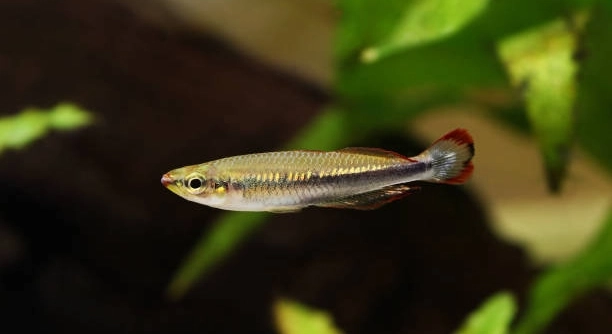
Rainbowfish are known for their bright colors and active swimming, making them a popular choice for home aquariums. Many owners notice that these fish appear calmer when kept with other fish in the tank.
Rainbowfish often exhibit reduced stress and more stable behavior when housed with compatible tankmates. Social interaction and the presence of other fish help distribute attention, minimize aggression, and create a more balanced environment that promotes natural swimming patterns.
Observing how rainbowfish interact with their companions can reveal important insights into maintaining a healthy aquarium. Understanding these behaviors ensures a more harmonious and visually appealing tank.
Understanding Rainbowfish Social Behavior
Rainbowfish naturally thrive in groups, and observing them alone can be quite different from seeing them in a small school. When kept with compatible tankmates, they tend to swim more confidently and display calmer movements. In solitary conditions, they may dart or hide more often, indicating stress or uncertainty. Their bright colors can fade slightly when they are anxious, and their appetite may decrease. Group interactions provide mental stimulation and reduce repetitive or erratic swimming patterns. A tank with multiple rainbowfish or compatible species can create a sense of security, making each fish feel less threatened by sudden movements or changes in the environment. Even small groups of three or four can significantly improve their overall activity and coloration. Tank decorations, hiding spots, and balanced lighting also influence their comfort levels. Creating a stable and predictable environment enhances their natural behaviors, making them easier to care for and more enjoyable to watch.
Social schooling reduces individual stress and encourages natural swimming patterns. Fish feel safer in a group, which positively affects their overall health.
Observing rainbowfish interact with tankmates is fascinating. They often mirror movements, creating a coordinated rhythm that appears almost choreographed. This synchronization reduces aggressive displays and helps maintain territorial boundaries without physical confrontations. Tankmates provide a reference for movement, so sudden environmental changes are less shocking. Over time, calmer behavior becomes a standard part of their daily routine. Understanding these dynamics can help plan tank layouts and select compatible species that enhance both aesthetics and fish well-being. Proper feeding schedules and water maintenance further support social harmony, keeping rainbowfish lively and colorful.
Choosing Compatible Tankmates
Selecting tankmates that share similar size and temperament is key to a peaceful aquarium. Aggressive or overly shy species can disrupt social balance and stress rainbowfish.
When introducing rainbowfish to a community tank, consider species with comparable swimming speeds and environmental needs. Fast, territorial fish can intimidate rainbowfish, causing them to hide or overreact to minor stimuli. Mid-sized, peaceful fish often coexist well, reducing competition for food and space. Avoid crowded conditions, as excessive population density can increase stress and aggression. Observing initial interactions and adjusting tank setups gradually ensures stability. Plants, driftwood, and open swimming areas allow each species to establish its preferred zones. Lighting and water temperature should suit all inhabitants to prevent health issues. Regular monitoring during the first few weeks of introduction helps detect conflicts early. Balancing group sizes, providing enrichment, and maintaining consistent water parameters create a calm, visually appealing environment where rainbowfish and their tankmates thrive together without unnecessary stress or tension.
Maintaining a Calm Environment
Consistent water conditions play a major role in keeping rainbowfish calm. Sudden temperature changes or poor water quality can trigger stress, even if they have compatible tankmates. Regular testing and gradual adjustments help maintain stability and overall fish health.
Stable water parameters reduce erratic behavior and support natural coloration. Rainbowfish are sensitive to fluctuations in pH, ammonia, and nitrate levels. Filtration, partial water changes, and monitoring temperature ensure the tank remains comfortable. Avoid overcrowding, as it can cause competition for swimming space and increase stress. Plants and hiding spots provide additional security, helping fish feel less exposed. Combining environmental stability with compatible tankmates results in calmer, healthier rainbowfish that display their natural, vibrant behavior consistently.
Behavioral patterns also reflect environmental comfort. When conditions are steady, rainbowfish spend more time swimming openly and less time hiding or darting. Proper feeding schedules, low-stress lighting, and enrichment with plants or decorations help reinforce calm behaviors. Observing these patterns allows adjustments to tank care routines, ensuring a balanced and peaceful aquarium environment for all inhabitants.
Feeding Practices That Reduce Stress
Regular and appropriate feeding prevents aggression and anxiety among rainbowfish. Unequal access to food can cause competition, increasing stress levels and impacting behavior.
Rainbowfish respond well to a consistent feeding routine. Offering small amounts multiple times a day ensures all fish get adequate nutrition. Mixing flake foods with frozen or live options provides variety while encouraging natural foraging behaviors. Overfeeding should be avoided, as leftover food can pollute water and affect fish health. Slow dispersal of food allows shy individuals to eat comfortably without being chased or intimidated. Feeding zones should be spread throughout the tank to reduce territorial disputes and promote social harmony. A stable diet, combined with a calm environment and compatible tankmates, creates a more balanced and peaceful aquarium where rainbowfish exhibit their natural colors and behaviors consistently.
Tank Layout and Space
Providing enough open swimming space is essential for rainbowfish to feel secure. Crowded tanks can lead to stress and aggressive behavior. Plants, rocks, and decorations should be arranged to offer both hiding spots and open areas for free swimming.
A balanced tank layout allows fish to establish territories without constant conflict. Vertical and horizontal space should be considered, giving timid fish room to retreat. Avoid clustering decorations in one area, as it can create bottlenecks and trigger chasing or darting behavior. Open zones encourage natural schooling and movement, while strategically placed plants and rocks provide comfort and security, supporting calmer interactions among all tank inhabitants.
Lighting and Visual Comfort
Moderate lighting helps reduce stress for rainbowfish. Harsh or fluctuating light can startle fish and cause hiding or erratic swimming.
Observation and Adjustment
Monitoring rainbowfish daily allows early detection of stress or behavioral changes. Noticing subtle signs ensures timely adjustments to their environment.
Water Circulation
Gentle water flow keeps oxygen levels consistent without overwhelming the fish. Strong currents can tire rainbowfish and increase agitation.
FAQ
Why do rainbowfish seem calmer with tankmates?
Rainbowfish are naturally social creatures. Being in groups helps reduce stress and creates a sense of security. When alone, they may dart around or hide more often, but the presence of other fish allows them to swim confidently and display more natural behaviors.
How many rainbowfish should I keep together?
A minimum of five to six is recommended for small tanks. This number allows them to form a proper school, distribute attention evenly, and reduce aggressive or erratic behavior. Larger groups are even better, as long as the tank is spacious enough to prevent overcrowding.
Can rainbowfish live with other species?
Yes, but choosing compatible tankmates is essential. Peaceful, mid-sized fish with similar swimming speeds work best. Avoid aggressive, territorial, or very shy species, as they can disrupt social balance and increase stress among rainbowfish.
Does tank size affect their calm behavior?
Absolutely. Rainbowfish need ample swimming space. Overcrowded tanks can lead to competition for territory and food, causing stress. A well-structured layout with open areas and hiding spots helps maintain peaceful interactions and promotes natural schooling behavior.
How does water quality impact their temperament?
Stable water conditions are critical. Sudden changes in temperature, pH, or nitrate levels can trigger stress. Regular testing, proper filtration, and partial water changes keep the environment stable, supporting calmer, healthier rainbowfish.
Do decorations help reduce stress?
Yes. Plants, rocks, and driftwood provide hiding spots and break up the tank visually. This allows timid fish to feel secure and gives more active fish areas to explore, which balances the group and reduces erratic movements.
How often should I feed them?
Frequent, small meals are best. Feeding two to three times daily ensures all fish get adequate nutrition without overcrowding one area. Mixing flake foods with frozen or live options encourages natural foraging behaviors and keeps the school calm during feeding.
Does lighting affect rainbowfish behavior?
Moderate lighting supports calmer behavior. Harsh or fluctuating light can startle fish, causing hiding or rapid swimming. Providing consistent, gentle light mimics natural conditions and helps rainbowfish feel secure.
Can water flow make them stressed?
Yes. Gentle water circulation is ideal. Strong currents can tire rainbowfish and make them more anxious. Ensuring consistent oxygenation without overwhelming flow helps maintain a relaxed swimming pattern.
How can I tell if a rainbowfish is stressed?
Signs include hiding frequently, darting suddenly, losing color, or refusing food. Observing these behaviors early allows for adjustments in tankmates, layout, water quality, or feeding routines, ensuring the fish return to calmer, healthier behavior patterns.
Is schooling important even in larger tanks?
Yes. Rainbowfish still need company, regardless of tank size. Schooling provides mental stimulation, reduces fear of sudden movements, and helps maintain even swimming patterns, which supports overall well-being and natural coloration.
Can seasonal changes in the aquarium affect them?
Seasonal temperature shifts or light variations can influence behavior. Maintaining stable water conditions, consistent lighting, and gradual adjustments to temperature prevents stress and ensures rainbowfish remain calm and active.
Are some rainbowfish species calmer than others?
Yes. Species like Boesemani rainbowfish tend to be more confident in groups, while smaller or more timid species may show increased hiding if not in proper schools. Knowing species-specific behaviors helps plan compatible tankmates and group sizes.
How long does it take for rainbowfish to settle with new tankmates?
It can take a few days to a few weeks. Initial curiosity or minor chasing is normal, but as they establish social hierarchies and territories, calmer, synchronized swimming becomes evident. Gradual introductions help reduce stress during this period.
What are common mistakes that stress rainbowfish?
Overcrowding, incompatible tankmates, poor water quality, irregular feeding, and abrupt environmental changes are the main causes. Avoiding these issues and observing daily behavior ensures a more peaceful, stable environment for the fish.
Does diet influence stress levels?
Yes. Balanced nutrition supports overall health, which indirectly reduces stress. Inadequate feeding or sudden changes in diet can trigger competition, causing anxiety or aggression among rainbowfish. Regular, varied meals promote calm, natural behavior.
Can rainbowfish calm each other?
They can. Schooling allows individual fish to mirror movements and distribute attention. This social interaction reduces aggression, fear responses, and erratic swimming, creating a more harmonious tank environment.
Are there any behavioral signs of happiness in rainbowfish?
Active swimming in open areas, bright coloration, synchronized schooling, and interest in food are indicators. Calm, confident movements around tankmates suggest a healthy and comfortable environment, reflecting both social and environmental satisfaction.
Do rainbowfish prefer certain tank layouts?
Yes. Open swimming areas combined with scattered plants or rocks work best. This layout balances exploration and security, allowing fish to establish territories without conflict and supporting calm, natural behavior.
Is it important to observe them daily?
Daily observation is key. Noticing changes in color, swimming patterns, or interactions helps detect stress early. Prompt adjustments to tankmates, environment, or feeding routines ensure rainbowfish remain healthy, social, and calm over time.
Final Thoughts
Rainbowfish are naturally social creatures, and their behavior reflects the environment they live in. When housed with compatible tankmates, they tend to appear calmer, swim more confidently, and display brighter colors. Observing them alone can sometimes give the impression of restlessness, but adding other peaceful fish creates a sense of security that helps them relax. Small groups are sufficient for many species, while larger schools provide even more stability. Ensuring that all fish have space to move freely and hiding spots to retreat to makes a noticeable difference in their overall demeanor. Open swimming areas combined with plants or rocks allow them to explore without feeling threatened. In a well-structured tank, rainbowfish can showcase natural swimming patterns that are smooth and coordinated. This balance between social interaction and environmental comfort supports both physical and mental health, making them more enjoyable to watch and care for.
Water quality and consistency are equally important in maintaining calm behavior. Rainbowfish are sensitive to sudden changes in temperature, pH, and nitrate levels, which can trigger stress even in a group setting. Regular testing and partial water changes help keep conditions stable and predictable. Gentle water circulation ensures proper oxygenation without overwhelming the fish, while moderate lighting avoids startling them or causing hiding behavior. Feeding practices also influence stress levels. Frequent, small meals of varied foods encourage natural foraging and reduce competition. Spreading food throughout the tank allows shy individuals to eat without being chased, further promoting calm interactions. Paying attention to these details and adjusting gradually when necessary helps maintain a peaceful and healthy environment. Over time, calm and confident behavior becomes standard, reflecting both social and environmental stability.
Choosing compatible tankmates is another key factor. Rainbowfish do best with species that share similar swimming speeds, temperament, and size. Aggressive or very timid fish can disrupt social harmony, causing stress or hiding behavior. By observing initial interactions and adjusting group sizes, you can ensure all inhabitants coexist peacefully. Balanced tank layouts, proper feeding routines, and stable water conditions all contribute to a harmonious aquarium. Observing rainbowfish regularly allows you to notice subtle changes in behavior and address issues early. When these elements are combined, rainbowfish not only remain calm but also display vibrant colors and active, natural behavior. Caring for rainbowfish in a social, well-maintained environment provides a more visually appealing and rewarding aquarium experience.

Hello,
If you enjoy the content that we create, please consider saying a "Thank You!" by leaving a tip.
Every little bit helps us continue crafting quality advice that supports the health, happiness, and well-being of pets around the world, for pets of all shapes, sizes, and species.
We really appreciate the kindness and support that you show us!