
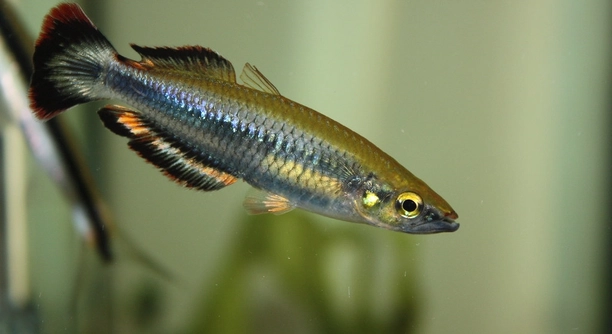
Have you ever watched your rainbowfish swim across the tank and wondered if it feels at ease around you, noticing changes in its movements and colors whenever you walk by or pause to observe it?
Rainbowfish show comfort and attachment through relaxed swimming patterns, brighter coloration, and steady engagement near the front of the tank. When these behaviors appear consistently, they indicate that the fish recognizes your presence and responds with familiarity in predictable interactions.
This gentle connection adds warmth to your routine, encouraging you to notice subtle patterns that make interaction feel more meaningful.
Understanding Their Daily Behavior
Learning how rainbowfish behave during normal days helps you understand small signs that show comfort around you. I notice mine swimming with a calm rhythm when I approach the tank, holding a steady path without sudden bursts. This simple pattern often means the fish feels safe. You may also see gentle color shifts that appear brighter as it becomes more comfortable in your presence. These changes happen slowly, yet they reveal a relaxed state that develops over time. Paying attention to these signals helps you keep track of how your fish responds to movement near the tank. When behaviors become consistent, you gain a clearer sense of its comfort. Observing these moments can feel peaceful, giving you a small connection that grows with repeated interaction. Noticing these patterns each day builds familiarity that strengthens your awareness of its needs, allowing you to support a calm environment that encourages comfortable behavior.
Small daily habits shape how your rainbowfish responds to your presence, so keeping the tank stable makes a noticeable difference. When the water stays clean, the lighting remains consistent, and movements around the tank are gentle, your fish settles into calm routines that reflect steady comfort near you each day.
When you observe your rainbowfish with patience, you begin to notice how predictable patterns form over time. These patterns help you understand when it feels relaxed in your care. Calm swimming near the front of the tank often shows it has grown used to your presence. Soft color shifts can also appear when it feels secure. By watching how it moves during feeding, you learn whether it connects your presence with safety. This steady behavior supports a trusting atmosphere. You can use these observations to make adjustments that encourage comfort and allow your fish to maintain stable habits each day.
Encouraging Positive Interaction
Creating a calm setting makes interaction easier for your rainbowfish, and simple routines help reinforce comfort. Gentle feeding, steady lighting, and predictable movements near the tank allow it to adjust without stress, building a smoother pattern of behavior that reflects steady recognition of your presence in your daily care routine.
Supporting positive interaction begins with maintaining a tank environment that stays consistent throughout the day. Stable lighting, clean water, and balanced feeding schedules help your rainbowfish feel safe, allowing it to respond to your presence with ease. When I move slowly near the glass, I notice my rainbowfish swimming closer rather than hiding. This simple behavior shows that it has grown used to calm motions around the tank. Repeating gentle routines encourages the fish to associate you with stability rather than sudden change. Offering food in a quiet setting also builds familiarity, since predictable feeding helps your fish recognize you as part of its regular environment. Over time, these steady routines create a peaceful rhythm that your rainbowfish learns to trust. You can support this trust by avoiding sudden noise, keeping tank decor arranged in familiar patterns, and maintaining consistent care habits. When your interactions remain smooth and controlled, your rainbowfish responds with relaxed movement and steady interest. These small steps strengthen the connection and guide your fish toward comfortable behavior that continues to grow. With regular attention and calm actions, you create an environment that supports gentle responses and reinforces a stable bond that remains steady through everyday care.
Recognizing Their Comfort Signals
Rainbowfish show comfort through calm swimming, steady colors, and consistent movement near the front of the tank. When these signs appear often, it usually means they feel safe. I notice these patterns more when the environment stays stable and quiet throughout the day.
A comfortable rainbowfish moves with smooth motions that stay steady even when you approach the tank. You may notice brighter colors during peaceful moments, showing that it feels secure in its space. Mine often lingers near the middle or front when relaxed, maintaining slow patterns that stay predictable. These small signs create a gentle rhythm you can follow each day. Paying attention to these details helps you form a clearer understanding of how your fish behaves when it feels settled. Over time, you grow more familiar with its habits, making it easier to recognize when comfort increases or decreases based on the environment around it.
Rainbowfish also show comfort through feeding behavior. When they associate your presence with calm routines, they swim toward the surface or front during feeding without hesitation. I often see mine waiting near the same spot once it learns the schedule. This predictable response suggests it feels secure around movement near the tank. Regular feeding times support these patterns. If the fish stops eating or hides more often, it can indicate stress, but steady participation in feeding usually reflects trust. These small interactions build a soft connection that grows through consistency and gentle care, making each feeding moment feel more encouraging.
Building Trust Through Routine
Trust forms when the environment stays predictable. Stable lighting, gentle feeding habits, and slow motions around the tank help your rainbowfish learn that your presence brings no sudden changes. I see calmer behavior when I keep daily tasks smooth and avoid interruptions that disturb its rhythm.
Trust becomes easier to support when the tank remains a calm place without abrupt changes in sound or movement. A rainbowfish responds to steady routines by showing relaxed patterns that become familiar over time. I notice mine swimming near the front of the tank whenever I enter the room at the usual hours. Simple habits like approaching the tank slowly, maintaining clean water, and feeding at the same times help strengthen this comfort. When the environment stays stable, your fish adapts with ease, showing brighter colors and smoother movement. Even small details, such as keeping decorations in the same place, help your fish feel grounded. With consistent care, these routines reinforce a calm relationship and allow trust to build naturally.
Small Signs of Affection
Rainbowfish show small signs of recognition when they remain near the front of the tank as you walk by. I notice gentle shifts in their movement during quiet moments, and these subtle patterns often reflect growing comfort that develops slowly through stable care.
Soft behaviors, such as hovering near familiar spots or maintaining steady colors, can show that your fish feels secure. Mine reacts with smoother motions during feeding when it has adjusted well. These actions remain calm and predictable, which makes it easier to understand how it responds to your presence.
How Stress Changes Their Behavior
Stress alters rainbowfish behavior in noticeable ways, making it important to watch for small shifts. Hiding more than usual, fading colors, or darting movements often appear when something feels off in the tank. I pay close attention when these signs show up, because they usually point to a change in water quality or an environmental disruption. Keeping track of these behaviors helps you respond quickly. A calm rainbowfish returns to smooth swimming once conditions improve. When you maintain stable routines, it becomes easier to prevent stress and support steady comfort in its environment.
When Comfort Begins to Grow
Comfort becomes clearer when your rainbowfish moves toward you with steady patterns during routine care. I notice this most during feeding or quiet hours, when its motions stay smooth and familiar, showing a growing sense of ease around gentle daily interactions.
How can I tell if my rainbowfish is comfortable around me?
A rainbowfish shows comfort through calm swimming, predictable patterns, and brighter coloration when it is near you. Mine often lingers near the front of the tank or follows familiar spots when I approach. These behaviors appear gradually, reflecting that it feels safe in a consistent environment. Paying attention to repeated movements helps track comfort levels effectively.
Why does my rainbowfish hide when I am nearby?
Hiding usually signals stress rather than dislike. Changes in water quality, temperature, or lighting can make your fish feel unsafe. I’ve noticed that even small disturbances like sudden noise or moving the tank can trigger hiding. Restoring calm and predictable routines helps the fish feel secure again.
Is it normal for my rainbowfish to ignore me sometimes?
Yes, rainbowfish are naturally cautious and can be focused on swimming, exploring, or feeding. I observe mine ignoring my presence when it is exploring tank decorations or interacting with other fish. Ignoring doesn’t mean it dislikes you; it just reflects natural behavior and curiosity.
How can I encourage my rainbowfish to interact more?
Slow, consistent approaches and gentle feeding routines encourage interaction. I feed my fish at regular times and maintain stable lighting, which makes it swim toward the front during meals. Over time, predictable routines help your rainbowfish associate your presence with safety and calm.
Do rainbowfish show signs of recognition?
Yes, recognition appears in repeated behaviors like swimming toward you or following familiar movements. Mine often hovers near the front when I walk by at usual hours. This steady pattern shows it has learned to associate my presence with a safe environment.
Can water conditions affect how my rainbowfish reacts to me?
Absolutely. Poor water quality, high ammonia, or temperature fluctuations increase stress and reduce positive responses. I noticed my fish becoming more cautious when the tank wasn’t properly maintained. Clean, stable water encourages calm swimming and predictable comfort-related behaviors.
Why does my rainbowfish change color around me?
Color changes can reflect mood and comfort. Brighter colors often indicate contentment, while dull colors suggest stress or discomfort. I see mine brighten subtly when it feels secure near the tank front, showing that these shifts provide insight into its comfort level.
How long does it take for a rainbowfish to get used to me?
Adjustment times vary, often from a few days to several weeks. I’ve noticed that repeated, calm interactions accelerate comfort, but sudden changes can slow progress. Consistency in care, feeding, and gentle presence ensures your fish gradually adapts to recognize you.
Can rainbowfish become attached to one person?
Yes, they can show preference toward familiar caretakers. Mine responds more to my presence than to others handling the tank. This attachment develops through predictable routines, calm behavior, and gentle interaction, reinforcing trust over time.
What should I avoid to keep my rainbowfish comfortable?
Avoid sudden movements, loud noises, and inconsistent feeding schedules. I’ve learned that even small disruptions, like rearranging decorations often, can cause stress. Maintaining stable water conditions, gentle care, and calm interaction ensures the fish feels secure and more responsive.
Do rainbowfish respond differently to multiple people?
Yes, they often respond more to the person they see most consistently. Mine stays near me during feeding, but other people may not get the same reaction. Repeated gentle presence and calm routines build recognition and predictable comfort with the main caretaker.
Can observing behavior predict future comfort levels?
Observing consistent patterns provides clues about comfort and stress levels. I track swimming habits, color changes, and position in the tank. When these behaviors remain steady, it signals that the fish is comfortable, helping you plan care to maintain a calm environment.
Is it normal for rainbowfish to test boundaries?
Yes, cautious exploration and occasional hesitation are normal. Mine sometimes retreats briefly when I approach quickly, then returns once it senses calm. These small tests are part of learning what is safe and help establish trust gradually.
How can I build a long-term connection with my rainbowfish?
Consistency in feeding, tank maintenance, and gentle presence fosters trust over months. I notice smoother, predictable swimming and brighter colors as a result. Steady routines and calm, patient observation create an environment that encourages the fish to feel secure and respond positively.
Are there specific behaviors that indicate strong attachment?
Strong attachment appears as consistent swimming near the front, gentle color brightening, and waiting for food at usual times. I often see mine following predictable spots during calm periods. These behaviors show recognition and comfort, reflecting that the fish feels secure around familiar presence.
How do social dynamics in the tank affect interaction with me?
Other fish can influence comfort levels. I’ve noticed that dominant or aggressive tankmates sometimes cause hiding, while peaceful companions encourage relaxed behavior. Ensuring compatible tankmates supports steady swimming patterns and improves positive interactions with you.
Can rainbowfish remember who feeds them?
Yes, they associate consistent feeding routines with specific people. Mine swims toward me during regular meal times, showing recognition. This memory strengthens over weeks, helping your fish anticipate interactions and respond with calm, familiar behavior.
What role does patience play in building comfort?
Patience is essential. Sudden movements or frequent disruptions slow progress. I focus on slow approaches and gentle feeding to encourage trust. Over time, patient, consistent care allows rainbowfish to show steady behaviors, indicating comfort and recognition of your presence.
Is it possible for rainbowfish to lose trust?
Yes, sudden changes in environment, water quality, or abrupt handling can reduce trust. I’ve observed that after disruptions, fish may hide or swim erratically. Returning to calm routines and maintaining stability helps rebuild confidence and restore comfort levels.
How can I reinforce positive behavior daily?
Daily reinforcement comes from predictable feeding, calm presence, and gentle interaction. I approach the tank slowly, maintain water quality, and feed at regular intervals. These habits strengthen recognition, comfort, and steady responses, encouraging your rainbowfish to continue displaying relaxed and familiar behaviors.
How do I know my rainbowfish feels safe around me?
Signs of safety include consistent front-of-tank swimming, bright colors, and calm behavior during feeding or quiet hours. Mine often maintains predictable patterns near my usual approach points. Observing these steady responses confirms comfort and shows that gentle, consistent care fosters security over time.
What small details make the biggest difference in comfort?
Stable water conditions, regular feeding, calm movements, and predictable routines have the greatest impact. I find that minor adjustments, like keeping decorations consistent or avoiding sudden changes, produce noticeable improvements in swimming patterns, color, and overall behavior, indicating a more secure and comfortable fish.
How do I interpret subtle shifts in movement?
Subtle shifts, like hovering longer near the front or slowing movements, often signal contentment or curiosity. I track these patterns over days to determine comfort trends. Consistent calm behavior suggests that the fish recognizes you and feels safe, while erratic movements may indicate stress or environmental changes.
How important is consistency in care?
Consistency is key to building trust. I maintain feeding schedules, water quality, and gentle presence daily. Rainbowfish respond to these routines by swimming predictably and showing steady colors. Regular care ensures the fish feels secure and supports long-term comfort and familiarity with your presence.
Can rainbowfish show affection without feeding cues?
Yes, calm swimming near you, steady color, and hovering in familiar spots demonstrate comfort beyond feeding times. I notice mine doing this during quiet hours, reflecting recognition and a sense of security independent of food, which highlights their awareness of a consistent, safe environment.
Does tank size influence interaction?
Tank size affects comfort and visibility. Larger tanks allow exploration but can make it harder for the fish to approach you consistently. I’ve found that providing adequate space with clear sightlines helps rainbowfish feel secure while maintaining predictable swimming patterns and interaction near your presence.
How can I track progress over time?
Keeping notes on swimming patterns, color intensity, and proximity to you helps monitor comfort. I observe my fish daily and record consistent behaviors. Gradual improvements, such as approaching during feeding or displaying steady colors, indicate growing trust and comfort, helping you adjust care practices for long-term stability.
What are signs my rainbowfish is fully comfortable?
Full comfort appears as steady front-of-tank swimming, predictable feeding behavior, bright colors, and calm hovering during your presence. Mine often follows familiar paths without sudden movements. These behaviors show that it feels secure, responds to consistent routines, and has adapted well to a stable environment.
How do I maintain comfort once established?
Maintaining comfort requires continued stable routines, calm presence, and regular water care. I avoid abrupt changes, loud noise, and sudden handling. By keeping the tank predictable and offering gentle interaction daily, your rainbowfish remains relaxed, shows steady behavior, and continues to respond positively to your presence.
How do environmental changes affect comfort?
Environmental changes, such as lighting, water quality, or decor adjustments, can temporarily stress your rainbowfish. I notice hiding or color fading during such changes. Returning to stable conditions helps restore calm behavior, showing that maintaining predictability in the tank environment directly supports ongoing comfort and trust.
Can rainbowfish distinguish between people?
Yes, they respond more to familiar caretakers. Mine swims toward me during feeding, but others get less attention. This recognition grows through repeated presence, consistent routines, and gentle handling, helping the fish associate specific individuals with calm and predictable care, strengthening comfort over time.
Does social interaction within the tank affect comfort with humans?
Yes, peaceful tankmates encourage relaxed behavior near humans, while aggressive companions can cause hiding. I observe smoother, predictable swimming when all fish coexist calmly. Ensuring compatible species and minimizing conflicts supports positive interaction with you, reinforcing comfort and predictable, calm responses during routine care.
How long does it take for rainbowfish to feel secure long-term?
Long-term security develops gradually, often over weeks or months. I notice steady swimming patterns, bright coloration, and consistent approach behavior after maintaining stable routines. Patience, calm presence, and predictable care allow rainbowfish to feel safe consistently, reflecting trust and comfort that grows steadily with repeated positive experiences.
Can rainbowfish react to mood changes in their caretaker?
Yes, they are sensitive to sudden movements, loud noises, or inconsistent handling. I notice my fish becomes cautious when I move quickly or disrupt the tank. Maintaining a calm, gentle presence helps them stay relaxed, reinforcing trust and steady comfort despite small mood fluctuations in their caretaker.
Do rainbowfish ever test limits as trust builds?
Yes, cautious exploration or temporary hiding can occur even with familiar caretakers. Mine sometimes retreats briefly, then returns once it senses calm. These behaviors show awareness and learning, helping establish predictable routines and trust while ensuring comfort gradually increases in a safe environment.
Can rainbowfish show preference for certain interactions?
Yes, they respond more positively to calm feeding, gentle presence, and familiar approaches. I notice my fish swimming closer during these moments, while ignoring less predictable actions. Preference develops through consistency, reinforcing comfort, and steady recognition, allowing the fish to associate specific behaviors with security.
Is it normal for rainbowfish to retreat after interaction?
Yes, temporary retreat is natural. Even when comfortable, my fish sometimes moves to a safe spot before returning to the front. These small breaks do not indicate dislike; they are part of natural behavior, helping the fish regulate stress and maintain overall comfort with a predictable routine.
How can I tell the difference between stress and shyness?
Stress shows as erratic swimming, color fading, or constant hiding. Shyness involves cautious movement but returns once calm conditions are restored. I observe patterns over time; steady, predictable behavior after initial hesitation indicates shyness rather than stress, reflecting comfort growth rather than environmental issues.
What role does feeding routine play in comfort?
Feeding routine reinforces recognition and trust. I feed my fish at consistent times, which encourages swimming toward me predictably. Predictable meals help it associate my presence with calm and safety, supporting steady behaviors, bright coloration, and a sense of comfort that extends beyond feeding moments.
How do I respond to sudden changes in behavior?
Monitor water quality, tank conditions, and recent disturbances. I adjust routines gently and restore calm when my fish behaves erratically. Maintaining stable conditions helps the fish recover quickly, demonstrating that predictable care and consistent environment support comfort and reduce stress-related reactions.
Can observing body language provide insight?
Yes, body position, swimming speed, and color shifts all reveal comfort levels. I track these details daily. Calm, smooth movements and bright colors indicate contentment, while rapid swimming or hiding signals stress. Careful observation allows you to understand subtle reactions and adapt care for long-term comfort.
How do I keep my rainbowfish comfortable long-term?
Consistency is key: stable water, predictable feeding, calm presence, and gentle interaction. I maintain these habits daily. Predictable routines, combined with patient observation, allow my fish to remain relaxed, responsive, and secure in its environment, reflecting steady comfort and trust over the long term.
Does tank layout influence comfort?
Yes, familiar decor and hiding spots support security. I avoid frequent rearrangements, allowing my rainbowfish to establish predictable swimming patterns. Clear sightlines and accessible spaces encourage calm behavior, steady interaction, and gradual recognition, enhancing comfort and positive responses during routine care.
How do I know my rainbowfish trusts me?
Trust is shown through calm swimming, hovering near the front, and consistent color. Mine often approaches during feeding without hesitation. Repeated positive experiences and stable routines confirm growing recognition, reflecting that the fish feels secure, responds predictably, and has adapted comfortably to your presence.
What should I avoid to maintain trust?
Avoid sudden movements, loud noises, inconsistent feeding, and frequent handling. I’ve seen my fish retreat when these occur. Maintaining calm, steady routines and stable tank conditions ensures predictable behavior, supporting long-term comfort, recognition, and trust while reinforcing positive interactions consistently over time.
Can rainbowfish forget trust if neglected?
Yes, inconsistent care or stress can reduce comfort and recognition. I noticed hesitation or hiding when routines were disrupted. Returning to calm, steady interaction, predictable feeding, and stable water conditions restores trust, demonstrating that continuous, patient care is essential for maintaining long-term comfort and confidence.
How do I make interactions rewarding for my rainbowfish?
Gentle feeding, calm presence, and consistent routines make interactions positive. I approach slowly and maintain a predictable schedule, helping the fish associate you with safety. Over time, these practices encourage calm swimming, predictable color, and repeated front-of-tank behavior, reinforcing comfort and recognition naturally.
Are there long-term benefits to consistent interaction?
Yes, steady routines and calm observation support stress reduction, predictable behavior, and recognition of the caretaker. I see mine showing brighter colors, smooth swimming, and reliable interaction during feeding. Maintaining this consistency ensures comfort and strengthens trust, creating an environment where your rainbowfish feels secure and responds positively over time.
How do I adapt care as my rainbowfish grows?
Adjust tank size, feeding amounts, and environment gradually to accommodate growth. I maintain gentle presence and steady routines as my fish develops. Predictable care helps it stay calm and responsive, supporting comfort and consistent behavior throughout its life.
What is the most important factor in building trust?
Consistency in feeding, calm presence, stable water, and gentle handling are key. I focus on repeated, predictable routines. Rainbowfish respond with steady behavior, bright coloration, and front-of-tank interaction, showing that trust develops through reliable, patient, and careful care over time.
How can I tell my rainbowfish feels secure daily?
Steady swimming, bright colors, calm hovering, and predictable approach behavior indicate daily security. Mine follows consistent patterns during feeding and quiet hours. Observing these habits over time provides clear evidence that comfort remains steady, reflecting a secure and trusting environment.
What minor adjustments make a noticeable difference in comfort?
Small changes like keeping water clean, maintaining familiar tank layout, and avoiding sudden movements significantly impact comfort. I notice smoother swimming and brighter coloration when these habits are followed, showing that minor adjustments can support steady behavior and reinforce trust and recognition.
How important is observation in building comfort?
Observation is critical. I track patterns, color shifts, and swimming behavior daily. Careful attention allows me to identify comfort, stress, or adjustment needs quickly. Understanding subtle cues ensures the fish remains relaxed, responds predictably, and continues to feel secure in its environment.
Does comfort fluctuate naturally?
Yes, minor fluctuations occur with changes in water, lighting, or social dynamics. I see slight color or movement variations, but steady routines restore calm. Recognizing these shifts helps maintain a predictable environment and ensures that comfort remains consistent over time.
How do I reinforce calm behavior after stress?
Return to stable water conditions, consistent feeding, and gentle interaction. I approach slowly and maintain quiet surroundings. Rainbowfish gradually resume predictable swimming, bright colors, and steady behavior, showing that calm routines help restore comfort and trust effectively.
Can multiple rainbowfish in a tank affect individual comfort?
Yes, interactions with other fish can influence comfort. I notice calmer swimming with peaceful companions and increased hiding with aggressive ones. Maintaining compatible tankmates supports predictable behavior and positive interactions, reinforcing comfort and recognition during daily routines.
How do I maintain comfort during tank maintenance?
Perform tasks gently, keep water stable, and minimize sudden movements. I avoid loud noise and abrupt changes during cleaning. These careful habits prevent stress, allowing my rainbowfish to remain calm, maintain predictable swimming patterns, and continue responding positively to my presence.
What subtle behaviors indicate growing trust?
Hovering near the front, steady color, and calm swimming toward your presence show trust. I notice mine following predictable patterns during feeding or quiet hours. These behaviors indicate recognition and comfort, reflecting a safe and secure relationship built over time.
Does repeated gentle interaction strengthen comfort?
Yes, repeated calm presence and predictable routines enhance trust. I maintain daily feeding schedules and gentle observation. Rainbowfish respond with smoother swimming, bright colors, and consistent approach behavior, showing that steady care encourages ongoing comfort, recognition, and reliable interactions.
How do I respond to hesitation or retreat?
Allow space and maintain calm routines. I notice mine returns to familiar spots after brief hiding. Gentle observation and steady care help the fish regain confidence, reinforcing comfort and trust while avoiding stress during interaction.
Can I use rewards to reinforce positive behavior?
Yes, feeding at predictable times and calm interaction acts as a reward. I offer food gently, encouraging swimming near the front. These positive experiences reinforce recognition and comfort, helping your rainbowfish associate your presence with calm and safe interactions consistently.
How does lighting affect interaction?
Stable lighting supports predictable behavior and comfort. I maintain consistent light cycles, which helps my fish swim confidently near the front and display bright colors. Sudden changes can cause hiding or stress, so predictable lighting contributes to steady comfort and positive recognition.
What are signs that comfort is improving?
Steadier swimming, brighter coloration, calm hovering, and predictable feeding behavior indicate progress. I track these daily. When these behaviors become consistent, it shows that routines and gentle interaction are effective in building long-term comfort and recognition.
How can I maintain comfort as seasons change?
Caring for a rainbowfish requires attention, patience, and consistency. These small, colorful fish rely on a stable environment to feel secure, and even minor changes in water quality, lighting, or tank arrangement can influence their behavior. Over time, by maintaining a predictable routine, it becomes easier to notice signs of comfort, stress, or curiosity. Calm swimming, bright coloration, and predictable movements near the front of the tank indicate that your fish recognizes and feels safe around you. Observing these patterns consistently allows you to respond to their needs more effectively, creating a steady environment that supports positive interaction. The gradual development of trust between you and your rainbowfish is shaped largely by your daily actions, such as gentle feeding, maintaining clean water, and moving calmly around the tank. While the process may take weeks, the effort pays off as your fish becomes more comfortable and predictable, displaying behaviors that reflect its growing recognition of your presence.
Establishing a calm routine is a central part of helping your rainbowfish feel at ease. Regular feeding schedules, steady lighting, and consistent care contribute to a sense of safety. Over time, the fish begins to associate your presence with stability, approaching the front of the tank or swimming steadily during quiet hours. Small adjustments in tank conditions, such as maintaining familiar hiding spots or avoiding sudden loud noises, further support comfort. I have noticed that rainbowfish respond well when these routines remain consistent, showing gentle curiosity without sudden darting or hiding. Predictable care allows your fish to develop confidence in its surroundings, gradually increasing positive interaction. Even subtle changes in behavior, like hovering near the front or displaying brighter colors, indicate growing comfort. By observing these signals carefully, you can ensure that your fish continues to feel secure and safe, strengthening the connection you have built through steady, patient care.
Long-term comfort and trust in rainbowfish depend on continued consistency and attention. Even after the fish begins to show signs of recognition and relaxed behavior, maintaining calm routines remains essential. Changes in water quality, feeding habits, or tank layout can temporarily stress the fish, so careful observation and swift adjustments help restore a stable environment. Over time, steady care creates a pattern of predictable behavior, bright coloration, and smooth swimming, reflecting comfort and familiarity with your presence. Patience is key; even small steps, like approaching slowly, maintaining clean water, and feeding at regular intervals, contribute to long-lasting security. Watching your rainbowfish grow more comfortable is rewarding, as it demonstrates the impact of consistent care and gentle attention. With continued effort, you create an environment that supports a calm, secure, and responsive fish, allowing its natural behaviors to thrive while maintaining a stable, positive relationship.

Hello,
If you enjoy the content that we create, please consider saying a "Thank You!" by leaving a tip.
Every little bit helps us continue crafting quality advice that supports the health, happiness, and well-being of pets around the world, for pets of all shapes, sizes, and species.
We really appreciate the kindness and support that you show us!