
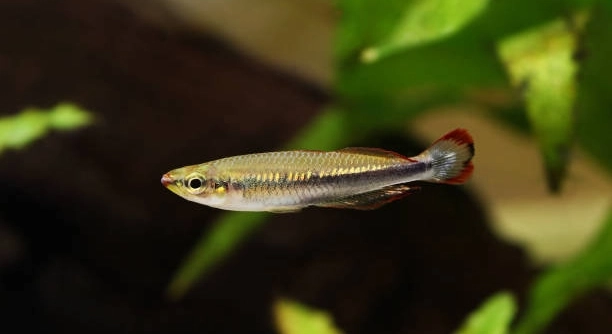
Rainbowfish are charming and colorful additions to any home aquarium. Their vibrant appearance often draws attention, yet these small fish can be surprisingly cautious when new objects enter their environment. Their careful behavior is a natural instinct.
Rainbowfish often mistrust new items due to their innate caution and sensitivity to environmental changes. Sudden introductions of unfamiliar objects can trigger stress responses, causing hesitation and avoidance. Consistent observation and gradual acclimation help minimize these reactions over time.
Understanding why rainbowfish act cautiously around new additions is important. Their behavior reflects both survival instincts and the need for a stable environment. Keeping these factors in mind ensures a healthier, more confident aquarium community.
How Rainbowfish React to New Objects
When a new item is added to the tank, rainbowfish often display caution. They may swim around it slowly, hover at a distance, or avoid it altogether. This behavior is not a sign of illness but a natural response to unfamiliar changes in their environment. Sudden movements or bright colors can intensify their wariness. Observing their initial reactions allows you to gauge their comfort level. Gradual introduction of objects, such as plants or decorations, helps them acclimate without stress. Over time, rainbowfish will explore new additions at their own pace, slowly gaining confidence. Providing consistent tank conditions and minimal disturbances supports their sense of security. It is important to remember that each fish has a slightly different personality, and patience is key. Avoid forcing interaction with the new item, as this may increase anxiety. Respecting their instincts ensures they remain healthy and stress-free.
Introducing objects carefully allows rainbowfish to become familiar without fear. Their cautious nature is part of their natural survival strategy.
Patience is essential. Observing how rainbowfish interact with new decorations or plants can reveal their personality traits. Some may approach slowly, inspecting details, while others may linger at a distance for days. Small, non-intrusive items encourage exploration without triggering stress. Gradual changes in their environment build trust and confidence. Over time, consistent patterns help them adapt, making the tank feel safe and predictable. Creating an environment where rainbowfish feel secure ensures they remain active, healthy, and display their natural colors.
Techniques to Reduce Mistrust
Introduce new items during calm periods in the tank to avoid startling your fish. Quiet and gentle placement helps maintain stability.
Gradual familiarization is key to reducing rainbowfish mistrust. Start by adding one object at a time and allowing a few days for observation. Avoid rearranging decorations too often, as frequent changes can increase stress. Observe how your fish respond to the new object, noting signs of interest or avoidance. Offering visual barriers, like small plants, can provide hiding spots and reduce anxiety. Using neutral colors or familiar shapes can also ease adjustment. Over time, fish learn that these additions are not threats, gradually increasing their confidence. Consistency in feeding, lighting, and tank maintenance further reinforces a stable environment. Small steps, patience, and careful monitoring are the most effective ways to help rainbowfish accept changes without fear. Keeping these practices in mind creates a balanced, healthy tank where your rainbowfish feel secure and explore with comfort.
Common Signs of Distrust
Rainbowfish may avoid new items by keeping a distance, swimming in corners, or freezing near the tank bottom. These behaviors show they are assessing their surroundings and trying to feel safe before approaching unfamiliar objects.
Recognizing these signs is important for maintaining a calm tank. Hesitation, darting movements, or hiding behind decorations indicates stress caused by sudden changes. Some fish may hover at a distance for hours or even days. Others may inspect slowly, inching closer with careful movements. By observing these reactions, you can adjust how new items are introduced. Offering familiar hiding spots and minimal disruption helps rainbowfish gradually accept additions without fear, making the environment more stable.
Avoid forcing interaction, as it can worsen anxiety. Instead, allow time and space for natural adjustment. Consistency in the tank setup reassures your fish, gradually building trust. Slow, steady introductions are the most effective way to help rainbowfish feel secure.
Environmental Factors Influencing Behavior
Tank conditions play a major role in rainbowfish reactions to new objects. Lighting, water flow, and nearby activity affect their comfort levels.
Maintaining stable water parameters, moderate lighting, and minimal sudden movements can reduce stress responses. Rainbowfish are sensitive to environmental fluctuations, which can amplify mistrust. Decorations with rough edges or sharp contrasts may appear threatening. Ensuring a balance between open swimming areas and hiding spots encourages exploration without pressure. Gradual introductions during calm periods help fish become familiar with additions while maintaining security. Fish in well-maintained tanks with predictable routines show less avoidance and adapt faster to changes. Environmental consistency is key to fostering confidence and curiosity.
Gradual Introduction Strategies
Placing new items near familiar decorations helps rainbowfish approach without fear. Start with small additions and avoid sudden placement, letting the fish observe from a safe distance.
Using subtle changes reduces stress. Allowing time between each new object ensures fish adjust naturally, building confidence with minimal anxiety.
Observation and Patience
Careful monitoring is crucial when introducing new items. Watch for hesitation, hiding, or cautious inspection. Avoid rushing interactions, as forcing exposure can increase stress. Over time, rainbowfish gradually accept their environment and explore confidently. Consistent observation ensures they remain comfortable and healthy.
Using Familiar Scents
Items with scents from the tank, such as rinsed decorations or plants, are less intimidating. Rainbowfish respond better to familiar smells, which help reduce fear and encourage investigation.
Why do rainbowfish avoid new decorations in the tank?
Rainbowfish are naturally cautious and rely on familiarity for safety. New objects can appear threatening, triggering instinctive avoidance behaviors. Their hesitation is a survival mechanism, allowing them to observe changes without risking injury or exposure to potential threats. Gradual introductions reduce stress and encourage exploration.
How long does it take for rainbowfish to accept a new item?
The adjustment period varies depending on the fish’s personality, tank conditions, and the type of object. Some rainbowfish may explore within hours, while others take several days or even a week. Consistent, gentle placement and minimal disruption help them acclimate more quickly. Patience is key for healthy adaptation.
Can adding multiple objects at once stress my rainbowfish?
Yes, introducing several items simultaneously can overwhelm them. Sudden changes in their environment may cause hiding, erratic swimming, or refusal to eat. Adding one item at a time allows fish to gradually assess and accept changes, reducing anxiety and maintaining a stable tank atmosphere.
Do rainbowfish eventually ignore new objects?
Most rainbowfish do become comfortable over time. As they grow familiar with new decorations or plants, their initial caution diminishes. They begin exploring and integrating the objects into their territory. Providing consistent care and a calm environment accelerates this adjustment process.
Are there specific types of objects rainbowfish are more likely to mistrust?
Brightly colored, reflective, or oddly shaped items often trigger caution. Objects with sharp edges or strong contrasts can also be intimidating. Smooth, neutral-colored items or those resembling natural elements are generally accepted faster, as they appear less threatening and blend with the existing environment.
Does tank size influence how rainbowfish react to new items?
Yes, larger tanks provide more space to explore and retreat, which can reduce stress when introducing new objects. Smaller tanks may make fish feel confined, intensifying mistrust. Ensuring sufficient open space and hiding spots helps rainbowfish feel secure and encourages gradual investigation.
How can I encourage my rainbowfish to explore a new plant or decoration?
Placing the item near familiar territory or other decorations helps reduce fear. Adding it slowly and observing from a distance allows fish to adjust at their own pace. Providing consistent feeding schedules and minimal disturbance reinforces a sense of security, promoting exploration.
Is it harmful if rainbowfish avoid a new object for a long time?
Avoidance itself is not harmful as long as basic care needs are met. Rainbowfish may eventually explore at their own pace. Forcing interaction or rearranging frequently can cause unnecessary stress. Respecting their natural caution ensures long-term comfort and well-being.
Do rainbowfish communicate discomfort when introduced to new items?
Rainbowfish do not vocalize, but their body language reflects discomfort. Hiding, darting, or clinging to corners signals unease. Recognizing these behaviors allows you to respond appropriately by reducing stressors, providing safe spaces, and introducing items gradually.
Can lighting affect their reaction to new objects?
Bright or sudden lighting changes can intensify mistrust. Consistent, moderate lighting helps rainbowfish feel secure and encourages calm exploration. Adjusting light gradually when adding new items can reduce stress and make fish more willing to investigate unfamiliar objects.
Will younger rainbowfish be more or less cautious than adults?
Younger rainbowfish often show more curiosity but can still be cautious around unfamiliar objects. Adults may be more set in their patterns, showing stronger avoidance. Both age groups benefit from gradual introduction and a stable environment to reduce stress and promote healthy adjustment.
Are there other ways to reduce stress besides gradual introduction?
Providing hiding spots, maintaining consistent water conditions, and avoiding sudden movements near the tank all help reduce stress. Familiar scents on new items also ease anxiety. Monitoring behavior and allowing fish to approach at their own pace ensures a calm and secure environment.
Do rainbowfish ever damage decorations out of stress or curiosity?
Generally, rainbowfish do not damage items. They may nudge objects or explore gently, but destructive behavior is rare. Stress-induced behavior typically manifests as hiding or frantic swimming rather than physical interaction with decorations. Ensuring safe, smooth objects minimizes any accidental harm.
How can I tell if my rainbowfish is ready to explore a new addition?
Signs include slow swimming near the object, tentative inspection, or reduced hiding. Fish may approach in short bursts or circle the item cautiously. Observing these behaviors indicates readiness, allowing you to continue gradual introductions without forcing interaction.
Is it normal for some rainbowfish to never fully explore new objects?
Yes, individual personalities vary. Some fish remain cautious indefinitely, preferring familiar areas of the tank. This behavior is not harmful as long as they have adequate space, hiding spots, and consistent care. Respecting their natural tendencies maintains their health and comfort.
Can tankmates influence how rainbowfish react to new items?
Yes, confident or curious tankmates can encourage hesitant fish to explore. Conversely, stressed or skittish companions may reinforce avoidance. Monitoring group dynamics and introducing items gradually helps ensure a balanced and supportive environment for all rainbowfish.
Do rainbowfish remember previous experiences with new items?
Rainbowfish have memory that helps them recognize safe versus potentially threatening objects. Positive experiences with earlier introductions can reduce anxiety in future interactions. Repeated exposure in a calm, consistent manner builds confidence and encourages exploration over time.
What is the best way to maintain a stress-free environment when adding multiple decorations over time?
Introduce one item at a time with breaks in between, keeping water conditions stable and providing hiding spots. Avoid abrupt changes in lighting or tank layout. Observing fish behavior ensures adjustments are well-timed, reducing anxiety and fostering natural curiosity.
Can diet or feeding schedule impact rainbowfish reactions to new objects?
A consistent feeding schedule and nutritious diet help maintain overall health, reducing stress sensitivity. Hungry or malnourished fish may react more nervously to changes. Stable routines support calm exploration and better acceptance of new additions.
How important is patience when introducing new items?
Patience is essential. Forcing interaction or rushing adjustments can heighten stress and prolong mistrust. Allowing rainbowfish to explore at their own pace promotes confidence, ensures well-being, and supports natural behaviors, creating a balanced and comfortable tank environment.
Rainbowfish are naturally cautious creatures, and their hesitation around new items is a normal behavior rather than a problem. These small, colorful fish rely on familiarity to feel safe, and sudden changes in their environment can trigger instinctive avoidance. Observing their reactions closely helps to understand their comfort levels. Some rainbowfish may approach slowly, inspecting every detail of a new object, while others may stay hidden for longer periods. Their behavior is influenced by many factors, including personality, tank conditions, and the type of item introduced. Smooth, neutral-colored decorations or plants that resemble their natural habitat are often easier for them to accept. Brightly colored or reflective objects, as well as those with sharp edges, can cause hesitation and stress. By recognizing these natural tendencies, it is possible to create a supportive environment that encourages confidence and exploration without forcing interaction.
Patience is a key element when helping rainbowfish adjust to new items. Gradual introduction is the most effective method, allowing them to observe from a safe distance before engaging. Adding one object at a time gives fish the chance to explore at their own pace, reducing stress and fostering trust in their surroundings. Providing consistent tank conditions, including stable lighting, water parameters, and minimal disturbances, helps maintain a calm environment that supports their natural behaviors. Hiding spots, such as plants or small decorations, also give them a sense of security, allowing them to retreat when needed. Over time, rainbowfish often become familiar with new objects, incorporating them into their environment with curiosity rather than fear. Each fish is different, and some may take longer than others, but respecting their instincts ensures they remain healthy, active, and confident. Observing their unique responses can be rewarding, offering insight into their personalities and preferences.
Creating a stable, supportive environment is essential for rainbowfish well-being. Their cautious behavior should be viewed as a natural adaptation rather than a problem to fix. Gradual exposure to new objects, consistent care, and attention to environmental factors all contribute to reducing stress and promoting confidence. Over time, rainbowfish learn that these additions are safe, and their initial mistrust diminishes. This process not only enhances their comfort but also encourages natural exploration and interaction with their habitat. By understanding their instincts and providing a patient, thoughtful approach, it is possible to maintain a balanced aquarium where rainbowfish feel secure and content. Taking the time to respect their natural behaviors ensures a healthier, more harmonious environment, allowing both the fish and their caretaker to enjoy a thriving, vibrant tank.

Hello,
If you enjoy the content that we create, please consider saying a "Thank You!" by leaving a tip.
Every little bit helps us continue crafting quality advice that supports the health, happiness, and well-being of pets around the world, for pets of all shapes, sizes, and species.
We really appreciate the kindness and support that you show us!