
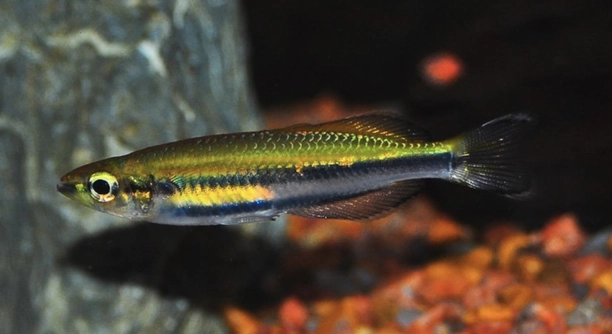
Rainbowfish are vibrant and active, making them a delightful addition to any home aquarium. Observing their daily behavior can reveal a lot about their comfort and well-being, helping owners provide a secure and healthy environment.
A rainbowfish that feels secure exhibits confident swimming, regular feeding, and calm interactions with other fish. Stress indicators like hiding, erratic movement, or faded colors are minimal, suggesting that the environment supports their physical and psychological needs effectively.
Recognizing these signs early allows you to maintain a balanced aquarium where your rainbowfish thrive happily. Understanding their behavior is key to ensuring long-term health and comfort in your care.
Calm and Confident Swimming
When your rainbowfish feels safe, its swimming patterns are steady and purposeful. You’ll notice it moving smoothly through the water without sudden jerks or frantic bursts. It explores its tank confidently, often gliding near plants, decorations, or the middle of the aquarium. Aggressive darting or hiding in corners is rare. Fish that are stressed may cling to the edges or remain at the bottom, avoiding open spaces. A secure rainbowfish will interact naturally with other tank mates, sometimes swimming alongside them without showing fear. Its fins are fully extended, and its movements appear relaxed rather than tense. Observing these behaviors consistently over days or weeks confirms that your fish has adapted to its environment. Proper water conditions, adequate space, and hiding spots contribute to this sense of security, allowing your rainbowfish to thrive rather than merely survive.
Steady, smooth swimming is a key indicator that your rainbowfish feels safe and confident in its surroundings.
Providing a stable environment, including clean water and consistent feeding, helps maintain calm swimming habits. These patterns show the fish is comfortable, reducing stress-related behavior and supporting its overall health. Regularly watching your fish allows you to notice any changes early, ensuring that it remains active and secure. Confidence in swimming also encourages natural behaviors like exploring, schooling, and interacting with tank mates, which are important for mental and physical well-being. Minor adjustments in lighting, decoration placement, or tank layout can enhance comfort, making your rainbowfish more at ease. Understanding these cues creates a stronger connection with your fish and ensures that its environment continues to support a healthy, stress-free life.
Vibrant Colors and Healthy Appearance
Bright, consistent colors often signal that a rainbowfish feels secure.
Rainbowfish that are comfortable in their tank display vivid and even coloration. Stress or illness can cause colors to fade or appear patchy. A secure fish maintains a glossy, well-groomed appearance with no signs of fraying fins or dull scales. The vibrancy of its colors is not just aesthetic; it reflects proper nutrition, balanced water parameters, and minimal stress. Regular observation helps you notice subtle changes before they become problems. Proper tank maintenance, including pH balance and temperature control, supports healthy skin and scales. Additionally, a varied diet rich in nutrients enhances natural coloration. When a rainbowfish feels safe, it shows off its bright hues during feeding and social interactions, often flaring slightly to communicate with other fish. Observing this color intensity daily can give you reassurance that your fish is thriving and happy in its aquatic home.
Regular Feeding Habits
Rainbowfish that feel secure eat consistently and without hesitation. They approach food confidently, often competing politely with tank mates rather than hiding or darting away.
A secure rainbowfish will maintain a predictable feeding routine, coming to the surface or designated feeding area when food is offered. It shows interest in different types of food, including flakes, pellets, or live options, without signs of stress. Fish that are anxious may refuse to eat, nibble only occasionally, or hide during feeding times. Observing your rainbowfish during feeding provides insight into its comfort level and overall well-being. A consistent appetite indicates that your aquarium conditions, such as water quality, temperature, and tank mates, support a stable environment. Proper nutrition also strengthens immunity and contributes to the fish’s natural coloration and energy levels, ensuring it remains healthy and active over time.
Regular feeding habits reflect more than just hunger; they signal trust in the environment. Watching your fish eat without fear reassures you that it feels safe.
Interaction with Tank Mates
Secure rainbowfish often swim alongside others without signs of aggression or avoidance, creating a balanced social environment.
When rainbowfish feel secure, they engage with tank mates naturally, schooling or gliding nearby without showing territorial behavior. Confident fish maintain a peaceful coexistence, occasionally displaying minor social gestures like gentle nudges or synchronized swimming. Stressful environments can lead to hiding, chasing, or fin-nipping. A stable aquarium with enough space, hiding spots, and compatible species encourages social behavior. Observing how your rainbowfish interacts provides insight into both its comfort level and the overall tank dynamics. Regularly monitoring these interactions allows you to make adjustments if conflicts arise, ensuring a harmonious environment. Social engagement also stimulates mental activity and reduces boredom, supporting long-term health and well-being.
Creating a peaceful social setting helps your rainbowfish feel secure and thrive. Their interactions reveal comfort, confidence, and trust in the tank environment, which is essential for both individual and group health. Proper arrangement of plants, décor, and swimming space promotes positive behaviors, while attentive observation lets you catch early signs of stress or conflict. By supporting natural schooling and companionship, you encourage a stable, enriching environment that benefits all tank inhabitants.
Exploring the Tank
Rainbowfish that feel secure explore their surroundings freely. They swim through plants, decorations, and open water without hesitation.
A confident rainbowfish moves around the tank regularly, inspecting different areas and returning to familiar spots. This behavior shows comfort and curiosity rather than fear or stress.
Calm Resting Spots
Secure rainbowfish select resting areas calmly, often near plants or gentle currents. They do not hide excessively or freeze in corners. Regular, relaxed resting indicates that the fish trusts its environment and feels safe from threats.
Responding to Owners
Rainbowfish that feel safe may react calmly to your presence. They often swim closer without darting away, showing interest while maintaining composure.
FAQ
How can I tell if my rainbowfish is stressed?
Signs of stress include hiding frequently, clamped fins, faded colors, erratic swimming, and reduced appetite. Stress often arises from poor water quality, overcrowding, aggressive tank mates, or sudden changes in temperature or lighting. Monitoring these behaviors helps you address problems before they affect health.
Why do rainbowfish sometimes hide even in a well-kept tank?
Hiding can be normal if the fish is exploring or resting, but prolonged hiding may indicate discomfort. Changes in water parameters, recent tank rearrangements, or new additions can make even healthy fish cautious until they adjust.
How often should I feed my rainbowfish?
Rainbowfish thrive on small, frequent feedings rather than one large meal. Feeding two to three times a day with appropriate portions ensures proper nutrition and reduces competition among tank mates. A varied diet of flakes, pellets, and occasional live or frozen foods supports color and growth.
Is schooling important for rainbowfish?
Yes, rainbowfish are social and feel more secure in groups of five or more. Schooling provides safety, reduces stress, and encourages natural behaviors like synchronized swimming. Observing how they move together can indicate overall comfort and tank harmony.
Can tank decorations affect a rainbowfish’s sense of security?
Decorations, plants, and hiding spots create a safe environment. Secure fish explore freely, while stressed fish cling to corners. Providing open swimming space along with areas to retreat helps balance safety and activity.
What role does water quality play in security?
Consistent water parameters, including temperature, pH, and cleanliness, are crucial. Sudden changes can cause stress or illness. Regular testing and maintenance ensure that rainbowfish remain healthy, active, and confident in their surroundings.
How do I encourage my rainbowfish to interact with me?
Approach the tank slowly and maintain regular routines. Feeding by hand or observing quietly without sudden movements helps them associate your presence with safety and positive experiences. Over time, confident rainbowfish may swim closer or follow your movements.
Are there specific signs that indicate long-term happiness?
Long-term secure rainbowfish show vibrant colors, steady swimming, normal appetite, and relaxed resting habits. They engage with tank mates, explore their environment, and respond calmly to owners. Observing these behaviors consistently confirms that the fish feels safe and well-cared-for.
Should I worry if my rainbowfish sometimes acts shy?
Occasional shyness is normal, especially with new tank mates or after rearranging decorations. Temporary caution does not necessarily indicate a problem as long as it returns to normal behavior and shows no other stress signs. Patience and a stable environment support adjustment.
How do I maintain a secure environment long-term?
Provide consistent water quality, proper nutrition, compatible tank mates, and a mix of open and sheltered spaces. Monitor behavior, colors, and swimming patterns regularly. Small adjustments, such as moving decorations gradually or adjusting feeding routines, help maintain comfort and reduce stress over time.
Can lighting affect a rainbowfish’s sense of security?
Yes, strong or inconsistent lighting can cause stress. Moderate, consistent lighting encourages natural behavior, supports plant growth, and helps fish feel comfortable. Avoid sudden changes, and consider using floating plants or dimmers to create shaded areas for rest.
Do rainbowfish respond differently to different species?
Compatibility matters. Aggressive or very timid tank mates can disrupt confidence. Choosing peaceful, similar-sized species helps rainbowfish feel secure and promotes natural social interactions, including schooling and gentle exploration.
How often should I observe my rainbowfish for security signs?
Daily observation is ideal. Watching feeding, swimming, and resting behavior helps detect subtle changes early. Regular monitoring ensures that you can address water, nutrition, or social issues promptly, keeping the fish healthy and secure over time.
What changes should I avoid to keep my rainbowfish comfortable?
Sudden water parameter shifts, abrupt tank rearrangements, or introducing aggressive fish can increase stress. Gradual changes, careful introductions, and maintaining a predictable routine help your rainbowfish feel safe and confident.
Rainbowfish are lively and colorful fish that bring energy to any aquarium. Observing their daily behavior is one of the best ways to understand how secure they feel. Signs such as calm swimming, bright colors, and regular feeding indicate that the fish is comfortable in its environment. Providing a stable tank with proper water conditions, adequate space, and places to hide helps maintain this sense of security. A well-maintained aquarium not only supports physical health but also allows the rainbowfish to show natural behaviors, which is important for mental well-being. Over time, paying attention to these signs becomes easier, and it allows owners to notice changes quickly, preventing problems before they become serious.
Regular feeding routines and balanced nutrition also play a key role in helping rainbowfish feel safe. Fish that eat confidently and show interest in different types of food are likely less stressed and more comfortable in their surroundings. On the other hand, hesitation, refusal to eat, or hiding during feeding times may indicate that something in the environment needs attention. Feeding small amounts multiple times a day, along with a mix of high-quality flakes, pellets, and occasional live or frozen foods, encourages both growth and coloration. Feeding is not only about nutrition; it also strengthens the bond between owner and fish. Observing how the fish responds during feeding helps monitor its comfort level and overall health.
Social behavior is another important factor in ensuring rainbowfish feel secure. These fish are naturally social and thrive in groups. Watching how they interact with tank mates provides insight into their comfort and confidence. Calm schooling, gentle nudges, or coordinated swimming suggest that the fish feels safe and is engaging normally with others. Providing enough space, compatible companions, and environmental enrichment helps maintain positive interactions. When rainbowfish feel secure, they are more active, more colorful, and better able to adapt to minor changes in the aquarium. Paying attention to these behaviors ensures a long, healthy, and stress-free life for the fish while also creating a more enjoyable and harmonious aquarium for everyone to watch.

Hello,
If you enjoy the content that we create, please consider saying a "Thank You!" by leaving a tip.
Every little bit helps us continue crafting quality advice that supports the health, happiness, and well-being of pets around the world, for pets of all shapes, sizes, and species.
We really appreciate the kindness and support that you show us!