
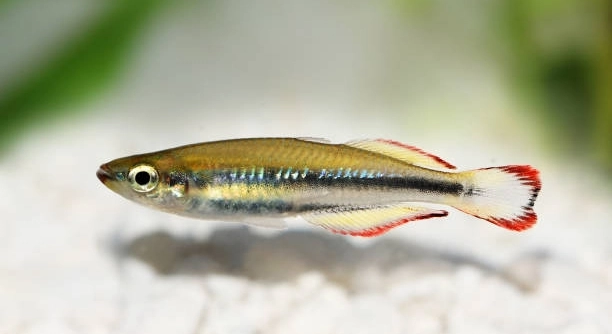
Do you ever watch your fish swimming together and wonder if they are truly getting along? Observing their daily behavior can reveal a lot about how harmonious your aquatic pets are in their environment.
Fish show positive social interactions through coordinated swimming, gentle nipping without injury, and mutual grooming behaviors. They may also share feeding spaces peacefully and exhibit relaxed body posture, indicating low stress levels and healthy social bonds within the group.
Recognizing these signs can help you maintain a calm and friendly aquarium atmosphere for all your fish.
Coordinated Swimming Patterns
Watching your fish move together can be surprisingly telling. Fish that are getting along often swim in groups or pairs, mirroring each other’s movements. This behavior is common in species that naturally school, like tetras or danios. Coordinated swimming shows that they feel safe and unthreatened in their environment. Aggressive or stressed fish tend to isolate themselves or dart around erratically. Observing patterns over several days helps confirm that what you’re seeing is normal interaction rather than coincidence. Fish may also swim in synchronized turns or follow one another between hiding spots, showing trust and comfort. Even small gestures, like briefly brushing past each other without conflict, are signs of healthy social behavior. Maintaining a stable tank environment with consistent water quality and temperature further encourages these patterns. Lighting and decorations that provide both open swimming areas and hiding places contribute to smoother interactions.
Consistent, synchronized swimming indicates positive social interaction and mutual comfort among your fish, reflecting low stress and a balanced environment in the tank.
Noticing these patterns early allows you to adjust tank conditions or groupings to support peaceful behavior before conflicts arise. Observing movement is more than visual; it’s a measure of your fish’s overall wellbeing.
Peaceful Feeding Behavior
Fish that are getting along often share feeding spaces without conflict.
During feeding time, fish that feel secure in their social hierarchy tend to approach food calmly. They may eat side by side or take turns nibbling, rather than chasing or biting each other. Dominant fish occasionally assert themselves, but in harmonious groups, this behavior is subtle and rarely escalates into injury. Fish that constantly fight over food are usually stressed, overcrowded, or have incompatible tankmates. Monitoring how your fish behave during meals can help you spot social tension early. Providing multiple feeding points and spreading food evenly reduces competition, encouraging calmer interactions. Over time, you may notice certain pairs or small groups naturally eating together, which further confirms positive social dynamics. Feeding interactions are a strong indicator of comfort, trust, and compatibility, giving you a clear window into the tank’s social atmosphere.
Some fish are more timid, approaching food only after others have eaten, while confident fish eat openly. Watching these differences helps you understand personalities and maintain a balanced tank. Adjusting feeding routines, food type, and distribution can minimize stress and promote cooperative behavior. Observing feeding behavior consistently can also reveal subtle issues, like illness or hidden aggression, allowing timely action. Over weeks, patterns emerge that clearly show which fish are comfortable with one another. Tanks with mixed species require careful observation to ensure all fish have access to food without conflict. Creating a calm feeding environment supports overall tank harmony and reinforces positive social bonds. Even small adjustments, like adding floating plants or rearranging decorations, can improve interactions. Tracking these behaviors provides insight into your fish’s relationships, helping maintain a healthy and peaceful aquatic environment.
Gentle Nipping and Interaction
Fish that get along may gently nip at each other without causing harm.
Gentle nipping is usually part of normal social interaction, such as establishing boundaries or showing mild interest. It is brief and doesn’t leave marks or cause bleeding. Fish that engage in this behavior typically move on quickly without escalating into chasing or aggressive attacks. Observing how often nipping occurs and which fish participate can help you understand the social structure within your tank. Some species naturally use nipping as communication, especially when exploring new tankmates or territory.
In tanks with multiple species, gentle nipping can signal curiosity rather than aggression. It allows fish to learn each other’s limits, and over time, interactions become smoother. Fish that never escalate beyond minor nips are generally comfortable and accepting of their companions, showing that the group has established a balance. Tank layout, hiding spots, and feeding practices all influence how these interactions unfold, so keeping a stable environment supports positive nipping behavior.
Relaxed Body Posture
Fish that are at ease show relaxed body posture, floating calmly and swimming steadily.
A relaxed posture includes smooth fin movement, even breathing, and slow, steady swimming. Fish with tense or rigid bodies may be stressed or feeling threatened. Observing body posture throughout the day helps detect discomfort before it leads to aggressive behavior. Relaxed fish often linger in open areas or interact with others without sudden darting or hiding. This behavior is a strong indicator of comfort and trust within the tank.
Relaxed posture is more than an aesthetic detail; it reflects mental and physical wellbeing. Fish with proper posture tend to feed efficiently, interact positively, and recover quickly from minor disturbances. Environmental factors like water temperature, filtration, and compatible tankmates directly impact body language. Fish that consistently maintain calm postures are usually healthy, socially compatible, and well-adjusted to their surroundings. Regular observation allows you to notice subtle changes, making it easier to address stressors or social conflicts early, ensuring a harmonious tank environment for all inhabitants.
Sharing Hiding Spots
Fish that get along often share hiding spots without conflict.
Peaceful sharing of caves, plants, or decorations shows trust and comfort. Fish that tolerate each other in close quarters rarely show chasing or territorial displays, indicating a balanced social environment in the tank.
Calm Fin Movement
Smooth and steady fin movement is a clear sign of harmony among fish.
When fish swim with relaxed, even fins, it shows they feel safe with their tankmates. Rapid or clamped fins often indicate stress or discomfort. Observing fin movement over time helps identify which fish are truly at ease in the aquarium.
Mutual Grooming
Some fish participate in mutual grooming, gently cleaning each other’s scales.
This behavior strengthens bonds and reduces stress. Fish that groom each other show acceptance and trust, often focusing on hard-to-reach areas. Mutual grooming is a subtle but powerful sign of positive social interaction, reinforcing friendly connections within the tank.
How can I tell if my fish are getting along?
You can tell by observing their daily behavior. Fish that get along often swim together, share spaces, and feed calmly without chasing or biting each other. Look for gentle nipping, relaxed body posture, smooth fin movement, and mutual grooming. These behaviors indicate low stress and positive social interaction. Over time, patterns will become clear, helping you understand which fish are comfortable with each other and which might need more space or attention.
Is it normal for fish to chase each other sometimes?
Yes, brief chasing is common, especially when establishing a social hierarchy. Fish may swim quickly past each other or make short dashes, but it should not result in injury or persistent stress. In peaceful groups, chasing usually stops after boundaries are understood. Consistent monitoring ensures that what seems normal doesn’t escalate into aggressive behavior. Providing hiding spots, enough space, and multiple feeding areas helps reduce tension and supports calmer interactions among tankmates.
What should I do if some fish are always hiding?
Hiding can be normal, especially for shy or nocturnal species, but constant hiding may indicate stress, illness, or bullying. Check water quality, tank temperature, and compatibility with other fish. Ensure there are enough plants or decorations for security. Observe interactions closely to see if certain fish are aggressive or territorial. Adjusting tank layout or temporarily separating aggressive fish can help shy fish feel safer. Encouraging calm group behavior and giving hiding options improves overall comfort and reduces long-term stress.
How often should I monitor fish interactions?
Daily observation is best, even if only for a few minutes. Regular monitoring helps spot changes in behavior, feeding patterns, or fin and body posture. Early detection of stress, aggression, or illness allows you to address issues before they become serious. Recording notes or taking short videos can help track trends over time. Observing at different times of day also reveals how fish interact under varying lighting, feeding, and activity levels, giving a more complete picture of social harmony in the tank.
Can tank size affect how well fish get along?
Absolutely. Overcrowding increases stress, competition, and aggression. Even compatible species may show tension in small tanks. Providing adequate swimming space, hiding spots, and feeding areas reduces conflict and encourages positive interactions. Proper stocking levels and thoughtful grouping based on species, temperament, and size improve overall harmony and reduce the risk of injury or stress-related illness.
Does diet influence fish behavior?
Yes, a balanced diet helps maintain calm, healthy fish. Malnutrition or inconsistent feeding can increase irritability and competition. Feeding at consistent times, using appropriate portions, and offering variety ensures fish are nourished and satisfied. Overfeeding can lead to water quality issues and excess aggression, while underfeeding may cause stress and increased chasing. Observing feeding behavior is also a window into social dynamics and can indicate whether all fish are comfortable eating together.
How long does it take to see if fish are compatible?
It can take several days to a few weeks. Initial curiosity, gentle nipping, or chasing may occur as fish establish boundaries. Observing their swimming patterns, feeding behavior, fin movement, and body posture over time shows whether they are settling into a peaceful routine. Patience is key, as premature conclusions can lead to unnecessary tank changes or stress. Once positive patterns are consistent, you can be confident that your fish are compatible and comfortable together.
What signs indicate serious aggression?
Serious aggression includes persistent chasing, biting, damaged fins, bleeding, or one fish constantly hiding. These signs show high stress and can lead to injury or death if not addressed. Separating aggressive fish, adjusting tank layout, or providing more hiding spots often helps reduce conflict. Monitoring interactions closely and understanding species-specific behavior allows for early intervention and a safer, calmer tank environment.
Can changing decorations or tank setup affect social behavior?
Yes, rearranging plants, rocks, or hiding spots can influence interactions. It may temporarily increase curiosity, nipping, or minor chasing as fish explore new territory. Over time, proper layout helps establish territories, reduce stress, and support positive social behavior. Ensuring balance between open swimming areas and secluded spots benefits all fish and encourages peaceful coexistence.
Do certain species naturally get along better?
Species temperament, size, and activity level strongly influence compatibility. Schooling fish like tetras or rasboras tend to cooperate, while some cichlids or bettas may show aggression if confined or mismatched. Researching species behavior and pairing compatible fish helps maintain harmony. Mixing calm species with aggressive or territorial fish can lead to conflict, so careful selection and observation are essential for a peaceful tank.
Observing your fish closely can reveal a lot about their social behavior and overall wellbeing. Fish that get along often swim together, share spaces, and interact calmly during feeding times. Gentle nipping, mutual grooming, and relaxed body posture are signs that the group is comfortable with each other. Even subtle cues, like smooth fin movement or coordinated swimming, show that your fish feel safe and unthreatened in their environment. Paying attention to these behaviors helps you understand the social dynamics in your tank and gives you insight into which fish are compatible. Over time, you can notice patterns that indicate harmony or potential stress, allowing you to make small adjustments to improve their comfort and reduce conflicts.
Tank conditions play a crucial role in how well fish get along. Proper water temperature, quality, and adequate space make a big difference in reducing stress and aggression. Adding plants, decorations, and hiding spots helps fish establish territories and provides security, which is especially important for shy or timid species. Feeding routines also impact behavior. Fish that have access to food without competition tend to interact more calmly and show less aggression. Even minor changes, like adding multiple feeding points or rearranging decorations, can improve interactions and strengthen social bonds. Observing how your fish respond to these changes allows you to maintain a peaceful and balanced environment, ensuring that each fish has space to thrive while remaining part of the group.
Patience and consistent observation are key to maintaining harmony in your aquarium. Some species take longer to adjust to tankmates, and initial chasing or minor nipping is normal as boundaries are established. By carefully monitoring behavior, you can identify early signs of stress or conflict and intervene before issues escalate. Understanding your fish’s social cues also helps you select compatible species for future additions, reducing the likelihood of aggression or tension. Overall, a calm and harmonious aquarium is the result of paying attention to small details, providing proper care, and allowing your fish to develop natural social interactions at their own pace. Watching them grow comfortable together is rewarding and provides a deeper connection to your aquatic pets.

Hello,
If you enjoy the content that we create, please consider saying a "Thank You!" by leaving a tip.
Every little bit helps us continue crafting quality advice that supports the health, happiness, and well-being of pets around the world, for pets of all shapes, sizes, and species.
We really appreciate the kindness and support that you show us!