
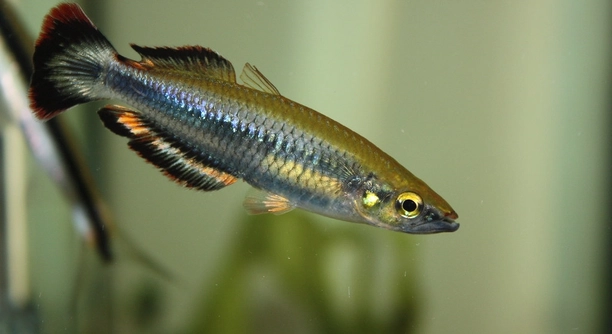
Have you ever noticed rainbowfish swimming closer when you place your hand near the tank? These small, colorful fish often approach gently, showing signs of interest. Their subtle movements and glances can make them seem almost playful and friendly.
Rainbowfish exhibit exploratory behavior toward human hands primarily due to curiosity and habituation. Regular interaction with tank owners allows them to associate hands with non-threatening activity, prompting investigation without aggressive or fearful responses in most cases.
Observing these interactions can reveal surprising insights into their behavior and personality. Learning more about their reactions helps you understand their needs and environment.
Rainbowfish and Human Interaction
Rainbowfish often respond to human presence with curiosity rather than fear. When a hand approaches the tank, they may swim closer, investigate, or pause to observe. This behavior usually develops over time as they become accustomed to daily routines, feeding schedules, and gentle movements around the aquarium. Their colorful bodies and fluid swimming make these interactions more noticeable, creating moments where they appear almost playful. Small gestures, like slowly moving your fingers in the water, can trigger brief investigative behaviors. Over time, rainbowfish may start associating the hand with safety or food, though this depends on consistent care and minimal stress in their environment. Tanks that offer hiding spaces and clear lines of sight allow them to approach without feeling trapped. Their exploratory behavior is subtle but consistent, often appearing as slight nudges or hovering near your hand. Understanding this can improve how you engage with them daily.
Interaction with human hands strengthens their comfort level and reduces stress over time.
Watching rainbowfish respond to your hand can be fascinating. Each fish shows slightly different behavior. Some may linger near the surface, while others hover mid-tank, investigating the movement. Their interest can vary with time of day, lighting, and tank activity. Recognizing these patterns allows you to create a calmer, more engaging environment for them. Observing them regularly helps identify when they are stressed or unusually active, ensuring their care is well suited to their natural tendencies.
Encouraging Safe Exploration
Hands should always move slowly to avoid startling rainbowfish.
Providing an environment with open spaces and plants encourages natural exploration. Rainbowfish are naturally curious, so ensuring they have room to swim and explore around obstacles lets them investigate without feeling threatened. Tank mates and water conditions also affect their willingness to approach humans. Fish that feel secure are more likely to explore near a hand without fear. Gradual interaction allows them to build confidence and reduces sudden darting movements. Consistent feeding patterns reinforce positive associations, making them more comfortable with human presence. Observing their body language, such as relaxed fins and smooth swimming, indicates they are at ease.
It is important to avoid sudden movements, loud noises, or tapping on the glass, as these can stress rainbowfish and disrupt their investigative behavior. Over time, gently extending a hand into the tank encourages them to explore at their own pace, creating trust without forcing interaction. Plants, decorations, and hiding spaces should be arranged to provide security while maintaining clear areas for them to observe. Gradual exposure to hands helps them understand that humans are not a threat, and some fish may even follow fingers or swim alongside them for short distances. By carefully observing reactions and adjusting your approach, you can create a balanced environment where rainbowfish remain curious yet comfortable. Monitoring water quality, temperature, and tank cleanliness is essential, as stressed or unhealthy fish are less likely to engage with humans. Overall, patience and consistency allow rainbowfish to interact safely and maintain natural behaviors.
Observing Rainbowfish Behavior
Rainbowfish often show curiosity through small, deliberate movements. They may hover near your hand or gently follow it along the glass. Their fins spread slightly, and colors appear brighter when relaxed, signaling interest rather than fear.
These fish rely on both sight and lateral line senses to detect movement. When a hand enters the tank, they may investigate by slowly swimming closer or circling around it. Each fish reacts differently; some may approach directly while others watch from a distance. Consistent, gentle interactions build comfort and reduce sudden darting movements. Over time, rainbowfish may even anticipate your presence during feeding. Noticing these subtle behavioral cues can help you gauge their comfort level and adjust your interactions accordingly, fostering a safer and more engaging environment.
Rainbowfish responses also vary depending on tank setup and companions. Crowded or overly decorated tanks may inhibit exploration, while open spaces encourage movement and interaction. Environmental factors like water clarity, temperature, and lighting influence their willingness to approach. A calm environment allows fish to exhibit natural curiosity, while stress or sudden disturbances can make them retreat. Observing their patterns helps in creating a space where rainbowfish feel secure and confident, making hand interactions more enjoyable and predictable.
Tips for Safe Interaction
Move hands slowly and steadily to avoid startling rainbowfish. Small, controlled movements are more effective than quick gestures.
Introduce hands gradually to let fish adjust. Start by placing a hand near the tank without touching the water. Over time, allow fingers to enter slowly. Avoid tapping the glass or sudden movements, as these can trigger stress or flight responses. Observe their reactions and adjust your approach. Fish that feel safe may follow your hand or swim nearby without hesitation. Consistency and patience are key. Gentle interaction over several days helps them associate human presence with safety.
Creating a predictable routine encourages calm behavior. Feeding schedules, quiet surroundings, and stable water conditions reinforce trust. By monitoring body language—fin position, swimming patterns, and color changes—you can identify comfort or anxiety levels. Plants and hiding spaces provide security while still allowing observation. Gradual exposure to hands ensures rainbowfish explore voluntarily rather than feel forced. Healthy fish are more likely to engage, so maintaining water quality, temperature, and tank cleanliness is essential. Following these guidelines allows safe, stress-free interactions that enhance both the fish’s well-being and your experience observing them.
Understanding Rainbowfish Curiosity
Rainbowfish often approach hands out of curiosity rather than hunger. They respond to movement and colors, showing interest in what enters their environment.
Their behavior can also reflect their personality. Some are bold and will swim close immediately, while others observe from a distance before approaching, indicating different comfort levels.
Feeding and Interaction
Rainbowfish can associate hands with feeding over time. Placing food near your hand encourages them to explore without fear. Repeated exposure helps them recognize your hand as non-threatening, reducing stress and promoting natural investigative behavior. Consistent routines and gentle movements make them more likely to interact calmly during feeding periods, creating positive reinforcement. Observation during these times provides insight into their individual temperaments.
Signs of Comfort
Relaxed fins, smooth swimming, and bright colors indicate rainbowfish are comfortable. Watching these signals helps you adjust your approach for safe interaction.
FAQ
Do rainbowfish recognize their owners?
Rainbowfish do not recognize humans like pets such as dogs or cats, but they can become familiar with the presence of a specific person. Regular interaction, calm movements, and consistent feeding routines help them learn that your hand and presence are not threats, creating a sense of comfort in their tank environment.
Why do rainbowfish follow hands in the tank?
Following hands is usually a sign of curiosity or anticipation of food. Rainbowfish rely on movement to detect changes in their surroundings. When a hand moves near the water, they investigate to understand what it is. This behavior is stronger in fish that feel secure and have been exposed to gentle human interaction.
Is it safe to put your hand in the tank?
Yes, it is safe if you move slowly and avoid sudden gestures. Rainbowfish can feel stressed by abrupt movements, so introducing hands gradually is important. Make sure your hands are clean and free of soap, lotion, or chemicals, as these substances can harm the fish or alter water quality.
Do all rainbowfish react the same way to hands?
No, each fish has a unique personality. Some are bold and approach immediately, while others are shy and keep their distance. Tank setup, water conditions, and previous experiences also affect behavior. Understanding individual differences helps you adjust your approach to each fish, creating a calmer environment for exploration.
Can rainbowfish get stressed from human interaction?
Yes, stress can occur if hands move too quickly, water quality is poor, or the fish are overcrowded. Signs of stress include rapid swimming, hiding, clamped fins, or loss of color. Limiting interaction to short, calm sessions and maintaining a stable tank environment reduces the risk of stress.
How can you encourage rainbowfish to explore near your hand?
Start by placing your hand near the tank without touching the water. Gradually allow fingers to enter slowly over several sessions. Pair this with feeding near your hand to create a positive association. Observing body language, such as relaxed fins and smooth swimming, indicates the fish feel comfortable.
Why do rainbowfish sometimes ignore hands?
Rainbowfish may ignore hands if they are not hungry, stressed, or exploring other areas of the tank. Environmental factors like lighting, tank activity, and companions also influence interest. Patience and consistency are key, as forcing interaction can increase stress rather than encourage curiosity.
Are there benefits to rainbowfish interacting with humans?
Interaction can reduce stress and increase engagement with their environment. Regular, gentle interaction helps fish become more confident and comfortable. Observing them closely allows you to notice subtle changes in health, behavior, or activity levels, supporting better long-term care.
Should you touch rainbowfish directly?
It is generally not recommended to touch rainbowfish directly. Touching can damage delicate scales, stress the fish, or transmit bacteria. Gentle hand placement in water for observation is safer and still allows for interaction without harm.
How long does it take for rainbowfish to become comfortable around hands?
The time varies based on the fish’s personality, past experiences, and consistency of interaction. Some may explore after a few days, while others take weeks. Gradual exposure, calm movements, and positive reinforcement like feeding encourage quicker adaptation and reduce stress.
Can rainbowfish learn from repeated hand interactions?
Yes, repeated exposure helps them learn that hands are not a threat. Over time, they may approach more confidently and even anticipate food or observe your hand closely. Consistency in movement, timing, and care routines strengthens this learned behavior, improving both their comfort and your experience.
Do tank conditions affect rainbowfish curiosity?
Absolutely. Clear water, stable temperature, adequate hiding spaces, and minimal stress from tank mates all influence whether rainbowfish will approach hands. Fish in a clean, well-maintained tank are more likely to explore safely, showing natural curiosity and investigative behaviors consistently.
What is the best way to observe rainbowfish behavior?
Slow, patient observation works best. Avoid tapping the glass or making sudden movements. Place your hand near the tank and watch their responses, noting how fins, color, and swimming patterns change. Documenting these behaviors helps identify comfort, stress, or preferences, improving interactions over time.
Can rainbowfish become too accustomed to hands?
Rainbowfish do not become “spoiled” by hand presence, but overreliance on human interaction can distract them from natural behaviors like schooling, exploring, and foraging. Balancing interaction with independent tank activity ensures healthy, well-adjusted fish that remain curious without stress.
How can you tell if rainbowfish enjoy interaction?
Signs include slow, smooth swimming near your hand, relaxed fins, and bright coloration. Hovering or circling gently around a hand without showing stress behaviors indicates comfort. Conversely, darting away, clamped fins, or hiding suggests they are not ready for interaction.
Are there differences between rainbowfish species in human interaction?
Yes, species vary in temperament and curiosity. Some, like the Boesemani rainbowfish, are bolder and more likely to approach hands, while others are naturally shy. Knowing your species’ tendencies helps tailor interactions, creating a safer and more engaging environment for each type of rainbowfish.
Does feeding influence rainbowfish behavior toward hands?
Feeding plays a major role. Fish learn to associate hands with food, which encourages exploration and reduces fear. Using slow, consistent feeding methods near your hand fosters positive experiences. Avoid overfeeding, as this can reduce natural curiosity and lead to health issues.
Can rainbowfish differentiate between hands and other objects?
Yes, rainbowfish respond to movement, shape, and familiarity. They often investigate human hands differently than other objects because they learn over time that hands are non-threatening and may provide food. Objects that move erratically or suddenly are more likely to trigger avoidance or stress.
Is it normal for rainbowfish to sometimes ignore repeated hand exposure?
Yes, ignoring hands can indicate they are occupied, stressed, or simply not curious at that moment. Consistency, calm movements, and patience are essential. Avoid forcing interaction, as this can create negative associations and reduce the likelihood of voluntary exploration over time.
How does age affect rainbowfish curiosity?
Younger rainbowfish tend to be more exploratory and willing to approach hands, while older fish may be cautious. Gradual, repeated exposure helps both young and older fish feel comfortable, but patience is particularly important with older or naturally shy individuals.
Can multiple rainbowfish interact with a hand at the same time?
Yes, but behavior varies. Dominant individuals may approach first, while shy ones hang back. Providing enough space and observing interactions carefully prevents stress and ensures that each fish can explore safely at its own pace.
Do rainbowfish ever lose interest in human interaction?
Interest can fluctuate due to health, stress, or environmental changes. Maintaining a stable tank, consistent care, and gentle interaction encourages ongoing curiosity. Temporary disinterest is normal, and observing their general behavior helps determine whether changes are environmental or health-related.
Is hand interaction necessary for rainbowfish well-being?
No, hand interaction is not essential but can enhance observation and understanding. Rainbowfish thrive in well-maintained, stable environments with proper feeding, tank mates, and water conditions. Interaction is an optional enrichment that can strengthen comfort and reduce stress when done carefully.
How do lighting and tank setup affect curiosity?
Bright, natural-like lighting helps rainbowfish see and respond to movement. Open areas combined with hiding spots allow them to explore safely. Overly dark or cluttered tanks reduce willingness to approach hands and can increase stress, limiting positive interaction opportunities.
Can rainbowfish be trained to approach hands?
Training is possible through repeated, calm exposure and feeding near the hand. Gradual positive reinforcement encourages voluntary approach, but results depend on personality, tank setup, and consistent, stress-free interaction. Patience and observation are key to successful behavioral conditioning.
Are there risks in too much interaction?
Excessive interaction can stress rainbowfish, disrupt natural behaviors, or cause them to rely on human presence for stimulation. Limiting sessions, maintaining calm movements, and allowing time for independent activity ensures healthy, confident fish while still encouraging curiosity and engagement.
How do water conditions influence interaction?
Stable water parameters—temperature, pH, cleanliness, and oxygen levels—are crucial. Rainbowfish are less likely to approach hands if stressed by poor water quality. Maintaining optimal conditions supports both health and curiosity, allowing safe, stress-free interactions that reflect natural behavior.
What role do tank mates play in curiosity?
Peaceful, compatible tank mates encourage exploration, while aggressive or territorial fish may inhibit interaction. Observing group dynamics helps ensure each rainbowfish feels safe to investigate hands without fear of competition or attack.
How can you tell if rainbowfish are learning from interactions?
Repeated calm exploration, anticipation during feeding, and approaching hands more confidently indicate learning. Tracking changes in swimming patterns, proximity to your hand, and body language over time shows their comfort and adaptation to gentle, consistent human presence.
Can environmental enrichment improve hand interaction?
Yes, plants, decorations, and open swimming areas create a stimulating environment that encourages exploration. Fish with varied surroundings feel safer investigating hands and are more likely to show natural curiosity without stress or fear.
What is the best approach to introducing hands to a new tank?
Place hands slowly near the water without touching initially. Observe reactions, then gradually allow fingers to enter. Pair with feeding if appropriate. Avoid forcing interaction and provide hiding spaces, ensuring the fish can choose when and how to explore, promoting comfort and confidence.
How often should hands be introduced for interaction?
Short, gentle sessions once or twice daily are sufficient. Overexposure may stress fish, while infrequent exposure slows acclimation. Consistency, calm movements, and observation ensure a positive experience and foster curiosity without overwhelming rainbowfish.
Can rainbowfish show preference for certain people?
They may respond more readily to individuals they see regularly, likely due to familiarity and consistent routines. Slow, calm movements, and predictable feeding patterns reinforce comfort, making some hands more appealing while others are approached cautiously.
Do rainbowfish interact differently in groups versus alone?
Group dynamics influence behavior. Some fish may follow tank mates before approaching hands, while others act independently. Observing these interactions helps understand individual personalities and ensures that each fish can explore safely at its own pace.
Can rainbowfish distinguish between feeding and non-feeding hands?
Yes, they often associate hands with feeding based on timing, movement, and previous experiences. Gradual exposure helps them differentiate between hands that pose no threat and those that offer food, reducing stress and encouraging voluntary exploration.
Are there signs that hands are too stressful for rainbowfish?
Rapid darting, clamped fins, hiding, and faded coloration indicate stress. Reducing hand exposure, slowing movements, and ensuring a calm environment help rainbowfish feel secure while maintaining curiosity and healthy natural behaviors.
How important is patience in hand interaction?
Patience is essential. Rainbowfish respond best when given time to explore at their own pace. Forcing interaction can cause stress and avoidance. Gradual, consistent exposure over days or weeks fosters confidence, comfort, and natural curiosity toward human hands.
Do rainbowfish ever lose curiosity as they age?
Older fish may be more cautious but can remain curious with gentle, consistent exposure. Maintaining calm, stress-free interactions and providing safe, open areas encourages exploration throughout their lifespan.
How does diet affect their willingness to approach hands?
Healthy, consistent diets encourage natural curiosity. Hungry or stressed fish may explore hands more actively, but overfeeding or poor nutrition reduces engagement. Balanced feeding supports both behavior and overall well-being.
Can you enhance curiosity without feeding?
Yes, gentle hand presence and slow movements alone can encourage investigation. Pairing interaction with environmental enrichment, open spaces, and hiding spots allows fish to explore voluntarily without relying solely on food incentives.
Is it normal for rainbowfish to approach hands differently on different days?
Yes, behavior can fluctuate based on mood, energy, tank activity, or environmental changes. Observing patterns over time helps identify preferences, stressors, and opportunities to improve comfort and safe interaction.
How can you ensure interactions remain safe and positive?
Keep movements slow, sessions brief, and maintain clean, stable water conditions. Observe body language and avoid forcing exploration. Providing hiding spaces, gentle handling, and consistent routines ensures curiosity is encouraged without stress.
Do rainbowfish remember previous interactions?
They can remember repeated exposure and routines, associating hands with safety or food. Positive, consistent interaction builds familiarity, allowing fish to approach more confidently and explore the environment safely over time.
Can rainbowfish teach each other about hands?
Observational learning occurs in groups. Shyer fish may follow bolder individuals who approach hands, gradually building comfort through example. Social dynamics influence how quickly fish adapt to human presence.
Are some rainbowfish naturally more curious than others?
Yes, personality differences exist. Bold individuals explore more readily, while shy fish require gradual exposure. Recognizing these traits helps tailor interaction techniques, ensuring each fish feels safe and confident.
Does water temperature affect their approach?
Stable, appropriate temperatures encourage natural activity. Extreme or fluctuating temperatures reduce movement and curiosity, making rainbowfish less likely to explore hands or respond positively to interaction.
Can hand interaction improve tank engagement overall?
Yes, gentle interaction can stimulate activity, encourage exploration, and reduce stress. Combined with environmental enrichment, proper diet, and compatible tank mates, hand interaction enhances natural behaviors without causing harm.
Is it necessary to remove decorations for interaction?
No, decorations provide security and comfort. Open spaces around objects allow safe exploration while maintaining hiding spots. Balanced placement encourages natural curiosity without forcing exposure to hands.
How do rainbowfish react to multiple hands in the tank?
Reactions vary. Dominant fish may approach first, while shy individuals hang back. Slow, calm exposure ensures all fish can investigate safely, minimizing stress and promoting balanced group interaction.
Can rainbowfish become bored with hand interaction?
Limited, calm exposure rarely causes boredom. Overuse or repetitive movements may reduce interest. Combining environmental enrichment and occasional hand presence maintains engagement while respecting natural behavior.
How do you know when to stop interaction?
Signs include rapid swimming, hiding, clamped fins, or faded colors. Observing these cues and ending the session prevents stress and ensures interactions remain positive and safe.
Do rainbowfish learn to anticipate human routines?
Yes, predictable feeding or gentle hand presence allows them to anticipate events. This learning increases confidence and comfort, creating voluntary and stress-free interaction over time.
Are there long-term benefits to safe hand interaction?
Yes, it reduces stress, promotes curiosity, and allows closer observation of health and behavior. Gradual, calm exposure fosters a positive relationship with their environment without causing harm or reliance on humans.
Can shy rainbowfish become more confident with time?
Yes, with consistent, gentle exposure, shy fish often become bolder. Patience, calm movements, and positive reinforcement through feeding or environmental enrichment help them explore safely and confidently.
Is it normal for rainbowfish to approach differently each day?
Yes, behavior changes with mood, energy, tank conditions, and social dynamics. Observing over time helps understand preferences, stress levels, and opportunities for safe interaction.
Do rainbowfish prefer certain hand movements?
Slow, gentle movements are best. Fast or abrupt gestures trigger stress or avoidance. Smooth motions allow fish to explore safely and show natural curiosity without fear.
Can hand interaction replace other forms of enrichment?
No, it complements environmental enrichment, proper feeding, and social interaction. Combined, these factors create a balanced, stimulating tank that encourages natural behavior while allowing safe exploration of human presence.
How often should hands be introduced for optimal interaction?
Short, gentle sessions once or twice daily work best. Overexposure may stress fish, while infrequent exposure slows acclimation. Consistency, calmness, and patience are key to fostering safe curiosity.
Do rainbowfish react differently to hands depending on water clarity?
Yes, clearer water allows better visibility and encourages exploration, while murky water may reduce interest or increase caution. Maintaining good filtration and water quality supports safe and stress-free interaction.
Can rainbowfish learn to approach only certain hands?
Yes, familiarity and consistency matter. They respond better to hands seen regularly, associated with calm movement or feeding. Sudden, unfamiliar hands may be approached cautiously or ignored initially.
Are interactions affected by the number of fish in the tank?
Yes, group size influences behavior. Dominant or bold individuals may approach first, while shy fish follow later. Observing social dynamics ensures safe exploration and minimizes stress.
Do rainbowfish enjoy repeated exposure over time?
If done gently and consistently, yes. They may increasingly explore hands voluntarily, showing curiosity without stress. Gradual, positive interaction fosters confidence and natural behavior.
Can environmental stress reduce interaction interest?
Yes, poor water quality, overcrowding, or aggressive tank mates lower engagement. Addressing these factors increases comfort and encourages safe, voluntary interaction.
Are there risks in introducing hands to a new tank immediately?
Yes, fish need time to acclimate. Immediate hand exposure can stress them. Gradual introduction, calm movements, and observation prevent anxiety and promote safe exploration.
Do rainbowfish ever avoid interaction completely?
Some individuals may remain shy despite repeated exposure. Respecting their limits and providing a safe environment ensures comfort without forcing interaction, allowing curiosity to develop naturally over time.
Can hand interaction be used to monitor health?
Yes, observing color, fins, and swimming patterns during interaction reveals early signs of stress or illness. Consistent monitoring helps maintain well-being and provides insight into behavioral changes.
Does interaction improve rainbowfish social behavior?
Indirectly, yes. Calm interaction encourages confidence, which can influence schooling behavior and social dynamics within the tank. Confident fish are more likely to explore safely alongside others.
How do rainbowfish respond to multiple hands simultaneously?
Responses vary by individual. Bold fish may investigate first, while shy ones stay back. Slow, careful exposure ensures safe engagement for all fish without causing stress or conflict.
Are there differences in interaction between species?
Yes, temperament and curiosity vary. Some species approach quickly, others cautiously. Understanding species-specific traits helps tailor interaction methods for safe and comfortable experiences.
Can rainbowfish distinguish between threatening and non-threatening hands?
Yes, through experience and repeated exposure. Calm, predictable hands are approached, while fast or erratic movements trigger avoidance. Over time, fish learn which hands are safe to explore.
How does age influence interaction willingness?
Younger fish are often more curious, while older individuals may approach cautiously. Gradual exposure and patience allow all age groups to explore safely.
Can environmental enrichment replace hand interaction entirely?
No, enrichment supports natural behavior, while hands provide optional, gentle stimulation. Combined, they encourage curiosity, confidence, and safe interaction.
Do rainbowfish prefer interacting with hands over other objects?
Familiar hands may be explored more readily than unfamiliar objects due to learned safety or association with feeding. Movement and routine play a role in their response.
Is hand interaction necessary for a healthy tank?
No, but it provides optional enrichment. Fish thrive with
Rainbowfish are naturally curious creatures that respond to their environment in small, observable ways. Their reactions to human hands are one example of this curiosity. They do not recognize humans in the way pets like cats or dogs might, but they can become familiar with repeated movements, consistent routines, and gentle interaction. Over time, this familiarity allows them to approach hands without fear. Subtle cues such as hovering near your fingers, following slow movements, or showing relaxed fins indicate that they are comfortable in your presence. Each fish is different, and understanding their personality helps create a positive interaction. Some rainbowfish are bold and will approach immediately, while others are shy and may need more time. Recognizing these differences ensures that all fish in the tank feel secure and unpressured during interactions, which is key to maintaining their well-being.
Safe interaction with rainbowfish requires patience, observation, and consistency. Gradually introducing your hand to the tank without sudden movements allows the fish to explore at their own pace. Pairing this with predictable feeding routines can encourage investigative behavior, as the fish begin to associate your presence with non-threatening experiences and potential food. It is important to avoid overhandling or trying to force interaction, as this can stress the fish and interfere with natural behaviors like schooling or exploring. Observing body language, including fin position, swimming patterns, and color changes, provides valuable insight into their comfort level. A fish that approaches slowly, swims calmly, and displays vibrant coloration is likely at ease, while clamped fins, darting movements, or retreating into hiding indicate stress. Maintaining clean, stable water conditions and a well-organized tank with both open swimming areas and hiding spaces supports these positive interactions and helps rainbowfish feel secure.
Overall, interaction with rainbowfish can be a rewarding part of aquarium care when approached thoughtfully. It encourages natural curiosity, reduces stress when done gently, and allows closer observation of behavior and health. These small interactions do not replace proper tank care, feeding, and environmental enrichment, but they enhance the relationship between the fish and their environment. By respecting individual personalities and providing consistent, calm exposure to human hands, rainbowfish gradually become more confident and comfortable in their tank. Understanding their responses and preferences creates a safe, low-stress environment that supports both their natural behavior and overall well-being. Thoughtful interaction ultimately strengthens observation skills, deepens appreciation for their personalities, and promotes a balanced and engaging aquarium environment where rainbowfish can thrive comfortably over time.

Hello,
If you enjoy the content that we create, please consider saying a "Thank You!" by leaving a tip.
Every little bit helps us continue crafting quality advice that supports the health, happiness, and well-being of pets around the world, for pets of all shapes, sizes, and species.
We really appreciate the kindness and support that you show us!