
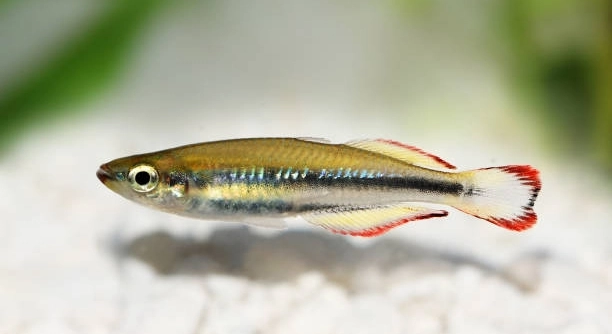
Do you want your aquarium to feel calm, enriching, and supportive of natural instincts while still looking clean, and balanced for everyday enjoyment at home with thoughtful choices that respect fish comfort and routine daily.
Tank features that promote natural behavior include appropriate substrate, structured hiding spaces, varied flow, stable lighting cycles, live plants, and adequate space, as these elements support instinctive movement, reduce stress, encourage exploration, and allow species-specific behaviors to occur in aquariums.
These carefully selected features shape healthier routines, improve welfare, and create environments where fish can thrive naturally over time together.
Natural Substrate and Tank Flooring
I always notice calmer behavior when fish interact with a substrate that reflects their natural habitat. Sand, fine gravel, or mixed materials allow digging, grazing, and resting without strain. Proper substrate supports beneficial bacteria, improves waste breakdown, and stabilizes water conditions over time. Texture matters, as sharp edges can damage fins and sensitive mouths. Depth also plays a role, giving burrowing species space while keeping maintenance manageable. Color influences stress levels, since overly bright tones can feel unnatural. A balanced substrate choice helps fish establish routines, explore comfortably, and display instinctive movements. This foundation shapes daily behavior more than decorations alone. When the tank floor feels familiar, fish spend less time hiding and more time moving naturally, feeding steadily, and maintaining healthier activity patterns. It quietly influences breeding behaviors, territorial boundaries, and overall confidence within shared spaces. This choice often determines long-term stability and reduces unnecessary stress responses for species.
Substrate selection affects comfort, health, and expression of instinctive habits. Choosing appropriate texture, depth, and color creates a stable base that supports natural feeding, movement, and rest while reducing visible stress behaviors in aquariums. This foundation influences daily routines and overall behavioral balance across different freshwater and marine tank setups.
I tend to prioritize substrate before decorations because it quietly supports every other feature. Fish interact with the tank floor constantly through feeding and movement. A thoughtful choice reduces injury risks and supports biological filtration. It also anchors plants and hardscape securely. Over time, consistent substrate conditions help fish settle into predictable patterns. This stability encourages natural exploration instead of defensive hiding. When combined with proper maintenance, substrate becomes a long-term asset rather than a visual afterthought. This practical approach simplifies care routines and supports healthier behavior across diverse species in both small community tanks and larger specialized aquatic systems.
Structured Hiding Spaces and Shelter
Hiding spaces allow fish to retreat, rest, and observe without constant exposure. Caves, plants, and driftwood reduce stress by offering security. These features support natural boundaries, improve social balance, and help fish recover from stimulation within shared tank environments while maintaining visual interest and functional layout for long-term housing needs.
I often see noticeable changes when adequate shelter is added to an aquarium. Fish become less reactive and more consistent in their movements. Structured hiding areas mimic natural rock crevices, roots, and dense vegetation found in native habitats. These spaces allow fish to establish territories without constant confrontation. Shy species gain confidence, while active species learn boundaries. Shelter also supports natural sleep patterns by reducing light exposure during rest periods. When fish feel secure, feeding improves and aggressive displays decline. Placement matters, since evenly distributed shelters prevent overcrowding in one area. Materials should be safe, smooth, and sized appropriately for each species. Over time, well-designed hiding spaces encourage balanced social behavior and reduce stress-related health issues. This results in calmer tanks that feel organized and biologically supportive rather than chaotic or artificial. They also support breeding behaviors by providing protected zones for spawning and recovery. Fish use shelters to regulate interactions and conserve energy. Consistent access to cover reduces visible signs of distress and supports long-term stability in community tanks. This balance helps maintain healthy social structure, minimizes dominance disputes, and allows fish to engage in instinctive routines without constant disruption from tank mates or environmental stressors over time naturally.
Balanced Water Flow and Movement
Balanced water flow supports swimming patterns, breathing efficiency, and natural positioning within the tank. Gentle currents encourage exploration, while calmer zones allow rest. Matching flow strength to species needs reduces exhaustion, limits stress behaviors, and helps fish maintain steady feeding routines without constant struggle during daily activity cycles over time.
Flow direction and consistency influence how fish use space throughout the tank. I prefer adjustable filters that create varied movement rather than a single strong current. This allows fish to choose areas that suit their energy levels. Bottom dwellers benefit from slower zones, while active swimmers engage with moving water. Proper circulation also supports oxygen distribution and waste transport. When flow feels predictable, fish appear more confident and less reactive. Sudden turbulence often leads to hiding or erratic swimming, which disrupts natural behavior patterns over time. Consistency supports long-term comfort and routine stability for community tanks across mixed species setups.
I notice healthier behavior when flow changes are gradual and intentional. Sudden increases can overwhelm smaller or slower fish. Using spray bars or diffusers softens output and spreads movement evenly. Regular maintenance keeps flow consistent by preventing clogs. Observing swimming effort helps guide adjustments. Fish should move with the current, not fight it constantly. When water movement aligns with natural habitats, activity appears purposeful and calm. This balance supports feeding, resting, and social interaction without forcing fish into constant motion or avoidance behaviors over long-term tank conditions and stability for diverse freshwater and marine species kept in captivity today carefully.
Consistent Lighting Cycles
Consistent lighting cycles regulate activity, rest, and feeding rhythms. Timed lighting helps fish anticipate changes without stress. Excessive brightness or irregular schedules can disrupt sleep patterns. I rely on steady light duration to mirror natural day and night exposure. Proper lighting encourages normal color display, reduces hiding, and supports predictable behavior across shared tank environments for long-term health and behavioral stability in both freshwater and marine setups with minimal adjustment needs over time periods consistently.
Lighting intensity and spectrum should reflect species requirements rather than visual preference alone. I avoid sudden on and off transitions by using timers or dimming features. Gradual shifts reduce startle responses and unnecessary hiding. Stable lighting also supports plant growth, which further enhances natural behavior. Fish often synchronize feeding and movement with light cues. When lighting remains predictable, aggression appears reduced and rest periods become more defined. Algae growth is easier to manage with consistent schedules. This structure supports routine, reduces environmental stress, and allows fish to behave in ways that feel instinctive and balanced within enclosed habitats. It also simplifies maintenance and observation for ongoing care without disrupting established patterns or daily behavior in long-term aquarium setups managed with consistent schedules and careful planning.
Live Plants and Natural Cover
Live plants provide cover, grazing surfaces, and visual boundaries that support natural behavior. They soften the environment and reduce open exposure. Fish use plants for resting, feeding, and shelter. I see calmer movement and fewer stress signals when greenery fills the tank space in balanced aquatic layouts over time consistently.
Plants also improve water quality by absorbing waste and stabilizing conditions. Rooted and floating varieties create layered habitats. I prefer hardy species that match lighting levels. When plants thrive, fish explore more confidently, display natural feeding patterns, and rely less on constant hiding behaviors daily within well-maintained aquarium systems overall.
Adequate Tank Size and Open Space
Adequate tank size allows fish to swim, turn, and interact without restriction. Limited space often causes tension and repetitive pacing. I choose tanks based on adult size, not temporary growth stages. Open swimming areas balance decorations and prevent crowding. Larger volumes dilute waste more effectively and stabilize temperature and chemistry. Fish in properly sized tanks show smoother movement and clearer social structure. Space supports natural hierarchies and reduces constant territorial disputes. This foundation improves long-term health, behavior consistency, and overall comfort within shared aquatic environments over extended periods, especially in community tanks with multiple species coexisting under stable care routines.
Species-Appropriate Tank Layout
Tank layouts should reflect species habits rather than aesthetics alone. Rock placement, open zones, and cover must align with natural behaviors. I plan layouts around movement patterns. When structure matches instinct, fish settle faster, interact calmly, and use the entire tank instead of isolating themselves during daily activity cycles naturally.
FAQ
How do tank features influence natural fish behavior?
Tank features shape how fish move, rest, feed, and interact daily. When the environment reflects natural conditions, fish rely less on stress responses. I notice smoother swimming, steadier feeding, and fewer sudden reactions. Proper layout allows instinctive behaviors like grazing, schooling, or territory use. Without supportive features, fish often hide excessively or show repetitive movement. Natural behavior depends on predictability, comfort, and space. Each feature works together rather than alone. Substrate, cover, lighting, and flow combine to create a stable setting where fish can act in ways that feel familiar and balanced.
Can poor tank design cause stress even if water quality is good?
Yes, stress can exist even when water parameters test within range. Fish experience their environment through space, structure, and routine. I have seen fish remain tense despite clean water because the layout lacked shelter or proper flow. Constant exposure, overcrowding, or harsh lighting creates pressure that water tests cannot show. Stress often appears as hiding, aggression, or loss of appetite. Tank design supports mental comfort just as much as chemical balance. Both elements are necessary for healthy behavior over time.
Do all fish benefit from the same tank features?
Fish share basic needs, but details vary by species. Some prefer strong currents, while others need still water. Bottom dwellers interact more with substrate, while surface swimmers focus on open space. I always adjust features based on adult size and natural habitat. Community tanks require compromise, but thoughtful planning prevents conflict. Universal features like stable lighting and shelter help most fish. Species-specific adjustments fine-tune behavior and reduce long-term stress in mixed setups.
How much cover is considered too much?
Excessive cover can limit swimming space and trap waste. Balance is essential. I aim for visible shelter without blocking flow or light. Fish should move between open and protected areas freely. When cover dominates the tank, fish may remain hidden and inactive. Too little cover causes constant exposure and tension. Observing how fish use space helps guide adjustments. The right amount supports confidence without encouraging isolation or inactivity.
Does tank size matter more than decorations?
Tank size sets the foundation for everything else. Decorations enhance behavior, but space determines freedom of movement. I prioritize tank volume before adding features. A well-decorated small tank still limits natural swimming patterns. Adequate size reduces territorial conflict and stabilizes conditions. Decorations should complement space, not replace it. Fish in larger tanks appear calmer and more consistent in behavior. Size supports long-term stability that decorations alone cannot provide.
How quickly do fish respond to improved tank features?
Behavior changes often appear within days. I usually notice reduced hiding and smoother movement first. Feeding improves shortly after. Full adjustment takes longer, especially for stressed fish. Consistency matters more than speed. Sudden changes can overwhelm fish. Gradual improvements allow them to adapt comfortably. Over time, natural behaviors become routine rather than reactive.
Are artificial decorations less effective than natural ones?
Artificial decorations can still support behavior if designed safely. Shape and placement matter more than material. I focus on smooth surfaces, proper scale, and stable positioning. Natural materials often offer better texture and realism, but quality artificial options work well. The goal is function, not appearance. Fish respond to usable space, shelter, and flow patterns rather than decoration labels.
How does lighting affect daily behavior?
Lighting controls activity cycles. Fish often become active when lights rise and rest when they dim. I rely on consistent timing to reduce startle responses. Irregular lighting disrupts feeding and rest. Excessive brightness causes hiding. Proper lighting encourages normal color display and steady routines. It also supports plant health, which further improves behavior. Predictability keeps fish calm and responsive.
Is it necessary to redesign the entire tank to improve behavior?
Not always. Small changes can have noticeable effects. Adjusting flow, adding one shelter, or improving lighting timing often helps. I prefer gradual improvements to avoid overwhelming fish. Observing responses guides further changes. Complete redesigns are useful when behavior issues persist. Incremental adjustments maintain stability while improving comfort.
Can promoting natural behavior improve long-term health?
Yes, behavior and health are closely linked. Fish that move naturally eat better, rest properly, and show fewer stress signals. I see stronger coloration and steadier growth when environments support instinct. Reduced stress supports immune function. Over time, tanks designed for behavior require fewer interventions. Natural behavior reflects internal balance, making it a reliable indicator of overall well-being in aquarium care.
Final Thoughts
Creating a tank that supports natural behavior is not about perfection or complex design. It is about making thoughtful choices that respect how fish move, rest, and interact each day. I have learned that small adjustments often bring the biggest improvements. A stable layout, predictable lighting, and balanced space allow fish to settle into steady routines. When their environment feels familiar, behavior becomes calmer and more consistent. Fish spend less time hiding and more time engaging with their surroundings. This balance improves not only appearance but also daily care. Tanks designed with behavior in mind tend to feel quieter and easier to manage over time. The focus shifts from constant correction to steady observation and maintenance.
Natural behavior also reflects long-term stability. Fish that swim smoothly, feed regularly, and rest without disruption are responding positively to their environment. These signs are often more telling than test results alone. While water quality remains essential, physical structure and routine shape how fish experience their space. I have noticed that tanks built around behavior require fewer changes once established. Fish adapt faster and respond better to consistency. This approach reduces stress for both the fish and the caretaker. It also supports a more realistic view of aquarium keeping, where comfort and function matter more than visual trends or crowded designs.
Taking time to observe behavior helps guide better decisions. Each tank offers feedback through movement, positioning, and interaction. When fish appear relaxed and purposeful, it is usually a sign that their needs are being met. Designing with natural behavior in mind encourages patience and awareness. It reminds me that aquariums are living systems rather than static displays. By prioritizing space, structure, and routine, the tank becomes a supportive environment rather than a source of constant adjustment. This mindset leads to healthier fish, steadier care routines, and a more balanced aquarium experience over time.

Hello,
If you enjoy the content that we create, please consider saying a "Thank You!" by leaving a tip.
Every little bit helps us continue crafting quality advice that supports the health, happiness, and well-being of pets around the world, for pets of all shapes, sizes, and species.
We really appreciate the kindness and support that you show us!