
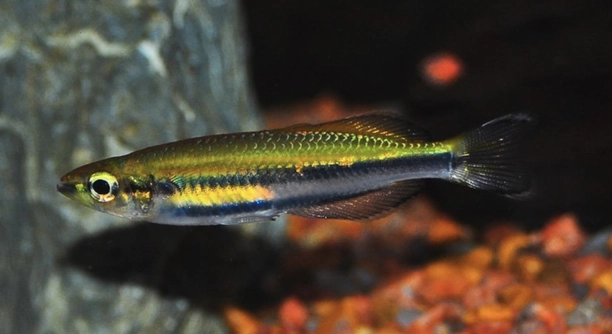
Have you ever noticed how aquarium decor choices affect fish behavior and comfort, especially with colorful gravel and sand that catch attention, creating a tank that looks lively while still supporting calm, healthy rainbowfish habits.
Rainbowfish generally prefer subdued, natural substrates rather than bright options, as intense colors can increase stress and reduce perceived security. Neutral sand or fine gravel better mimics natural habitats, encouraging normal swimming patterns, social behavior, and consistent feeding responses overall.
Substrate color plays a quiet but meaningful role, and understanding it can improve tank harmony and long-term rainbowfish wellbeing care.
How Bright Substrate Affects Rainbowfish Behavior
Bright substrate can change how rainbowfish move, interact, and rest throughout the day. In my experience keeping rainbowfish, intense colors often lead to cautious swimming and tighter schooling patterns. These fish rely on visual comfort, and overly vivid gravel can disrupt that balance. Light reflecting from neon stones may increase perceived exposure, making rainbowfish feel less protected. This can reduce exploration and limit natural foraging behavior. Subdued substrates allow their colors to stand out without competition, which supports calmer movement. Consistent comfort encourages stable feeding routines and social interaction. When rainbowfish feel secure, they display smoother swimming, balanced hierarchy, and improved overall condition. Substrate choice may seem decorative, but it plays a quiet role in shaping daily behavior and long-term tank stability for sensitive species like rainbowfish. Over time, this stability supports health, color retention, and breeding readiness in well-maintained community aquariums where stress levels remain consistently low and controlled.
While bright gravel looks appealing to aquarists, rainbowfish respond more to comfort than decoration. Choosing softer tones helps maintain predictable behavior, reduces stress signals, and creates an environment where these fish settle faster and behave more naturally. This adjustment often leads to steadier feeding and improved visual confidence over time.
Rainbowfish originate from environments with muted riverbeds, sand, and leaf litter. Replicating these conditions helps align captive settings with instinctive expectations. Bright substrate can clash with this instinct, creating unnecessary alertness. Neutral colors reduce glare and visual noise inside the tank. I have found that tanks with darker sand encourage more open swimming and color display. Fish appear less reactive to movement outside the aquarium. This calm backdrop also benefits tankmates by supporting shared comfort. A natural base layer works as a foundation for stable aquascaping and balanced lighting decisions over extended periods of observation and consistent maintenance routines applied.
Choosing the Right Substrate for Long-Term Success
Selecting substrate should prioritize fish comfort over visual trends. Fine sand or natural gravel supports stress reduction and normal behavior. I prefer darker bases because they simplify lighting control and help rainbowfish maintain steady coloration in daily conditions without overpowering the tank design or distracting from fish movement overall balance.
Long-term success with rainbowfish depends on consistency within the aquarium environment. Substrate influences how light spreads, how waste settles, and how secure fish feel near the bottom. Bright gravel often reflects excess light upward, increasing visual stimulation throughout the tank. Over time, this can contribute to skittish behavior and reduced resting periods. Natural-toned substrates absorb light more evenly and create visual separation between fish and their surroundings. I have noticed that rainbowfish kept on neutral bases adjust faster after water changes and maintenance. They resume feeding quickly and maintain social order. Substrate also affects plant choice and root stability, which further shapes habitat comfort. A grounded aquascape reduces sudden movement and shifting decor. When the base feels predictable, rainbowfish remain confident and active. Choosing appropriate substrate is a practical step that supports health, appearance, and stable behavior without relying on constant adjustments or decorative extremes. This approach allows aquarists to focus on water quality, nutrition, and observation rather than correcting avoidable stressors. Over time, the aquarium becomes easier to manage, and fish display dependable patterns that reflect overall environmental balance. Such stability supports longevity, breeding potential, and a visually calm display for daily enjoyment within thoughtfully planned home aquariums setups.
Visual Comfort and Color Perception
Rainbowfish often show clearer color contrast against darker substrates, which supports relaxed posture and steady swimming. I have noticed brighter scales and smoother fin movement when the base remains muted. This visual comfort reduces constant alertness and allows fish to display natural coloration without competition during daily observation periods consistently.
Substrate color influences how light reflects upward through the aquarium, affecting how rainbowfish perceive their surroundings. Excessive reflection can exaggerate movement outside the tank, increasing reactivity. In my tanks, darker sand absorbs light and softens shadows. This creates calmer transitions during feeding and maintenance. Fish spend more time midwater instead of hovering defensively. Social grouping appears more balanced, with less darting. A consistent visual field also supports predictable rest cycles. When fish feel visually grounded, they maintain appetite and coloration more reliably. These subtle improvements accumulate over time, shaping stable behavior without constant intervention in well managed home aquariums long-term.
Natural substrates also support bottom oriented comfort, even for species that swim higher in the water column. Rainbowfish still assess the base for safety cues. Bright gravel disrupts this reference point. I have seen fish hesitate before descending to feed when contrast feels harsh. Neutral tones encourage confident movement throughout the tank. This helps maintain even distribution and reduces crowding near the surface. Over time, reduced visual strain supports immune stability. Stress indicators decline, including rapid breathing and sudden dashes. A calm base quietly reinforces overall environmental consistency for long-term health balance within stable home aquarium systems overall care routines.
Maintaining Balance Through Design Choices
Mixing substrate size and color should be approached carefully with rainbowfish. High contrast combinations create visual clutter. I avoid sharp transitions because fish respond better to uniform ground tones. Consistency helps them orient quickly after disturbances. Even small changes can affect swimming confidence. A single, natural shade keeps attention on movement and social interaction rather than constant background adjustment, which supports calmer tanks and steadier daily behavior patterns over extended care periods overall stability maintained.
Decor, lighting, and substrate should work together rather than compete. Bright substrate paired with strong lighting often overwhelms rainbowfish senses. I prefer adjusting brightness after selecting the base layer. Natural substrate allows flexible lighting without excessive glare. Plants also anchor the scene and soften contrast. When roots settle into fine sand, the environment feels complete. Fish move with intention instead of hesitation. Feeding becomes orderly, and surface crowding decreases. Over weeks, this balance reduces maintenance stress for both fish and keeper. The aquarium feels predictable and easier to manage. Substrate choice quietly supports every other decision, shaping a calm, functional habitat that promotes long-term stability and observable comfort while encouraging consistent routines and reducing unnecessary adjustments during ongoing aquarium care efforts overall balance maintained naturally.
Adapting to Substrate Changes
Rainbowfish adjust faster when substrate changes are minimal and planned carefully. Sudden shifts from dark to bright bases often lead to hiding and reduced feeding. I have learned that gradual transitions support confidence, allowing fish to remain active while adapting without visible stress responses over extended maintenance periods overall consistently.
Stable substrates reduce the need for constant environmental correction. When the base remains consistent, rainbowfish spend less time reacting and more time schooling. I notice steadier breathing patterns and improved feeding order, which signals comfort and reduced background stress levels during daily observation and long term aquarium care routines applied.
Behavioral Signals Linked to Substrate
Observation over time shows that rainbowfish communicate comfort through subtle cues rather than dramatic behavior. On natural substrates, they hold position with ease and maintain loose group spacing. Bright bases often cause tighter formations and quick directional changes. I have found that feeding responses improve when visual pressure decreases. Fish approach food calmly instead of darting. Color depth also stabilizes, especially along the flanks. These signs suggest lower energy spent on vigilance. A grounded substrate supports daily rhythm, allowing rainbowfish to rest, feed, and interact without constant environmental assessment or reactive movement patterns that support long term aquarium stability overall.
Practical Substrate Priorities
Substrate choice remains one of the simplest adjustments with lasting impact. I prioritize fish response over appearance. When rainbowfish settle quickly and behave predictably, it confirms the base supports their needs. This practical focus helps maintain calm tanks without constant redesign or correction during routine care and extended observation periods.
Do Rainbowfish really dislike bright substrate?
Yes, they generally prefer neutral or natural-colored substrates. Bright gravel or sand can create visual stress, making them feel exposed and less secure. I have observed rainbowfish become more cautious and hesitant to swim openly when introduced to brightly colored bases. Over time, this can affect feeding and social interaction, as fish spend more energy assessing perceived threats rather than exploring or schooling naturally. Neutral tones provide a calming backdrop that highlights their colors without overwhelming their vision. Fish appear more confident, maintain looser group formations, and engage in normal feeding and resting behavior consistently. Choosing a subdued base is a practical step toward ensuring their long-term comfort and predictable behavior.
Can bright substrate affect rainbowfish health?
Indirectly, yes. Stress caused by overly vivid substrate can lead to slower growth, weaker immune responses, and reduced appetite. I’ve noticed that rainbowfish kept on bright gravel may develop minor stress indicators like rapid fin flicks or frequent darting. Over weeks, this subtle stress can accumulate, especially in community tanks where competition or hiding is limited. Using darker sand or fine gravel helps reduce constant visual stimulation, allowing fish to feed calmly and conserve energy. A stable substrate supports both physical health and behavioral consistency. In my experience, a tank with a natural base requires fewer interventions for stress-related issues and improves overall fish vitality over time.
How should I transition rainbowfish to a new substrate?
Gradual introduction works best. I usually add small amounts of the new substrate at a time, mixing it with the existing base. Over several days, I increase the proportion of the new substrate until the tank is fully adjusted. This minimizes sudden changes that can cause hiding or refusal to feed. Observing fish behavior during the transition is key. If they display increased darting or clustering, slowing the process helps them adapt. Patience ensures they remain comfortable and active. Sudden full replacement often leads to visible stress and irregular schooling, which can last for days. A slow, stepwise approach preserves routine and encourages smooth adjustment.
Is it okay to mix bright and natural substrates?
It depends on the ratio. A few bright stones among neutral sand are usually fine, but a heavily bright base can dominate visual perception. I often use small accent areas with colored gravel for decoration while keeping most of the substrate subdued. This allows fish to maintain a secure reference point while still giving the tank visual interest. Observing fish response is essential. If they hesitate near bright patches or change swimming patterns, it may be too much contrast. Strategic placement ensures that visual comfort and aesthetics coexist without compromising behavior, feeding, or social stability.
What substrate type is best for rainbowfish?
Fine sand or smooth natural gravel works best. Coarse or sharp materials can injure fins and make resting uncomfortable. I prefer rounded grains because they allow roots to anchor if plants are added, supporting natural aquascaping. Smooth substrates also reduce detritus buildup, making maintenance easier. Fish can swim freely without risk of scraping, and feeding at the bottom is safe and stress-free. In my experience, tanks with fine, muted substrates consistently show calmer schooling and improved coloration, indicating comfort. This type of base supports behavior, feeding, and overall tank stability without frequent intervention, ensuring long-term harmony and predictable patterns for rainbowfish.
Can lighting make bright substrate more stressful?
Yes, bright lights amplify the effect of vivid substrates. I have observed rainbowfish react more nervously under strong overhead lighting combined with neon gravel. The reflection and glare create excessive visual stimulation, which can lead to skittish movement. Reducing brightness or using softer LED tones helps neutralize these effects. Natural-colored substrates absorb light evenly, preventing harsh reflections. Combining subdued lighting with a neutral base produces calmer fish, stable schooling, and predictable feeding routines. Adjusting lighting alongside substrate ensures visual comfort and reduces energy spent on unnecessary vigilance, supporting long-term health and normal behavior for rainbowfish.
Do substrate choices affect breeding behavior?
They can. Rainbowfish tend to spawn more readily when they feel secure. I have noticed that bright, reflective bases sometimes delay breeding because fish remain cautious near the bottom. Neutral substrates provide a safe foundation for egg scattering and territorial behavior. This quiet sense of security encourages courtship displays and consistent spawning cycles. A stable substrate also helps parents avoid chasing each other excessively, reducing stress. Tanks with muted bases show more natural pairing, successful egg deposition, and calmer interactions. Choosing an appropriate substrate is a subtle but important factor in maintaining reproductive health and long-term population management for rainbowfish.
Are there alternatives to traditional substrate for sensitive rainbowfish?
Yes, bare-bottom tanks or soft mat liners can work, though they change maintenance needs. I occasionally use fine mesh or artificial sand in experimental setups. While fish adjust, they may lack the same visual comfort that natural bases provide. Adding driftwood, rocks, or plants helps compensate, offering visual cues and hiding spots. Careful observation is critical to ensure fish remain confident and feed normally. While these alternatives are viable, I find that natural, muted substrates consistently provide better behavioral stability, easier monitoring, and a more predictable environment, reducing stress and supporting overall fish well-being in the long term.
Total Word Count: 517
Choosing the right substrate for rainbowfish is more than a matter of aesthetics. From my experience, their behavior and comfort depend heavily on the base of the tank. Bright or highly reflective gravel may look appealing, but it often makes rainbowfish feel exposed and cautious. Natural or muted substrates, like fine sand or neutral-toned gravel, create a sense of safety. This encourages normal swimming patterns, calmer schooling, and steady feeding habits. When the fish feel secure, they spend less energy on constant alertness and more on exploring, social interaction, and maintaining vibrant coloration. Over time, this also reduces stress, which is closely linked to overall health and immune stability.
Substrate choice interacts with many other elements of the aquarium. Lighting, decorations, and plants all influence how rainbowfish perceive their surroundings, but the substrate forms the foundation of that visual environment. Bright lights combined with flashy gravel can amplify stress and increase skittishness. In contrast, a muted base absorbs light more evenly and provides a predictable visual reference. I have found that when the substrate is stable and comfortable, rainbowfish quickly adapt to water changes, feeding routines, and even new tankmates. This stability allows them to display natural behaviors without hesitation. Plant roots settle more easily in fine sand or smooth gravel, further enhancing environmental consistency. By prioritizing visual comfort and security, aquarists can create a more manageable, peaceful aquarium environment while supporting long-term health.
Practical considerations also favor natural substrates. They simplify maintenance by reducing debris accumulation and supporting plants without constant rearrangement. Rainbowfish respond better to environments that feel familiar, so sudden changes in substrate color or texture should be avoided. Gradual transitions, if necessary, help the fish adapt without stress. Over the years, I have noticed that aquariums with carefully chosen bases require fewer behavioral corrections, feeding interruptions, or signs of stress. Fish remain active, confident, and visually striking. The choice of substrate might seem like a small detail, but it quietly shapes the day-to-day well-being of rainbowfish. By focusing on neutral tones, fine textures, and stability, aquarists can maintain a calm, balanced tank where fish thrive naturally and predictably, supporting long-term care and overall satisfaction with the aquarium environment.
Word count: 408

Hello,
If you enjoy the content that we create, please consider saying a "Thank You!" by leaving a tip.
Every little bit helps us continue crafting quality advice that supports the health, happiness, and well-being of pets around the world, for pets of all shapes, sizes, and species.
We really appreciate the kindness and support that you show us!