
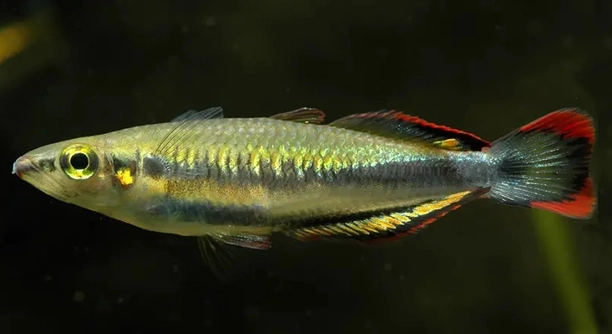
Are your rainbowfish acting restless or skittish after a recent water change? Many aquarium enthusiasts notice their fish darting around more than usual or hiding in corners, leaving owners puzzled about this sudden change in behavior.
Rainbowfish often react jumpily after water changes due to sudden shifts in water parameters such as temperature, pH, and chemical composition. These rapid changes can stress the fish, triggering heightened alertness and erratic swimming as a natural survival response.
Understanding why these reactions occur can help you create a calmer environment and maintain healthier, happier rainbowfish in your tank.
Recognizing Signs of Stress
I noticed that my rainbowfish showed clear signs of stress after water changes. They would swim erratically, bump into decorations, or suddenly dart to the corners of the tank. Their fins sometimes clamped, and they hid more than usual. These behaviors are subtle at first but become more obvious with repeated water changes. Stress can also affect their appetite and social interactions. Watching them closely helps me determine if the water conditions are causing discomfort. Over time, I learned that consistent monitoring is essential. Stress signs often include rapid gill movement, loss of color, or staying near the surface. Addressing these early prevents long-term health issues. Creating a stable environment, including proper temperature, pH balance, and hiding spots, reduces stress significantly. Noticing these patterns allowed me to make adjustments that made the fish calmer and more comfortable during changes, improving their overall well-being and reducing erratic behavior.
Erratic swimming and hiding are common signs of stress in rainbowfish after water changes.
Observing these behaviors allows for timely adjustments to water conditions, helping reduce stress and maintain healthy fish.
Stress signs can be subtle, so paying close attention to behavior, color, and swimming patterns is important. Early detection prevents serious health issues.
Adjusting Water Parameters Carefully
Matching water temperature and chemistry helps rainbowfish feel secure.
Small differences in pH, hardness, or temperature can create noticeable stress. Adjusting these slowly and consistently allows the fish to adapt naturally without panic or sudden movement. Proper preparation prevents erratic behavior.
When I prepare for a water change, I carefully test the replacement water to ensure it aligns with the tank’s conditions. Using a thermometer and test kits, I check temperature, pH, and hardness before adding any water. Slowly introducing the new water in intervals over 20–30 minutes allows the fish to acclimate comfortably. I also make sure to avoid strong water currents or splashing that can startle them. Over time, these steps have made water changes much smoother, with less darting or hiding. Consistency is key; keeping water parameters stable reduces stress and promotes healthy swimming, feeding, and social behavior. Taking these precautions ensures that rainbowfish remain calm and resilient, improving their long-term health and making maintenance easier for me.
Feeding and Stress
Sudden water changes can affect rainbowfish feeding habits. My fish sometimes refuse food or eat less after a change, showing signs of stress that need attention to maintain their health.
I noticed that after a water change, my rainbowfish often hesitated to eat for a few hours. Stress can reduce appetite and disrupt their usual feeding schedule. To help them, I started offering small amounts of food in several intervals rather than one large feeding. Observing their behavior during feeding allowed me to gauge if stress levels were decreasing. Consistent feeding routines and careful monitoring helped the fish return to normal eating patterns more quickly, reducing the risk of nutritional deficiencies.
Providing hiding spots near feeding areas also helped my rainbowfish feel secure enough to eat. Gradual water changes and maintaining stable conditions encouraged calmer behavior, allowing them to resume normal feeding more consistently. Watching closely for any signs of stress ensures their long-term health and reduces erratic behavior.
Tank Environment Adjustments
Adding plants and decorations creates safer spaces for rainbowfish.
I rearranged parts of my tank to provide more cover and resting areas. This helps reduce stress and makes them feel secure after water changes.
After noticing my rainbowfish darting and hiding excessively, I added live plants and small decorations in multiple areas. These additions gave them spots to retreat and feel safe during and after water changes. I also ensured that open swimming areas were maintained, balancing space for activity and places for security. Over time, the fish became calmer during water changes, often exploring the tank instead of panicking. I realized that a well-structured environment is just as important as stable water parameters. Plants not only reduce stress but also improve water quality, offering natural filtration and oxygenation. Decorations help break up currents and prevent strong flow from startling them. By combining careful water adjustments with a thoughtfully arranged tank, my rainbowfish adapted more comfortably, maintaining both activity and overall well-being.
Monitoring Water Quality
Testing water regularly ensures rainbowfish stay healthy. I check parameters like pH, temperature, and hardness before and after changes to prevent stress and erratic behavior.
Keeping track of chemical levels helps identify any sudden shifts. Observing these numbers consistently allowed me to make adjustments early, keeping the fish calm and reducing unexpected reactions.
Reducing Sudden Changes
I learned that gradual water replacement is key. Slowly adding new water over 20–30 minutes keeps rainbowfish from panicking.
Using Conditioners
Water conditioners help neutralize harmful chemicals. Adding them before changes protects my rainbowfish from stress and sudden shocks in the tank.
Observation Routine
Watching rainbowfish behavior after each change helps me adjust care. Noting their activity, hiding spots, and feeding patterns guides future water adjustments and tank management.
FAQ
Why do rainbowfish jump after water changes?
Rainbowfish often jump or swim erratically after water changes because sudden shifts in temperature, pH, or water hardness create stress. I noticed that even minor differences can trigger a reaction. They rely on stable conditions, and abrupt changes make them feel unsafe, which leads to darting or jumping behavior.
How can I reduce stress during water changes?
Gradual water changes are key. I usually add new water slowly over 20–30 minutes to allow the fish to acclimate. Matching temperature and chemical levels to the tank reduces panic. Providing hiding spots and maintaining consistent lighting also helps them feel secure.
Is it normal for rainbowfish to hide after a water change?
Yes, hiding is a natural response to stress. My rainbowfish often retreat behind plants or decorations when water changes are done too quickly. This behavior decreases as I make water adjustments more gradual. Hiding helps them feel safe and recover from the sudden environmental shift.
How often should I change the water to minimize stress?
Smaller, frequent water changes work better than large, infrequent ones. I do 10–20% water changes weekly instead of larger changes monthly. This keeps water parameters stable and reduces sudden stress, keeping rainbowfish calmer and healthier.
Do water conditioners help reduce jumpy behavior?
Yes, using conditioners before a water change helps neutralize chlorine, chloramine, and heavy metals. I always add the correct dose before introducing new water. This prevents chemical shocks that can make rainbowfish swim erratically or hide excessively.
Can temperature changes cause rainbowfish to act jumpy?
Absolutely. I learned that even a 1–2°C difference can trigger stress. Using a thermometer to match new water to the tank temperature ensures smoother acclimation. Stable temperatures are one of the most effective ways to prevent sudden jumps or frantic swimming.
What signs indicate rainbowfish are stressed after water changes?
Stress signs include darting, clamped fins, loss of color, hiding, reduced appetite, or rapid gill movement. I keep a close eye on these behaviors after each water change to adjust care and reduce stress quickly.
Should I feed my rainbowfish immediately after a water change?
Not always. I wait until they calm down, as stress can suppress appetite. Offering smaller meals once they resume normal swimming ensures they eat without pressure and reduces risk of leftover food polluting the tank.
Do tank decorations help reduce jumpiness?
Yes, providing plants and hiding spaces makes a big difference. I added live plants and small decorations to my tank, which gave the fish safe spots to retreat. This reduces panic and helps them feel secure during water changes.
Can consistent observation improve water change routines?
Definitely. Watching behavior after each change allows me to adjust water temperature, pH, or replacement speed. Over time, this helped reduce erratic swimming and made water changes less stressful for my rainbowfish.
Are there long-term effects if stress is not managed?
Repeated stress can weaken the immune system, reduce growth, and increase susceptibility to disease. I noticed that rainbowfish exposed to abrupt changes often became more skittish. Managing stress ensures long-term health, better coloration, and more stable behavior.
Is it necessary to use a drip acclimation method?
While not always required, drip acclimation is very effective for sensitive rainbowfish. I sometimes use it when adding larger volumes of water or introducing new water with slightly different parameters. It allows the fish to adjust slowly, reducing panic and maintaining calm behavior.
How can I tell if water hardness affects my fish?
If rainbowfish dart or hide after a water change, hardness could be a factor. I test both the tank and new water. Adjusting hardness gradually with appropriate additives helps maintain comfort and reduces stress responses.
Can stress from water changes affect breeding?
Yes, I noticed that rainbowfish are less likely to spawn when stressed. Sudden changes interrupt normal behavior and reduce energy for breeding. Stable, gradual water adjustments help maintain both calm behavior and reproductive health.
What is the best way to monitor rainbowfish behavior during changes?
I watch swimming patterns, hiding frequency, fin position, and feeding. Keeping notes or a quick log after each change helped me identify which adjustments reduce stress. Observing closely allows for small improvements that make water changes smoother and less frightening for the fish.
How do I know if water parameters are matched correctly?
Testing both the existing tank water and new water is essential. I check pH, temperature, and hardness before introducing any water. Matching these closely ensures the rainbowfish feel safe and reduces the likelihood of jumpy or erratic behavior.
Can overfeeding affect stress after water changes?
Yes, overfeeding increases waste and can alter water chemistry, adding stress. I feed small portions and remove uneaten food promptly. This keeps the tank cleaner and reduces chemical fluctuations that can make rainbowfish uneasy.
Does lighting affect jumpiness?
Sudden changes in lighting during or after water changes can startle rainbowfish. I keep lights consistent and avoid turning them on or off abruptly. Stable lighting helps maintain calm behavior alongside controlled water adjustments.
How long does it take for rainbowfish to calm down after a water change?
It varies, but usually within a few hours if changes are gradual and water parameters are matched. I noticed that fish in well-planted, consistent tanks recover faster than those in bare or unstable tanks. Patience and careful adjustments are key.
Can different species of rainbowfish react differently?
Yes, some are more sensitive to water changes. I observed that smaller or more delicate species jump more frequently, while hardier types are calmer. Understanding the species’ tolerance helps plan safer water changes.
Is aeration important during water changes?
Aeration helps maintain oxygen levels, especially if new water is added slowly. I keep gentle air flow to prevent stress from low oxygen while avoiding strong currents that could trigger erratic swimming.
Should I remove my fish during large water changes?
Not usually. I found that leaving them in the tank and adding water gradually is safer. Removing fish can increase stress, and careful management of water parameters is generally sufficient to keep them calm.
Can water change timing affect behavior?
Yes, performing changes during active hours helps. I avoid changing water during their usual resting periods. Timing adjustments to match natural activity reduces additional stress and erratic responses.
How do I maintain stable pH after a water change?
I pre-test new water and use buffers if needed. Gradually introducing water and monitoring pH after the change helps prevent sudden shifts, keeping rainbowfish calm and reducing jumpy behavior.
Are there supplements that help reduce stress?
Some natural plant extracts or stress-reducing additives can help. I occasionally use them during major water changes, but consistent gradual adjustments remain the most reliable method.
Can frequent testing itself stress rainbowfish?
Testing is generally safe if done carefully. I avoid rapid movements and sudden introductions of test kits. Gentle handling and minimal disturbance ensure that observation doesn’t add extra stress to the fish.
Do rainbowfish communicate stress to each other?
Yes, I noticed that when one fish reacts to a water change, others sometimes mimic the behavior. Creating a stable environment and minimizing sudden changes helps the whole group remain calmer.
How do I combine all these methods effectively?
I start with testing water, adding conditioners, performing gradual changes, monitoring behavior, and providing hiding spots. Combining these steps consistently has kept my rainbowfish calm, feeding normally, and avoiding erratic jumping after every water change.
Rainbowfish are sensitive to changes in their environment, and water changes can be one of the most stressful events for them. I have seen firsthand how quickly they react to sudden shifts in temperature, pH, or water hardness. Even small differences can make them dart around or hide for long periods. Over time, I learned that understanding these reactions is essential for keeping them healthy and comfortable. Stress not only affects their behavior but can also weaken their immune system and impact feeding habits. Maintaining a stable environment with predictable water conditions helps them feel secure, and observing their behavior regularly allows for quick adjustments when needed.
One of the most important lessons I learned is that gradual water changes are far more effective than large, sudden replacements. Slowly introducing new water over a period of 20 to 30 minutes allows the fish to acclimate naturally. Matching temperature, pH, and hardness reduces shock and keeps their swimming and feeding behavior consistent. I also found that providing hiding spots, live plants, and gentle water flow creates a calmer environment. Watching them closely after each water change helped me identify stress signs early, such as clamped fins, darting, or reduced appetite. Over time, these strategies reduced erratic behavior significantly and made routine maintenance much easier.
Consistency and observation are key to maintaining healthy rainbowfish. By preparing water carefully, monitoring their reactions, and making small adjustments as needed, I have seen my fish become calmer and more confident in their tank. Feeding routines, stable lighting, and tank decorations all play a role in reducing stress during water changes. While stress cannot always be avoided completely, understanding their natural responses and creating a supportive environment ensures long-term health and well-being. Over the years, these practices have helped my rainbowfish thrive, allowing them to swim calmly, feed regularly, and interact naturally with each other, even after water changes.

Hello,
If you enjoy the content that we create, please consider saying a "Thank You!" by leaving a tip.
Every little bit helps us continue crafting quality advice that supports the health, happiness, and well-being of pets around the world, for pets of all shapes, sizes, and species.
We really appreciate the kindness and support that you show us!