
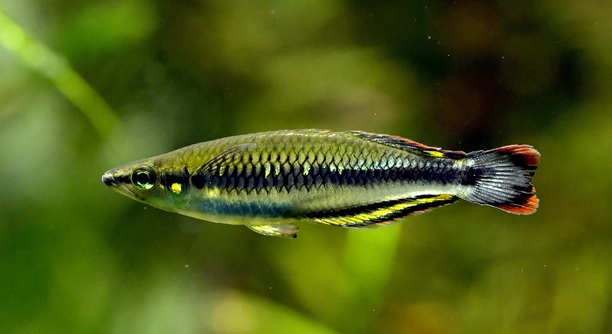
Have you ever watched your rainbowfish swimming gracefully and wondered how they react to sudden changes in their environment? These small, colorful creatures are sensitive and lively, often responding quickly to shifts in water conditions. Their behavior can tell a lot about their well-being.
Rainbowfish are capable of detecting temperature drops rapidly. Their sensory systems allow them to respond to changes in water temperature almost immediately, altering their swimming patterns, metabolism, and positioning within the tank to maintain comfort and survival.
Observing these subtle reactions can reveal much about their natural instincts and how best to care for them in home aquariums.
How Rainbowfish Sense Temperature Changes
Rainbowfish have specialized cells called thermoreceptors that detect subtle shifts in water temperature. These cells send signals to their nervous system, allowing them to react almost immediately. When the water cools, rainbowfish often slow their movements and seek warmer areas near heaters or the surface. Conversely, if the water suddenly warms, they may move toward shaded or deeper areas. Their gills also play a role in sensing temperature because water flow and oxygen levels can fluctuate with heat changes. Over time, these reactions help them avoid stress and maintain optimal health. Observing these behaviors can help aquarists adjust tank conditions promptly. Even minor temperature swings can influence feeding patterns, social interactions, and activity levels. For someone keeping rainbowfish, knowing how they respond provides a better understanding of their comfort and survival instincts. Paying attention to subtle signs ensures the fish remain active, healthy, and vibrant in their tank.
Their ability to sense temperature drops quickly is crucial for survival and maintaining proper metabolism.
Rainbowfish often respond within seconds to noticeable changes. They may swim slowly, gather near warmer areas, or cluster in calmer parts of the tank. This behavior is instinctive and helps them conserve energy while avoiding potential shock from cold water. These responses also guide caretakers in maintaining consistent tank conditions and ensuring the fish remain healthy and stress-free.
Maintaining Stable Temperatures for Rainbowfish
Stable water temperatures prevent sudden stress and health issues in rainbowfish. Proper monitoring keeps the tank environment consistent and safe.
Keeping rainbowfish in a temperature-controlled environment is essential because rapid changes can cause stress, reduce immune function, and affect their feeding behavior. Even a drop of a few degrees can make them less active or trigger erratic swimming. Using a reliable heater and thermometer ensures that water remains within the ideal range, usually between 24°C and 28°C. In addition to equipment, location matters; placing the tank away from windows, drafts, or direct sunlight helps avoid unexpected fluctuations. Seasonal changes should also be considered, as heating or cooling needs may vary. Consistent monitoring allows quick corrections before fish show signs of discomfort. Observing their behavior, such as hiding, clustering, or slower movement, gives early warning of temperature issues. Taking these steps not only keeps rainbowfish healthy but also enhances their vibrant colors and natural behavior, making them more enjoyable to watch and care for in any home aquarium.
Signs Rainbowfish React to Cold Water
When water temperature drops, rainbowfish may slow down, stay near the surface, or group together in warmer areas. Their gills move more slowly, and feeding activity can decrease. These subtle signals indicate that they are adjusting to avoid stress and conserve energy.
Observing rainbowfish closely reveals clear behavioral changes during temperature drops. They may reduce swimming speed, hover in one area, or hide among plants and decorations. Sudden cold can make them less social, with fewer interactions and less chasing or displaying. Even their coloration may dull slightly as a response to stress. Monitoring these signs allows caretakers to act quickly, adjusting heaters or relocating fish to maintain comfort. Consistent observation ensures that fish remain healthy and reduces long-term risks from repeated exposure to cold water.
Temperature drops also affect metabolic processes in rainbowfish. Lower temperatures slow digestion, making feeding less efficient. Fish may consume less food or struggle to process it properly. Reduced metabolism can impact growth and energy levels over time. Watching their behavior alongside temperature readings ensures that adjustments are made promptly. Small changes in tank setup, such as adding plants for cover or adjusting water flow, can make the fish more comfortable during sudden cold periods. Understanding these reactions helps maintain a stable, healthy environment for rainbowfish.
Tools for Monitoring Temperature Changes
Reliable thermometers are essential for keeping rainbowfish safe. Digital or floating thermometers provide accurate readings and help detect sudden drops quickly.
Using consistent temperature monitoring tools ensures that changes in the tank are noticed early. Floating thermometers offer constant visual checks, while digital ones provide precise measurements to the decimal. Some aquarists use alarms or smart sensors to alert them when water falls outside the ideal range. Combining these tools with regular observation of fish behavior creates a strong system for maintaining stable conditions. Timely responses prevent stress and health issues, keeping rainbowfish active and vibrant. Monitoring tools are simple investments that make caring for rainbowfish easier and more effective.
Adjusting Tank Conditions
Maintaining steady temperatures helps rainbowfish stay healthy. Sudden drops can cause stress, slow metabolism, and reduce activity. Adjusting heaters gradually prevents shocks and keeps the tank comfortable for all fish.
Adding decorations or plants can create warmer microzones in the tank. These areas allow rainbowfish to find spots with slightly higher temperatures.
Feeding Considerations During Cold Spells
When water temperature drops, rainbowfish may eat less because their metabolism slows. Providing smaller, more frequent meals ensures they get enough nutrition. Avoid overfeeding, as uneaten food can pollute cooler water and harm water quality. Adjusting feeding habits helps maintain energy and health during colder periods.
Watching Behavior Closely
Observing subtle changes in swimming, grouping, or hiding can indicate temperature stress. Early detection allows prompt action to protect the fish and maintain a stable environment.
FAQ
How quickly do rainbowfish sense temperature drops?
Rainbowfish can detect changes in water temperature almost immediately. Their thermoreceptors are highly sensitive, and even a small drop of one or two degrees can trigger noticeable behavioral changes. You may see them slowing down, clustering near warmer areas, or reducing their activity within minutes.
What is the ideal temperature range for rainbowfish?
Rainbowfish generally thrive in water temperatures between 24°C and 28°C. Maintaining this range ensures proper metabolism, healthy feeding, and normal activity levels. Sudden shifts outside this range can cause stress, affect coloration, and even suppress immune function. Consistency is key for their well-being.
Can sudden temperature drops harm rainbowfish permanently?
Yes, prolonged exposure to cold water or repeated rapid drops can harm rainbowfish. Stress from temperature fluctuations may lead to slower growth, weakened immunity, and increased susceptibility to disease. Short-term drops are usually recoverable if corrected quickly, but repeated exposure should be avoided.
How can I detect if rainbowfish are stressed by cold water?
Signs of stress include slower swimming, hiding, reduced feeding, clamped fins, or dull coloration. Some rainbowfish may cluster in warmer areas or remain near heaters. Watching their behavior closely provides early warning so you can adjust tank conditions promptly.
Do rainbowfish need extra food during colder periods?
Not necessarily. Their metabolism slows when temperatures drop, so they usually require smaller, more frequent meals instead of increased quantities. Overfeeding in cooler water can cause uneaten food to decay, which reduces water quality and may worsen stress.
What tank adjustments help rainbowfish cope with temperature changes?
Adding plants or decorations can create microzones with slightly different temperatures. Using reliable heaters and thermometers ensures stability. Avoid placing the tank near drafts, windows, or direct sunlight to minimize sudden fluctuations. Gradual temperature changes are safer than rapid adjustments.
Are some rainbowfish species more sensitive to temperature drops?
Yes, tropical species like Boesemani or Australian rainbowfish are generally more sensitive than hardier varieties. Sensitivity can vary based on age, health, and acclimation. Younger or weaker fish may need extra care to avoid stress from temperature swings.
How often should I check the tank temperature?
Daily monitoring is ideal, especially during seasonal changes or when heaters are used. Visual checks combined with a reliable thermometer help detect drops quickly. Some aquarists use digital sensors or alarms for added safety.
Can water movement affect how rainbowfish feel temperature changes?
Yes, strong currents can make cooler water feel more extreme, while still areas near heaters can feel warmer. Observing how fish move in response to flow can help identify comfort zones and guide tank adjustments.
Is it safe to raise water temperature quickly if rainbowfish feel cold?
No, sudden temperature increases can stress fish as much as cold water. Raise the temperature gradually, about 1°C per hour, to allow rainbowfish to adjust. This prevents shock and keeps their metabolism stable.
Do rainbowfish show different reactions depending on the time of day?
Yes, activity levels influence how they respond to temperature. During active periods, drops may be more noticeable in swimming behavior. At rest or nighttime, reactions may be subtler, but feeding and movement changes still indicate stress.
Can temperature drops affect breeding behavior?
Absolutely. Rainbowfish may reduce or halt breeding during colder periods. Spawning requires stable, warm water to encourage activity, egg development, and fry survival. Monitoring temperature ensures breeding conditions remain optimal.
Are there long-term strategies to help rainbowfish tolerate temperature changes?
Acclimation, consistent tank conditions, and monitoring water quality are key. Slowly introducing fish to new environments, maintaining stable heaters, and providing hiding spots help rainbowfish adapt and minimize stress from occasional fluctuations.
What role does diet play in coping with temperature changes?
High-quality, easily digestible food supports energy levels even when metabolism slows. Feeding smaller portions more frequently helps prevent stress and maintains nutrition during cooler periods without compromising water quality.
How do rainbowfish recover after a cold spell?
Recovery involves returning to stable temperatures, providing proper food, and observing behavior for signs of stress. Most healthy rainbowfish regain normal activity, coloration, and appetite quickly once conditions stabilize. Supporting their environment during this time ensures full recovery.
This FAQ covers essential aspects of rainbowfish sensitivity to temperature drops, helping you provide the care and attention they need to stay healthy and active.
Final Thoughts
Rainbowfish are delicate creatures that respond quickly to changes in their environment, especially temperature drops. Their sensitivity is a natural survival mechanism, allowing them to conserve energy and avoid stress in cooler water. Observing their behavior carefully can reveal subtle signs, such as slower swimming, hiding, or gathering near warmer areas. Paying attention to these signals is important because it allows caretakers to make adjustments promptly. Even small changes in water temperature can have a noticeable impact on their activity, feeding, and overall health. Maintaining a stable environment ensures that rainbowfish can thrive, display their vibrant colors, and behave naturally.
Consistent monitoring and proper tank setup play a crucial role in protecting rainbowfish from sudden temperature fluctuations. Using reliable thermometers and heaters allows for precise control of water conditions, while placing the tank away from drafts, windows, and direct sunlight reduces the risk of sudden drops or rises. Adding decorations or plants can create microzones, giving fish areas to adjust to slightly different temperatures on their own. These simple measures can significantly reduce stress and support their metabolism and immune function. Careful feeding habits, such as providing smaller meals more frequently during colder periods, also help maintain energy without polluting the tank. By combining observation, equipment, and proper care routines, rainbowfish can live comfortably and remain healthy.
Understanding rainbowfish behavior in response to temperature changes is not only helpful for their well-being but also allows caretakers to enjoy watching their natural instincts and activity patterns. Healthy rainbowfish are more active, display brighter colors, and interact more socially in the tank. Even small adjustments, like gradual heating or creating warmer zones, can make a noticeable difference in their comfort and longevity. Being attentive to their needs fosters a stable, safe environment where rainbowfish can flourish. Observing, adjusting, and responding to temperature changes thoughtfully ensures that these beautiful fish continue to thrive, offering both enjoyment and satisfaction to those who care for them.

Hello,
If you enjoy the content that we create, please consider saying a "Thank You!" by leaving a tip.
Every little bit helps us continue crafting quality advice that supports the health, happiness, and well-being of pets around the world, for pets of all shapes, sizes, and species.
We really appreciate the kindness and support that you show us!