
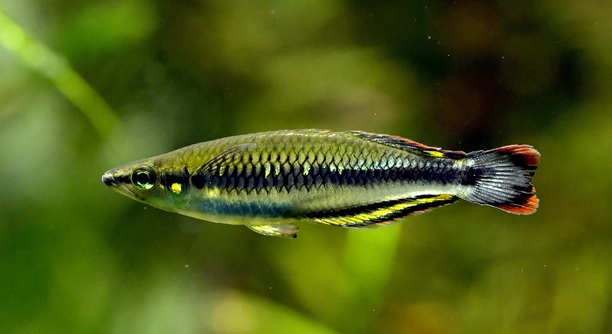
Maintaining a tank can feel like a time-consuming chore, especially when the water, filters, and decorations need attention. Regular upkeep ensures your aquatic pets stay healthy and your tank remains clean, clear, and visually appealing for longer periods.
Effective tank maintenance requires a structured approach that balances cleaning, water changes, and equipment checks. Regularly inspecting filters, monitoring water quality, and maintaining proper feeding routines reduce stress on aquatic life while preventing algae buildup and promoting a stable, healthy environment.
These tips will help make your maintenance days more manageable, ensuring your tank remains a healthy and enjoyable space for your fish.
Preparing Your Tank Before Maintenance
Before starting any maintenance, it is essential to gather all necessary tools. Have a clean bucket, algae scraper, siphon, water conditioner, and replacement filter media ready. This preparation saves time and prevents stress on your aquatic pets. Turning off electrical equipment, such as heaters and pumps, is important to avoid accidents. Remove decorations carefully to avoid breaking fragile ornaments. Inspect the substrate for debris or uneaten food. Taking a few minutes to plan the maintenance steps can make the process smoother and faster. Even small tasks, like checking water temperature and noting water clarity, provide valuable information about tank health. By setting up a proper workspace, you reduce the chances of spilling water or disturbing the fish too much. A well-prepared maintenance session keeps the tank clean without creating extra stress for you or the aquatic life. This approach helps maintain balance in the tank ecosystem.
Having tools and preparation ready ensures a faster, safer maintenance process with less stress for both you and your fish.
Regular preparation reduces mistakes and creates a calmer environment for your fish. Simple steps like having equipment ready, turning off devices, and checking water conditions make maintenance less chaotic. Carefully removing decorations, inspecting the substrate, and noting tank conditions allows you to clean efficiently. By preparing in advance, you ensure water quality remains stable, and fish are minimally disturbed. Planning also allows time to observe the tank for early signs of algae or filter inefficiency. Maintaining a routine and organized workspace helps keep tanks clean and aquatic life healthy. Over time, these small habits save effort and prevent bigger problems, ensuring maintenance days are less stressful. Consistency in preparation also allows you to quickly address minor issues before they escalate. A properly planned session helps maintain a stable environment, making the tank cleaner and safer for daily enjoyment.
Regular Water Changes
Water changes are essential to remove waste and maintain chemical balance in the tank. They prevent harmful buildup of nitrates and ammonia. Even a partial water change improves clarity and promotes healthier fish behavior. Frequency depends on tank size, fish population, and filtration. Weekly small changes are often more effective than infrequent large changes. Using a siphon allows debris to be removed from the substrate efficiently. Always match the new water’s temperature and pH to prevent shock. Avoid using soap or detergents when cleaning tools or buckets. Adding water conditioner neutralizes chlorine and other harmful chemicals. Monitoring water parameters after a change ensures stability. Gradual replacement keeps fish comfortable and minimizes stress during the process.
Partial water changes help maintain stable water conditions and keep fish healthy, while regular monitoring prevents sudden fluctuations.
Consistent water changes are vital to sustaining a balanced aquatic environment. They remove dissolved wastes that accumulate over time, improving both water quality and fish health. Siphoning the substrate allows uneaten food and debris to be removed without disturbing fish too much. Adjusting water temperature and pH ensures the new water integrates smoothly, avoiding shock to sensitive species. Adding conditioner neutralizes chlorine and heavy metals that could harm aquatic life. Water changes also reduce the risk of algae blooms by limiting excess nutrients. Regular monitoring of parameters like ammonia, nitrite, and nitrate helps identify potential problems early. Gradual replacement instead of full water swaps keeps chemical balance stable, maintaining a comfortable environment. Implementing a routine for water changes supports the overall health of the tank, keeping fish active and plants thriving. Maintaining consistent practices during water replacement allows for a cleaner, safer, and more visually appealing tank.
Cleaning Filters Properly
Regularly cleaning filters keeps water flowing efficiently and reduces harmful buildup. Rinse filter media in removed tank water instead of tap water to preserve beneficial bacteria. Avoid over-cleaning to maintain the biological balance that supports fish health.
Filters are essential for keeping tanks clean, but they require careful handling. When cleaning, use water taken from the tank to rinse sponges, pads, or cartridges. Tap water can kill the beneficial bacteria necessary for breaking down ammonia and nitrites. Check for clogged tubes or debris that may reduce water flow. Replace worn-out media on a schedule to maintain optimal performance. A well-maintained filter ensures water clarity, reduces odors, and keeps fish comfortable.
Over-cleaning or replacing all media at once can disrupt the tank’s biological balance. Stagger replacements and rinse components gently to avoid sudden drops in beneficial bacteria. Inspect mechanical parts for wear and remove trapped particles carefully. Keeping the filter in top condition prevents stress and health issues for your fish. Regular attention ensures smooth operation, and observing water flow helps identify problems early. By following a consistent cleaning routine, you preserve both water quality and the stability of the ecosystem inside your tank.
Managing Algae Growth
Algae growth is natural but can be controlled by limiting light exposure and removing excess nutrients. Scrape surfaces and clean decorations regularly to prevent buildup. Monitor lighting schedules to reduce unnecessary growth.
Maintaining proper feeding routines helps control algae. Overfeeding increases nutrient levels in water, fueling algae growth. Adding live plants competes with algae for nutrients, slowing its spread. Use algae-eating fish or invertebrates to help manage growth naturally. Regular water changes remove dissolved nutrients that promote algae. Avoid placing the tank near direct sunlight, which accelerates growth. Consistency in maintenance and observation is key to keeping algae manageable without chemicals.
Chemical treatments can be avoided by balancing tank conditions. Controlling nutrients, light, and fish population prevents excessive algae growth. Mechanical removal through scraping and siphoning maintains aesthetic appeal. Combining natural methods with careful monitoring reduces the need for harsh chemicals. Selecting algae-eating species provides additional control while enhancing tank life. Establishing a routine and sticking to feeding limits ensures long-term balance. Algae management is easier when the tank is observed regularly and preventive measures are applied. This approach keeps the environment stable, clean, and visually pleasing.
Inspecting Equipment Regularly
Check heaters, pumps, and lights to ensure they are working correctly. Faulty equipment can stress fish and impact water quality. Keeping everything in good condition prevents unexpected problems.
Look for leaks, unusual noises, or inconsistent temperatures. Replacing worn parts promptly maintains tank stability and supports healthy aquatic life.
Trimming Plants and Decorations
Trim live plants to prevent overgrowth and remove dead leaves. Overgrown plants can block light and reduce water flow. Pruning also improves aesthetics and keeps fish swimming freely. Regularly rearranging or cleaning decorations prevents algae buildup and maintains a balanced tank environment.
Feeding Practices
Feed fish only what they can consume in a few minutes. Overfeeding creates excess waste, which increases ammonia and nitrate levels. Controlled portions reduce tank cleaning frequency and promote healthier fish digestion. Monitor fish behavior to adjust feeding amounts and maintain a stable ecosystem.
Monitoring Water Parameters
Test water regularly for pH, ammonia, nitrites, and nitrates. Consistent monitoring ensures fish safety and alerts you to potential problems. Keeping parameters stable supports a healthy, balanced tank environment and prevents stress or illness in aquatic life.
FAQ
How often should I change the water in my tank?
Water changes depend on tank size, fish population, and filtration efficiency. For most small to medium tanks, a weekly partial change of 20–25% is sufficient. Larger tanks may require slightly less frequent changes. Regular water changes remove waste, reduce nitrate levels, and maintain clarity, which helps fish stay healthy. Over time, establishing a consistent schedule simplifies maintenance and prevents sudden spikes in ammonia or nitrites that could harm aquatic life.
What is the best way to clean filter media?
Rinse filter media in removed tank water rather than tap water. Tap water can kill beneficial bacteria that process ammonia and nitrites. Avoid cleaning all media at once; stagger rinsing and replacement to maintain biological balance. Regular inspection ensures the filter continues working efficiently, preventing debris buildup and keeping water clear.
How can I control algae growth without chemicals?
Limiting light exposure, controlling feeding, and introducing algae-eating species helps manage algae naturally. Live plants compete for nutrients, reducing algae growth. Scraping surfaces and cleaning decorations regularly prevents buildup. Consistent water changes remove excess nutrients. Avoid placing the tank in direct sunlight to further reduce rapid growth.
What should I do if my fish look stressed?
Check water parameters immediately, including temperature, pH, ammonia, nitrite, and nitrate levels. Inspect equipment like heaters, pumps, and filters for proper operation. Ensure the tank is not overcrowded and that feeding is appropriate. Stress can result from poor water quality, sudden changes, or aggressive tank mates, so maintaining stable conditions is key.
How do I prevent overfeeding?
Feed only what fish can consume in a few minutes, once or twice daily depending on species. Remove uneaten food promptly. Overfeeding increases waste and encourages algae growth, which affects water quality. Monitoring fish behavior helps adjust portions, ensuring they remain healthy without adding unnecessary nutrients to the water.
When should decorations or plants be cleaned or trimmed?
Decorations should be cleaned when algae or debris accumulates, and live plants should be trimmed regularly to prevent overgrowth. Removing dead leaves and rearranging decorations improves water flow and prevents hidden waste buildup. Consistent upkeep ensures a healthier tank and allows fish to swim freely.
How can I keep my tank stable during maintenance?
Prepare all tools in advance and work gradually. Turn off electrical equipment before starting. Remove only what is necessary, rinse filter media in tank water, and replace water slowly. Maintaining a structured routine reduces stress for fish and preserves water parameters. Observation during maintenance helps catch potential issues early.
What is the importance of testing water parameters?
Regular testing for pH, ammonia, nitrites, and nitrates ensures a safe environment. Fluctuations can stress fish or cause illness. Monitoring allows timely adjustments and prevents long-term problems. Keeping parameters stable supports biological balance, improves fish health, and reduces unexpected maintenance challenges.
How do I handle sudden equipment failure?
Have backup heaters, air pumps, and filters if possible. Turn off faulty devices safely, and replace or repair them promptly. Monitor water quality closely during the repair to prevent stress on fish. Quick action helps maintain tank stability and prevents health issues.
Can I maintain a tank without live plants?
Yes, artificial plants and decorations provide shelter and aesthetic appeal. However, live plants help compete with algae, improve oxygenation, and absorb nutrients. If using artificial plants, regular cleaning is necessary to prevent algae buildup and maintain water clarity.
How do I manage multiple fish species in one tank?
Research compatibility before adding fish. Ensure similar temperature, pH, and feeding requirements. Monitor behavior for aggression. Providing hiding spots and maintaining proper stocking density reduces stress and prevents injury. Consistent observation and adjustments are key to keeping all species healthy.
What is the best schedule for general tank maintenance?
A weekly routine works well: partial water change, substrate siphoning, filter inspection, algae removal, and plant trimming. Daily observation of fish behavior and equipment operation ensures early detection of issues. A consistent schedule simplifies upkeep and preserves a balanced, healthy environment for aquatic life.
How do I safely introduce new fish?
Quarantine new fish for at least two weeks to prevent disease transmission. Acclimate them slowly to the tank’s temperature and water chemistry. Introduce fish carefully, monitoring interactions to prevent aggression. Proper introduction minimizes stress and helps maintain a stable ecosystem.
What should I do if water becomes cloudy?
Cloudiness may result from bacteria blooms, overfeeding, or poor filtration. Check water parameters, reduce feeding, and clean the substrate. Ensure the filter is functioning correctly. Regular maintenance and consistent water changes prevent recurrence and maintain clarity.
How can I reduce odors in the tank?
Frequent partial water changes, removing uneaten food, cleaning decorations, and maintaining a functional filter help prevent unpleasant smells. Avoid overfeeding, as excess food decomposes and contributes to odor. Consistent care keeps the tank fresh and healthy.
What steps ensure long-term tank health?
Regular water changes, filter maintenance, algae control, feeding management, and monitoring parameters are essential. Observing fish behavior and equipment performance daily allows early detection of problems. A structured, consistent approach ensures a balanced, stable, and thriving tank environment for years.
This FAQ provides practical answers to common maintenance questions, helping ensure a smooth and healthy tank experience while reducing stress for both you and your aquatic pets.
Final Thoughts
Maintaining a tank can feel like a lot of work at times, but following a consistent routine makes it manageable. Regular water changes, careful feeding, and proper filter maintenance are essential for keeping fish healthy and the tank clean. Skipping steps or rushing maintenance can lead to water quality issues, stressed fish, or algae overgrowth. By planning ahead and keeping tools ready, you can make each maintenance session smoother and less stressful. Taking small, steady steps rather than trying to do everything at once helps preserve the tank’s balance and reduces the risk of mistakes that could affect the aquatic environment. Over time, these habits become second nature, making maintenance days easier and more efficient.
Observing your fish and the tank closely is just as important as performing routine tasks. Fish behavior, water clarity, and the condition of plants and decorations give clues about the tank’s overall health. Addressing small issues early prevents bigger problems later. For instance, spotting a filter that is running slower than usual allows you to clean or replace it before water quality declines. Noticing minor algae growth early helps you control it without harsh treatments. Keeping a simple log of maintenance tasks, water parameters, and observations can make tracking changes easier and help identify patterns in tank conditions. This approach not only maintains a healthy environment for your fish but also makes the entire process more organized and less overwhelming.
Finally, maintaining a tank is about consistency and attention to detail. While it can seem time-consuming, each task has a purpose and contributes to the overall balance of the aquatic environment. Proper water changes, controlled feeding, equipment inspections, and algae management all work together to create a stable, safe space for fish and plants. By dedicating time to regular maintenance, you reduce the likelihood of sudden problems and keep the tank visually appealing. A well-maintained tank provides a healthier, more enjoyable space for your aquatic pets while giving you confidence in your ability to care for them. Approaching tank maintenance with a structured, thoughtful routine ensures long-term success and creates a calm, sustainable environment for all life inside the tank.

Hello,
If you enjoy the content that we create, please consider saying a "Thank You!" by leaving a tip.
Every little bit helps us continue crafting quality advice that supports the health, happiness, and well-being of pets around the world, for pets of all shapes, sizes, and species.
We really appreciate the kindness and support that you show us!