
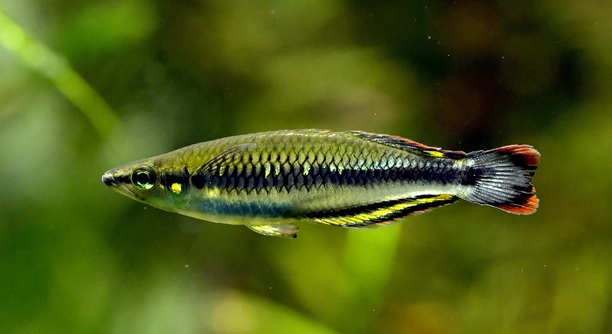
Many fish owners enjoy observing their pets swim calmly around the tank. Noticing how fish behave can help you understand their comfort levels. Safe fish often show subtle signs that reflect contentment and trust in their environment.
Fish that feel safe tend to swim confidently, explore their surroundings, and interact with tank mates without signs of stress. Regular feeding, calm movements, and predictable routines all contribute to a sense of security for aquatic life.
Recognizing these behaviors can help ensure your fish thrive. Small observations often reveal a lot about their well-being and comfort in the tank.
Calm and Steady Swimming
Observing how your fish moves around the tank can tell you a lot about how safe it feels. Fish that are comfortable tend to swim in smooth, steady patterns. They explore different areas without sudden darting or hiding constantly behind decorations. If your fish glides near the top or middle of the tank, it often signals that it trusts the environment. Over time, you may notice patterns, like returning to favorite spots or swimming alongside certain tank mates. These habits show that your fish feels secure. Aggressive chasing or frantic movements are signs of stress, whereas relaxed, predictable swimming is a positive indicator. Creating a stable environment, maintaining proper water conditions, and providing enough hiding spots all help your fish develop confidence. Watching them during feeding can also reveal comfort levels, as confident fish will approach food without hesitation.
Fish that swim calmly are usually relaxed and stress-free, showing contentment in their surroundings.
Consistent swimming behavior reflects the overall health and well-being of your fish. It also shows that the tank setup, including decorations, plants, and lighting, suits their needs. Calm movement indicates they feel secure enough to explore and interact without fear. Over time, you may notice that your fish follow routines, returning to certain spots, resting in shaded areas, or swimming near companions. Sudden changes in swimming patterns can signal stress, illness, or environmental issues. Observing these subtle details daily allows you to adjust care routines, such as feeding schedules or water maintenance, ensuring your fish remain comfortable. Creating a stable, predictable environment fosters trust, making your fish more confident and active.
Comfortable Interaction with Tank Mates
Fish that feel safe usually get along well with others in the tank.
A tank with compatible fish promotes social behavior without stress. Safe fish swim near companions and share spaces without aggression. Territorial disputes are minimal when each fish has enough room and hiding areas. Observing interactions closely reveals comfort levels; peaceful coexisting shows trust and contentment.
When fish feel secure, they demonstrate relaxed behavior with tank mates. They may swim side by side, hover near each other while feeding, or rest near companions without showing fear. Overcrowded or poorly arranged tanks can disrupt this balance, increasing stress and reducing overall health. Providing sufficient space, hiding spots, and balanced nutrition encourages safe, harmonious interactions. Watching your fish consistently interact calmly with others helps you confirm that their environment meets their social and territorial needs. Additionally, it allows you to notice any changes in behavior early, helping prevent conflicts and ensuring the long-term well-being of all the fish in your care.
Exploring Their Environment
Fish that feel safe often explore their tank freely, investigating plants, decorations, and corners without hesitation. They show curiosity and confidence, moving through spaces without signs of fear or stress. Regular exploration is a clear indicator that they trust their surroundings.
Safe fish move purposefully, inspecting every part of their habitat. They may swim through plants, weave around rocks, or approach corners to check for food or interaction. Their movements are smooth and measured, not frantic or abrupt. This behavior shows that the fish is comfortable with the water conditions, tank setup, and presence of other inhabitants. Exploring regularly also helps maintain physical health, as consistent swimming keeps muscles active and prevents lethargy. Observing exploration patterns can give insight into their preferences, such as favorite resting spots or preferred hiding places.
Over time, exploring also encourages mental stimulation. Fish that are safe and confident show consistent curiosity, revisiting areas, inspecting decorations, and sometimes interacting with tank accessories. This behavior indicates both comfort and engagement with their environment. By providing an enriched habitat, fish feel encouraged to explore more often, which can reduce stress and improve overall well-being. Noticing which areas they return to most often allows adjustments in tank layout to maximize safety and enjoyment.
Eating with Ease
Fish that feel secure approach food confidently and eat without hesitation. They show minimal fear and often feed alongside tank mates without conflict or stress.
When fish eat calmly, it indicates a stable environment and trust in their surroundings. Safe fish do not hide when food is introduced and tend to eat in predictable patterns. Over time, they may even recognize feeding routines and swim toward food promptly. Their appetite is consistent, reflecting good health and a sense of security. Observing how fish eat can also reveal social behavior, as confident fish manage space around food without aggressive interactions. Ensuring proper nutrition, tank cleanliness, and adequate hiding spots supports this behavior, reinforcing their comfort.
Resting in Open Spaces
Fish that feel safe often rest in open areas instead of hiding constantly. They choose spots where they can see their surroundings clearly, showing confidence and comfort in the tank.
Resting openly indicates that the fish trusts its environment. Safe fish feel no urgent need to retreat, allowing them to conserve energy while remaining alert.
Responding Calmly to Movement
Fish that feel secure react calmly to movements outside the tank. They do not dart or panic when someone approaches or when shadows pass over the water. This measured response shows familiarity with daily activity and confidence in their habitat.
Showing Bright Colors
A fish that feels safe often displays vibrant colors. Dull or faded tones can indicate stress, poor health, or insecurity. Bright coloration reflects both physical well-being and comfort in the environment.
FAQ
How can I tell if my fish is stressed?
Signs of stress include rapid or erratic swimming, hiding constantly, loss of appetite, faded colors, and gasping at the water surface. Stress can be caused by poor water conditions, overcrowding, aggressive tank mates, or sudden changes in the environment. Regular observation helps catch issues early.
What is the best way to make my fish feel safe?
Maintain stable water conditions, provide hiding spots like plants or decorations, and keep a consistent feeding schedule. Avoid sudden changes in lighting or tank setup, and choose compatible tank mates. A calm and predictable environment builds trust and comfort for fish.
Why does my fish hide all the time?
Constant hiding usually indicates insecurity or stress. It can be caused by bullying from other fish, inadequate hiding spaces, poor water quality, or health issues. Providing proper shelter and monitoring tank conditions can help your fish feel more confident and visible.
Is it normal for fish to swim near the surface?
Yes, swimming near the surface can be normal, especially during feeding or when exploring. However, if your fish stays at the top and gasps frequently, it may indicate low oxygen levels, poor water quality, or stress. Regular water checks are important.
Why does my fish change color?
Color changes can signal mood, health, or environmental factors. Vibrant colors often show comfort and good health. Fading or dull colors can reflect stress, poor nutrition, illness, or unsuitable water conditions. Monitoring diet, lighting, and water parameters helps maintain natural colors.
How often should I feed my fish to keep them comfortable?
Most fish do well with once or twice daily feedings. Overfeeding can pollute water and cause stress. Consistent schedules create a sense of predictability, helping fish feel secure. Observe your fish during feeding to ensure all are eating comfortably without competition.
Can fish feel secure around humans?
Yes, fish can become accustomed to their owner’s presence and show calm behavior when approached. Avoid sudden movements and loud noises near the tank. Repeated gentle interactions, like feeding, can increase comfort and reduce fear over time.
Do tank decorations affect my fish’s sense of safety?
Decorations, plants, and hiding spaces are crucial. They provide shelter, reduce stress, and encourage exploration. An open area combined with hiding spots balances security with freedom. Proper placement ensures all fish have access to safe zones without overcrowding or territorial disputes.
How do I know if my fish is healthy and happy?
Healthy and content fish swim steadily, explore their environment, eat regularly, interact with tank mates, rest openly, and display bright colors. Observing these behaviors daily allows you to ensure their environment meets both physical and emotional needs.
Can changing the tank water too often stress fish?
Frequent or sudden water changes can disrupt familiar smells and temperature, causing temporary stress. Partial water changes on a regular schedule maintain water quality while minimizing disturbance, helping fish feel secure. Adjusting water gradually ensures comfort and stability in the tank.
What signs show my fish trusts its environment?
Confident fish swim freely, explore the tank, eat without hesitation, rest in open areas, display bright colors, and interact calmly with tank mates. Consistent patterns in these behaviors reflect a secure and well-adjusted fish.
How can I encourage shy fish to come out?
Add hiding spots and gradually reduce excessive cover, allowing the fish to feel secure while exploring. Avoid sudden movements or loud noises, and feed near their usual resting areas. Patience and consistency help shy fish gain confidence over time.
Why do some fish swim together while others stay apart?
Fish behavior depends on species, personality, and tank dynamics. Social species often swim in groups, which provides security. Solitary species may prefer distance, showing confidence by patrolling territory or resting alone. Understanding each species’ nature helps maintain harmony.
Can water temperature impact fish comfort?
Yes, each species has a preferred temperature range. Water that is too hot or too cold stresses fish, affects appetite, and may weaken their immune system. Maintaining a stable, suitable temperature is essential for their sense of safety and overall health.
How long does it take for fish to feel safe in a new tank?
It depends on species, tank setup, and individual temperament. Some adjust within days, while others may take weeks. Providing proper hiding spots, stable conditions, and minimal disturbance accelerates the acclimation process and helps them feel secure faster.
What role does tank size play in fish comfort?
Adequate space allows natural swimming, exploration, and social interactions. Crowded tanks increase stress, aggression, and hiding behavior. Providing enough room for each fish to move freely ensures safety, reduces conflict, and promotes healthy physical and mental behavior.
Are there signs my fish is bonding with its tank mates?
Fish that swim together, hover nearby without aggression, and share spaces while feeding or resting demonstrate social comfort. These behaviors indicate trust and a secure environment. Observing interactions helps ensure the tank setup supports positive social dynamics for all inhabitants.
How do I prevent bullying in a community tank?
Provide plenty of hiding spaces, monitor for aggressive behavior, and choose compatible species. Separating overly aggressive fish may be necessary. Balanced feeding and enough room for each fish reduce stress and help all inhabitants feel safe and comfortable.
Why do fish sometimes follow me near the tank?
Following movements outside the tank shows recognition and curiosity, often linked to feeding. Fish that feel safe and comfortable with human presence are more likely to swim near the glass without signs of fear, reflecting trust in their environment.
Can sudden noises harm my fish’s sense of security?
Yes, loud or abrupt sounds can startle fish, triggering stress responses. Consistent, calm surroundings help them feel secure. Minimizing sudden disturbances near the tank preserves a stable environment, which is key to their comfort and well-being.
Observing your fish closely can tell you a lot about how they feel in their tank. Fish that feel safe often swim calmly, explore their surroundings, and rest openly without hiding constantly. These behaviors are signs that the environment meets their needs for comfort, security, and stability. Paying attention to swimming patterns, feeding habits, and interactions with tank mates can give you insight into their overall well-being. Over time, you may notice small changes in behavior, such as a fish becoming more confident or exploring areas it previously avoided. These observations are important because they show whether your care routines are effective or if adjustments are needed. Simple actions, like providing hiding spots, maintaining clean water, and keeping a consistent feeding schedule, can make a significant difference in helping your fish feel secure.
The physical environment plays a key role in a fish’s sense of safety. Adequate space, proper tank decorations, and suitable plants allow fish to explore and rest without feeling threatened. Water quality, including temperature, pH, and cleanliness, also directly affects how comfortable fish feel. Sudden changes in water conditions or overcrowding can increase stress, while a stable and predictable environment promotes calm and confident behavior. Observing color, appetite, and swimming behavior can indicate whether the tank environment is meeting your fish’s needs. Providing a balanced diet and monitoring interactions with other fish helps prevent aggression and ensures all tank inhabitants feel secure. These elements work together to create an environment where fish can thrive physically and mentally, making it easier to maintain their overall health.
Feeling safe in their environment also influences a fish’s mental and social well-being. Fish that interact calmly with tank mates, show curiosity, and respond predictably to humans are demonstrating trust and comfort. Social behavior, like swimming alongside companions or feeding without hesitation, reflects confidence and contentment. Shy or stressed fish may hide constantly, display dull colors, or act erratically, signaling that their environment or care routine needs improvement. By consistently providing a calm and stable tank setup, you can encourage positive behaviors and reduce stress. Over time, you may notice fish becoming more confident, displaying brighter colors, and exploring more actively. Paying attention to these cues helps ensure your fish live in a safe, supportive environment, which is essential for their long-term health and happiness.

Hello,
If you enjoy the content that we create, please consider saying a "Thank You!" by leaving a tip.
Every little bit helps us continue crafting quality advice that supports the health, happiness, and well-being of pets around the world, for pets of all shapes, sizes, and species.
We really appreciate the kindness and support that you show us!