
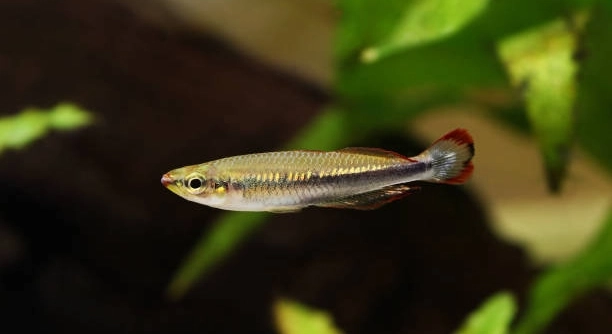
Is your rainbowfish spending more time behind the filter than swimming freely in the tank? Observing this behavior can be concerning for any aquarium owner who wants their fish to feel safe and comfortable.
Rainbowfish often hide behind filters due to stress, environmental changes, or feeling threatened. Poor water quality, aggressive tank mates, or insufficient hiding spaces can prompt this behavior. Addressing these factors helps ensure the fish’s well-being and encourages normal swimming activity.
Learning the reasons behind this hiding habit can improve your fish’s comfort and tank environment, promoting a healthier and more active aquarium life.
Common Reasons Rainbowfish Hide
Rainbowfish may hide behind the filter for several practical reasons. One of the main factors is stress caused by sudden changes in their environment. Shifts in water temperature, pH levels, or new decorations can make them feel insecure. Aggressive tank mates or overcrowding also contribute, as rainbowfish are naturally peaceful and prefer calm surroundings. A lack of hiding spots or cover in the tank can increase anxiety, making the filter area appealing. Additionally, poor water quality from inadequate filtration or infrequent water changes can cause discomfort. Even minor irritations, such as leftover food particles or strong currents, may drive them to seek refuge. Observing their behavior closely often reveals patterns, helping identify the specific triggers. By understanding these common reasons, owners can take deliberate steps to create a safer and more comfortable environment, reducing hiding behaviors and encouraging more active swimming. Monitoring their daily habits is essential for maintaining their overall well-being.
Providing stable conditions and adequate cover significantly reduces hiding behavior in rainbowfish.
Rainbowfish thrive in tanks that balance open swimming areas with strategic hiding spots. Adding plants, rocks, or decorations near filters allows them to retreat without feeling exposed. Gradual changes to water conditions and careful selection of tank mates help maintain peace, minimizing stress-related hiding. Regular maintenance, including cleaning and water testing, keeps the environment comfortable. Over time, these adjustments promote natural behavior, confidence, and overall health in rainbowfish.
Improving Tank Comfort
Creating a comfortable tank environment involves more than adding decorations.
Start by arranging plants and ornaments to form small sheltered areas near the filter and throughout the tank. Ensure the water temperature and pH remain stable, avoiding sudden fluctuations. Regularly test water parameters, perform partial water changes, and maintain proper filtration to prevent stress. Introducing compatible tank mates reduces aggressive interactions, and keeping fish numbers within recommended limits prevents overcrowding. Observe the rainbowfish’s behavior to identify areas they prefer or avoid, adjusting the setup accordingly. Gentle currents help mimic natural conditions without forcing the fish into hiding. Lighting should be balanced, not too bright, to encourage exploration while still providing shaded areas. Finally, feeding schedules and types of food can influence activity, as well-fed fish are more likely to explore confidently. These combined steps improve the tank’s comfort, fostering active and healthy rainbowfish that spend more time swimming freely rather than hiding.
Adjusting Water Conditions
Stable water conditions are essential for rainbowfish comfort. Sudden changes in temperature, pH, or hardness can make them seek refuge behind the filter. Keeping these parameters consistent helps them feel safe and encourages normal activity.
Regular monitoring of water temperature, pH, and general hardness is key. Gradual adjustments are necessary when making changes to avoid shocking the fish. Use a reliable thermometer and testing kits to track conditions daily. Partial water changes help maintain quality, preventing accumulation of harmful substances. Clean the filter regularly, but avoid removing all beneficial bacteria at once. By keeping water conditions stable, rainbowfish are less stressed and more likely to swim openly.
Pay attention to small environmental cues like leftover food or strong currents. Even minor irritants can increase hiding behavior. Adjusting flow and removing debris supports a comfortable habitat. Consistency in water conditions is one of the simplest yet most effective ways to reduce stress and encourage confident swimming behavior in rainbowfish.
Tank Decorations and Hiding Spots
Providing sufficient hiding spots helps rainbowfish feel secure without staying permanently behind the filter. Plants, rocks, and ornaments create natural cover and reduce anxiety in the tank.
Position decorations to form sheltered areas while leaving open swimming space. Tall plants or caves near the filter allow rainbowfish to retreat safely when they feel threatened. Spread multiple hiding spots throughout the tank so no single area becomes overcrowded. Smooth surfaces on rocks and ornaments prevent injuries while giving the fish confidence to explore. Rotating decorations occasionally can reduce boredom and maintain engagement. By carefully arranging tank features, rainbowfish are more likely to feel at ease, reducing the tendency to hide excessively. Proper placement of hiding spots also supports natural behavior, social interaction, and overall well-being, making the aquarium a more balanced and enjoyable environment for the fish.
Tank Mates and Social Dynamics
Aggressive or overly active tank mates can stress rainbowfish, prompting them to hide behind the filter. Peaceful companions and compatible species reduce tension and encourage open swimming.
Observe interactions closely. If certain fish chase or harass rainbowfish, consider separating them. Proper social dynamics keep rainbowfish comfortable and confident.
Feeding and Nutrition
Proper feeding routines influence rainbowfish behavior. Overfeeding or inconsistent schedules can cause stress and hiding tendencies. Providing a balanced diet with high-quality flakes, pellets, or frozen foods ensures they receive adequate nutrition. Spread food evenly so all fish have access, reducing competition and anxiety in the tank.
Light and Environment
Bright or harsh lighting can make rainbowfish feel exposed. Dimmed or diffused lighting creates a comfortable environment, encouraging exploration and reducing hiding behind the filter. Adjust lighting gradually to match natural day-night cycles, supporting overall fish health and confidence.
Monitoring Health
Hiding can also indicate illness or discomfort. Regularly check for physical signs of disease, abnormal swimming, or unusual behavior to address potential health issues promptly.
FAQ
Why is my rainbowfish always hiding behind the filter?
Rainbowfish hide behind the filter mainly due to stress or feeling unsafe. Changes in water temperature, poor water quality, or aggressive tank mates can all make them retreat. They often choose the filter area because it offers cover and a sense of security. Providing a stable environment and enough hiding spots reduces this behavior.
How can I tell if my rainbowfish is stressed?
Signs of stress include frequent hiding, clamped fins, rapid breathing, loss of appetite, or faded coloration. Sudden changes in behavior, such as avoiding open swimming areas or hiding for long periods, also indicate discomfort. Observing your fish daily helps you detect stress early.
Can water quality affect my rainbowfish’s behavior?
Yes, poor water quality can make rainbowfish hide. High ammonia, nitrite, or nitrate levels, fluctuating pH, or inconsistent temperatures cause discomfort. Regular water testing, partial water changes, and proper filtration maintain a healthy environment, encouraging normal swimming and reducing stress.
Do tank decorations influence hiding behavior?
Tank decorations play a key role in comfort. Rainbowfish feel secure when there are plants, rocks, or caves near the filter. Multiple hiding spots allow them to retreat when needed without staying in one area all the time. Properly arranged decorations encourage exploration and reduce anxiety.
Can other fish affect my rainbowfish’s confidence?
Aggressive or overly active tank mates can drive rainbowfish to hide. Peaceful companions and compatible species create a calmer environment. Monitor interactions closely and separate fish if harassment occurs. Balanced social dynamics allow rainbowfish to swim confidently and reduce stress-induced hiding.
How does feeding impact hiding?
Irregular feeding schedules or overfeeding can cause stress. Competition over food makes shy fish retreat. Providing a balanced diet, spreading food evenly, and sticking to a routine helps rainbowfish feel safe and more willing to swim openly. High-quality flakes, pellets, or frozen foods meet nutritional needs effectively.
Does lighting affect hiding?
Bright or harsh lighting can make rainbowfish feel exposed. Dim or diffused lighting near the filter and throughout the tank creates comfort. Gradually adjusting lighting to simulate natural day-night cycles supports health, reduces anxiety, and encourages active swimming.
Could illness be a reason for hiding?
Yes, hiding may indicate sickness. Look for clamped fins, faded colors, unusual swimming patterns, or lack of appetite. Promptly addressing disease by isolating affected fish and treating with appropriate medications can prevent worsening health and restore confidence.
How long should rainbowfish hide before it’s a problem?
Occasional hiding is normal, especially after changes in the tank. Persistent hiding for days or weeks signals stress, poor water quality, or health issues. Monitoring behavior and making adjustments early prevents long-term problems.
Can I train my rainbowfish to come out from hiding?
Yes, gradually increasing tank comfort, improving water quality, adding hiding spots, and using calm feeding routines encourages rainbowfish to explore. Patience is key; sudden changes may increase stress rather than reduce it. Consistency fosters confidence and reduces hiding behavior over time.
Are certain species more prone to hiding?
Rainbowfish are generally active but can be shy in stressful conditions. Some species, like Boesemani or Dwarf rainbowfish, may hide more when threatened or uncomfortable. Understanding the temperament of your specific species helps create a suitable environment.
How often should I clean the filter to prevent hiding?
Regular filter maintenance is important but avoid cleaning too aggressively, which can remove beneficial bacteria. Rinse filter media gently during partial water changes. A well-maintained filter keeps water quality stable, reducing stress and minimizing hiding behavior.
Can temperature changes make rainbowfish hide?
Yes, sudden drops or spikes in water temperature can cause hiding. Rainbowfish prefer stable temperatures within their ideal range. Gradual adjustments, heaters, or chillers help maintain consistent conditions, keeping fish comfortable and active.
Does overcrowding contribute to hiding?
Overcrowded tanks increase stress and force rainbowfish to seek shelter behind the filter. Keeping fish numbers within recommended limits and providing adequate space per individual reduces anxiety and encourages swimming in open areas.
What role does water current play in hiding behavior?
Strong currents can make rainbowfish feel unsafe. While some flow is beneficial, too much can drive them to the filter. Adjusting flow with a gentle filter output or adding plants to break currents creates calmer swimming zones.
How can I encourage natural behavior in my rainbowfish?
Providing stable water conditions, balanced tank mates, sufficient hiding spots, and a proper feeding routine encourages natural swimming, foraging, and social behavior. Consistency and observation ensure a stress-free environment, reducing the need for hiding and promoting overall well-being.
Is it normal for rainbowfish to hide at night?
Yes, rainbowfish often seek cover when lights are off. This behavior is natural and part of their instinct to feel safe during low-light periods. Hiding at night differs from persistent daytime hiding, which indicates stress or discomfort.
Can water hardness affect hiding?
Extreme water hardness or sudden changes can stress rainbowfish. Keeping hardness levels stable within the preferred range for the species prevents discomfort and encourages normal activity. Gradual adjustments are essential when modifying water chemistry.
Does tank size matter for hiding behavior?
A tank that is too small or lacks swimming space increases hiding. Adequate tank size with open areas and shelters allows rainbowfish to feel secure while still having room to explore. Proper layout balances cover and freedom, reducing filter-hiding tendencies.
How long does it take for rainbowfish to stop hiding after changes?
It depends on the severity of stress and environmental adjustments. Some may emerge in hours, while others need days or weeks. Patience, consistent care, and gradual improvements encourage confidence and reduce hiding behavior over time.
Rainbowfish are naturally active and colorful fish, but seeing them hide behind the filter can be worrying. This behavior usually signals that something in their environment is causing stress or discomfort. It is important to remember that hiding is often a normal response to feeling unsafe, especially when changes occur in the tank. Factors like sudden temperature fluctuations, aggressive tank mates, or poor water quality can make them retreat. Even minor irritations, such as strong currents or leftover food, may encourage them to stay in the filter area. Observing your rainbowfish closely over time can help you identify patterns and triggers. Once you understand what causes this behavior, you can take steps to improve their environment, making them feel more secure and confident. Creating a calm and balanced tank is key to encouraging rainbowfish to explore and swim freely.
Maintaining stable water conditions is one of the most effective ways to reduce hiding behavior. Rainbowfish are sensitive to changes in temperature, pH, and water hardness, so keeping these parameters consistent is essential. Regular water testing and partial water changes help maintain quality, while proper filtration ensures a healthy environment. Alongside water management, providing adequate hiding spots is important. Plants, rocks, and decorations placed strategically throughout the tank give rainbowfish safe areas to retreat when needed. At the same time, leaving open swimming areas allows them to explore without feeling threatened. Balanced lighting, gentle water flow, and compatible tank mates also contribute to a sense of security. By paying attention to these details, you create a tank that encourages natural behavior and reduces stress. Rainbowfish that feel safe are more likely to swim openly, display their colors, and interact comfortably with their surroundings.
Feeding routines and overall care also influence hiding behavior. Overfeeding, irregular schedules, or competition for food can increase anxiety, prompting rainbowfish to retreat behind the filter. Offering high-quality food evenly across the tank ensures all fish have access without stress. Monitoring health is equally important, as illness or discomfort can make rainbowfish hide. Look for signs like faded coloration, clamped fins, or unusual swimming patterns. Addressing these issues promptly improves well-being and encourages confidence. With consistent care, attention to water quality, and thoughtful tank setup, rainbowfish gradually become more comfortable in their environment. Over time, the hiding behavior diminishes, and they are able to enjoy the open areas of the tank safely. Creating this balance requires patience and observation, but it ultimately leads to healthier, happier, and more active rainbowfish that thrive in a stable and secure aquarium.

Hello,
If you enjoy the content that we create, please consider saying a "Thank You!" by leaving a tip.
Every little bit helps us continue crafting quality advice that supports the health, happiness, and well-being of pets around the world, for pets of all shapes, sizes, and species.
We really appreciate the kindness and support that you show us!