
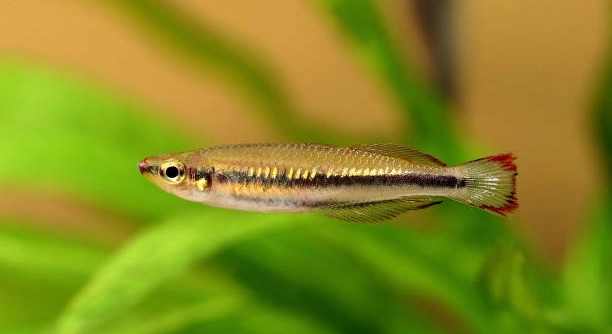
Have you ever noticed your rainbowfish swimming quickly from top to bottom of their tank, almost as if they are searching for more space? Watching them move can make you wonder how they feel in tall tanks.
Rainbowfish may experience stress or discomfort in excessively tall tanks due to limited horizontal swimming space. While vertical space allows for some exploration, these fish naturally prefer wider areas for activity, social interaction, and balanced exercise within their habitat.
Understanding their swimming needs can help you create a healthier environment and ensure your rainbowfish remain active and content.
Understanding Rainbowfish Behavior
Rainbowfish are active swimmers that enjoy moving freely across their tank. They naturally explore horizontal space, forming small groups and interacting with each other. In tall tanks, their vertical movement may be limited by the height, but the lack of horizontal room can create stress. Observing their patterns, you might notice frequent darting from one end to another or hesitation near corners. These behaviors indicate a need for more open space. Providing hiding spots, plants, or decorations can help them feel safer, but they still require enough room to swim side to side. Water quality also affects their activity; poor circulation or oxygen levels can make them sluggish. Regularly monitoring water parameters ensures your fish remain healthy and energetic. Choosing a tank that balances width and height is essential, as rainbowfish thrive when they can explore, interact, and exercise comfortably.
Rainbowfish in overly tall tanks often show signs of reduced social interaction and less active swimming.
Many aquarists overlook the importance of horizontal space. Rainbowfish use lateral movement to establish territories, display colors, and communicate. In a narrow, tall tank, they cannot engage in these behaviors properly. Over time, this can lead to stress-related illness and poor growth. Observing them closely helps in understanding whether their tank meets their natural needs.
Tank Design Tips for Rainbowfish
Tall tanks can be visually impressive, but they are not always ideal for rainbowfish. A wider tank improves swimming freedom.
When setting up a tank, aim for width over height while maintaining enough depth for swimming. Horizontal space allows rainbowfish to move comfortably, interact with others, and perform natural displays. Avoid overcrowding and provide plants or structures at different levels to create a stimulating environment. Proper lighting and filtration support water quality, which is crucial in taller setups. Gradually introducing fish into a new tank helps them adjust to their surroundings. By observing their activity, you can determine if the tank size meets their needs or if adjustments are necessary. Choosing a balanced tank layout ensures your rainbowfish remain healthy, active, and visually vibrant, reflecting their natural behavior in a home environment.
Signs of Stress in Rainbowfish
Rainbowfish may show stress through reduced activity, clamped fins, or hiding more than usual. Sudden color fading or loss of appetite are also common indicators. These behaviors often signal that the tank environment is not meeting their swimming or social needs.
Stress in rainbowfish often arises when they cannot swim freely across the tank. A tall, narrow tank may force them to move vertically instead of laterally, limiting natural exploration. They rely on horizontal movement for social interactions and displaying vibrant colors. Over time, confined movement can weaken their immune system, making them prone to illness. Watching their behavior closely helps identify stress before serious health problems occur. Adjusting tank dimensions or rearranging decorations can restore comfort and encourage natural swimming patterns.
Other subtle signs include aggression or frequent darting between corners. Even if the water quality is perfect, behavioral stress remains a concern. Rainbowfish may become less interactive, ignoring tank mates or food. Providing a tank that allows side-to-side swimming helps maintain normal social behavior and overall well-being. Monitoring their daily activity gives insight into their comfort level, allowing timely adjustments to improve their environment.
Optimizing Tank Conditions
Balanced water flow and temperature are essential for rainbowfish health and activity. They thrive in moderate currents with stable temperatures around 24-28°C.
Tank decorations should create areas for hiding while leaving enough open space for swimming. Tall plants or driftwood positioned strategically can encourage natural movement without restricting horizontal space. Lighting should highlight their colors but not stress them; dim periods help mimic natural cycles. Regular water changes maintain clarity and oxygen levels, preventing stress from poor conditions. Observing how fish interact with the tank helps determine if adjustments are needed, ensuring they remain active and vibrant.
Diet and social grouping also affect comfort. Rainbowfish should be kept in small schools to reduce anxiety and encourage interaction. Providing a mix of high-quality flakes, pellets, and occasional live or frozen food keeps them healthy and energetic. Monitoring feeding behavior helps ensure all fish receive enough nutrition. Proper tank care, combined with adequate horizontal swimming space, supports their natural habits, reduces stress, and promotes long-term well-being.
Choosing the Right Tank Size
Rainbowfish need more horizontal space than vertical height for healthy swimming. A tank that is too tall but narrow can restrict movement and cause stress. Choosing a wider tank supports their natural behaviors.
Measuring the tank before adding fish ensures there is enough room for a small school. Width allows proper swimming and interaction, preventing conflicts. Adequate space also helps maintain water quality, as overcrowding can lead to faster waste buildup.
Schooling and Social Needs
Rainbowfish are social creatures that thrive in small groups. Keeping at least six together reduces stress and encourages natural behaviors like color displays and coordinated swimming. Schools provide security and stimulate activity, helping them stay healthy both physically and mentally.
Proper Tank Setup
Include open swimming areas with scattered plants or ornaments. Avoid overcrowding vertical decorations, as they limit horizontal movement.
FAQ
Can rainbowfish live happily in tall tanks?
Rainbowfish can survive in tall tanks, but their happiness depends on horizontal space. They naturally swim side to side, form schools, and display colors to interact with each other. A tall but narrow tank limits these behaviors, which can lead to stress, reduced activity, and health issues over time. Adding plants or decorations helps, but they still need enough width to move freely. Observing their behavior is the best way to know if a tank suits them. If they spend most of their time near the top or corners and rarely swim across, the tank may be too restrictive.
How can I tell if my rainbowfish are stressed?
Stress signs include clamped fins, fading colors, hiding frequently, or refusing food. Aggression between fish or frantic darting along tank edges also indicates discomfort. Even if water quality is good, poor tank layout can cause behavioral stress. Keeping a small school and providing open horizontal swimming space helps reduce these issues. Monitoring daily activity helps spot stress early. Healthy rainbowfish swim actively, interact with tank mates, and display vibrant colors.
What is the ideal tank size for rainbowfish?
A minimum of 30 inches in length is recommended for a small school, with a width that allows free lateral swimming. Depth and height are less important than horizontal space, though moderate height helps create a natural environment. Larger schools need proportionally wider tanks to avoid overcrowding and territorial stress. Open areas for swimming combined with scattered plants or decorations create balance. Proper filtration and stable water parameters are equally important to maintain comfort and reduce stress in rainbowfish.
How many rainbowfish should be kept together?
Keeping at least six rainbowfish together encourages natural schooling behavior. Smaller groups may cause anxiety, while overcrowding can lead to stress and aggressive behavior. A proper group size allows them to interact, display colors, and swim in coordinated patterns. Schools also help them feel secure, reducing stress-related health problems. Observing the group can help determine if the tank size and layout are sufficient for all individuals.
What tank decorations work best for rainbowfish in tall tanks?
Use decorations that create hiding spots without blocking horizontal swimming space. Tall plants or driftwood should be positioned near the back or sides, leaving open areas in the center for free movement. Floating plants can help provide shade and reduce stress. Decorations should encourage exploration but not restrict lateral swimming. Proper placement ensures the tank feels natural while supporting physical activity and social behavior.
Does water flow affect rainbowfish in tall tanks?
Moderate water flow is ideal. Strong currents in tall tanks can push rainbowfish upward, limiting lateral movement. Gentle currents mimic natural conditions and encourage swimming without stressing them. Balanced filtration ensures water stays clean and oxygenated, which is critical for active swimming and overall health. Observing their movement in the flow helps adjust the current as needed.
How often should water changes be done in a tall rainbowfish tank?
Regular water changes are essential, especially in taller tanks where oxygen circulation can be uneven. Weekly changes of 20-30% help maintain water quality and reduce stress. Monitor ammonia, nitrite, and nitrate levels to ensure they remain safe. Healthy water conditions support activity, vibrant coloration, and reduce the risk of illness in rainbowfish.
Rainbowfish are lively and colorful fish that need a tank environment allowing them to swim comfortably and interact with their group. While tall tanks may look impressive, they often limit the horizontal space rainbowfish need for normal behavior. These fish are naturally active and use lateral swimming to explore their environment, display colors, and maintain social bonds. Without enough room to move from side to side, they may become stressed, less active, and show signs of behavioral issues. Providing adequate space is key to keeping rainbowfish healthy and happy over the long term.
A well-designed tank balances height and width while including open swimming areas and some decorations for shelter. Tall plants, driftwood, or rocks can be placed along the edges or back of the tank to create hiding spots without restricting movement. Schools of rainbowfish require enough horizontal room to interact safely and perform natural displays. Overcrowding or placing too many decorations in the center can interfere with swimming patterns and cause frustration. Observing their daily activity can help identify any issues early. If the fish spend most of their time at the top, corners, or avoid interacting, it may be a sign that the tank layout or size is inadequate. Simple adjustments, like rearranging decorations or choosing a wider tank, can make a noticeable difference in their behavior and overall well-being.
Maintaining water quality is also essential for rainbowfish comfort. Regular water changes, moderate currents, and stable temperatures support active swimming and reduce stress. A well-balanced diet and keeping them in small schools complement the physical environment, ensuring both mental and physical health. Paying attention to these details allows rainbowfish to thrive and display their natural beauty. By focusing on horizontal swimming space, proper tank layout, and clean water, rainbowfish can live in an environment that meets their natural needs. Creating a comfortable habitat not only benefits their health but also makes caring for them more rewarding, allowing you to enjoy their vibrant colors and lively behavior for years to come.

Hello,
If you enjoy the content that we create, please consider saying a "Thank You!" by leaving a tip.
Every little bit helps us continue crafting quality advice that supports the health, happiness, and well-being of pets around the world, for pets of all shapes, sizes, and species.
We really appreciate the kindness and support that you show us!