
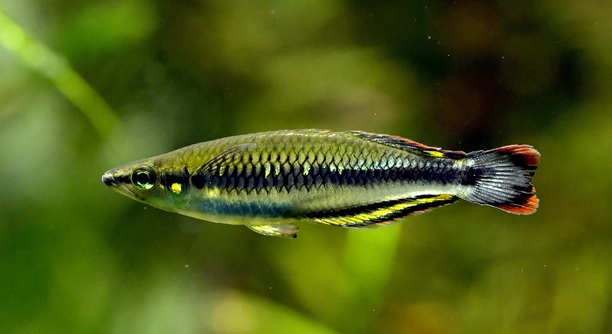
Do you ever notice your rainbowfish hiding in darker corners of the tank, avoiding the bright light above? Many fish owners find this behavior confusing, especially when their aquarium is set up with proper lighting and clean water.
Rainbowfish often avoid light due to stress, illness, or unsuitable tank conditions. Bright lighting can overwhelm them if hiding spots are limited, water parameters are unstable, or they are experiencing health issues. Adjusting their environment can improve comfort and activity levels.
Observing subtle changes in behavior can reveal more than you might think about your rainbowfish’s overall well-being.
Common Causes of Light Avoidance
Many rainbowfish shy away from light when their tank environment does not feel safe or comfortable. Strong lighting, for example, can make them feel exposed, especially if there are few plants or decorations to hide behind. Water quality is another factor. High levels of ammonia, nitrites, or nitrates can stress the fish and make them seek darker areas. Temperature fluctuations also affect behavior. Rainbowfish prefer stable conditions, and sudden changes in water temperature can cause them to hide. Even diet plays a role; inadequate nutrition can weaken them, reducing energy and willingness to swim in brighter areas. Observing tank layout is important too. Open spaces without cover often leave rainbowfish feeling vulnerable. By addressing these factors, you can create a more secure environment that encourages them to swim freely.
Providing hiding spots, maintaining clean water, and keeping temperature steady helps rainbowfish feel safe in lighted areas.
Noticing light avoidance early can prevent bigger health issues. Monitoring daily behavior and gradually adjusting conditions makes a big difference. Regular feeding schedules, proper filtration, and gentle lighting transitions encourage natural movement, ensuring your rainbowfish are active and less stressed. Over time, small changes in their environment can rebuild confidence and promote healthier behavior.
Adjusting Tank Conditions for Comfort
Proper tank setup is essential for rainbowfish to feel secure and active.
Improving tank conditions starts with adding plants, rocks, or decorations that create shaded areas. Lighting should mimic natural cycles, gradually brightening in the morning and dimming in the evening. Avoid sudden intense light, which can trigger hiding. Water parameters should be checked weekly, keeping temperature, pH, and chemical levels consistent. Regular partial water changes help maintain a healthy environment. Proper feeding with balanced nutrition strengthens their immune system, making them more resilient to stress. Observing their behavior after adjustments helps identify which changes work best. Creating a structured, calm environment reduces anxiety and encourages rainbowfish to explore lighted areas naturally. Over time, these improvements lead to a more active, visible fish that engages comfortably in its tank. A well-planned setup supports both their physical health and mental well-being, making the aquarium a safe, enjoyable habitat for them.
Recognizing Stress in Rainbowfish
Stress in rainbowfish often shows through hiding, reduced movement, or faded colors. Overcrowding and aggressive tankmates can intensify these behaviors. Observing subtle changes early helps address issues before they become serious. Stress weakens the immune system, making the fish more vulnerable to illness.
Familiarizing yourself with your rainbowfish’s normal behavior is key to spotting stress. If they suddenly start avoiding light or hiding more than usual, it could indicate environmental or health problems. Check water quality, temperature, and tankmates to identify possible triggers. Consistent feeding routines and proper nutrition also reduce stress. Introducing more plants or decorations provides shelter and helps them feel secure. Gradual changes in lighting and water conditions can help rainbowfish adjust without becoming anxious. Keeping a calm environment and minimizing sudden disturbances encourages natural activity, bright colors, and overall well-being, making stress management easier and more effective.
Monitoring interactions between rainbowfish is also important. Aggressive or overly dominant tankmates can force shy fish into corners. Separating incompatible species or providing additional hiding spots often resolves conflicts. Small adjustments in tank layout, like creating shaded zones and reducing open spaces, help reduce stress levels. Routine observation and proactive care ensure your rainbowfish remain healthy, active, and more comfortable in well-lit areas, allowing them to display natural behaviors without fear.
Health Issues Linked to Light Avoidance
Illnesses like ich, fin rot, or internal parasites can make rainbowfish seek darker areas to conserve energy and avoid stress. Light avoidance can be an early indicator of these problems.
Maintaining a clean tank and monitoring water conditions prevents many health issues. If light avoidance persists despite proper environment and diet, a closer examination may be necessary. Signs such as lethargy, clamped fins, or unusual swimming patterns suggest illness. Quarantining affected fish and consulting with a vet or experienced aquarist ensures timely treatment. Balanced nutrition strengthens the immune system, helping rainbowfish recover more quickly.
Sometimes, minor infections or parasites can go unnoticed until the fish hide consistently. Addressing these problems early prevents further complications. Observing behavior daily, checking for spots, discoloration, or unusual movements, and maintaining stable water conditions are essential practices. Timely intervention, proper medication, and supportive care help rainbowfish regain confidence in swimming under light. Combining preventive measures with careful observation reduces stress and minimizes the likelihood of recurring health issues, creating a safer and healthier tank environment for all fish.
Lighting Preferences of Rainbowfish
Rainbowfish naturally prefer moderate lighting that mimics their native habitats. Too much brightness can make them feel exposed, while gentle, diffused light encourages natural swimming and activity. Observing their preferred spots helps adjust lighting to their comfort.
Providing shaded areas with plants or decorations lets rainbowfish choose light levels. Dimmer zones reduce stress, making them more visible and active in brighter areas over time.
Tank Layout Adjustments
Rearranging decorations, adding plants, or creating shaded zones can make rainbowfish feel safer. Open spaces without cover often trigger hiding behavior. Thoughtful placement of rocks, driftwood, and plants allows fish to explore while feeling secure. Proper tank layout balances visibility, swimming space, and shelter.
Feeding and Behavior
Regular feeding routines influence activity and light tolerance. Fish that are well-fed tend to be more confident exploring lit areas. Consistent feeding schedules help rainbowfish anticipate mealtime, reducing stress and promoting natural behavior in the tank.
Why is my rainbowfish hiding even with proper lighting?
Rainbowfish may hide despite adequate lighting if they feel unsafe in the tank. Open spaces without plants or decorations leave them exposed, triggering natural instincts to seek shelter. Stress from aggressive tankmates, sudden movements near the aquarium, or fluctuations in water conditions can also make them retreat to darker areas. Observing their behavior over several days helps identify patterns and potential stressors. Adjusting the environment by adding more hiding spots or rearranging decorations often encourages them to swim more freely in lighted areas.
Can water quality affect how my rainbowfish react to light?
Yes, water quality has a direct impact on rainbowfish behavior. Poor conditions, such as elevated ammonia, nitrites, or unstable pH, stress the fish, causing them to avoid bright areas. Even slight temperature fluctuations can affect comfort, making rainbowfish retreat to darker corners. Regular testing and partial water changes maintain stable conditions, helping them feel secure. Clean, well-oxygenated water reduces stress and encourages normal activity, including swimming in well-lit zones.
How do I know if hiding is a sign of illness?
Hiding can indicate illness if accompanied by other symptoms. Look for clamped fins, faded colors, unusual swimming patterns, or lack of appetite. Internal parasites, bacterial infections, and fungal issues often trigger light avoidance. Quarantining affected fish and observing closely can prevent disease spread. Prompt treatment, including medication or environmental adjustments, helps rainbowfish recover faster. Preventive care, such as maintaining clean water and balanced nutrition, reduces the likelihood of illness.
Do tankmates influence light avoidance?
Aggressive or overly active tankmates can force rainbowfish into hiding. Even non-aggressive fish may unintentionally stress rainbowfish by taking over open swimming areas. Creating more shaded zones and rearranging the tank can reduce conflicts. Observing interactions and separating incompatible species when necessary ensures rainbowfish feel safe enough to explore lighted areas. Over time, peaceful tankmates combined with proper hiding spots encourage natural behavior.
Is lighting intensity important for rainbowfish comfort?
Yes, lighting intensity directly affects comfort. Rainbowfish are sensitive to very bright lights, which can cause them to hide or become stressed. Gradually increasing brightness over time and providing shaded areas allows them to adjust without fear. Mimicking natural daylight cycles, with soft morning light and dim evening light, promotes healthy activity. Light diffusers or floating plants can reduce harsh illumination, giving fish options for comfort. Consistent, moderate lighting encourages them to swim openly and display their natural colors.
How can diet impact light avoidance?
A balanced diet contributes to energy levels and overall confidence. Underfed or malnourished rainbowfish are less likely to swim in exposed areas. Proper nutrition strengthens their immune system, making them more resilient to stress and illness. Feeding small, regular portions rather than large, infrequent meals helps maintain activity. High-quality flakes, pellets, and occasional live or frozen foods provide essential nutrients that promote natural behavior, bright coloration, and light tolerance. Observing how fish respond to feeding can help identify whether diet adjustments are needed.
Can rearranging the tank help with hiding behavior?
Yes, modifying tank layout can improve comfort. Adding plants, rocks, or driftwood creates shaded areas and hiding spots that make rainbowfish feel secure. Open spaces often trigger hiding, so careful placement of decorations balances exploration and shelter. Gradual changes prevent additional stress, and observing how they respond helps determine which adjustments are effective. Proper tank design ensures they can freely move between light and shade, reducing anxiety and promoting healthy behavior.
Are there signs that rainbowfish are adapting to light over time?
Rainbowfish adapting to light often become more active in previously avoided areas. They may gradually swim into open zones, explore new spots, and display brighter colors. Reduced hiding, increased interaction with tankmates, and consistent feeding behavior are positive indicators. These signs show that environmental adjustments, proper diet, and stable water conditions are effectively supporting their comfort and overall well-being.
How often should I check the tank to prevent stress?
Daily observation is important for early detection of stress or illness. Regular monitoring of water parameters, fish behavior, and tank cleanliness helps maintain stability. Weekly testing of ammonia, nitrite, nitrate, and pH levels ensures optimal conditions. Small, consistent adjustments are better than sudden changes, which can increase stress. Observing interactions between tankmates and noting hiding patterns allows you to respond quickly to potential issues. A routine of daily attention and weekly maintenance keeps rainbowfish healthy, active, and comfortable in all areas of the tank, including well-lit zones.
What small changes make the biggest difference for light-avoidant rainbowfish?
Providing hiding spots, adjusting lighting gradually, maintaining clean water, and feeding balanced meals are the most effective changes. Even minor tweaks, like moving a plant to create shade or slightly reducing light intensity, can significantly reduce stress. Consistent care, gentle observation, and gradual improvements allow rainbowfish to regain confidence, explore lit areas, and maintain healthy behavior, ultimately creating a comfortable and visually appealing aquarium environment.
Rainbowfish are naturally sensitive creatures, and their behavior often reflects how comfortable they feel in their environment. When they avoid light, it is usually a sign that something in the tank is causing stress or discomfort. This could be anything from overly bright lighting, lack of hiding spots, poor water quality, aggressive tankmates, or even minor health issues. Observing your rainbowfish closely can help you identify the specific factors that make them retreat to darker areas. Understanding these signals is important because it allows you to make thoughtful adjustments that directly improve their well-being. Paying attention to behavior, colors, swimming patterns, and interactions with other fish gives clear insight into their comfort level. Small changes in the environment, such as adding plants, rocks, or shaded zones, can significantly impact their confidence and encourage more natural movement in the tank.
Maintaining consistent water conditions is one of the most effective ways to prevent stress and light avoidance. Rainbowfish thrive in stable environments where temperature, pH, and chemical levels are monitored regularly. Sudden fluctuations, even minor ones, can cause anxiety and hiding behaviors. Partial water changes and careful filtration help keep water clean, which supports both physical health and stress reduction. Alongside water maintenance, nutrition plays a critical role. A balanced diet with proper amounts of flakes, pellets, and occasional live or frozen foods strengthens the immune system, promotes energy, and helps fish feel more confident exploring the tank. Over time, well-fed rainbowfish in a stable environment become more active and visible, reducing the need to hide. These consistent practices help ensure that rainbowfish remain healthy, colorful, and engaged, making the aquarium a more enjoyable space for both the fish and the keeper.
Creating a comfortable environment also requires patience and observation. Rainbowfish may not immediately adjust to new lighting or tank arrangements, so gradual changes are essential. Adding decorations, rearranging plants, or adjusting light intensity should be done in steps to avoid further stress. Observing their behavior daily allows you to notice small improvements or continuing issues that need attention. By combining proper tank setup, stable water conditions, balanced nutrition, and careful observation, rainbowfish can gradually feel safe enough to swim freely in lighted areas. Over time, this creates a healthy and harmonious environment where they display natural behaviors, vibrant colors, and confidence. Paying attention to these details not only improves the lives of your fish but also makes caring for them a more rewarding and satisfying experience.

Hello,
If you enjoy the content that we create, please consider saying a "Thank You!" by leaving a tip.
Every little bit helps us continue crafting quality advice that supports the health, happiness, and well-being of pets around the world, for pets of all shapes, sizes, and species.
We really appreciate the kindness and support that you show us!