
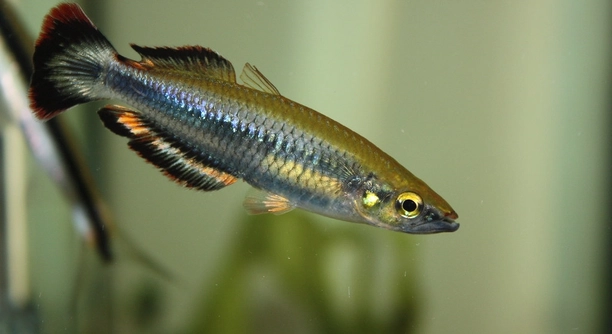
Many aquarium keepers notice daily patterns in their fish behavior and routines, especially around rest. Understanding how rainbowfish respond to light, activity, and environment helps explain their predictable rhythms without overcomplicating natural habits overall observations.
Rainbowfish generally follow consistent sleep periods influenced by light cycles and environmental stability. When kept in stable aquariums, they rest at similar times each day, guided by circadian rhythms rather than strict clocks or conscious scheduling behaviors in controlled settings.
Sleep timing connects to tank lighting, feeding habits, and stress levels, revealing why consistency matters for rainbowfish care routines overall.
How Daily Conditions Shape Rainbowfish Sleep
I have observed that rainbowfish begin resting once aquarium lights dim and activity slows. Light exposure plays a central role in regulating their internal rhythms. When lights turn off at consistent times, rainbowfish adjust naturally and settle into predictable rest periods. Sudden lighting changes can disrupt this balance and lead to restlessness. Natural daylight from nearby windows can also influence timing, especially in bright rooms. I noticed calmer behavior when lighting followed a steady schedule each evening. Consistent lighting helps rainbowfish feel secure in their surroundings. This sense of stability supports healthy rest patterns and overall well being. Without stable light cues, rainbowfish may hide more or remain active longer than expected. Over time, regular lighting encourages smoother transitions between active swimming and rest. These patterns reflect instinctive responses rather than learned habits. Providing controlled light conditions is one of the simplest ways to support natural sleep timing consistently indoors.
Feeding schedules also shape rest timing in subtle ways. When meals occur at regular hours, rainbowfish finish feeding, swim less, and calm down sooner. Irregular feeding can extend activity into late hours, delaying rest and increasing tension inside the tank. I observed this pattern repeatedly over many months of care.
Tank environment further supports consistent sleep habits. Stable water temperature reduces stress and prevents unnecessary movement at night. Gentle filtration keeps oxygen levels balanced without excessive current. Decorations and plants provide sheltered areas where rainbowfish can rest quietly. I prefer arranging plants along the sides, leaving open swimming space during the day. At night, those plants become resting zones. Noise and vibrations near the aquarium can disturb this process. Keeping the tank in a calm area helps maintain predictable behavior. When environmental factors remain steady, rainbowfish rest more reliably and appear healthier over time with fewer visible stress behaviors overall.
Why Consistency Matters More Than the Clock
Consistency matters more than exact timing for rainbowfish sleep. They respond to repeated patterns rather than specific hours. When daily routines stay stable, rest occurs naturally. Small adjustments can be tolerated, but frequent changes may cause ongoing disruption and uneven activity levels, which I noticed during tank maintenance weeks alone.
Over time, observing these patterns helped me refine my care routine. I turn lights on and off at the same times daily to support internal rhythms. Feeding happens earlier in the evening, allowing activity to taper off naturally. I avoid sudden changes in decor or water flow close to night hours. Maintenance tasks are done during daytime when fish are already active. This approach reduces stress and supports smoother rest transitions. Rainbowfish do not sleep deeply like mammals, but their reduced movement signals rest. They hover calmly or settle among plants. When disturbed, they resume swimming quickly. This light rest makes them sensitive to environmental shifts. Stable routines limit unnecessary disturbances. I have seen brighter colors and steadier behavior with consistency. These changes suggest improved comfort rather than training. Rainbowfish respond instinctively to dependable conditions. Providing that reliability supports long term health and balanced behavior within the aquarium environment. This consistency also simplifies daily care and makes potential problems easier to notice early. When routines remain unchanged, unusual behavior stands out clearly. I feel more confident managing the tank, knowing the fish benefit from predictable structure. Over time, this approach creates a calmer aquarium environment overall for fish and keeper.
Signs Rainbowfish Are Resting
Rainbowfish show rest through subtle changes in movement and posture. I notice slower swimming, gentle hovering, and reduced interaction. Colors may fade slightly, and fins relax. These signs usually appear after lights dim and feeding ends, signaling a natural transition into rest periods within aquarium conditions.
Rest does not mean complete stillness for rainbowfish. They remain alert and responsive to movement nearby. I often see them pause among plants or drift slowly in open water. This light rest allows quick reactions to changes. Because of this, disturbances matter. Sudden light flashes, tapping on glass, or loud sounds can interrupt rest. Repeated interruptions may increase stress over time. Keeping evenings quiet supports better balance. Gentle lighting and reduced activity help them settle without forcing behavior. Their rest pattern reflects instinct shaped by environmental cues rather than habit observed consistently in well maintained home aquariums over long periods.
Understanding these signals helps adjust care routines more thoughtfully. I pay attention to evening behavior before making changes. If rest seems delayed, I review lighting schedules first. Feeding too late often keeps activity high. Tank placement also matters. High traffic areas expose fish to constant motion. Moving the aquarium to a quieter space improved rest noticeably for me. Small changes make a difference. Observing patterns over several days gives clearer insight than single nights. Consistency allows natural rhythms to stabilize without intervention. This approach supports calmer behavior and steadier health through predictable daily environmental conditions that remain unchanged over time.
Adjusting the Tank for Better Rest
Lighting timers are one of the most effective tools for supporting rest. I rely on them to avoid inconsistency. Gradual dimming mimics natural conditions better than sudden darkness. Choosing low intensity evening lights reduces stimulation. Consistent timing matters more than exact hours. When light patterns stay steady, rainbowfish adjust smoothly and rest without signs of agitation. This setup simplified my routine and improved overall aquarium calm significantly during evening maintenance and observation periods at home.
Beyond lighting, physical layout influences rest quality. Dense plants create visual barriers that reduce stress. I prefer live plants because they sway gently and feel less rigid. Smooth decorations prevent injury during low movement periods. Filtration should provide circulation without strong currents at night. Adjustable filters help reduce flow after evening feedings. Temperature stability is equally important. Fluctuations can trigger unnecessary movement. Using a reliable heater prevents sudden drops. Noise control is often overlooked. Vibrations from televisions or speakers can disturb resting fish. Placing the tank away from constant sound improved rest in my experience. Each adjustment works together. No single change solves everything, but combined consistency creates a calmer environment. Over time, these conditions support healthier behavior patterns within long term home aquarium care.
When Sleep Patterns Become Disrupted
I notice changes quickly when sleep patterns shift. Increased hiding, rapid darting, or dull coloration often appear. These behaviors usually signal environmental inconsistency rather than illness. Observing these signs early helps adjust lighting, feeding, or placement before stress builds and affects long term health within a stable home aquarium setting.
Sleep disruption can also affect social behavior. I have seen more chasing and tension during daytime hours. When rest is inconsistent, rainbowfish expend energy unnecessarily. Over time, this imbalance may weaken immune response and reduce color vibrancy despite proper nutrition and water quality maintained carefully in otherwise healthy aquariums systems.
Restoring Balance Through Routine
Stable routines correct most sleep related issues without intervention. I focus on repeating the same daily schedule for lights, feeding, and maintenance. Sudden changes are avoided whenever possible. If adjustments are needed, I make them gradually over several days. This approach allows rainbowfish to adapt without stress. Monitoring behavior before and after changes provides useful feedback. Calm evenings, steady swimming, and consistent resting spots indicate improvement. When these signs appear, no further changes are needed. Patience plays a key role, as rhythm correction takes time even under ideal aquarium conditions with consistent observation and restraint from the caretaker over time.
Long Term Benefits of Consistent Rest
Long term rest stability supports growth and coloration. I notice brighter hues and calmer group dynamics when sleep remains consistent. These outcomes reinforce the value of routine over constant adjustment. Maintaining this balance becomes easier with observation, patience, and respect for natural behavioral patterns that guide rainbowfish daily activity cycles.
FAQ
Do rainbowfish sleep at night or during the day?
Rainbowfish primarily rest at night when light levels drop. In my experience, their activity slows noticeably once aquarium lights turn off. They do not follow darkness alone but respond to repeated light patterns. If lights stay on late, they may remain active longer. In natural settings, reduced light signals safety and rest. In aquariums, artificial lighting replaces the sun. When that lighting follows a steady schedule, rainbowfish align their rest accordingly. They remain lightly alert rather than fully inactive, which is normal behavior for this species.
Do rainbowfish sleep at the exact same time every day?
Rainbowfish tend to rest around the same time daily when conditions remain consistent. They do not follow clocks, but patterns. I noticed that when lights turn off at the same hour each evening, resting behavior appears within minutes. If timing changes often, rest becomes scattered. Exact minutes vary slightly, but the general window stays stable. This consistency comes from internal rhythms responding to repeated cues. Stable routines matter more than precision. Predictability helps them settle without confusion or agitation.
What does a sleeping rainbowfish look like?
A resting rainbowfish swims slowly or hovers in place. I often see them positioned near plants or decorations. Their colors may appear slightly muted, and fin movement becomes gentle. They do not lie on the tank bottom. Instead, they remain upright and alert. Sudden movement nearby usually wakes them quickly. This light rest allows fast response to changes. Understanding this prevents unnecessary concern. Reduced motion is normal and healthy during rest periods in stable aquarium environments.
Can lighting affect rainbowfish sleep patterns?
Lighting has a strong influence on rest timing. I rely on timers to avoid inconsistency. Bright lights late at night delay rest and increase activity. Gradual lighting changes work best. Sudden darkness can startle fish, while extended brightness disrupts rhythm. Natural daylight entering the room can also affect timing. Covering the tank sides or adjusting placement may help. Balanced lighting supports natural behavior. Consistent schedules allow rainbowfish to rest without stress caused by unexpected changes.
Does feeding time impact when rainbowfish rest?
Feeding time plays a role in activity levels. When I feed too late, swimming and interaction continue longer into the evening. Earlier feeding allows digestion and calm behavior before lights dim. Rainbowfish associate food with activity. Regular feeding times support predictable patterns. Skipping meals or feeding at random hours can cause restlessness. Maintaining a steady feeding routine helps energy levels decline naturally. This supports smoother transitions into rest without forcing changes.
Can tank mates disturb rainbowfish sleep?
Tank mates influence rest quality. Peaceful species allow rainbowfish to settle easily. I noticed more disturbance when active fish remain energetic at night. Chasing or constant movement prevents calm behavior. Choosing compatible species reduces tension. Overcrowding also affects rest. Limited space increases interaction when fish should be resting. Proper stocking levels help maintain balance. Observing nighttime behavior reveals whether tank mates contribute to disruption. Adjustments may be needed for long term harmony.
Is it normal for rainbowfish to wake easily?
Rainbowfish wake easily because their rest is light. This is normal and protective. I see them respond quickly to movement outside the tank. Sudden sounds or light changes interrupt rest briefly. Frequent interruptions may increase stress. Keeping the tank in a quiet area helps. Avoid tapping the glass, especially at night. Light rest allows awareness of surroundings. This behavior should not be mistaken for poor health when other conditions remain stable.
Can inconsistent sleep affect rainbowfish health?
Inconsistent rest can affect behavior and appearance. I observed duller colors and increased tension when routines changed often. While rainbowfish adapt, constant disruption weakens balance over time. Stable rest supports immune strength and calmer group behavior. Health issues rarely appear immediately. Effects build gradually. Maintaining steady lighting, feeding, and environment prevents these problems. Observation helps identify early signs. Consistency remains one of the simplest ways to support long term wellbeing.
Should I change anything if my rainbowfish rest at different times?
Small variations are normal. I only adjust routines if rest appears delayed consistently. First, I review lighting schedules. Then I consider feeding times and tank placement. Changes should be gradual. Sudden adjustments may worsen disruption. Observing patterns over several days provides clarity. If fish appear calm and healthy, no changes are needed. Trusting natural behavior helps avoid unnecessary intervention.
Final Thoughts
Understanding how rainbowfish rest brings clarity to daily aquarium care. Their behavior reflects natural rhythms shaped by light, environment, and routine rather than strict timing. Observing these patterns over time shows that rest is not a fixed action but a gradual shift in movement and awareness. When conditions remain steady, rainbowfish adjust without difficulty. This reinforces the importance of consistency over frequent changes. Lighting schedules, feeding times, and tank placement all work together. None of these elements operate alone. When one shifts too often, balance is affected. Paying attention to subtle behavior changes helps guide better decisions. Calm swimming, gentle hovering, and predictable evening behavior indicate comfort. These signs suggest the environment supports natural needs. Focusing on these basics simplifies care and reduces unnecessary concern.
A steady routine benefits both fish and keeper. Maintaining consistent patterns makes it easier to notice unusual behavior early. When daily conditions stay the same, changes stand out clearly. This allows quicker adjustments without overreacting. Over time, this approach builds confidence in managing the aquarium. Rainbowfish do not require complex interventions to rest properly. They rely on dependable cues rather than control. Light timers, stable temperatures, and quiet surroundings provide that structure. Feeding earlier in the day allows activity to taper off naturally. Gentle filtration and thoughtful tank layout support rest without forcing inactivity. These practices become habits that reduce effort rather than add to it. Simplicity leads to stability. Stability supports health.
Long term care improves when rest is respected as part of overall wellbeing. Rainbowfish show better coloration, calmer group dynamics, and steadier activity when rest remains uninterrupted. These outcomes develop gradually. They reflect comfort rather than training. Patience plays a role. Changes should be spaced out and observed carefully. There is value in allowing fish to respond naturally instead of adjusting constantly. Providing a predictable environment respects instinctive behavior. This mindset shifts focus from control to support. Over time, the aquarium becomes easier to maintain. Fish behavior becomes more predictable. Stress decreases on both sides of the glass. Rest patterns serve as quiet indicators of balance. When those patterns remain steady, it often means the aquarium environment is meeting its purpose effectively and sustainably.

Hello,
If you enjoy the content that we create, please consider saying a "Thank You!" by leaving a tip.
Every little bit helps us continue crafting quality advice that supports the health, happiness, and well-being of pets around the world, for pets of all shapes, sizes, and species.
We really appreciate the kindness and support that you show us!