
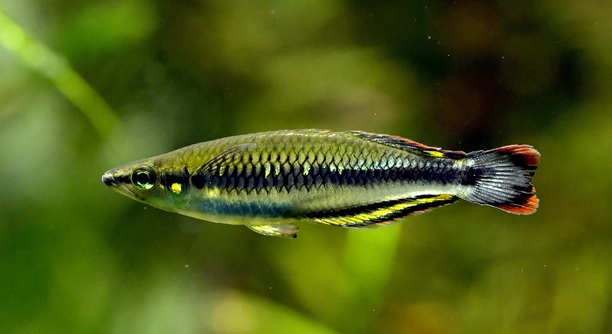
Rainbowfish are lively and colorful additions to any aquarium, but they do not always settle quickly. Their behavior can change subtly, signaling that they are adjusting to new surroundings or companions. Observing them carefully helps identify these shifts.
Rainbowfish that are not settled may display erratic swimming, hiding frequently, refusing food, or showing signs of stress. These behaviors indicate that the fish are still acclimating to their environment and require careful monitoring to ensure proper health and comfort.
Knowing the signs of unsettled rainbowfish can help maintain a peaceful tank and support their long-term wellbeing. Observing these clues ensures a healthier environment for your fish.
Erratic Swimming Patterns
Rainbowfish that are not fully settled often swim in sudden bursts or dart around the tank without a clear direction. This behavior can be alarming, but it usually signals that they are adjusting to their environment. When fish are new, they may explore aggressively to understand the boundaries of their tank. Sometimes they swim near the surface or hide behind decorations, trying to find a secure spot. Observing these movements can help you notice patterns and respond appropriately. Providing ample hiding places, maintaining consistent water temperature, and keeping noise levels low can ease their adjustment. Over time, as the fish grow comfortable, their swimming will become more predictable, and they will spend more time in open areas. Paying attention to these subtle movements allows you to gauge how well they are settling in and whether any environmental adjustments are necessary.
Erratic swimming is a clear indicator that your rainbowfish need extra patience and careful observation during this period of adjustment.
Creating a calm environment with proper lighting, stable water conditions, and minimal disturbances helps rainbowfish reduce stress. It’s important to avoid sudden changes in water parameters or tank layout, as these can exacerbate unsettled behavior. Regular monitoring of their activity and feeding habits gives insight into their comfort level. Over time, consistent care encourages them to swim more naturally and explore the tank with confidence. Small adjustments, like rearranging plants or adding gentle water flow, can make a noticeable difference. Understanding their need for security ensures that they adapt smoothly and display vibrant colors as they settle.
Frequent Hiding Spots
Rainbowfish that are unsettled tend to hide behind rocks, plants, or tank decorations more often than usual.
Persistent hiding is often linked to stress, fear, or discomfort with the tank setup. Fish may retreat frequently if they feel exposed or threatened. Overcrowding, bright lights, or incompatible tankmates can increase hiding tendencies. Providing adequate shelter, maintaining proper water quality, and minimizing sudden disturbances can reduce hiding behavior. Observing which areas they prefer helps you adjust the tank to make them feel safe. Gradually, as they grow accustomed to their surroundings, they will spend more time swimming in open areas and interacting with their environment. Tracking their hiding patterns can serve as a useful indicator of progress and overall wellbeing, allowing for timely interventions that promote comfort and confidence.
Frequent hiding reflects that your rainbowfish are still adjusting and may require targeted changes in their environment to feel secure and relaxed.
Would you like me to continue with the next two clues following the same format?
Refusal to Eat
Rainbowfish may refuse food when they are unsettled, often ignoring flakes, pellets, or live food. This behavior can last a few days as they acclimate to the new environment or new tankmates.
Refusal to eat is a common stress indicator in rainbowfish. When fish feel insecure, they may avoid feeding until they feel safe. Overfeeding or sudden changes in diet can worsen this behavior. It’s important to offer familiar foods consistently and ensure feeding times are regular. Observing their response to different food types can reveal preferences and help coax them into eating. Providing small portions several times a day reduces stress and encourages feeding without overwhelming them.
Monitoring feeding behavior also helps detect potential health problems early. Unsettled rainbowfish may eat less or show hesitation near food, signaling the need for environmental adjustments. Ensuring clean water, stable temperature, and minimal disturbances can gradually restore appetite. Over time, as they gain confidence in their surroundings, rainbowfish will resume normal feeding patterns, helping them stay healthy and energetic. Patience and careful observation are essential during this period.
Color Fading
When rainbowfish are unsettled, their colors often appear duller than usual. This change is a visible sign of stress or discomfort in their environment.
Color fading indicates that the fish are not fully comfortable. Stress, inadequate water conditions, or unfamiliar tankmates can suppress their natural vibrancy. Maintaining optimal water quality, including stable pH and temperature, is essential. Consistent care, gentle handling, and minimizing sudden changes allow rainbowfish to regain their bright hues.
Over time, providing a calm and stable environment encourages rainbowfish to display full coloration again. Bright and healthy colors are a direct reflection of their comfort and overall wellbeing. Ensuring proper diet, low-stress conditions, and compatible tankmates promotes natural vibrancy. Observing color changes regularly allows you to track their adjustment progress. Adjustments like adding plants, gentle lighting, or rearranging decorations can improve security and confidence, helping rainbowfish settle fully and display their typical brilliant colors.
Restless Grouping
Unsettled rainbowfish often stick tightly together, forming a small cluster rather than swimming freely. This behavior shows they feel insecure in their environment.
The tight grouping is a natural response to stress. It provides a sense of safety as they adjust to new surroundings. Over time, as they grow more comfortable, they will spread out and explore the tank individually, reducing tension and improving overall activity levels.
Erratic Fin Movement
Rainbowfish that are unsettled may flare or twitch their fins frequently. This indicates agitation or discomfort and is often accompanied by quick movements around the tank.
Frequent Surface Visits
Unsettled rainbowfish may spend more time near the water surface than usual. This behavior can signal stress or the need for oxygen adjustment in the tank.
FAQ
Why are my rainbowfish hiding all the time?
Rainbowfish hide frequently when they feel insecure or stressed. This can be caused by sudden changes in water conditions, bright lighting, or new tankmates. Providing plenty of hiding spots like plants or decorations helps them feel safe. Over time, they will begin exploring more as they adjust.
What does it mean if my rainbowfish are swimming erratically?
Erratic swimming is often a sign that rainbowfish are unsettled. Sudden bursts of speed, darting around the tank, or swimming near the surface can indicate stress. Keeping the environment calm, maintaining stable water parameters, and avoiding sudden changes encourages them to swim normally.
Why is my rainbowfish refusing to eat?
Refusal to eat usually points to stress or discomfort. Rainbowfish may ignore food when they are adjusting to new surroundings or new tankmates. Offering small, familiar portions multiple times a day and keeping feeding times consistent can help restore their appetite.
Why do my rainbowfish look dull or faded?
Color fading occurs when rainbowfish are stressed or not fully comfortable in their environment. Poor water quality, incompatible tankmates, or sudden changes can dull their natural colors. Consistent care, proper nutrition, and a calm tank help them regain vibrancy.
Is it normal for rainbowfish to stick together tightly?
Yes, tight grouping is common among unsettled rainbowfish. Sticking close to one another provides a sense of security. As they adapt to the tank, they will spread out more freely and swim individually, showing increased confidence and comfort.
Why are my rainbowfish constantly near the water surface?
Spending excessive time at the surface can indicate stress or insufficient oxygen in the tank. Check water parameters and consider gentle aeration if needed. Ensuring a stable environment and reducing sudden disturbances can help them return to normal swimming patterns.
How long does it take for rainbowfish to settle?
Rainbowfish usually take several days to a few weeks to fully adjust, depending on tank conditions and the presence of other fish. Patience, stable water parameters, and minimizing disturbances accelerate the settling process. Regular observation ensures they are adapting healthily.
What can I do to help my rainbowfish settle faster?
Providing hiding places, maintaining stable temperature and water quality, feeding familiar foods, and minimizing loud noises or sudden changes encourages rainbowfish to feel secure. Gentle handling and consistent care promote comfort and reduce stress, helping them settle more quickly.
Can unsettled rainbowfish affect other tankmates?
Yes, stressed rainbowfish may cause minor disturbances in the tank, such as chasing or hiding behavior among other fish. Ensuring enough space, compatible companions, and hiding spots minimizes tension and promotes a calm tank environment for all inhabitants.
How do I know if my rainbowfish are fully settled?
Rainbowfish are considered settled when they swim confidently, explore the tank freely, eat consistently, and display vibrant colors. They will spend less time hiding and exhibit normal social behaviors with tankmates, signaling comfort and adjustment.
Are there signs of illness that mimic unsettled behavior?
Some behaviors like hiding, refusing food, or erratic swimming can also indicate illness. Watch for additional symptoms such as clamped fins, visible spots, or labored breathing. Maintaining water quality and observing closely helps distinguish between stress and potential health issues.
Can tank layout affect how quickly rainbowfish settle?
Yes, the arrangement of plants, decorations, and hiding spots directly affects comfort. Crowded or barren tanks can increase stress, while a well-structured environment provides security, helping rainbowfish feel at ease and adjust faster.
Is it normal for rainbowfish to flare fins when unsettled?
Yes, flaring or twitching fins is a common stress response. It can occur when they feel threatened or insecure. Reducing disturbances, providing hiding places, and maintaining proper tank conditions helps them relax and exhibit normal fin behavior.
Should I change the tank conditions if rainbowfish are unsettled?
Small adjustments, like stabilizing temperature, improving water quality, or rearranging decorations for more hiding spots, can help. Avoid sudden major changes, as these may increase stress. Gradual, thoughtful modifications support their adjustment and wellbeing.
How often should I monitor unsettled rainbowfish?
Frequent observation is important during the settling period. Checking their behavior, feeding patterns, and general health daily ensures any issues are addressed quickly, helping them adapt safely and comfortably to the tank.
Can unsettled rainbowfish eventually stress out other fish?
Yes, prolonged stress in one species can affect tankmates, leading to hiding, reduced feeding, or minor aggression. Ensuring a calm environment and stable conditions helps all fish coexist peacefully while everyone adjusts.
Do rainbowfish ever fully stop being unsettled?
With proper care and a stable, comfortable environment, rainbowfish typically settle fully within a few weeks. Once settled, they display normal swimming, eating, and social behavior, showing that they are comfortable and secure in their tank.
Are there ways to prevent rainbowfish from being unsettled in the first place?
Acclimating new rainbowfish slowly, maintaining stable water conditions, providing hiding spots, and introducing compatible tankmates reduce stress. Proper preparation before adding new fish helps minimize unsettled behaviors and promotes a smooth transition into the tank.
What is the best diet to support unsettled rainbowfish?
Offering a mix of familiar high-quality flakes, pellets, and occasional live or frozen foods encourages feeding. Small, frequent meals reduce stress and help rainbowfish regain appetite as they adjust, supporting both energy levels and vibrant coloration.
How can I tell if my rainbowfish are stressed rather than just shy?
Stress is usually accompanied by multiple behaviors, such as hiding, erratic swimming, refusing food, and color fading. Shyness may show as brief hiding or cautious exploration. Monitoring behavior over time helps differentiate normal timidity from stress-induced issues.
Final Thoughts
Rainbowfish are lively, colorful fish that bring energy and beauty to any aquarium, but they do not always adjust immediately to new surroundings. Many of the behaviors discussed, such as hiding, erratic swimming, or refusing food, are natural responses to stress and change. These behaviors do not necessarily indicate illness or poor care but rather signal that the fish need time to acclimate. Observing their daily habits carefully helps you understand how comfortable they feel. Small adjustments, like rearranging plants, providing extra hiding spaces, or maintaining consistent feeding routines, can make a noticeable difference. Being patient and attentive allows rainbowfish to gradually feel secure and regain their normal behavior patterns. Over time, they learn to explore the tank confidently, interact with other fish, and display the bright, vibrant colors they are known for. Understanding these signs ensures that you provide the support they need without causing additional stress.
Maintaining stable water conditions is one of the most important steps in helping rainbowfish settle. Temperature fluctuations, inconsistent pH levels, and poor water quality can prolong stress and trigger unsettled behavior. Regular monitoring and careful adjustments are key to creating a comfortable environment. It is also important to consider the social dynamics of your tank. Introducing compatible tankmates and ensuring there is enough space for each fish reduces competition and tension. Food consistency plays a role as well; offering familiar, high-quality meals at regular times encourages feeding and reduces stress. Even subtle changes, like dimming lights temporarily or reducing loud disturbances around the tank, can help rainbowfish feel safer. By combining environmental stability, careful observation, and consistent care, rainbowfish gradually transition from unsettled and anxious to confident and active.
Patience is crucial when helping rainbowfish adjust. Every fish settles at its own pace, and behaviors that seem concerning at first can improve naturally with proper care. While it can be tempting to intervene aggressively, overhandling or sudden changes may increase stress rather than alleviate it. Focusing on creating a calm, supportive environment allows the fish to regain normal swimming, feeding, and social behaviors. Monitoring their color, activity level, and interaction with tankmates provides valuable feedback about their comfort and wellbeing. Over time, a well-maintained aquarium and consistent care encourage rainbowfish to flourish, fully showcasing their natural vibrancy and playful behavior. By recognizing and addressing the signs of unsettled behavior, you ensure a healthier, more balanced tank where both the fish and the aquarium as a whole can thrive.

Hello,
If you enjoy the content that we create, please consider saying a "Thank You!" by leaving a tip.
Every little bit helps us continue crafting quality advice that supports the health, happiness, and well-being of pets around the world, for pets of all shapes, sizes, and species.
We really appreciate the kindness and support that you show us!