
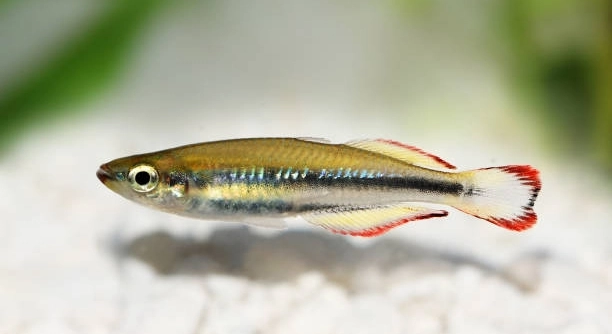
Have you ever noticed your rainbowfish darting around the tank in strange ways, seemingly without reason? These sudden bursts of erratic movement can be alarming and may indicate that something in their environment is affecting their behavior.
Rainbowfish often swim erratically due to a variety of causes including poor water quality, sudden temperature changes, overcrowding, disease, stress, improper diet, and incompatible tank mates. Identifying the root cause is essential for maintaining their health and stability.
Learning about these triggers can help you create a more comfortable environment for your fish and prevent future behavioral issues. Understanding the signs early ensures your rainbowfish thrive in their home.
Overcrowding
Too many rainbowfish in one tank can cause stress and erratic swimming. Crowded conditions limit space for movement, making fish compete for territory and hiding spots. Constant jostling or chasing leads to fatigue and erratic bursts of speed. Overstocking also worsens water quality, increasing ammonia and nitrate levels, which adds further stress. Providing enough space per fish, along with adequate plants and decorations, allows them to establish personal zones. Separating aggressive or highly active individuals can reduce conflict. Monitoring fish behavior regularly helps identify overcrowding issues before serious health problems arise. A balanced population ensures smoother swimming, calmer interactions, and overall well-being. Proper planning when introducing new fish, considering adult size and tank capacity, prevents overcrowding and reduces stress-related erratic movements.
Maintaining appropriate fish density prevents stress and erratic swimming patterns in rainbowfish, supporting healthier interactions and more stable tank conditions.
Proper tank population gives rainbowfish room to swim freely. They interact calmly, feed efficiently, and show natural behaviors. Observing a well-spaced tank creates a sense of order and reduces sudden, unpredictable swimming.
Disease or Parasites
Illness can make rainbowfish swim strangely and appear restless. Even minor infections disrupt their normal behavior.
Rainbowfish may develop erratic movements if affected by parasites, bacterial infections, or fungal growth. Early detection is crucial for treatment. Symptoms include rapid gill movement, loss of appetite, or rubbing against surfaces. Quarantining sick fish and using targeted medications prevents the spread to healthy tank mates. Maintaining cleanliness, stable water conditions, and a proper diet reduces the risk of disease. Stress from overcrowding or temperature fluctuations can make them more vulnerable. Observing your fish closely helps identify health problems quickly, allowing timely intervention. A healthy fish shows smooth, predictable swimming, vibrant coloration, and regular feeding habits, all of which indicate that the tank conditions and care are appropriate for their needs.
Stress
Stress makes rainbowfish swim unpredictably and hide frequently. Noise, sudden movements, or changes in the tank environment can trigger these behaviors, impacting their overall health.
Stress in rainbowfish often results from environmental disturbances, such as loud noises near the tank, rapid lighting changes, or frequent rearrangement of decorations. Even minor adjustments can cause anxiety, leading to erratic swimming, clamped fins, or loss of appetite. Providing stable surroundings, gentle lighting, and a consistent feeding routine helps reduce stress. Hiding spots and plants allow fish to retreat when feeling uneasy. Observing their daily behavior allows you to spot stress early and make simple changes, such as reducing disturbances or maintaining calm around the tank, which encourages them to swim naturally.
Minimizing stress through stable conditions and predictable routines improves rainbowfish health. Calm surroundings help them interact naturally, feed properly, and swim smoothly without sudden bursts.
Improper Diet
Rainbowfish may swim erratically if their diet is unbalanced or inconsistent. Poor nutrition affects energy levels and overall behavior.
Feeding rainbowfish a diet lacking essential vitamins, minerals, and proteins can lead to hyperactivity or lethargy. Overfeeding may also contribute to sudden swimming bursts as fish try to process excess food. Including a mix of high-quality flakes, pellets, and occasional live or frozen foods ensures balanced nutrition. Consistent feeding times help regulate energy and reduce stress-related movements. Avoid giving low-quality food or irregular portions, as this can weaken their immune system and make them more susceptible to erratic behavior. Monitoring how your fish respond to feeding can indicate whether dietary adjustments are needed.
A well-planned diet maintains energy balance, supports healthy swimming patterns, and reduces erratic behavior. Balanced nutrition keeps rainbowfish active, colorful, and resilient to environmental stressors while promoting long-term health.
Incompatible Tank Mates
Aggressive or territorial fish can stress rainbowfish, causing erratic swimming and hiding. Conflicts over space or food make them constantly move to avoid confrontation, disrupting their normal behavior.
Even passive rainbowfish may act nervously if housed with larger or more dominant species. Continuous chasing and competition for territory increases stress levels. Providing compatible tank mates and adequate space minimizes aggression, allowing rainbowfish to swim calmly and interact naturally. Observing fish interactions regularly helps identify tension and prevents long-term behavioral issues.
Sudden Lighting Changes
Rainbowfish react strongly to abrupt shifts in light intensity or duration. Sudden bright lights can startle them, leading to rapid, unpredictable movements.
Maintaining consistent lighting schedules helps rainbowfish adjust naturally. Gradual transitions from dark to light, such as using timers or dimmers, reduce stress and prevent erratic swimming. Plants or shaded areas allow them to retreat when needed. Consistency in lighting supports feeding, sleeping, and normal swimming patterns, creating a stable environment that promotes overall well-being.
Lack of Hiding Spaces
Rainbowfish need hiding spots to feel secure. Without them, they may swim nervously and dart around the tank.
Providing plants, rocks, or decorations gives fish places to retreat, reducing stress and encouraging calm swimming. A well-structured tank supports natural behavior and improves their comfort and health.
FAQ
Why is my rainbowfish swimming erratically all of a sudden?
Sudden erratic swimming is usually caused by environmental stress or a health issue. Rapid changes in water quality, temperature, or lighting can startle them. Illness, parasites, or poor diet can also make rainbowfish swim unpredictably. Observing patterns and testing water helps identify the underlying problem.
How can I tell if water quality is affecting my fish?
Check ammonia, nitrite, nitrate levels, and pH regularly. Cloudy water, strong odors, or algae buildup may indicate poor conditions. Fish may gasp at the surface or swim frantically. Frequent water changes, proper filtration, and avoiding overfeeding help maintain a healthy environment.
What tank temperature is best for rainbowfish?
Rainbowfish thrive between 74°F and 78°F. Sudden drops or rises outside this range can trigger stress and erratic swimming. Use a reliable heater and thermometer, and make changes gradually to avoid shocking the fish.
Can stress from tank mates cause erratic swimming?
Yes. Aggressive or territorial fish can scare rainbowfish, causing constant darting or hiding. Ensure compatible species and enough space. Hiding spots help reduce stress, letting rainbowfish swim calmly. Regular observation prevents prolonged tension.
Could my rainbowfish be sick?
Illness often leads to irregular swimming, loss of appetite, or clamped fins. Parasites, bacterial infections, or fungal growth are common causes. Quarantine affected fish, maintain clean water, and use targeted treatments to prevent spreading. Early intervention is crucial.
How does diet affect swimming behavior?
A poor or inconsistent diet impacts energy levels, causing hyperactivity or lethargy. Feed a balanced mix of flakes, pellets, and occasional live or frozen foods. Avoid overfeeding and maintain regular meal times to keep swimming behavior normal.
Do lighting changes affect rainbowfish?
Abrupt changes in lighting can startle them, resulting in rapid movements. Gradual light transitions using timers or dimmers help rainbowfish adjust. Providing shaded areas or plants lets them retreat if needed. Consistent lighting encourages natural feeding and swimming patterns.
How do I reduce stress in my tank?
Stable water, consistent temperature, compatible tank mates, hiding spaces, and predictable routines reduce stress. Avoid sudden movements around the tank and minimize disturbances. Stress-free fish swim smoothly, feed regularly, and display vibrant colors.
Can overcrowding cause erratic swimming?
Yes. Overcrowding limits space, increases competition, and worsens water quality. Proper stocking, decorations, and plants give each fish room to move. Monitoring population prevents stress and promotes calm, natural swimming behavior.
When should I consult a veterinarian?
If erratic swimming persists despite stable water, proper diet, and tank conditions, a vet specializing in fish can help. Unexplained behavior changes may indicate internal disease or parasites requiring professional treatment. Early consultation improves recovery chances and prevents long-term problems.
What role do hiding spaces play in behavior?
Hiding spaces reduce stress by giving rainbowfish a safe retreat. Plants, rocks, and decorations allow natural behavior, calm swimming, and better overall health. Without them, fish may dart constantly or remain on edge, indicating discomfort.
Can I prevent erratic swimming completely?
While some sudden movements are natural, most erratic swimming can be minimized. Stable water, proper diet, adequate space, compatible tank mates, and consistent lighting create an environment where rainbowfish swim naturally and remain healthy. Regular observation helps address issues quickly.
How often should I test water quality?
Test water at least once a week for ammonia, nitrites, nitrates, and pH. Frequent checks allow early detection of imbalances that can stress fish or trigger erratic behavior. Immediate corrective action maintains a stable and healthy environment.
Are young rainbowfish more prone to erratic swimming?
Yes. Juveniles are more sensitive to environmental changes and may swim unpredictably as they explore and adapt. Providing calm conditions, hiding spots, and stable water encourages smoother swimming and proper growth.
Does overfeeding affect swimming patterns?
Overfeeding increases waste, which worsens water quality and stresses fish. Excess food can lead to frantic swimming as they attempt to process it. Feed small portions and remove leftovers promptly to maintain balance.
How long does it take for rainbowfish to calm down after stress?
Recovery depends on the cause and environment. Minor stress may resolve in hours, while persistent water or health issues can take days. Improving tank conditions and maintaining consistency helps fish return to normal swimming.
Can adding plants reduce erratic swimming?
Yes. Plants provide shelter, reduce stress, and mimic natural habitats. Fish feel secure and swim more calmly. Dense or floating plants also diffuse light, creating a stable environment that supports normal behavior.
Is it normal for rainbowfish to dart occasionally?
Short bursts of speed are normal as they explore or respond to stimuli. Persistent or frequent erratic swimming usually signals stress, poor water quality, illness, or other environmental issues that require attention.
How do I know if my rainbowfish are healthy?
Healthy rainbowfish swim smoothly, feed regularly, show bright colors, and interact naturally with tank mates. Erratic swimming, clamped fins, or hiding indicate potential problems with water, diet, or health. Regular observation and maintenance help keep them in optimal condition.
Can stress cause long-term health problems?
Chronic stress weakens the immune system, making rainbowfish susceptible to disease, stunted growth, and abnormal behavior. Minimizing stress through stable conditions, adequate space, and proper care promotes long-term health and normal swimming patterns.
What is the best way to introduce new fish to prevent stress?
Quarantine new fish before adding them to the main tank. Introduce them gradually and observe interactions. Ensuring compatibility and proper acclimation reduces stress, prevents aggressive encounters, and supports peaceful, predictable swimming behavior.
How do I treat parasites that cause erratic swimming?
Identify the type of parasite through observation or testing. Use appropriate medications according to instructions, isolate infected fish, and maintain clean water. Regular monitoring ensures the treatment is effective and prevents recurrence.
Are rainbowfish sensitive to temperature swings at night?
Yes. Sudden nighttime drops can startle fish and trigger erratic swimming. Gentle insulation, stable room temperature, and gradual changes help maintain comfort. Consistent nighttime conditions support normal activity and overall health.
Can I prevent disease-related swimming issues?
Maintaining clean water, stable temperature, balanced nutrition, and proper stocking prevents most illnesses. Early detection, quarantine for sick fish, and prompt treatment reduce the risk of disease-induced erratic swimming. Proactive care ensures fish remain healthy and active.
Do rainbowfish need a routine to stay calm?
Yes. Predictable feeding times, stable lighting, and consistent water conditions help them feel secure. A routine reduces stress, encourages normal swimming, and improves feeding and interaction with other tank mates.
How important is observation in preventing erratic swimming?
Daily observation allows early detection of stress, illness, or environmental problems. Noticing subtle changes in swimming behavior, appetite, or color helps you act quickly to correct issues and maintain a healthy, stable tank.
What signs indicate overcrowding stress?
Constant chasing, hiding, frantic swimming, or nipping indicate overcrowding. Water quality may decline, causing additional stress. Ensuring adequate space and tank capacity prevents these behaviors and promotes calm, natural movement.
Can lighting color affect swimming behavior?
Bright or harsh lighting may startle fish, while softer, natural lighting supports calm swimming. Combining shaded areas and adjustable lights creates a stable environment that reduces sudden, erratic movements.
How do I balance feeding to prevent erratic swimming?
Feed small, consistent portions of high-quality food. Avoid overfeeding, which stresses the fish and pollutes water. Observing their response helps determine the right amount, supporting stable energy levels and normal swimming patterns.
What role does tank layout play in behavior?
Plants, rocks, and decorations create safe zones and reduce stress. A well-structured layout prevents constant chasing or hiding, allowing rainbowfish to swim naturally, interact calmly, and maintain healthy behaviors.
How often should I monitor fish health?
Daily observation is ideal. Watch swimming patterns, appetite, color, and interactions. Early detection of abnormal behavior or stress allows quick corrective actions, maintaining a healthy and balanced tank environment.
Can stress make rainbowfish color fade?
Yes. Stressed fish often lose vibrancy and may appear dull. Stable water, hiding spots, compatible tank mates, and proper diet help restore color while reducing erratic swimming and improving overall health.
What are the most common causes of erratic swimming?
Poor water quality, sudden temperature changes, overcrowding, disease, stress, improper diet, and incompatible tank mates are the main triggers. Addressing these factors ensures rainbowfish swim naturally and remain healthy.
How do I create a calm tank environment?
Maintain clean, stable water, proper temperature, suitable tank mates, adequate hiding spaces, consistent lighting, and a balanced diet. Minimizing disturbances and observing fish behavior regularly helps sustain calm, natural swimming and overall well-being.
Rainbowfish are active and beautiful fish, but their behavior can change quickly when something in their environment is off. Swimming erratically is one of the most noticeable signs that they are stressed, uncomfortable, or facing health issues. By paying attention to their movements, you can often detect problems early before they become serious. Common factors like water quality, temperature fluctuations, overcrowding, and improper diet all play a significant role in how rainbowfish behave. Even small changes in the tank, such as rearranging decorations or adjusting lighting, can cause temporary stress, which may appear as rapid or unpredictable swimming. Keeping the tank stable and predictable is key to ensuring that your rainbowfish feel safe and behave naturally. Consistent care and observation allow you to notice any unusual patterns and address them promptly, which benefits both the fish and the overall tank environment.
Providing a healthy environment goes beyond simply keeping the water clean. Water chemistry, including pH, ammonia, nitrite, and nitrate levels, needs to be checked regularly. Temperature control is equally important, as rainbowfish are sensitive to both sudden drops and spikes. Overcrowding adds additional stress and can make even a clean, well-maintained tank uncomfortable. Choosing compatible tank mates and arranging the aquarium to include plants, hiding spaces, and open swimming areas encourages calm behavior and natural activity. Nutrition also has a direct effect on swimming patterns. A well-balanced diet with high-quality flakes, pellets, and occasional live or frozen foods ensures that rainbowfish have the energy they need while preventing overfeeding, which can deteriorate water quality and contribute to erratic movements. Every detail of care contributes to a more stable and peaceful environment, allowing your fish to swim freely and display their vibrant colors.
Observation is one of the most effective tools in maintaining healthy rainbowfish. Regularly watching how they swim, eat, and interact can reveal stress, illness, or environmental problems before they become serious. Noticing subtle signs such as clamped fins, constant hiding, or sudden bursts of speed can help pinpoint issues with water quality, tank mates, diet, or disease. Taking corrective measures quickly, whether it’s adjusting the water parameters, reorganizing the tank layout, or addressing dietary needs, supports the long-term health and comfort of your fish. Small changes in routine, feeding schedules, or tank maintenance can make a big difference in behavior and overall well-being. By understanding and addressing the causes of erratic swimming, you can create a stable, safe, and comfortable environment that allows rainbowfish to thrive. Consistent care, observation, and attention to their needs will help your rainbowfish remain active, healthy, and calm, enhancing both their life and your enjoyment of the aquarium.

Hello,
If you enjoy the content that we create, please consider saying a "Thank You!" by leaving a tip.
Every little bit helps us continue crafting quality advice that supports the health, happiness, and well-being of pets around the world, for pets of all shapes, sizes, and species.
We really appreciate the kindness and support that you show us!