
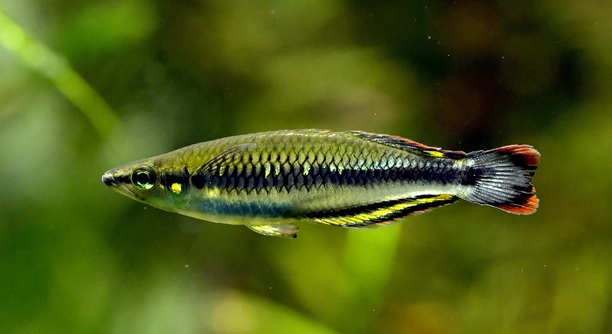
Keeping rainbowfish calm is important for their overall health and well-being. These colorful freshwater fish are sensitive to stress, which can affect their appetite, behavior, and lifespan if not managed carefully in a home aquarium.
Maintaining a calm environment for rainbowfish involves proper tank setup, consistent water parameters, suitable companions, and minimal disturbances. Regular monitoring of temperature, filtration, and feeding routines helps reduce stress and supports long-term health and natural behaviors.
Learning how to create a peaceful habitat can make a significant difference for your rainbowfish. Implementing simple strategies ensures they remain healthy, active, and vibrant for years to come.
Choose the Right Tank Size
Rainbowfish thrive in spacious tanks where they can swim freely. A minimum of 30 gallons is recommended for a small school, but larger tanks provide more room for natural movement and social interaction. Overcrowding can cause stress, reduce growth, and increase aggression among tank mates.
Providing a larger environment supports their well-being.
I have found that when rainbowfish have ample space, their colors appear brighter, and they are more active. Proper tank dimensions also allow for stable water parameters, which reduce sudden changes that can stress them. Including decorations like plants and hiding spots gives them places to retreat, promoting a sense of security. Open swimming areas combined with shaded or hidden sections help mimic their natural habitats. Monitoring the number of fish and adjusting the tank size as needed ensures that each individual has enough space, preventing conflicts. A well-sized tank is a long-term investment in their health and happiness, making it easier to maintain consistent routines and enjoy observing their natural behavior.
Maintain Stable Water Conditions
Keeping water consistent is key for calm rainbowfish. Sudden changes in temperature, pH, or hardness can trigger stress and illness.
Stable conditions help rainbowfish feel secure and maintain their normal activity levels.
Regular testing of water parameters is essential to prevent fluctuations. Temperature should be kept between 74–78°F, pH around 6.5–7.5, and hardness moderate to slightly hard. Using a reliable heater and filter ensures consistency. Performing partial water changes weekly removes toxins and maintains water clarity without shocking the fish. Avoid overfeeding, as leftover food can alter water quality and increase stress. Observing the fish daily allows early detection of unusual behavior, which can indicate water-related issues. Creating a routine for feeding, cleaning, and monitoring the tank establishes predictability, reducing stress over time. Using live or hardy plants can stabilize water chemistry naturally while providing cover. When water conditions remain stable, rainbowfish display brighter colors, healthier appetites, and calmer behavior. Consistency in their environment is one of the most effective ways to ensure long-term well-being.
Provide Hiding Spots
Hiding spots reduce stress and give rainbowfish places to retreat when they feel threatened. Plants, rocks, and decorations create secure areas and help mimic natural habitats, keeping them calm and less reactive to sudden movements or tank activity.
I often arrange plants and small caves to balance open swimming space with safe retreats. Dense areas near the back or sides of the tank allow shy or new fish to adjust without constant exposure. Floating plants can diffuse light, creating shaded zones that further reduce stress. Decorations should not overcrowd the tank; open areas are essential for active swimming. Choosing smooth or non-toxic materials prevents injuries. Over time, fish learn to use these spots, which lowers aggression and increases comfort. Watching rainbowfish move confidently between open water and hiding spots shows they feel secure. Hiding spots also support breeding behavior, as fish feel safer laying eggs when they have protected areas.
Providing varied hiding options encourages natural behavior. A combination of plants, rocks, and artificial caves creates multiple retreat points and ensures calm interactions among tank mates.
Maintain a Balanced Diet
Feeding rainbowfish a varied diet ensures they get essential nutrients without overloading the tank. High-quality flakes, pellets, frozen or live foods keep them healthy and active while supporting long-term coloration and growth.
I mix high-protein options like brine shrimp or daphnia with flakes or pellets to maintain their diet. Rotating foods prevents boredom and ensures all nutritional needs are met. Avoid overfeeding, as excess food decays and impacts water quality, causing stress. Feeding small portions two to three times daily helps maintain stable water conditions and reduces aggression during meals. Observing feeding behavior lets me adjust portions and spot any fish that might be struggling. Balanced nutrition also strengthens their immune systems, reducing susceptibility to disease. Using sinking and floating foods encourages swimming at different levels, keeping the fish active. Offering occasional vegetable matter supports digestion and adds variety. With a proper diet, rainbowfish stay vibrant, energetic, and calm over time.
Keep a Peaceful Community
Choosing compatible tank mates prevents stress and aggressive interactions. Rainbowfish do best with other peaceful species that share similar water requirements, reducing tension and promoting harmony within the tank.
Avoiding overly aggressive or territorial fish helps maintain a calm environment.
Control Lighting and Noise
Consistent lighting and minimal external disturbances support rainbowfish well-being. Sudden changes or loud vibrations can startle them, causing stress or erratic swimming patterns. Adjust lights gradually and reduce external noise to create a stable, comfortable environment.
Gradually transitioning lighting mimics natural day-night cycles, helping regulate behavior and reduce stress. Loud sounds or vibrations from nearby equipment or household activity can trigger rapid movements or hiding. Positioning the tank away from heavy traffic areas and using gentle filtration helps maintain calm conditions. Observing their reactions to light intensity allows fine-tuning for optimal comfort. A stable, quiet environment promotes healthy activity levels and keeps rainbowfish relaxed, reducing long-term stress.
Perform Regular Tank Maintenance
Frequent water changes, substrate cleaning, and filter checks prevent buildup of toxins that can stress rainbowfish. Maintaining cleanliness ensures stable water parameters and a healthy environment for long-term calm.
Routine maintenance also allows observation of fish health and behavior changes early, supporting proactive care.
What is the ideal tank size for rainbowfish?
A minimum of 30 gallons is recommended for a small school of rainbowfish. Larger tanks provide more swimming space, reduce stress, and help maintain stable water conditions. Open areas combined with plants and hiding spots allow fish to feel secure while staying active.
How many rainbowfish should I keep together?
Rainbowfish are schooling fish and feel safer in groups. Keeping at least six individuals encourages natural behavior and reduces stress. Smaller groups can become shy or aggressive, while larger groups maintain social structure and vibrant activity.
What water parameters are best for calm rainbowfish?
Temperature should be kept between 74–78°F, pH around 6.5–7.5, and water hardness moderate to slightly hard. Regular testing ensures stability. Using a reliable heater, filter, and partial water changes weekly prevents sudden fluctuations that can stress the fish.
How often should I feed rainbowfish?
Small portions two to three times daily are ideal. Overfeeding can lead to water quality issues, which stress fish. A balanced diet of high-quality flakes, pellets, and occasional live or frozen foods ensures proper nutrition and long-term health.
Do rainbowfish need hiding spots?
Yes, hiding spots like plants, rocks, and caves reduce stress and provide retreat areas. Shy or new fish benefit from these safe zones, and open swimming areas paired with shelters support natural behavior.
Can rainbowfish live with other fish?
Peaceful, similarly sized fish are the best companions. Avoid aggressive or territorial species. Properly chosen tank mates reduce stress and allow rainbowfish to display calm, natural behavior. Observing interactions ensures harmony in the tank.
How does lighting affect rainbowfish behavior?
Gradual, consistent lighting mimics natural day-night cycles and reduces stress. Bright, sudden lights can startle fish. Floating plants or shaded areas provide comfort, allowing them to regulate activity and retreat when needed.
How important is regular tank maintenance?
Routine cleaning, water changes, and filter checks prevent toxin buildup, maintain water quality, and promote calm behavior. Monitoring fish during maintenance allows early detection of illness or stress signs, supporting proactive care.
Why do rainbowfish become stressed easily?
Stress often comes from overcrowding, poor water quality, sudden environmental changes, or aggressive tank mates. Addressing these factors through stable conditions, proper nutrition, and adequate space keeps them healthy and calm.
Can I reduce stress with tank decorations?
Decorations like plants, rocks, and caves create visual barriers and hiding spots, which reduce stress. Carefully arranged decor allows free swimming while giving fish retreat zones, supporting natural behavior and long-term well-being.
How do I know if rainbowfish are stressed?
Signs include rapid swimming, hiding excessively, loss of appetite, or dull coloration. Regular observation and stable tank conditions help identify and reduce stress before it impacts health.
Is water change frequency important for calm fish?
Yes, weekly partial water changes maintain clarity and stable parameters. Consistent changes prevent buildup of toxins, reduce stress, and support vibrant coloration and natural activity levels.
How can diet impact rainbowfish behavior?
A varied diet keeps rainbowfish energetic and healthy. Protein-rich foods like brine shrimp or daphnia combined with flakes or pellets prevent boredom, support coloration, and maintain calm behavior over time.
Do temperature fluctuations affect rainbowfish long-term?
Yes, sudden changes can trigger stress and illness. Using a reliable heater and monitoring daily ensures stable temperatures, helping rainbowfish remain active, healthy, and calm.
Can I use artificial plants instead of live ones?
Artificial plants work if they provide hiding spots and don’t overcrowd the tank. Smooth, non-toxic materials prevent injury while still creating shelter, shade, and retreat zones for stressed or shy fish.
How often should I monitor water parameters?
Weekly testing for pH, temperature, and hardness is sufficient in a stable setup. Frequent checks help prevent stress caused by unexpected changes and support long-term health and calm behavior.
What role does tank placement play in fish calmness?
Placing the tank away from high traffic or noisy areas reduces startle responses. Calm surroundings combined with steady lighting and gentle filtration create a secure environment where rainbowfish feel comfortable.
Can I reduce stress by adding more fish?
Adding more rainbowfish can help maintain social structure, but overcrowding increases competition and aggression. Balance numbers with tank size to keep all fish calm and healthy.
How long does it take for rainbowfish to adapt to a new tank?
Adjustment can take one to two weeks. Providing hiding spots, stable water conditions, and minimal disturbances during this period helps fish feel secure and reduces stress.
Are certain decorations better for shy fish?
Dense plants, caves, and back-of-tank shelters give shy rainbowfish places to retreat. Open swimming zones should still exist to encourage natural movement, creating a balanced environment for all personalities.
Does filtration affect calmness?
Yes, gentle, consistent filtration prevents sudden currents that stress fish. Avoid strong water flow or noisy filters. Proper filtration maintains water quality and contributes to a relaxed tank environment.
Can I train rainbowfish to feel more comfortable?
Consistent routines for feeding, light cycles, and tank maintenance help rainbowfish anticipate events. This predictability reduces stress, encourages natural activity, and helps them feel secure in their environment.
Are rainbowfish more active during certain times of day?
Yes, they are generally more active during daylight hours. Mimicking natural light cycles supports normal behavior and reduces stress, while dim or shaded areas allow for rest and retreat.
What should I do if rainbowfish show signs of stress?
Identify the cause by checking water parameters, tank mates, and feeding habits. Adjust conditions gradually, provide hiding spots, and maintain consistent care to restore calm and long-term well-being.
Can water hardness affect stress levels?
Yes, maintaining moderate to slightly hard water supports comfort and health. Sudden changes in hardness can trigger stress, affecting behavior, coloration, and appetite. Regular monitoring ensures stability and long-term calm.
How important is social interaction among rainbowfish?
Strongly social, rainbowfish thrive in groups. Adequate schooling reduces fear, encourages activity, and supports natural behaviors. Proper numbers and compatible companions maintain harmony and calm throughout the tank.
Does overfeeding contribute to stress?
Yes, leftover food deteriorates water quality and can lead to aggression over food. Small, frequent portions prevent stress, support digestion, and maintain a clean environment for long-term health.
Can temperature and lighting be adjusted together?
Gradual adjustments in both help mimic natural cycles. Sudden changes in either can cause stress, so maintaining consistency promotes calm behavior and overall well-being.
How do I know if my tank is too small?
Signs include frequent aggression, hiding, and rapid swimming. Ensuring ample space for schooling, swimming, and retreats prevents stress and supports natural behavior.
Are live plants better than artificial ones for reducing stress?
Live plants help stabilize water parameters and offer natural hiding spots, but well-placed artificial plants provide similar retreats. Both reduce stress when arranged to balance open swimming and shelter areas.
How can I prevent stress during maintenance?
Perform partial water changes, clean gently, and minimize sudden movements. Observing fish behavior and keeping routines consistent reduces stress while maintaining tank health.
Do rainbowfish prefer calm or active tank environments?
They prefer calm surroundings with gentle currents, predictable routines, and minimal aggressive tank mates. Calm environments encourage natural behavior, vibrant coloration, and long-term well-being.
Can tank decorations influence social behavior?
Yes, shelters and plants provide boundaries that reduce aggression. Balanced decoration ensures all fish have retreat options while still allowing schooling and interaction in open areas.
Is water testing essential for long-term calmness?
Yes, frequent testing detects parameter changes early. Maintaining stable conditions prevents stress, supports health, and ensures rainbowfish remain calm and active over time.
Do rainbowfish show stress in their colors?
Dull or faded colors can indicate stress, illness, or poor water conditions. Bright, consistent coloration generally reflects calmness and good health.
How long can rainbowfish stay calm in a well-maintained tank?
With stable water, compatible companions, proper diet, and hiding spots, rainbowfish can remain calm and healthy for several years, displaying natural behaviors and vibrant coloration.
Caring for rainbowfish requires attention to detail, patience, and consistency. These small, colorful fish are sensitive to their environment, and their well-being depends largely on the conditions we provide. Proper tank size, stable water parameters, and compatible tank mates all contribute to creating a peaceful habitat. Overcrowding or sudden changes in water quality can easily cause stress, which affects their behavior, appetite, and even lifespan. By ensuring the tank is spacious enough for swimming and schooling, you allow rainbowfish to move freely and interact naturally, which is essential for their long-term health. Adding plants, rocks, or other hiding spots gives them retreat areas that help reduce tension and create a sense of security. These measures may seem basic, but they form the foundation for a calm and thriving aquarium. Observing how your fish respond to these conditions provides important insight, helping you make small adjustments to support their well-being.
Diet and feeding routines also play a key role in maintaining calm rainbowfish. A varied diet that includes high-quality flakes, pellets, and occasional live or frozen foods keeps them energetic and supports their natural coloration. Overfeeding, however, can lead to water quality issues that directly impact stress levels. Establishing a consistent feeding schedule helps prevent sudden changes in the tank environment while ensuring all fish receive adequate nutrition. Paying attention to how each fish eats allows you to monitor their health and spot early signs of illness or stress. Balanced nutrition combined with proper tank maintenance creates an environment where rainbowfish can remain active and healthy over the long term. This combination of consistent care, adequate space, and thoughtful feeding helps reduce stress, making the fish calmer and more vibrant.
Maintaining a calm aquarium requires a long-term commitment and consistent observation. Lighting, noise levels, and water quality should be monitored regularly to prevent sudden disturbances. Gradual changes in lighting or temperature mimic natural cycles, supporting normal activity and reducing anxiety. Social interactions also matter, as rainbowfish are schooling fish and feel most secure in groups of six or more. Introducing compatible companions encourages natural behavior while minimizing conflicts. Observing their behavior, colors, and activity patterns allows you to respond quickly if something appears off, which is vital for stress prevention. Over time, a well-maintained tank with stable conditions, proper diet, and thoughtful decoration supports both physical health and emotional well-being. By following these principles, rainbowfish can thrive for years, displaying calm behavior, vibrant colors, and active schooling patterns that reflect a stable, secure environment.

Hello,
If you enjoy the content that we create, please consider saying a "Thank You!" by leaving a tip.
Every little bit helps us continue crafting quality advice that supports the health, happiness, and well-being of pets around the world, for pets of all shapes, sizes, and species.
We really appreciate the kindness and support that you show us!