
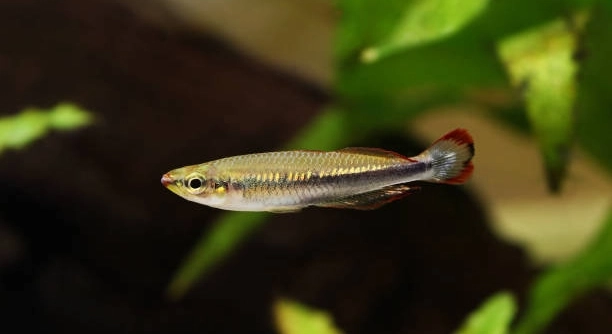
Are your fish starting to bunch together in a tank that feels smaller every day, leaving you unsure about their comfort and overall wellbeing as they try to swim and settle peacefully in their home.
Overcrowding in an aquarium occurs when the available space, filtration capacity, and oxygen levels cannot support the number of fish present, causing stress, impaired growth, increased aggression, and greater disease risk that indicate the tank is operating beyond safe limits.
These early signs help you understand tank conditions and encourage steady improvements that support a healthier environment for your fish.
Reduced Swimming Space
Fish start pressing against each other when space becomes tight, and I notice how quickly their behavior shifts once movement becomes limited. They begin turning abruptly, slowing down near crowded corners, and struggling to complete simple laps across the tank. This restricted movement affects their confidence and makes them more reactive to small changes around them. I often see how a cramped layout raises stress levels, especially when hiding spots become shared instead of individual. Over time, this limited freedom influences their appetite, rest, and ability to grow properly. Even well balanced tanks can become strained when too many fish are added without considering the space needed for natural exploration. Observing these patterns helps me understand when the environment no longer supports comfortable swimming. A tank should allow each fish to move smoothly, maintain its personal zone, and express normal habits without constant pressure from nearby tankmates.
Crowded swimming paths create tension in the tank and force fish to compete for every inch of space, leading to restless behavior.
When I notice these changes, I know it is time to adjust the layout and reduce the number of fish so each one has enough room to swim calmly and feel secure.
Increased Aggression
Tense behavior becomes more common when too many fish share limited space, creating unnecessary stress as each one tries to defend territory and maintain normal habits.
Aggression builds quickly in a packed tank, and I see it through sudden chasing, fin nipping, and constant displays of dominance. When fish feel trapped, they react instinctively, and this pressure affects the entire group. Some begin hiding more often, while others compete for food with a level of urgency that feels out of place in a stable tank. These interactions can escalate into visible injuries, especially when weaker fish cannot escape the constant activity. I notice how social species struggle as well, since crowding disrupts their natural group behavior. Addressing this issue starts with understanding how aggression signals that the environment is no longer balanced. Reducing stock, improving spacing, and offering additional hiding areas help calm the tank and restore harmony among the fish.
Poor Water Quality
Waste builds up faster in a crowded tank, and I notice how quickly the water becomes cloudy or develops an unpleasant smell. These changes show that filtration is struggling to keep up, and the fish begin reacting to the unstable conditions with visible discomfort.
Frequent spikes in ammonia and nitrite levels make the tank harder to manage, especially when there are more fish producing waste than the system can safely handle. I often see fish becoming sluggish, gathering near the surface, or avoiding certain areas where the water quality seems harsher. These signs tell me the balance has shifted too far, creating an environment that feels unstable and stressful. Regular maintenance helps, but overcrowding continues to push the tank beyond what is manageable. Reducing stock, improving filtration, and increasing water changes bring the environment back to a healthier baseline that supports stable conditions.
When the tank becomes too crowded, even small feeding mistakes lead to quick pollution. Excess food sinks unnoticed, breaks down rapidly, and creates more stress for the fish. I find that adjusting the number of fish, along with careful feeding and consistent cleaning, prevents these issues from returning and keeps the water safer for everyone.
Stunted Growth
Fish begin to grow slower when the tank is overcrowded, and I see this most clearly in species that usually develop quickly under stable conditions. Limited space, stress, and poor water quality all contribute to this gradual slowdown that becomes more noticeable over time.
Stunted growth often appears alongside reduced energy, weaker coloring, and less interest in food. When fish are constantly competing for space, oxygen, and resources, their bodies shift energy toward survival instead of healthy development. I find this issue particularly concerning in younger fish, since they rely on steady conditions to reach their full size. An overcrowded tank restricts their natural behavior in ways that eventually affect their long term health. By lowering stock levels, improving filtration, and keeping the tank environment stable, growth returns to a healthier pace. This balance supports proper development and helps each fish reach the size and strength it should.
Frequent Surface Gasping
I notice fish rising to the surface more often when oxygen levels drop because the tank is too crowded. Their breathing becomes quicker, and they linger near the top, signaling that the water cannot support everyone comfortably anymore.
This behavior grows more obvious as waste increases and circulation struggles to keep up. Even active fish slow down and stay near currents, trying to find relief. These small shifts show me the tank is reaching its limit and needs adjustments.
Excessive Waste Buildup
A crowded tank produces more debris than the system can manage, and I see it settle quickly along the gravel and decorations. The water becomes hazy faster, and cleaning sessions feel less effective because the waste returns almost immediately. This constant buildup signals that the environment is overwhelmed. Regular maintenance helps, but the tank remains unstable until the number of fish is reduced and the filtration is supported with stronger circulation and more frequent water changes. Once the balance improves, the water clears noticeably and the fish look more at ease in their space.
Reduced Appetite
I notice fish eating less when conditions decline, especially in a busy tank where stress grows quickly. Even foods they usually enjoy go untouched, and their feeding routines lose rhythm as the environment becomes harder for them to manage.
FAQ
How can I tell if my tank is overcrowded?
I usually look for several signs at once. Fish may swim awkwardly, chase each other more than usual, or hide frequently. Water might become cloudy, and waste buildup can be faster than normal. Rapid surface breathing, stunted growth, and dull coloring are also clear indicators that the tank is holding too many fish. Observing consistent stress behaviors helps me decide if action is needed to reduce the population.
What is the best way to reduce overcrowding?
The simplest approach is to move some fish to another properly maintained tank or find suitable homes for them. Adjusting stocking numbers to match the tank size and filtration capacity ensures a healthier environment. Adding hiding spots or rearranging decorations can reduce stress temporarily, but reducing the number of fish is the only long-term solution. I always make sure the new locations can support the fish comfortably and provide proper care.
How often should I clean a crowded tank?
Crowded tanks need more frequent water changes and gravel cleaning to prevent spikes in ammonia and nitrite. I usually perform partial water changes weekly, sometimes increasing frequency depending on fish activity and waste production. Filtration maintenance is equally important; cleaning or replacing filter media regularly helps maintain stable conditions. Overcrowding increases the rate of debris accumulation, so staying ahead of waste is essential to prevent health issues.
What impact does overcrowding have on fish health?
Stress is the most immediate effect. Overcrowding causes rapid breathing, lethargy, and frequent hiding. It also suppresses the immune system, making fish more prone to diseases. Aggressive interactions like chasing and fin nipping increase, leading to injuries. Stunted growth and poor coloration are long-term effects I notice when the tank remains crowded for extended periods. Proper space, filtration, and diet help mitigate these risks.
Can overcrowding affect breeding?
Yes, it significantly reduces breeding success. Fish under stress often avoid mating or may reject eggs or fry. Aggression toward weaker fish or fry increases, and competition for food and space lowers survival rates. I’ve observed that even minor crowding discourages normal reproductive behavior. Maintaining a balanced environment ensures natural breeding cycles are more likely to succeed.
Is water quality the main concern in a crowded tank?
Water quality is critical. High ammonia and nitrite levels develop quickly in overcrowded tanks, leading to stress and illness. Even with strong filtration, overcrowding can overwhelm the system. I monitor water parameters closely and perform frequent testing to prevent toxic conditions. Clean water supports better health, growth, and behavior in fish.
Can I temporarily manage overcrowding without removing fish?
Some measures help short-term. Increasing filtration, adding air stones, and rearranging decorations to create more hiding spaces can reduce stress. Careful feeding to avoid excess waste also helps. However, these are temporary fixes; the number of fish must eventually be reduced to maintain a healthy, stable tank. I always plan for long-term solutions rather than relying solely on adjustments.
What are the risks of ignoring overcrowding?
Ignoring overcrowding leads to chronic stress, disease outbreaks, stunted growth, and higher mortality. Aggression becomes routine, and water quality deteriorates faster than normal. I’ve seen tanks fail completely because the environment could no longer support the fish. Addressing overcrowding early prevents these serious problems and keeps the tank safer for everyone.
How can I prevent overcrowding in the future?
Planning before adding new fish is key. I calculate tank capacity based on size, filtration, and species needs. Introducing fish gradually rather than all at once prevents sudden stress. Monitoring growth and behavior regularly allows adjustments before overcrowding becomes a problem. Proper care and patience maintain a balanced, healthy aquarium over time.
Are some fish more sensitive to crowding than others?
Yes, smaller schooling fish tolerate closer proximity, while larger or territorial species require more personal space. Aggressive species show stress quickly when confined, and slow-moving fish may struggle to compete for food. I select compatible species and plan tank populations carefully to reduce conflict and stress, ensuring a stable environment for all inhabitants.
Overcrowding in a fish tank can affect every aspect of aquatic life, and I have learned to watch for even subtle signs. When the tank holds too many fish, space becomes limited, and the fish cannot swim freely or establish their own areas. They may start hiding more often or swimming in awkward patterns to avoid constant contact with others. Stress levels rise quickly in these conditions, and I often notice changes in behavior that signal discomfort. Even healthy, active fish begin slowing down, lose their usual bright coloring, or compete aggressively for food and territory. The water itself reacts as well; waste accumulates faster, ammonia and nitrite levels spike, and the filtration system struggles to maintain stable conditions. Watching the tank over time shows me that overcrowding is not just a temporary problem—it impacts growth, immunity, and overall wellbeing if not addressed properly. Ensuring adequate space is fundamental to keeping fish healthy and maintaining a peaceful environment.
Managing an overcrowded tank requires both observation and action. I have found that simply noticing signs is not enough; adjustments must be made to restore balance. Reducing the number of fish is often the most effective solution, and it can involve relocating some to other tanks or rehoming them safely. Temporary measures, such as increasing filtration, improving circulation, and adding more hiding spots, help reduce immediate stress but cannot replace adequate space. Regular maintenance becomes even more important in crowded tanks to keep water quality within safe levels. Monitoring feeding is also essential, as overfeeding can worsen water quality and create more stress for the fish. Maintaining a careful routine of partial water changes, gravel cleaning, and filtration checks helps keep the environment stable while longer-term adjustments take effect. Paying attention to behavior, coloration, and growth provides ongoing insight into how well the tank is functioning, helping prevent problems before they become serious.
Preventing overcrowding in the first place is often easier than correcting it later. Planning the tank population based on its size, filtration capacity, and the needs of each species ensures the environment remains healthy and balanced. Gradually introducing new fish rather than adding many at once allows the tank to adjust without sudden stress. Some species are more sensitive to limited space, so choosing compatible fish and understanding their growth patterns is important. Maintaining a consistent schedule of observation, cleaning, and monitoring water parameters supports both the fish and the ecosystem as a whole. By taking these steps, the tank remains a comfortable, stable environment where fish can grow, explore, and thrive naturally. Overcrowding can create serious problems, but careful planning and attentive care prevent these issues, ensuring a healthy home for every fish in the tank.

Hello,
If you enjoy the content that we create, please consider saying a "Thank You!" by leaving a tip.
Every little bit helps us continue crafting quality advice that supports the health, happiness, and well-being of pets around the world, for pets of all shapes, sizes, and species.
We really appreciate the kindness and support that you show us!