
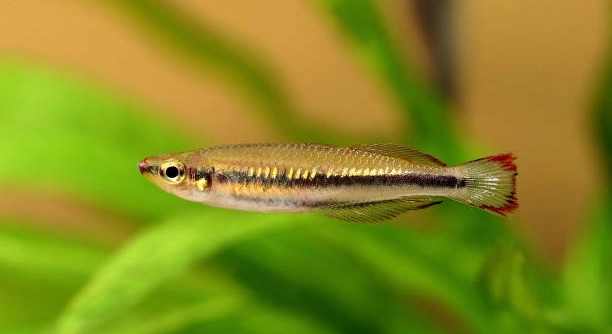
Rainbowfish are colorful and lively fish that bring charm to any aquarium. Many owners notice that these fish sometimes avoid certain spots, even in well-maintained tanks. Their behavior can seem puzzling at first glance.
Rainbowfish may avoid specific areas due to water conditions, presence of predators, overcrowding, or insufficient hiding spaces. These factors influence their comfort and safety, causing them to select regions that better meet their physiological and behavioral needs.
Observing their choices can reveal important insights into their wellbeing and tank environment. Small adjustments can make a big difference in where they feel safe.
Water Quality and Temperature
Rainbowfish are sensitive to changes in water quality. Poor water conditions, like high ammonia, nitrite, or nitrate levels, can make them avoid certain areas. Even minor fluctuations in temperature can cause stress. When I first noticed my rainbowfish hiding in one corner, I checked the water immediately. Testing pH, hardness, and temperature regularly helps maintain a stable environment. Proper filtration and consistent water changes reduce toxins and keep the water clear. Some rainbowfish prefer slightly cooler or warmer spots, depending on species. Adding gentle aeration can improve oxygen levels, encouraging them to explore the tank more freely. Watching their behavior over a few days often reveals preferences that may not be obvious at first. A well-maintained tank keeps them active, colorful, and healthy, while avoiding problem zones naturally. Ensuring that water conditions remain consistent is one of the simplest ways to support their natural behavior and comfort in the aquarium.
Maintaining stable water quality helps rainbowfish feel secure and reduces their tendency to hide in certain areas.
Small changes in water quality can have big effects. Observing your rainbowfish closely allows you to understand how they respond. Adjusting filtration, temperature, and aeration can create a more comfortable environment. Even small tweaks, like adding floating plants for shade or hiding spots, can encourage them to explore the tank. Each fish may have different preferences, so noticing subtle cues, such as where they gather or avoid, can guide changes. Over time, keeping water conditions consistent will make their movements more predictable and their coloration brighter. Paying attention to these factors not only supports their health but also enhances the overall appearance of your aquarium. Regular monitoring, combined with gentle adjustments, ensures that all areas of the tank become usable and inviting for rainbowfish, reducing stress and promoting natural behavior.
Tank Layout and Hiding Spaces
Rainbowfish need enough space and places to feel safe. Overcrowded tanks or lack of hiding spots can make them avoid certain areas.
Providing adequate hiding spots, such as plants, rocks, or decorations, gives rainbowfish security. If they feel exposed, they often stick to the corners or areas with cover. When arranging the tank, it’s helpful to create a mix of open swimming space and sheltered zones. I noticed that my fish explored more after adding tall plants and small caves. Different species have different preferences for height, light exposure, and density of cover. A balanced layout allows shy fish to gradually feel safe while maintaining visibility for observation. Overcrowding not only stresses the fish but also encourages competition for territory. By spacing decorations thoughtfully and ensuring there is enough room for swimming, rainbowfish are more likely to use the entire tank. Paying attention to their natural tendencies can make the tank a more comfortable environment, encouraging natural behavior and movement throughout the aquarium.
Lighting and Tank Environment
Bright lights can make rainbowfish feel exposed and avoid certain areas. Dimmer spots or shaded regions created by plants or decorations often become their preferred resting zones. Adjusting light intensity helps balance activity and comfort.
I noticed my rainbowfish tended to stay under tall plants when the overhead light was strong. They moved freely during mornings and evenings when light was softer. Some species are more sensitive to direct lighting and prefer gradual changes, while others adapt quickly. Using floating plants or adjustable LED lights allows control over brightness, creating zones they feel safe in. Over time, observing their habits helped me identify the best light levels for comfort and activity. The tank environment, including lighting, strongly influences where rainbowfish feel secure and active. Proper light management can encourage them to explore more areas rather than sticking to shaded corners.
Providing natural-looking environments with plants and subtle decorations helps rainbowfish feel comfortable. Their behavior changes noticeably when these adjustments are made.
Social Dynamics and Tank Mates
Rainbowfish are social but sensitive to aggression. Stress from dominant fish can cause them to avoid certain areas, seeking quieter spots. Spacing and compatible tank mates reduce tension.
In my tank, some rainbowfish would hide whenever new fish were introduced. Aggressive species or overcrowded tanks force them to retreat, affecting feeding and activity. Observing interactions helped me separate overly dominant fish and create small groups that coexisted peacefully. Each fish has a hierarchy, and understanding this social structure is key. Providing multiple hiding spots and ensuring enough swimming space allows shy fish to navigate safely. Even minor changes in social dynamics can influence where rainbowfish choose to spend their time, so monitoring behavior is essential. With careful observation, adjustments in tank population and layout can promote harmony.
Rainbowfish thrive in calm, balanced groups. Adjusting tank mates and layout supports their natural behavior and comfort.
Feeding Spots and Food Availability
Rainbowfish often avoid areas where food is scarce or competition is high. They prefer spots where they can eat comfortably without stress from other fish. Observing their feeding habits helps identify preferred zones in the tank.
In my tank, certain corners were always busy during feeding times. I noticed some rainbowfish stayed in quieter areas until the others finished. Providing multiple feeding spots and spreading food evenly reduced stress and allowed all fish to access it comfortably. Over time, they began exploring more of the tank, feeling confident that they could feed without confrontation. Adjusting feeding routines improved their movement and activity, showing how food distribution affects where they choose to spend time.
Noise and Vibrations
Loud noises or vibrations near the tank can make rainbowfish avoid exposed areas. They prefer calmer spots with minimal disturbances.
Seasonal and Environmental Changes
Changes in water temperature, lighting, or even routine maintenance can influence rainbowfish behavior. I noticed my fish shifting locations whenever I replaced part of the water or adjusted the filter. Consistency in environmental conditions encourages them to feel secure throughout the tank.
FAQ
Why do rainbowfish hide in certain areas of the tank?
Rainbowfish often hide due to stress, poor water conditions, or the presence of aggressive tank mates. In my experience, even minor changes in pH or temperature caused them to seek shelter under plants or behind decorations. Providing stable water conditions and multiple hiding spots helps them feel secure and more willing to explore the tank freely.
How can I tell if water quality is affecting their behavior?
Signs include staying in corners, reduced activity, or faded colors. I started testing ammonia, nitrite, and nitrate levels weekly, which revealed slight imbalances. Once corrected, my rainbowfish began exploring again. Regular monitoring and consistent water changes prevent these issues and improve overall health and comfort.
Do lighting conditions really impact where rainbowfish swim?
Yes, they prefer softer or shaded areas when lights are too bright. I noticed my fish avoided open swimming areas under strong LED lighting. Using floating plants or dimmable lights created zones where they felt safe while still being visible, allowing for natural movement without stress.
Can overcrowding cause rainbowfish to avoid certain areas?
Overcrowding often leads to stress and territorial behavior. I once had too many fish in a medium-sized tank, and several rainbowfish stayed in one corner to escape dominant individuals. Reducing population density and providing hiding spaces helped them spread out and interact more naturally.
Will changing tank mates affect their preferred zones?
Yes. Introducing aggressive or fast-moving fish can cause rainbowfish to retreat. I noticed shy fish hiding whenever new, dominant species were added. Choosing compatible tank mates and arranging decorations to create multiple territories allows peaceful coexistence, letting all fish move freely and reduce stress.
Do rainbowfish react to noise or vibrations near the tank?
They do. Loud sounds or vibrations make them seek shelter. I once moved my tank close to a busy hallway, and my fish stayed in shaded areas for days. Moving the tank to a quieter spot and minimizing disturbances encouraged them to return to open swimming areas.
How do seasonal or environmental changes influence their behavior?
Fluctuations in temperature, lighting, or water maintenance routines can make rainbowfish temporarily avoid certain areas. I noticed subtle shifts in their locations after partial water changes or adjusting the filter. Maintaining consistency helps them feel secure and encourages regular movement throughout the tank.
Can food distribution affect where rainbowfish swim?
Yes. If food is concentrated in one area, shy or smaller fish may avoid feeding zones. I started spreading flakes across multiple spots and observed that all fish began exploring different areas comfortably. Balanced feeding routines reduce competition and allow rainbowfish to move freely and safely.
What is the best way to encourage rainbowfish to use the entire tank?
Providing stable water conditions, multiple hiding spots, gentle lighting, and compatible tank mates encourages exploration. In my experience, observing behavior and making small adjustments gradually improved tank coverage. Over time, rainbowfish felt safe, confident, and active in all areas, rather than sticking to a few corners.
How often should I monitor their behavior for changes?
Daily observation is ideal. Small shifts in movement, color, or interaction can indicate stress or environmental issues. I keep a simple log to track patterns, which helps identify problems early. Consistent monitoring ensures rainbowfish remain healthy and comfortable, reducing the likelihood of them avoiding parts of the tank.
Are there signs that a rainbowfish is permanently stressed or unhealthy?
Persistent hiding, loss of appetite, dull colors, or lethargy can indicate ongoing stress. I noticed a couple of fish showing these signs when water quality dropped. Addressing water conditions, tank mates, and hiding spaces promptly restored their behavior. Early intervention is key to preventing long-term health issues.
Do decorations and plants really make a difference in their comfort?
Absolutely. Rainbowfish use plants and structures as shelter, resting spots, and navigation markers. In my tank, adding tall plants and small caves encouraged shy fish to explore and swim more confidently. A thoughtful layout supports natural behavior and reduces stress, making the tank a more enjoyable environment.
How long does it take for rainbowfish to adjust to changes?
Adjustment depends on the type and scale of the change. Minor lighting tweaks may take a few hours, while new tank mates or layout changes can take days. I observed my fish closely, giving them time to adapt before making further adjustments, which reduced stress and promoted natural behavior.
Can temperature fluctuations make them avoid certain areas?
Yes, rainbowfish prefer stable temperatures. I once experienced sudden drops during a winter night, and my fish stayed near the heater and plants. Keeping temperature consistent with a reliable heater and monitoring helps them feel secure and maintain regular swimming patterns.
Do rainbowfish show preferences for certain parts of the tank naturally?
They do. Some prefer shaded corners, others open swimming areas. I noticed variations depending on species, age, and personality. Observing these preferences and accommodating them with thoughtful tank design improves comfort, reduces stress, and encourages more natural behavior across the tank.
Final Thoughts
Rainbowfish are lively and beautiful fish, but they can be surprisingly sensitive to their surroundings. They react to water conditions, tank mates, lighting, and even small vibrations. Observing where they spend their time can give important clues about their comfort and health. In my experience, rainbowfish tend to avoid areas that feel unsafe, exposed, or stressful. This behavior is normal, but it also signals that adjustments may be needed in the tank. By paying attention to their choices, it’s possible to create a more balanced environment where they feel secure and active. Simple changes, like adding plants, adjusting lighting, or spreading food, often make a noticeable difference in their behavior and well-being. Over time, I found that small, consistent improvements to the tank setup encouraged my rainbowfish to explore more and reduce hiding.
Maintaining proper water conditions is one of the most important steps to supporting rainbowfish comfort. They are sensitive to changes in temperature, pH, and chemical levels, so testing the water regularly helps prevent stress. Stable, clean water allows them to feel safe in more areas of the tank and reduces the tendency to retreat to hidden spots. I noticed that even small water fluctuations caused my fish to cluster in corners or behind decorations. By using a reliable filtration system, performing regular water changes, and keeping temperature steady, they gradually began exploring more freely. Water quality affects not only where rainbowfish swim but also their color, appetite, and activity levels. Paying attention to these details helps maintain a healthy environment, allowing them to thrive and interact naturally.
Tank layout, hiding spaces, and social dynamics also play a big role in rainbowfish behavior. Providing enough open space for swimming while including shaded areas, plants, and small decorations gives them a choice between safety and exploration. Overcrowding or aggressive tank mates can cause stress and lead to avoidance of certain areas, so monitoring interactions is important. I noticed that shy rainbowfish became more confident once I created separate zones with multiple hiding spots. Feeding routines also impact where they spend their time. By distributing food across the tank, I encouraged more balanced activity and reduced competition. Paying attention to lighting, environmental changes, and overall tank conditions helps create a space where rainbowfish feel secure, active, and healthy. With patience and observation, it is possible to understand their preferences and make small adjustments that improve their daily life.

Hello,
If you enjoy the content that we create, please consider saying a "Thank You!" by leaving a tip.
Every little bit helps us continue crafting quality advice that supports the health, happiness, and well-being of pets around the world, for pets of all shapes, sizes, and species.
We really appreciate the kindness and support that you show us!