
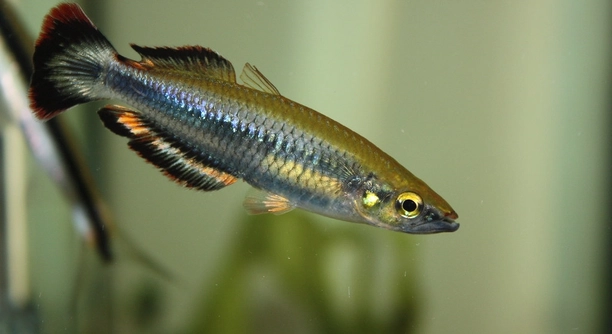
Rainbowfish are colorful and lively, but their well-being depends heavily on stable water conditions. Sudden temperature changes can quickly affect their health, behavior, and overall comfort in the aquarium environment.
Rainbowfish are highly sensitive to rapid fluctuations in water temperature. Shifts of even a few degrees can cause stress, weaken immune responses, and disrupt normal behaviors. Maintaining consistent temperature ranges is essential for their health and longevity.
Understanding these temperature swings is crucial for keeping rainbowfish calm and healthy. Small adjustments and awareness can prevent stress and ensure a thriving aquarium environment.
Sudden Drops in Water Temperature
A sudden drop in water temperature can shock rainbowfish, making them sluggish and less active. Even a small decrease of a few degrees can stress their system, impacting feeding and swimming behaviors. When water cools too quickly, their metabolism slows, and their immune system can weaken, making them more vulnerable to disease. These fish thrive in stable conditions, so it’s important to monitor your tank carefully. Sudden temperature changes often happen when cold water is added or when room temperature fluctuates dramatically. Using a reliable heater and thermometer helps prevent these rapid shifts. Consistency is key, and observing your fish daily can show early signs of stress. When rainbowfish are comfortable, they display brighter colors and swim more confidently. Preventing sudden drops also supports breeding behavior, as stressed fish are less likely to reproduce. Overall, keeping water temperature steady is essential for their long-term health and vibrant appearance.
Regular monitoring and a steady heater can greatly reduce stress from cold water drops.
Keeping a stable temperature helps rainbowfish remain active, healthy, and colorful. Sudden drops may cause hiding, reduced appetite, and weakened immune responses. Adjustments should be gradual, and checking the thermometer daily ensures water stays within safe ranges. Consistent warmth supports natural behavior, feeding, and overall resilience.
Rapid Increases in Temperature
High water temperatures can be just as stressful as drops.
Rapid increases raise metabolism too quickly, leaving rainbowfish lethargic or overly stressed. Their oxygen needs rise, but warmer water holds less oxygen, which can lead to breathing difficulties. Even a few degrees above their preferred range may disrupt their swimming patterns. Signs include erratic movements, hiding, or staying near the surface. Prolonged exposure can trigger long-term health problems and increase susceptibility to disease. Controlling the room temperature and avoiding direct sunlight on the tank are essential steps. Using a heater with a thermostat ensures water does not rise too fast. Fans or partial water changes can help cool the tank gradually if temperatures spike. Maintaining a stable, moderate temperature encourages proper feeding, coloration, and reproduction. Watching your rainbowfish closely can alert you to issues before serious stress develops, allowing you to intervene effectively. By keeping temperatures balanced, their energy levels, immune health, and overall happiness are preserved.
Nighttime Temperature Swings
Temperature often drops at night, which can stress rainbowfish if the change is too abrupt. Even small fluctuations can affect their metabolism and behavior, making them less active or more prone to hiding.
Nighttime drops in temperature can occur when room heaters turn off or windows are left open. Rainbowfish are sensitive to these changes, and sudden cold can trigger stress responses such as reduced swimming, loss of appetite, or clamped fins. Using an aquarium heater with a reliable thermostat helps maintain a steady night temperature. Gradual adjustments during evening hours prevent shocks and allow the fish to rest without disruption. Observing their behavior regularly can highlight if nighttime swings are affecting them.
Maintaining a consistent nighttime temperature supports healthy sleep and activity cycles. Sudden drops at night can interfere with feeding patterns, immune function, and overall energy levels. A steady environment encourages rainbowfish to remain vibrant and active, reducing stress and improving their long-term health.
Heater Malfunctions
A faulty heater can cause rapid temperature swings, creating stress and potential illness.
Heater malfunctions often go unnoticed until noticeable behavior changes appear in rainbowfish. If the water gets too hot or too cold suddenly, fish may become lethargic, stop eating, or show signs of stress like darting or hiding. Regular checks of the heater, cleaning it, and monitoring the thermostat can prevent unexpected fluctuations. Using a backup heater or thermometer ensures stability, particularly in tanks with sensitive species. Early detection of a malfunction allows for immediate intervention, minimizing health risks and stress. Proper heater maintenance is essential to keep rainbowfish in a stable, comfortable environment, ensuring they remain healthy and active over time.
Direct Sunlight Exposure
Direct sunlight can heat the tank unevenly, stressing rainbowfish. Rapid temperature increases may cause them to hide or become restless.
Even short periods of sunlight can raise water temperature quickly. This uneven warming may lead to aggressive behavior or reduced appetite. Covering the tank or moving it away from windows helps maintain stability.
Inconsistent Room Heating
Room heaters that turn on and off frequently create unstable conditions. Rainbowfish experience stress when water temperature rises and falls repeatedly throughout the day.
Keeping room temperature stable prevents sudden spikes and drops in the aquarium. Using a consistent heat source, such as a reliable aquarium heater with a thermostat, helps maintain proper conditions. Monitoring water temperature daily ensures fish remain healthy and active.
Cold Water Top-Ups
Adding cold water without adjusting it can shock rainbowfish. Even minor temperature differences may trigger stress responses.
What is the ideal temperature range for rainbowfish?
Rainbowfish thrive in water that stays between 74°F and 78°F. Temperatures outside this range can cause stress, reduce activity, and affect their appetite. Maintaining a stable temperature ensures healthy behavior, proper feeding, and vibrant coloration. Using a reliable heater and thermometer helps keep the water consistent.
How quickly can temperature swings affect rainbowfish?
Rainbowfish are sensitive and can feel stress within minutes of a rapid change. Sudden drops or spikes may cause hiding, clamped fins, or erratic swimming. Prolonged exposure to fluctuating temperatures weakens their immune system, making them more prone to illness. Monitoring the tank daily reduces these risks.
Can a heater prevent all temperature-related stress?
A quality heater helps maintain stability, but it’s not a complete solution. Room temperature changes, sunlight, and water top-ups can still cause fluctuations. Combining a heater with a thermometer and careful observation ensures a safer environment. Backup heaters can help during power outages or malfunctions.
How do I safely adjust water temperature?
Adjust temperature gradually, no more than 1–2°F per hour. Sudden changes can shock rainbowfish, causing stress and health problems. Use warm water for top-ups if needed and check the thermometer frequently. Small, incremental adjustments allow fish to acclimate without harm.
What are signs of temperature stress in rainbowfish?
Stress signs include hiding, clamped fins, reduced appetite, rapid gill movement, or unusual swimming patterns. Color may fade, and fish may stay near the surface or bottom. Observing these behaviors early allows timely intervention to prevent illness or long-term health issues.
Does water volume affect temperature stability?
Yes, larger tanks are more stable because they resist rapid temperature swings. Smaller tanks heat and cool faster, so monitoring is critical. Using a heater with a thermostat, insulating the tank, and avoiding direct sunlight help keep the water steady.
How often should I check the temperature?
Daily monitoring is best, especially during seasonal changes or extreme weather. Regular checks let you catch small fluctuations before they stress your fish. Thermometers with alarms or digital readings make this task easier and more reliable.
Can sudden temperature changes kill rainbowfish?
Extreme and rapid changes can be fatal, particularly in small or young fish. Even minor swings cause stress that reduces immunity, leading to disease. Preventing sudden drops or spikes through careful monitoring and proper equipment is essential for their survival.
What is the safest way to add new water?
Always match new water to the tank’s current temperature before adding it. Pour slowly to prevent disturbing the water too much. Gradual water changes reduce stress and help maintain a stable environment for rainbowfish.
Are rainbowfish more sensitive during breeding?
Yes, breeding fish are more sensitive to temperature swings. Sudden changes can halt spawning or harm eggs and fry. Keeping water stable supports successful reproduction and keeps adult fish calm and healthy.
How can I reduce stress during seasonal changes?
Seasonal shifts can affect room temperature and sunlight exposure. Using heaters, insulating the tank, and monitoring water carefully reduces the risk of stress. Avoid placing tanks near windows or drafty areas, and maintain consistent care routines throughout the year.
Do tank decorations influence temperature stability?
Decorations can affect water flow and heat distribution. Dense plants or rocks may create microclimates with slightly different temperatures. Ensuring proper circulation with a filter helps maintain uniform conditions and reduces stress on rainbowfish.
Is it necessary to have a backup heater?
Backup heaters are recommended, especially in small tanks or regions with frequent power outages. They prevent rapid temperature drops that can stress or harm rainbowfish. Having one ready ensures water remains within a safe range at all times.
Can temperature swings affect fish behavior long-term?
Repeated fluctuations can lead to chronic stress, affecting appetite, swimming patterns, and color intensity. Over time, stressed fish may have weaker immune systems and reduced lifespan. Consistent temperature control supports long-term health, activity, and vibrant coloration in rainbowfish.
How do I deal with unexpected heat waves?
During heat waves, monitor water closely and use fans or partial water changes to cool the tank. Avoid sudden, large temperature drops. Gradual adjustments and careful observation prevent stress while keeping rainbowfish active and healthy.
Can nighttime temperature drops harm rainbowfish?
Yes, rapid nighttime drops can disrupt sleep and metabolism. Using a reliable heater and avoiding drafts ensures a steady night temperature. Gradual nighttime cooling mimics natural conditions without stressing the fish.
What tools help maintain stable temperatures?
A reliable aquarium heater, thermometer, and optionally a digital temperature controller help maintain consistent water conditions. Fans, insulation, and backup heaters provide additional security, keeping rainbowfish comfortable and healthy.
How does feeding relate to temperature?
Rainbowfish metabolism depends on water temperature. If the water is too cold, they may eat less, and digestion slows. Consistent temperature encourages regular feeding, supports growth, and maintains energy levels for activity and reproduction.
How can I tell if my heater is malfunctioning?
Signs include rapid temperature swings, erratic readings, or abnormal fish behavior. Regular checks and using a thermometer separate from the heater help detect problems early. Fixing or replacing a faulty heater prevents stress and health issues.
Can small tanks be as safe as large tanks regarding temperature?
Yes, but small tanks require more attention. They are prone to faster temperature changes, so consistent monitoring, gradual water changes, and proper heater use are essential. Careful observation ensures rainbowfish remain healthy in smaller environments.
How long does it take for rainbowfish to recover from stress?
Recovery time varies but can take several days if stress was mild. Severe fluctuations may require weeks for full recovery. Providing stable water conditions, proper feeding, and minimal disturbances supports faster healing and restored vitality.
Are all rainbowfish equally sensitive to temperature changes?
Different species have slight variations in tolerance, but all are sensitive to rapid swings. Some may handle minor shifts better, yet maintaining a consistent environment benefits all types, ensuring health, vibrant colors, and active behavior.
What is the best way to acclimate rainbowfish to a new tank?
Gradually adjust the new tank water temperature to match their previous environment. Floating bags, slow water mixing, and careful observation prevent shock. This method helps rainbowfish adapt safely and reduces the risk of stress-related health issues.
Rainbowfish are vibrant and active, but their health depends heavily on stable water temperatures. Sudden shifts, whether increases or decreases, can cause stress that affects their behavior, appetite, and overall well-being. Even minor fluctuations can have noticeable effects, such as hiding, clamped fins, or erratic swimming. Over time, repeated stress can weaken their immune system, making them more susceptible to disease. Maintaining a consistent environment helps rainbowfish stay healthy, energetic, and colorful, which is essential for their long-term care. Simple measures like using a reliable heater, monitoring water temperature daily, and avoiding sudden top-ups with cold or warm water go a long way in preventing problems.
Keeping rainbowfish in a stable temperature range also supports natural behaviors, including feeding and breeding. When the water is too cold or too warm, metabolism can slow or accelerate unnaturally, which may interfere with digestion and energy levels. Nighttime temperature drops, direct sunlight, or faulty heaters can create hidden stress that is easy to overlook. Observing their behavior closely allows you to notice early warning signs and make adjustments before issues become serious. Even small interventions, such as adjusting the placement of the tank, insulating it from drafts, or adding gradual water changes, can make a noticeable difference. Maintaining consistency not only protects their health but also encourages more vibrant colors and active swimming, making the tank a more lively and balanced environment.
It is important to approach temperature management with patience and attention to detail. Gradual changes are far safer than sudden adjustments, and monitoring tools like thermometers and backup heaters provide extra security. Rainbowfish respond best to steady conditions, and creating a stable environment shows in their behavior, appetite, and overall vitality. While managing temperature may feel like a small aspect of care, it has a profound impact on their well-being. By focusing on stability, carefully monitoring fluctuations, and addressing potential issues promptly, rainbowfish can thrive and remain healthy in the long term. Consistent care creates a supportive environment where these colorful fish can display their natural beauty, interact confidently, and live a full, active life.

Hello,
If you enjoy the content that we create, please consider saying a "Thank You!" by leaving a tip.
Every little bit helps us continue crafting quality advice that supports the health, happiness, and well-being of pets around the world, for pets of all shapes, sizes, and species.
We really appreciate the kindness and support that you show us!