
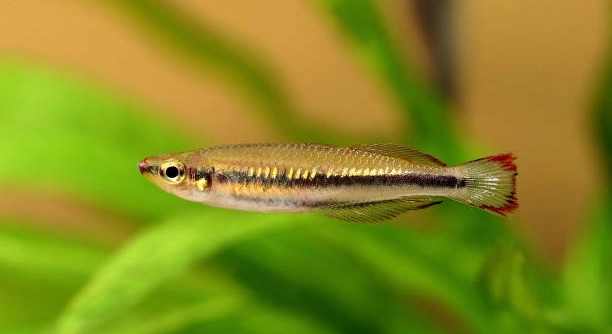
Caring for rainbowfish includes noticing how their tank setup affects their comfort and behavior. Many aquarists find that adding plants creates a gentler space, supporting steady movement and ease within the aquarium each and day.
Rainbowfish generally feel safer when live plants are present, as the vegetation offers shelter, reduces visual stress, and promotes natural movement patterns. This environment mimics their native habitats, allowing them to exhibit calmer behaviors and maintain stable social interactions overall.
Exploring the link between plant cover and rainbowfish behavior reveals details that shape their comfort, routine, and long term balance.
Why Plants Influence Rainbowfish Comfort
When I watch rainbowfish moving through a tank filled with plants, I notice how quickly they begin to settle once they find steady cover. Plants soften bright areas, create gentle shade, and give the fish small places to pause during their regular movement. Their swimming becomes more relaxed, and their interactions look smoother as they navigate through stems and leaves. I also see fewer rapid retreats, which tells me they feel less exposed during feeding, cleaning, and daily lighting changes. Over time I have learned that even sparse planting can make a difference, giving the fish visual breaks to maintain behavior each day.
Plants help rainbowfish manage stress by offering gentle cover, softening sudden movement, and giving them calm spaces to navigate without pressure. These natural structures create a balanced setting that supports comfortable activity and stable interaction throughout each day in the aquarium, and encourages more natural pacing within their environment overall.
Creating a planted environment for rainbowfish offers benefits that extend beyond visual appeal. Plants help control light, soften edges, and form calm channels where the fish can move without sudden exposure. I have seen how these small changes encourage smoother swimming patterns and reduce quick retreats. Even simple layouts can shift their overall comfort by shaping a space that feels steady and predictable. When the tank provides gentle structure, the fish remain active without appearing tense, during normal daily routines.
How Plants Change Behavior in the Aquarium
Plant cover influences how rainbowfish behave by shaping their movement patterns and reducing unnecessary tension. When visual breaks are present, the fish navigate the tank with smoother pacing, showing calm reactions during feeding, maintenance, and regular activity that unfolds across the day, and helping them maintain comfort in their daily.
Plants shape the rhythm of a rainbowfish tank by offering steady structure that supports predictable behavior. When foliage fills the middle and upper areas of the aquarium, the fish experience calmer transitions as they swim from one section to another. I have noticed how they choose gentle paths through the leaves, taking time to explore without abrupt movement. This kind of environment reduces sharp light shifts and cuts down on open zones that might otherwise create tension. A planted layout also softens social interactions, helping the fish maintain stable spacing as they move together. These elements work together to create a sense of balance that carries into feeding, resting, and social interaction, allowing the fish to maintain patterns throughout each part of their daily routine.
xxxxxxxxxxxxxxxxxxx
Plant density affects how rainbowfish move through the tank by shaping their comfort within each section. I notice how they glide with more ease when stems create gentle paths. This structure reduces quick reactions and supports steadier activity during feeding, swimming, and routine lighting changes each day overall for them.
I have watched rainbowfish adjust their pacing when plants shape the middle of the tank. The presence of leaves softens bright areas and offers breaks that help them maintain steady movement. When the foliage reaches upward, the fish use it as a guide, weaving calmly rather than darting from place to place. This layout eases their responses to regular activity in the aquarium. I notice how they settle quickly after feeding, moving with relaxed patterns instead of abrupt changes. A planted section encourages them to explore gradually, creating a rhythm that feels balanced through each part of their daily routine.
Plants also influence how rainbowfish interact with one another by creating gentle boundaries in the tank. When there is enough coverage, the fish maintain more stable spacing, which reduces sudden encounters that might disrupt their pacing. I have noticed that they move with smoother coordination when they can navigate through stems that guide their direction. This structure allows them to shift between sections without appearing tense. A planted layout supports calmer interactions during feeding and regular exploration, helping the fish share the space without unnecessary conflict. These subtle changes shape a steady atmosphere that carries through each part of activity.
xxxxxxxxxxxxxxxxxxx
I focus on how lighting interacts with plants because rainbowfish respond noticeably to shifts in brightness. When leaves filter light, the tank feels calmer and the fish move with smoother pacing. This balance prevents sudden reactions that may occur when bright areas change too quickly during routine adjustments or feeding. A softly lit planted space supports relaxed swimming and steady interaction throughout the day in a way that keeps their movement calm and even consistently.
I pay close attention to how plant placement influences rainbowfish reactions during regular care, because the layout directly affects their overall comfort. When plants create gentle channels across the tank, the fish move with steady pacing that supports predictable activity throughout the day. I notice fewer abrupt retreats when stems break up open sections, giving the fish calmer routes to explore. A well arranged planted area also shapes how they respond to feeding, reducing quick dashes that can lead to tension. This environment encourages smoother social interaction, allowing the fish to maintain balanced spacing while moving through different areas. When the aquarium provides stable visual breaks, rainbowfish develop consistent behavior patterns that reflect comfort, security, and ease within their surroundings each part of their routine.
xxxxxxxxxxxxxxxxxxx
Plant height affects how rainbowfish choose their swimming paths, and I notice how they gravitate toward areas where the stems reach upward. This structure gives them calm routes to move through, helping them maintain steady pacing while avoiding sudden movement across bright or open zones within the tank.
I also pay attention to how shorter plants create small resting spots that support calmer behavior. These areas let the fish pause without feeling exposed, which helps reduce quick retreats during routine feeding or lighting adjustments. This steady support from both tall and short plants shapes their comfort throughout each part of the day.
xxxxxxxxxxxxxxxxxxx
I focus on how plant placement influences feeding behavior because rainbowfish respond immediately to the structure around them. When plants form gentle pathways beneath the surface, their approach to food becomes smoother and more controlled. I have noticed fewer rushed movements when stems soften the open space near feeding areas. This layout helps them maintain balanced spacing, preventing crowding during meals. When leaves break up bright spots, the fish remain calmer as they move between sections of the tank. These details create a predictable feeding environment that supports steady activity and reduces unnecessary tension.
xxxxxxxxxxxxxxxxxxx
I watch how rainbowfish explore planted areas because these sections give them comfort. When stems create gentle cover, their movements look steadier, and they take more time exploring without quick reactions. This arrangement supports calmer behavior throughout regular activity.
FAQ
Do rainbowfish rely on plants to feel secure in their environment?
Rainbowfish respond strongly to the structure that plants provide, and I notice how quickly they settle when the tank has enough coverage. Plants soften bright areas and offer small spaces that help them stay calm during regular activity. When the aquarium lacks these visual breaks, their movement becomes more abrupt, especially during feeding or lighting changes. By creating gentle channels and shaded sections, plants support steadier swimming patterns and give the fish confidence as they navigate the tank. This layout helps them maintain a sense of stability that carries through each part of their routine.
Are live plants better than artificial plants for rainbowfish comfort?
I tend to see more natural behavior when live plants are used, mainly because they move with the water and create soft motion that feels familiar to the fish. Live plants also offer textured spaces where rainbowfish can pause without feeling exposed. While artificial plants still provide cover, they lack the gentle sway that helps calm the fish during sudden movement in the room or near the tank. Live plants also improve water quality, which indirectly supports comfort. Still, well arranged artificial plants can provide some of the same structural benefits when maintained properly.
How many plants should be added to a rainbowfish tank?
I find that a moderate amount of planting works best for rainbowfish, giving them pathways without trapping them in tight spaces. Too many plants may limit their natural desire to swim freely in open zones, while too few plants remove the visual breaks they rely on for comfort. The key is balance, forming gentle sections where the fish can move steadily while still enjoying wide areas for active swimming. A mixture of tall stems, mid level coverage, and short foreground plants creates a structure that supports both exploration and ease during routine activity.
Do certain plant types make rainbowfish feel safer than others?
Rainbowfish seem more relaxed around plants with long stems because these create upright paths that guide their movement. I also see calmer behavior when broad leaf plants fill the middle of the tank, offering shade that softens bright areas. Fine leaf plants contribute too by giving the fish narrow spaces to weave through without feeling exposed. Different textures offer different forms of comfort, so combining stem plants, floating plants, and mid sized varieties creates a steady environment the fish respond to positively. The variety helps shape smoother transitions between sections of the tank.
Can floating plants help reduce stress in rainbowfish tanks?
Floating plants play an important role by filtering light and reducing sudden brightness from above. I notice fewer quick retreats when these plants soften overhead glare, which supports calmer behavior during feeding and routine care. Floating plants also create a sense of shelter without blocking swimming space below. Rainbowfish tend to move more evenly when they can pass through shaded sections, and these soft patches of filtered light make the environment feel consistent. This helps them maintain smoother pacing across the tank and reduces tension during normal daily activity.
How do plants affect rainbowfish social behavior?
Plants help shape calmer interactions among rainbowfish by creating natural boundaries that support better spacing. When stems break up large open zones, I see fewer abrupt encounters among the fish. This structure encourages them to move together with more coordinated pacing and fewer sharp turns. By dividing sections of the tank, plants reduce dominance based tension and allow fish to explore without interfering with one another. These changes strengthen social stability, especially in active shoals, and help the group maintain a balanced rhythm throughout feeding, swimming, and routine transitions each day.
Do rainbowfish behave differently at night when plants are present?
Rainbowfish appear more settled during evening hours when the tank includes both tall and low growing plants. The foliage provides comfortable resting areas and softens dim lighting as the room gets darker. Without these visual breaks, the fish may remain slightly alert or shift too quickly when shadows change. Plants help create a consistent sense of structure through the night, allowing the fish to slow down calmly and maintain a natural rhythm. This steady environment supports better rest and reduces unnecessary tension as the tank transitions between day and night.
Final Thoughts
Creating a comfortable space for rainbowfish depends on understanding how their behavior shifts when plants are present, and I have seen how much this simple addition shapes their overall ease. When plants break up bright areas and soften open zones, the fish move with a steadier rhythm that supports calm behavior across the day. They react more gently to feeding, lighting changes, and even small movements around the tank when they have these visual breaks to guide them. A planted environment gives them structure without limiting their natural energy, allowing them to glide through familiar paths with a sense of balance that carries into every part of their routine. This steady support becomes clear as they swim through stems and leaves, choosing calmer routes that help them avoid abrupt changes. The environment becomes predictable, which encourages them to explore without appearing tense or unsettled. Watching these small adjustments makes it easy to see how important plants are for creating a tank that feels stable and reassuring to them.
The benefits of plants reach beyond appearance, and I find that rainbowfish respond most positively when the layout mixes different types of coverage. Tall plants create gentle vertical paths that guide movement, while mid sized plants offer shaded spaces that soften the tank’s brightness. Shorter plants help form small resting areas the fish can use throughout the day. This variety gives the tank structure without making it feel crowded. Even floating plants contribute by filtering light and creating soft shadows that help the fish transition comfortably between bright and shaded sections. These details work together to form a space that feels natural and steady. A well planned layout supports smoother social behavior, too, by shaping how the fish share the tank. When plants help define loose boundaries, the fish avoid unnecessary tension and move with more coordinated pacing. Their interactions become calmer, and the group settles into a rhythm that looks balanced and consistent. This makes the tank feel more peaceful overall, both for the fish and for anyone watching them.
Providing a planted aquarium for rainbowfish is one of the simplest ways to strengthen their comfort and support natural behavior, and I have seen how even small changes can influence their daily patterns. When the tank includes both open areas and planted sections, the fish develop a healthy balance of activity and calm exploration. They swim with smoother motions, react more gently to routine changes, and settle into a stable routine that reflects their sense of safety. Plants help create this security by offering structure without restricting movement, giving the fish reliable places to navigate, rest, and explore. This balance shapes every part of their environment, and it becomes clear that plants are not just decorative choices but meaningful elements that support their overall well being. Watching rainbowfish thrive in a thoughtfully planted tank makes it clear how much these small details matter, and creating this kind of space becomes a simple way to encourage their comfort each day.

Hello,
If you enjoy the content that we create, please consider saying a "Thank You!" by leaving a tip.
Every little bit helps us continue crafting quality advice that supports the health, happiness, and well-being of pets around the world, for pets of all shapes, sizes, and species.
We really appreciate the kindness and support that you show us!