
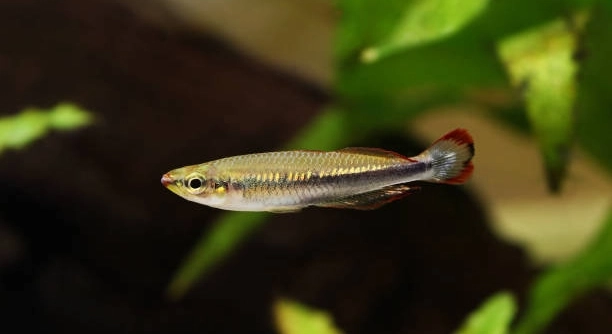
Rainbowfish are lively and colorful fish that brighten up home aquariums. Watching them swim gracefully can be relaxing, and many fish keepers enjoy observing their daily behaviors. Their routines are often subtle but interesting to notice.
Rainbowfish do not always sleep in the same spot. While some individuals may choose a preferred area for resting, their sleeping locations can vary depending on tank conditions, social interactions, and perceived safety within the environment.
Understanding these patterns can help you provide a comfortable and safe habitat for your rainbowfish, ensuring they remain healthy and active in your aquarium.
Where Rainbowfish Prefer to Rest
Rainbowfish usually pick spots with some cover when they rest. Plants, rocks, and decorations provide shelter where they feel safe. In my own aquarium, I noticed that my rainbowfish often drift near floating plants or under broad leaves. They seem to like having a place where they can hide from bright lights or from more active tank mates. Water flow also plays a role; calmer areas attract them more than strong currents. Over time, fish may shift their resting spots depending on changes in the tank, such as rearranged decorations or new companions. Observing them quietly reveals small patterns, like preferring corners or areas near the bottom. Some fish may sleep closer together, while others choose separate spaces. This behavior shows that rainbowfish are flexible in selecting resting locations, balancing comfort, safety, and interaction with other fish.
Even though they sometimes return to similar areas, rainbowfish do not have fixed sleeping spots. Their choice is fluid.
Watching your rainbowfish’s resting patterns can help you improve their tank setup. Providing multiple hiding areas ensures they feel secure, which can reduce stress and encourage natural behavior. Adjusting lighting and decorations allows them to explore new spaces comfortably. Over time, you may notice favorite resting zones emerge, reflecting their preference for safety and calm water. Understanding these habits helps you maintain a more harmonious aquarium.
Factors Affecting Rainbowfish Sleeping Habits
Tank environment strongly influences where rainbowfish sleep. Quiet, low-light areas are most appealing, while overcrowded spaces may push them to new spots.
Temperature, water quality, and lighting all affect their sleeping behavior. Consistent water temperature keeps their metabolism stable, allowing for regular resting periods. Too-bright lights or sudden changes can make them restless, causing frequent movement during sleep times. The presence of other fish also matters; aggressive or overly active tank mates may lead rainbowfish to seek alternative hiding places. In addition, floating plants and decorations create safe zones that mimic their natural habitat, helping them feel secure. Observing their routines can indicate overall tank health and highlight potential stressors.
Social interactions influence their choice as well. Rainbowfish are generally peaceful but may avoid dominant individuals, choosing quieter corners. Seasonal changes in lighting or feeding schedules also slightly shift their resting patterns. By providing varied, calm areas in the aquarium, you allow them to sleep naturally, promoting long-term health and reducing stress. Paying attention to these factors gives you insight into their needs and enhances the overall aquarium experience.
Sleeping Alone or in Groups
Rainbowfish sometimes sleep alone and other times in small groups. Their choice depends on comfort, safety, and how active other fish are around them. I noticed my fish often gather near plants but occasionally drift apart to quieter spots.
Group sleeping gives rainbowfish a sense of security. Being near others helps them feel protected from perceived threats, even in a calm aquarium. At the same time, each fish maintains its own space, avoiding overcrowding. Observing my aquarium, I saw some rainbowfish choose to stay close together near broad-leafed plants, while others rested on their own along the tank bottom. The balance between social interaction and personal space seems important for their comfort.
Sleeping alone can be equally common. When a rainbowfish finds a particularly calm corner or shelter, it may rest there without joining others. This behavior shows they value both social presence and solitude depending on their immediate environment. My fish often switch between the two behaviors, indicating flexibility. Recognizing these patterns helps me adjust decorations and hiding spots, ensuring each fish has options for rest, which keeps them relaxed and healthy.
Signs of Resting in Rainbowfish
Resting rainbowfish show subtle movements and reduced activity. Their colors may become slightly muted, and they hover steadily without rapid swimming.
During rest, their gill movement slows, and fins may remain more still than usual. I observed that they often tuck themselves near plants or behind rocks, which seems to provide security. Some fish gently sway with water currents, while others remain nearly motionless. These signs indicate they are conserving energy and not stressed. Distinguishing between resting and illness is important, so I watch for consistent patterns, like regular resting times and spots. Healthy resting behavior also involves brief bursts of movement, such as shifting slightly to adjust position.
Recognizing these resting patterns helps maintain a healthy tank environment. When rainbowfish rest normally, they return to their usual activities after a short period. Disrupted rest, caused by poor water quality or overly bright lighting, can stress them. Adjusting the tank to include quieter corners, gentle lighting, and stable water parameters encourages proper resting. Observing how each fish behaves individually also helps identify preferences and potential issues. By paying attention to these details, I ensure my rainbowfish remain active, healthy, and comfortable in their aquarium.
Preferred Sleeping Depths
Rainbowfish often rest at mid-levels in the tank. They avoid the very top or bottom unless seeking extra cover. In my aquarium, I notice them hovering gently near plants and decorations, where they feel safe and comfortable.
Depth choice can change depending on water flow and lighting. Calm mid-level areas are more appealing than areas with strong currents or bright overhead light. My fish occasionally move lower when seeking extra shelter or when new tank mates are introduced, showing flexibility in their resting habits.
Environmental Comfort
Water temperature, clarity, and gentle filtration are crucial for comfortable resting. Rainbowfish respond quickly to changes, preferring stable conditions. I noticed my fish become less active when the temperature fluctuates or the water appears cloudy. Ensuring proper filtration and consistent conditions keeps them calm and reduces stress.
Impact of Lighting
Rainbowfish prefer dim or natural-like lighting while resting. Bright lights make them seek cover or move frequently, affecting sleep patterns. Maintaining gentle lighting during rest periods encourages natural behavior and overall well-being.
FAQ
Do rainbowfish need a specific sleeping spot?
Rainbowfish do not require a single, fixed spot to sleep. They prefer areas with cover and calm water, but they often move around depending on comfort, lighting, and the presence of other fish. In my aquarium, I’ve seen them shift from plants to quiet corners depending on activity levels and water flow. Providing multiple hiding areas helps them feel secure and ensures they have options to rest comfortably without stress.
How can I tell if my rainbowfish is resting or sick?
Resting rainbowfish hover steadily, their fins relaxed, and gill movements slow. Sick fish may show unusual stillness, rapid gill movement, or color fading combined with lethargy. I pay close attention to patterns over time, noting if a fish consistently rests in the same area or shows irregular behavior. Distinguishing between natural rest and health issues requires observing both movement and feeding habits. A healthy fish will resume normal swimming and social interactions after resting periods.
Do rainbowfish sleep alone or together?
Rainbowfish may sleep alone or in small groups depending on comfort and social dynamics. I notice that in my tank, they sometimes gather near plants or rocks for security, while at other times, they rest separately in quieter spots. Group sleeping can provide a sense of safety, but they also value personal space. Tank layout and decorations influence these choices, so creating multiple resting zones allows each fish to follow its preference without crowding.
How does tank lighting affect their sleep?
Bright lighting can disturb rainbowfish, making them move or hide frequently. I’ve observed that dimmer or natural-like lighting helps them settle and rest more peacefully. Gradual transitions from bright to dim light mimic natural day and night cycles, encouraging regular resting behavior. Adjusting lighting to match these patterns reduces stress and supports a healthier routine.
Does water temperature influence their sleeping habits?
Yes, stable water temperature is important. Rainbowfish prefer a comfortable, consistent range, and sudden changes can disrupt their rest. In my experience, even minor fluctuations make them more active or restless during typical resting times. Using a reliable heater and monitoring temperature helps maintain their normal sleep patterns. Consistent conditions promote energy conservation and overall well-being.
Do decorations or plants matter for resting?
Plants and decorations provide essential cover. My rainbowfish frequently use broad leaves and rock overhangs as resting spots, which help them feel safe from perceived threats. The presence of hiding areas allows them to choose between group or solitary resting. Rearranging the tank occasionally can give them new options and encourage exploration while still offering secure spots for sleep.
How long do rainbowfish usually rest?
Rainbowfish generally have short resting periods throughout the day and longer rest at night. I’ve noticed in my tank that they slow down in the evening, hover near calm areas, and resume active swimming when lights are on. Observing their daily routine helps predict resting times and ensures the tank environment supports these natural behaviors.
Can stress affect their sleep?
Stress directly impacts resting patterns. Aggressive tank mates, poor water quality, or sudden changes in lighting can cause rainbowfish to avoid usual resting spots. In my experience, providing calm conditions, consistent feeding, and quiet areas encourages normal rest. Recognizing signs of stress early allows adjustments to tank conditions before it affects health.
Do rainbowfish change resting spots as they grow?
Yes, growth and maturity influence resting behavior. Juveniles often choose sheltered spots close to plants, while adults may explore more open areas with gentle currents. I’ve observed that as my fish grew, their preferred resting zones shifted slightly, reflecting their increased confidence and need for personal space. Multiple resting options accommodate these changes over time.
Is it normal for rainbowfish to move while sleeping?
Slight movement is normal. Rainbowfish may sway with water currents or adjust position occasionally. In my tank, I see them gently reposition to remain comfortable or maintain balance. Consistent, smooth movements are part of healthy rest, while erratic motion may indicate stress or illness. Watching these behaviors helps me ensure their resting environment is suitable and safe.
Rainbowfish are fascinating to watch, especially when they rest. They do not have one fixed sleeping spot, but rather move between areas that feel safe and comfortable. In my experience, they tend to favor areas with plants, rocks, or decorations that provide some cover. These hiding places allow them to relax without feeling exposed to other fish or sudden changes in the environment. Observing them quietly over time reveals patterns in their resting behavior, like preferring mid-level areas of the tank or gently drifting near leaves. While some fish rest together in small groups, others may choose solitary spots depending on their mood, comfort, and the presence of other fish. Understanding these preferences helps in arranging the tank to meet their needs. It also reduces stress and encourages natural behavior, which is important for their overall health.
Providing multiple resting areas is a key part of keeping rainbowfish healthy. In my tank, I noticed that when there are only a few hiding spots, some fish tend to compete for space or avoid resting at all. By adding broad-leafed plants, rock overhangs, and decorations, each fish can find a comfortable spot. Lighting also plays an important role in their sleep. Bright lights can make them restless, while dimmer or natural-like lighting allows them to settle more easily. Water temperature and stability also affect their resting habits. When the water is consistent and calm, rainbowfish are more likely to rest normally, conserving energy for feeding and swimming. Watching these small details over time helps me maintain a tank environment that supports their natural patterns. Adjusting the tank setup based on their behavior can improve both their comfort and overall tank harmony.
Resting in rainbowfish is more than just a passive activity. It reflects their health, comfort, and sense of security in the tank. By observing their movements, preferred spots, and interactions with other fish, you can learn a lot about their needs. Fish that have multiple secure resting areas, consistent water conditions, and gentle lighting are generally calmer and healthier. Over time, these habits also influence social interactions and activity levels. Personally, paying attention to my rainbowfish’s resting behavior has helped me create a more balanced and peaceful aquarium. Providing a variety of hiding spots, stable water conditions, and soft lighting ensures that each fish can rest properly while still engaging in normal swimming and feeding behaviors. Understanding and supporting these patterns improves their quality of life and makes observing them more rewarding. Resting is a small but important part of rainbowfish care that reflects the effort you put into creating a comfortable and safe environment for them.

Hello,
If you enjoy the content that we create, please consider saying a "Thank You!" by leaving a tip.
Every little bit helps us continue crafting quality advice that supports the health, happiness, and well-being of pets around the world, for pets of all shapes, sizes, and species.
We really appreciate the kindness and support that you show us!