
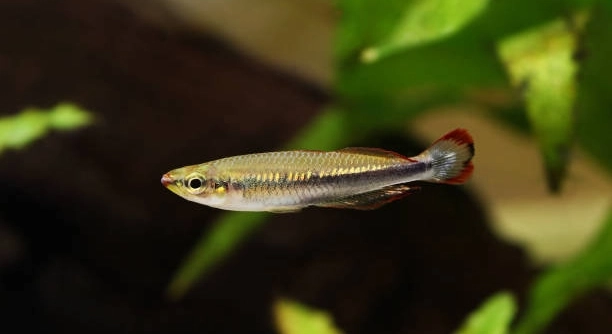
Rainbowfish are small, colorful freshwater fish that brighten up any aquarium. Many owners notice them suddenly spreading their fins wide, creating a striking display that adds movement and interest to the tank environment.
Rainbowfish flare their fins primarily as a form of communication and display. This behavior can indicate territorial defense, mating readiness, or social hierarchy establishment within the group, serving as a visual signal to other fish in their environment.
Observing these vibrant displays can reveal insights into their behavior and help create a harmonious aquarium setting for all inhabitants.
Reasons Rainbowfish Flare Their Fins
Rainbowfish often flare their fins for social reasons within their tank. Males typically display larger, more colorful fins to assert dominance or establish territory. This behavior can also occur during feeding times when competition for space or food arises. Females may flare their fins to communicate readiness or signal social standing. Observing the patterns can help you understand which fish is more dominant and which prefers to stay in the background. Environmental factors such as tank size, hiding spots, and water quality also influence flaring. In smaller tanks, flaring can be more frequent as space is limited, prompting fish to assert themselves visually. Proper spacing and decor reduce stress and unnecessary displays. The behavior is natural and not harmful, though excessive flaring may indicate tension. Understanding why your fish flare helps maintain a peaceful tank and encourages healthy interactions among all rainbowfish.
Flaring can serve as both a warning and a mating display. It’s a normal, informative behavior to monitor.
By paying attention to when and why your rainbowfish flare, you can adjust tank conditions or groupings. This ensures a calmer environment and prevents constant aggression while still allowing them to communicate naturally.
How Tank Conditions Affect Flaring
Tank setup can significantly influence fin-flaring behavior. Proper water temperature, pH levels, and adequate space reduce stress and excessive displays.
Overcrowding, insufficient hiding areas, or inconsistent water conditions can increase tension. Rainbowfish will flare more frequently when they feel threatened or lack personal space. Adding plants, rocks, and decor creates territories and hiding spots, helping fish feel secure. A well-balanced diet also contributes to calmer behavior, as hunger or competition can trigger flaring. Observing interactions and adjusting the environment based on these behaviors leads to a healthier aquarium. Each fish responds differently to changes, so small adjustments are often enough. Keeping water clean and stable further minimizes stress-related flaring. Understanding the connection between tank conditions and fish behavior makes it easier to maintain a harmonious group, allowing you to enjoy their natural displays without unnecessary conflict. Proper attention to environment ensures rainbowfish express themselves naturally while staying safe and comfortable.
Mating Displays
Male rainbowfish flare their fins to attract females and show off their colors. This display signals health, vitality, and readiness to mate, helping females choose a suitable partner.
During mating periods, males often position themselves near the center of the tank and flare frequently. The size and brightness of their fins play a role in female selection, with more vivid displays usually receiving more attention. Flaring can be accompanied by small, quick movements, circling, or gentle nudges toward a potential mate. Females may respond with subtle fin movements or by staying close to the displaying male. Maintaining optimal tank conditions, including water temperature, light, and diet, encourages natural mating behavior. Observing these patterns helps identify successful pairings and ensures that the fish are reproducing in a stress-free environment. Proper attention to flaring during mating strengthens social bonds and promotes a balanced community within the aquarium.
Not all flaring is aggressive. Sometimes it is purely part of courtship and interaction.
Territorial Behavior
Rainbowfish flare to mark and defend their territory within the tank. This behavior helps reduce physical conflicts by establishing visual boundaries, allowing fish to coexist peacefully.
Territorial displays occur most often among males and can involve chasing or blocking other fish from specific areas. By flaring, a fish communicates dominance without resorting to fighting, preserving energy and minimizing injury risk. Fish may also use fins to appear larger and more intimidating, influencing other fish to retreat. Proper tank setup with plants, rocks, and open swimming spaces helps reduce unnecessary competition. Recognizing which fish are territorial allows for adjustments in tank size or decor to balance space. Over time, fish settle into established territories, flaring less as boundaries are respected. Monitoring these behaviors ensures a calmer, more organized aquarium where all rainbowfish can thrive while expressing natural instincts.
Stress and Flaring
Rainbowfish often flare their fins when stressed by sudden changes or unfamiliar tank mates. This response is a way to assert themselves or show discomfort.
Stress-related flaring can be temporary if the fish quickly adapts, but persistent displays may indicate ongoing tension. Monitoring interactions and providing hiding spots can reduce stress.
Feeding Time Displays
Flaring can also occur during feeding as fish compete for food. Males may spread their fins to claim priority and signal dominance over other tank mates. Proper feeding routines and evenly distributed food can minimize aggressive displays while ensuring all fish get enough to eat.
Social Hierarchy
Flaring helps establish and maintain the social hierarchy among rainbowfish. Dominant fish flare more often, while subordinate fish respond or retreat to avoid conflict.
Observing Patterns
Tracking when and why your rainbowfish flare provides insights into their health, mood, and relationships. Noticing patterns allows you to adjust tank conditions and improve overall harmony.
FAQ
Why do rainbowfish flare their fins so often?
Rainbowfish flare for several reasons, including communication, mating, and establishing social hierarchy. Frequent flaring is usually normal, especially among males, as they show dominance or attract mates. Environmental factors like tank size, hiding spots, and water quality also influence how often flaring occurs.
Is fin flaring a sign of aggression?
Not always. While fin flaring can indicate territorial disputes, it often serves as a visual warning to prevent actual fighting. Fish use flaring to communicate dominance without engaging in physical conflict, preserving energy and minimizing injury. Observing body language alongside flaring helps determine if it’s aggressive.
Can stress cause excessive flaring?
Yes. Sudden changes in water conditions, overcrowding, or introducing new fish can trigger stress-related flaring. Providing hiding spots, stable water parameters, and proper tank space reduces stress and helps fish return to normal behavior.
Do females flare their fins too?
Females flare less frequently than males, but they do use fin displays to communicate readiness, social standing, or mild aggression. Their flaring is typically subtler and less colorful, making it easier to distinguish from male courtship displays.
How can I tell if flaring is normal or a problem?
Normal flaring is brief, purposeful, and occurs during social interactions or mating displays. Problematic flaring is persistent, accompanied by chasing or hiding, or happens due to poor water conditions or overcrowding. Monitoring frequency and context is key.
Does tank setup affect flaring behavior?
Absolutely. Overcrowded tanks, limited hiding spaces, and inconsistent water conditions increase tension and flaring. Adding plants, rocks, and sufficient swimming space allows fish to feel secure, which lowers unnecessary displays while still enabling natural communication.
Can flaring harm the fish?
Flaring itself is harmless. However, if it leads to repeated chasing or stress in a small tank, it can affect health over time. Observing fish interactions and adjusting tank layout prevents long-term stress or injury.
How do I encourage natural flaring without stress?
Maintain stable water conditions, provide enough space, and supply hiding spots. Feeding routines should be consistent, and fish should be introduced gradually. These steps support healthy social behavior and natural fin displays.
Is flaring linked to mating success?
Yes. Males with larger, brighter fins often attract more attention from females. Flaring during courtship signals vitality and readiness to mate, helping females choose a strong partner and ensuring natural reproduction in the tank.
What should I do if flaring seems excessive?
Check water quality, tank size, and social dynamics. Adding hiding spots or separating overly aggressive fish may help. Observing patterns over time ensures interventions target real issues without disrupting normal social behavior.
Do younger rainbowfish flare differently than adults?
Juveniles flare less often and less intensely than adults. Their fins are smaller and less colorful, so displays are subtler. As fish mature, flaring increases, especially among males, reflecting dominance, mating behavior, and established social roles.
Can multiple males in one tank increase flaring?
Yes. Multiple males often compete for territory and attention from females, leading to more frequent flaring. Ensuring enough space, decor, and visual barriers helps reduce tension and allows healthy expression without excessive conflict.
Does diet influence flaring behavior?
A nutritious, balanced diet supports overall health and vitality, which can enhance fin color and display strength. Poor nutrition can reduce energy and diminish fin displays, making males less successful in social or mating interactions.
How long does a typical flaring display last?
Flaring usually lasts a few seconds to a minute, depending on the context. Brief displays are common during social interactions, feeding, or courtship, while longer, persistent flaring may indicate stress or unresolved tension.
Can flaring be used to monitor fish health?
Yes. Changes in flaring frequency, intensity, or style can indicate health issues or environmental stress. Regular observation helps identify problems early, allowing adjustments to tank conditions or diet to maintain a healthy aquarium.
Are there visual cues to distinguish flaring types?
Aggressive flaring often includes chasing, stiff body posture, and rapid movements. Courtship flaring is usually slower, paired with swimming patterns or nudges. Stress-related flaring may be repetitive, combined with hiding or darting around the tank.
Does light or time of day affect flaring?
Yes. Rainbowfish are more active during daylight, and flaring is more noticeable during these hours. Bright light can enhance fin colors, making displays more vivid, while dim conditions may reduce visible flaring.
Is it normal for fish to flare at their reflection?
Yes. Rainbowfish sometimes mistake their reflection for a rival and flare in response. This behavior is harmless but can increase stress if reflections are constant. Positioning the tank or adjusting lighting can minimize repeated displays.
How do I balance flaring with tank harmony?
Monitor social dynamics, provide enough space, and offer hiding spots. Ensuring a balanced male-to-female ratio and avoiding overcrowding keeps interactions natural, allowing rainbowfish to flare without causing ongoing stress or conflict.
Can flaring be a sign of excitement?
Yes. Rainbowfish may flare during feeding, exploration, or environmental changes. These displays indicate alertness and engagement rather than stress or aggression, reflecting their natural curiosity and social communication.
What is the best way to observe flaring safely?
Watch quietly without disturbing the tank. Avoid tapping the glass or making sudden movements, and take note of patterns, context, and frequency. Safe observation allows understanding of social behavior while maintaining a calm environment.
How often should I monitor flaring behavior?
Daily observation is ideal, especially during feeding and active hours. Regular monitoring helps detect changes in behavior, identify stressors, and adjust tank conditions to maintain a peaceful, healthy environment.
Does fin size affect flaring success?
Yes. Larger, brighter fins are more noticeable and often more effective in courtship and dominance displays. Fins that are damaged or dull may reduce display effectiveness, highlighting the importance of proper nutrition and care.
Can flaring indicate readiness to spawn?
Yes. Males increase flaring during breeding periods, and females may respond by showing subtle fin movements or staying near dominant males. Observing these patterns helps anticipate successful mating events in the aquarium.
How do I reduce conflict-related flaring?
Provide adequate space, hiding spots, and visual barriers. Separating overly aggressive fish and maintaining stable water conditions minimizes unnecessary stress-related displays while allowing natural communication and social hierarchy establishment.
Do all rainbowfish species flare the same way?
No. Different species vary in color intensity, fin size, and frequency of flaring. Observing species-specific behavior helps understand natural patterns and ensures appropriate tank conditions for each type.
Is flaring more common in community tanks or single-species tanks?
Flaring is more noticeable in mixed-species or community tanks where interactions are frequent. Single-species tanks also display flaring, but patterns are easier to predict and manage with fewer competitors for space or attention.
Can flaring become a problem in small tanks?
Yes. Limited space increases tension, making flaring more frequent and potentially stressful. Ensuring adequate tank size, decor, and hiding spots prevents excessive displays while maintaining a healthy social environment.
Does water quality influence fin display intensity?
Poor water conditions reduce energy and color vibrancy, diminishing flaring effectiveness. Maintaining stable temperature, pH, and cleanliness supports healthy fins and natural display behavior.
How do I tell if a flare is for feeding, mating, or aggression?
Context is key. Feeding flares occur near food, courtship flares involve slower movements and displays toward potential mates, and aggressive flares are often paired with chasing or defensive positioning. Observing the environment helps interpret behavior.
Can rainbowfish flare at other fish species?
Yes. Flaring can occur toward unfamiliar or similar-looking species, often as a territorial or cautious response. Providing adequate space and visual separation reduces unnecessary tension and stress-related displays.
Do older rainbowfish flare less?
Older fish may flare less intensely due to reduced energy or changes in social hierarchy. Males may maintain dominance but display more subtly, while younger, more active fish tend to flare more frequently.
Is flaring always visible above water plants and decorations?
Not always. Flaring may occur in hidden spots or behind decorations. Observing different areas of the tank ensures a complete understanding of social interactions and natural displays.
Can tankmates influence flaring behavior?
Yes. Aggressive or dominant tankmates increase flaring frequency, while calm, passive fish reduce tension. Choosing compatible species and monitoring interactions ensures healthy displays without constant conflict.
How long does it take for rainbowfish to establish social hierarchy?
Hierarchy is typically established within days to weeks, depending on tank size and fish number. Initial flaring is frequent, but as roles become clear, displays reduce while still serving as reinforcement for boundaries.
Do rainbowfish flare at reflections in equipment or glass?
Yes. Reflections can trigger flaring as fish perceive them as rivals. Minimizing reflective surfaces or adjusting lighting reduces unnecessary displays and stress.
Can fin damage affect flaring behavior?
Yes. Torn or injured fins reduce display effectiveness and may alter social interactions. Ensuring gentle tankmates and proper care helps maintain fin health and natural behavior.
Is it normal for rainbowfish to flare during tank cleaning?
Yes. Disruptions, movement, or new smells can trigger temporary flaring. It is a short-term response and usually settles once the environment stabilizes.
Do rainbowfish flare more in bright light?
Yes. Bright light enhances fin colors, making displays more noticeable. Dim lighting may reduce visible flaring, though behavior may still occur subtly.
How can I encourage healthy flaring without stress?
Maintain proper water quality, adequate space, balanced diet, and hiding spots. Observe interactions and adjust tank conditions to support natural behavior while minimizing conflict.
Are flaring patterns different during feeding vs. courtship?
Yes. Feeding flares are fast and competitive, while courtship flares are slower, more deliberate, and paired with swimming or nudging behavior toward potential mates.
Can flaring indicate overall happiness?
Active, vibrant, and regular flaring often signals healthy, confident fish. Persistent hiding, lack of flaring, or dull coloration may indicate stress, illness, or poor tank conditions.
How often should I document flaring behavior?
Daily observation during peak activity is ideal. Recording patterns helps identify stressors, social dynamics, and overall health, allowing proactive adjustments to maintain a harmonious tank.
Does fin coloration change with flaring frequency?
Bright, healthy fins are more noticeable during flaring. Consistent displays can indicate vitality, while dull fins or reduced flaring may suggest diet, water quality, or health issues need attention.
Can I prevent flaring completely?
No. Flaring is a natural communication and mating behavior. The goal is not to stop it but to manage conditions so it occurs safely and naturally.
Does flaring vary by time of day?
Yes. Rainbowfish are more active during daylight, and flaring is more frequent and visible. Nighttime or dim lighting reduces activity and display frequency.
Can temperature changes influence flaring?
Yes. Sudden drops or rises in water temperature can stress fish, increasing flaring temporarily. Stable temperatures support calm, natural behavior.
Is flaring more intense in larger tanks?
Larger tanks allow more space for displays without constant conflict. Fish can flare while maintaining distance, reducing stress while expressing social and mating behavior naturally.
Do rainbowfish flare at their own reflection in mirrors?
Yes. Reflections can trigger flaring as fish mistake it for a rival. Limiting mirror-like surfaces reduces unnecessary stress and displays.
How long does it take for flaring patterns to stabilize?
Within days to weeks after tank setup or new introductions, hierarchy and flaring patterns typically stabilize, though occasional displays continue as part of normal communication.
Can flaring be used to identify individual fish?
Yes. Unique fin patterns, colors, and display style help distinguish individuals, especially in mixed-species or multi-male tanks.
Is it normal for fish to flare at times unrelated to feeding or mating?
Yes. Flaring can occur during exploration, mild stress, or interactions with reflections. Context helps interpret the behavior accurately.
How do I know if flaring indicates illness?
Sudden changes in frequency, intensity, or movement, combined with lethargy, discoloration, or fin damage, may indicate health issues requiring prompt attention.
Does fin size influence dominance?
Larger fins are often used to assert dominance. Males with more prominent fins are more likely to control territory and attract mates.
Can flaring indicate excitement during environmental changes?
Yes. Rearrangements, new plants, or changes in tank decorations can trigger flaring as fish explore and react to the altered environment.
Is flaring behavior inherited?
Species tendencies and individual temperament influence flaring, but environment, health, and social context play significant roles in shaping behavior.
Do rainbowfish flare when introducing new tankmates?
Yes. Initial introductions often trigger flaring as fish establish hierarchy. Gradual introductions and monitoring help minimize stress.
How do I minimize flaring when adding more fish?
Provide extra space, hiding spots, and gradual introductions. Observe interactions and separate overly aggressive individuals if necessary.
Can flaring affect other species in the tank?
Yes. Aggressive displays may stress or intimidate smaller or more passive species. Careful tankmate selection reduces unnecessary tension.
Does flaring decrease as fish become accustomed to each other?
Yes. Once hierarchy and territories are established, flaring becomes less frequent while still serving as a communication tool for social interactions.
Can water flow or current influence flaring?
Strong currents may increase stress, triggering more flaring. Moderate, consistent flow supports natural behavior without adding tension.
How can I distinguish between playful and aggressive flaring?
Playful or social flaring is brief and occurs without chasing. Aggressive flaring includes intimidation, chasing, or persistent displays targeting other fish.
Is it normal for flaring to happen in small groups?
Yes. Even small groups exhibit hierarchy and mating behaviors, so flaring occurs naturally to communicate and establish social roles.
Does flaring frequency change with age?
Younger fish flare less intensely; adults show more frequent and pronounced displays, reflecting established dominance, mating readiness, and social confidence.
Can flaring help identify dominant individuals?
Yes. Dominant males often flare first, more vividly, and maintain territory control. Observing interactions allows recognition of social structure within the tank.
Does tank lighting affect color visibility during flaring?
Bright, natural lighting enhances fin colors, making flaring more visible. Dim lighting reduces perceived intensity but doesn’t stop the behavior.
Can flaring occur during nighttime?
It’s rare. Rainbowfish are diurnal, so flaring is minimal during low-light periods, mostly happening during active daylight hours.
Do rainbowfish ever flare at each other without reason?
Occasionally, flaring can appear random, often linked to mild stress, curiosity, or reinforcement of established social hierarchy.
Is flaring influenced by water chemistry?
Yes. Poor water quality can stress fish, increasing defensive or aggressive flaring. Stable parameters support calm, natural displays.
Can flaring behavior help with breeding management?
Observing flaring indicates readiness to mate, suitable pairings, and potential territorial conflicts. This allows better planning for successful reproduction in the tank.
Does fin injury reduce flaring frequency?
Yes. Damaged fins reduce display effectiveness, making flaring less frequent or less noticeable until healed. Proper care prevents injuries.
Is it normal for rainbowfish to flare at reflections in plants or decor?
Yes. They may react to shapes or movement that resemble other fish. Providing visual barriers can reduce unnecessary displays.
Can stress from overcrowding cause constant flaring?
Yes. Overcrowding increases tension, causing repeated flaring. Reducing fish numbers or expanding tank space helps maintain calm and natural behavior.
Do rainbowfish flare more with bright-colored tankmates?
Brightly colored fish may trigger more frequent flaring due to perceived competition or rivalry, especially among males competing for attention.
How do I track flaring behavior effectively?
Observe at consistent times, note frequency, context, and interactions. Recording patterns helps identify stressors, mating readiness, or social hierarchy.
Can flaring indicate health improvements?
Yes. Increased activity, brighter fins, and confident displays suggest good health, proper nutrition, and a comfortable environment.
Do rainbowfish flare in community tanks differently than in single-species tanks?
Yes. Community tanks introduce more interactions and competition, resulting in more frequent or diverse flaring patterns compared to predictable single-species behavior.
Does tank temperature influence display intensity?
Stable, optimal temperatures support vibrant, energetic flaring. Extreme or fluctuating temperatures may reduce activity and color intensity.
Can fin flaring indicate emotional states?
Yes. Confident, healthy fish flare to communicate dominance, courtship, or curiosity. Stressed or insecure fish may flare excessively or avoid displaying altogether.
Is flaring always a sign of dominance?
Not always. While dominance is a common reason, flaring also occurs for mating, feeding, stress, or environmental responses. Context determines the purpose.
Does water clarity affect how often rainbowfish flare?
Clear water allows fish to see and respond to others, potentially increasing flaring frequency. Murky water may reduce visual communication and display activity.
How does age affect social flaring patterns?
Younger fish are less consistent and less intense in flaring. Adult fish display more purposeful and frequent fin displays based on established hierarchy and mating needs.
Are there seasonal variations in flaring behavior?
Yes. Changes in daylight length, temperature, or breeding cycles can affect frequency, intensity, and purpose of flaring displays.
Can flaring be influenced by human activity near the tank?
Yes. Sudden movements, tapping, or shadows may trigger brief flaring as fish react to perceived threats or curiosity.
How can I encourage natural flaring without causing aggression?
Maintain stable water conditions, adequate space, balanced diet, hiding spots, and a suitable male-to-female ratio to allow healthy expression safely.
Do rainbowfish flare more when newly introduced to a tank?
Yes. Initial introductions trigger flaring as fish establish hierarchy and explore territory. Monitoring and gradual introductions reduce stress.
Can flaring indicate boredom?
Not directly. However, lack of stimulation or insufficient tank space may lead to restless behavior, which can appear as repeated flaring or darting.
Does flaring intensity reflect fin health?
Yes. Strong, vibrant fins enhance visual displays, while damaged or dull fins reduce flaring effectiveness and social impact.
**Is it normal for rainbowfish to flare
Rainbowfish are fascinating creatures, and their fin-flaring behavior is one of the most noticeable ways they express themselves. Flaring serves multiple purposes, from communicating social hierarchy to signaling readiness to mate. Observing these displays gives valuable insight into the relationships between fish in the tank. Males tend to flare more often and with brighter fins, while females use subtler movements to communicate. This behavior is natural and normal, and it is an important part of how rainbowfish interact with each other. Understanding why your fish flare allows you to create a tank environment that supports their natural instincts.
Tank conditions play a significant role in how often and how intensely rainbowfish flare their fins. Overcrowding, lack of hiding spots, or poor water quality can increase stress and lead to excessive flaring. On the other hand, a well-planned aquarium with enough space, visual barriers, and stable water parameters reduces tension and encourages natural, healthy displays. Feeding routines also affect behavior, as competition for food can trigger temporary flaring. Providing a balanced diet ensures that fish remain energetic and maintain vibrant fin colors, which are key to effective displays. Observing the patterns of flaring in relation to tank conditions can help you identify issues early and make necessary adjustments for a harmonious environment.
Paying attention to your rainbowfish and their behavior can be rewarding and educational. Watching them flare their fins offers insight into their social structure, health, and overall well-being. Adjusting tank setups, monitoring interactions, and maintaining stable water conditions ensures that your fish can express themselves safely. Flaring is a form of communication that reflects their natural instincts, and supporting these behaviors enhances both the fish’s life and your enjoyment as an aquarium owner. By understanding and respecting these displays, you can foster a balanced, vibrant, and lively aquarium where rainbowfish thrive and interact naturally.

Hello,
If you enjoy the content that we create, please consider saying a "Thank You!" by leaving a tip.
Every little bit helps us continue crafting quality advice that supports the health, happiness, and well-being of pets around the world, for pets of all shapes, sizes, and species.
We really appreciate the kindness and support that you show us!