
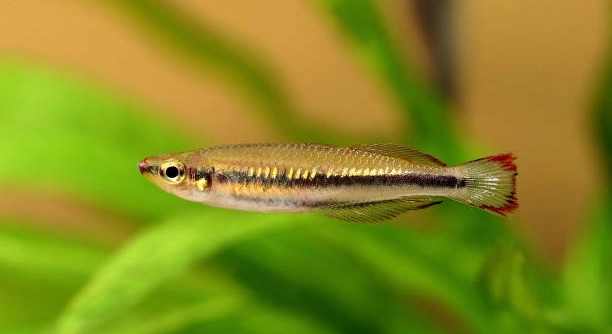
Many aquarium enthusiasts enjoy keeping rainbowfish for their bright colors and active behavior. Observing them can be relaxing, but the environment around them may influence how they behave and interact within the tank space.
Rainbowfish generally tolerate busy backgrounds, though excessive patterns or overly bright designs can cause stress. Simplified or subdued backgrounds are preferred, as they help maintain natural behavior and reduce unnecessary visual stimulation that may disrupt swimming and feeding patterns.
Exploring the impact of tank visuals can improve your rainbowfish’s comfort and create a more harmonious aquarium environment for both fish and observer.
How Backgrounds Affect Rainbowfish Behavior
Rainbowfish are very visual creatures. When placed in a tank with a busy background, their response can vary depending on the colors and patterns. Bright or highly detailed backgrounds may cause the fish to hide more often or become hesitant in exploring the tank. This is because their natural instincts respond to movement and shapes, which can be amplified by complex designs. Rainbowfish thrive in environments where they can easily distinguish themselves from their surroundings. Subdued or lightly patterned backgrounds allow the fish to swim confidently and display natural behaviors without feeling threatened. Observing them in a calmer setting often reveals more of their active and social tendencies, making interactions more enjoyable. While some may adapt over time to busier backgrounds, it is always safer to provide a visual environment that supports their well-being rather than adding stress through overwhelming visuals or conflicting patterns in the aquarium space.
Simpler backgrounds generally reduce stress and promote normal swimming habits in rainbowfish.
Choosing the right background is an easy way to help your rainbowfish feel secure. A less cluttered visual environment encourages exploration, feeding, and interaction, leading to healthier fish overall. By understanding how visual stimulation affects them, tank owners can make better decisions for long-term care and a more visually pleasing aquarium.
Color Contrast and Visual Comfort
High-contrast backgrounds can make rainbowfish feel exposed or uneasy.
Rainbowfish respond strongly to color contrast. A background that sharply contrasts with their body colors may cause them to hide more often or display nervous behavior. Their eyes are adapted to detect subtle movements and shades, so an overly bright or dark background can interfere with natural behavior. Moderately toned backgrounds, with colors that complement rather than clash, help them feel safe and encourage normal swimming patterns. Gradual gradients or muted textures are ideal, as they provide visual interest without overwhelming the fish. Tank decorations should also consider contrast levels to avoid additional stress. By creating an environment where rainbowfish can easily perceive open spaces, owners can promote activity and reduce defensive behaviors, allowing the fish to thrive. Careful consideration of both background color and decoration placement ensures the aquarium feels cohesive and comfortable for the rainbowfish.
Placement of Decorations
Decorations close to the glass can make rainbowfish feel trapped. Open swimming spaces are important for their comfort.
Placing decorations thoughtfully helps maintain a balance between hiding spots and open areas. Rainbowfish need room to swim freely while having safe spaces to retreat when they feel stressed. Overcrowding a tank with rocks, plants, or ornaments near the front can limit their movement and reduce visibility. Using taller plants or decorations toward the back creates depth without overwhelming the fish. This setup allows rainbowfish to display natural schooling behavior and interact socially while maintaining a sense of security in the tank. Proper spacing also reduces aggression and stress.
Open areas paired with subtle decorations enhance both the fish’s comfort and the tank’s aesthetic. A few well-placed ornaments can provide interest without creating visual chaos, helping the rainbowfish remain active and relaxed. This approach also simplifies maintenance, as fewer tight spaces reduce debris buildup. By balancing decorative elements and swimming space, the tank becomes functional and enjoyable for both the fish and the observer.
Lighting and Background Interaction
Bright lights can highlight busy backgrounds, increasing stress for rainbowfish. Subdued lighting works better with complex patterns.
Lighting affects how rainbowfish perceive their surroundings. Overly bright or harsh lights can exaggerate background patterns, making the environment feel crowded or threatening. Soft, diffused lighting allows the fish to move confidently without being overwhelmed by visual noise. Adjusting light placement and intensity can reduce shadows that mimic predators or sudden movement, which may trigger hiding behavior. Combining lighting adjustments with simpler background choices ensures a stable and comfortable environment. The overall tank setup, including color, contrast, and lighting, works together to influence behavior and well-being. Proper lighting enhances the natural colors of rainbowfish while supporting calm activity, making both viewing and care more effective.
Choosing the Right Background Material
Vinyl or printed backgrounds are easier to change than painted walls. They offer flexibility for testing different visuals.
Textured backgrounds can add depth without overwhelming rainbowfish. Materials that are subtle in pattern help reduce stress while maintaining visual appeal.
Observing Behavior Changes
Changes in swimming patterns or hiding frequency can indicate discomfort. Monitoring these behaviors helps determine if the background is suitable. Rainbowfish may become less active or school tightly when overwhelmed. By noting these signs, adjustments to tank decor or background can be made promptly to ensure a healthier environment.
Maintenance Considerations
Busy backgrounds can trap algae or debris, making cleaning harder. Choosing simpler designs reduces long-term upkeep and keeps the tank visually clear for both fish and caretaker.
FAQ
Do rainbowfish prefer plain backgrounds over patterned ones?
Rainbowfish generally show more comfort in tanks with plain or subtly patterned backgrounds. Highly detailed or busy designs can make them feel exposed or nervous. A plain background allows them to swim freely, interact naturally, and display vibrant colors without visual stress. Subdued patterns can work if they don’t overwhelm the fish.
Can a busy background cause health issues?
Indirectly, yes. Stress from an overwhelming environment may affect feeding habits, immunity, and overall behavior. While a busy background alone won’t directly harm health, long-term stress can make rainbowfish more prone to illness or less active, reducing overall vitality.
Is there a preferred color for rainbowfish backgrounds?
Neutral or darker tones usually work best. Shades of blue, green, or gray help rainbowfish stand out without making them feel threatened. Bright or clashing colors may cause anxiety, while muted tones promote natural swimming and social behaviors.
How do I know if my rainbowfish dislikes the background?
Signs include hiding more often, swimming along the edges, reduced activity, or schooling tightly. If these behaviors appear after introducing a new background, it’s likely causing discomfort. Observing changes over time helps determine if adjustments are needed.
Do all rainbowfish react the same way to backgrounds?
No, individual temperament and species differences matter. Some rainbowfish are bolder and adapt quickly, while others are more timid and sensitive to visual stimuli. Understanding your specific fish helps in selecting suitable backgrounds and tank setups.
Can tank lighting affect how rainbowfish perceive backgrounds?
Yes, lighting interacts with background colors and patterns. Bright lights can exaggerate patterns, making a busy background appear more overwhelming. Soft, diffused lighting combined with a subtle background reduces stress and highlights natural coloration without creating visual clutter.
Are live plants better than artificial ones for reducing visual stress?
Live plants provide natural hiding spots and break up open areas without creating intense patterns. They also improve water quality and enrich the tank environment. Artificial plants can work if chosen carefully, but they should not be overly bright or dense.
Should decorations match the background?
Matching isn’t required, but contrast should be managed. Decorations that clash with the background or are too bright can increase visual stress. Using complementary tones helps create a harmonious environment while maintaining open swimming areas for the rainbowfish.
How often should I change the background if the fish seem stressed?
Changes should be gradual. Sudden shifts may increase stress temporarily. Start by testing one new background for a few weeks while monitoring behavior. If improvement is seen, the change is successful; if not, adjustments or simpler alternatives should be considered.
Do rainbowfish eventually get used to busy backgrounds?
Some do adapt over time, especially if the background isn’t extremely bright or chaotic. However, providing a calmer visual environment from the start is generally better for consistent comfort and natural behavior. Adaptation depends on the fish’s temperament and the overall tank setup.
Can background choice affect breeding behavior?
Yes. Rainbowfish may be less likely to spawn in a stressful environment. A plain or subtly patterned background encourages natural behavior and territorial comfort, which supports breeding activity. Busy or high-contrast backgrounds can reduce spawning frequency and egg care.
Is it necessary to match the background with the fish’s coloration?
Not strictly necessary, but complementary colors can enhance appearance and reduce visual stress. Backgrounds that make the fish stand out without clashing allow them to feel more secure while displaying their vibrant colors naturally.
Can multiple rainbowfish species share the same background?
Yes, but careful color and pattern choices are important. Backgrounds should accommodate the most sensitive species to minimize stress. Neutral, subdued tones typically work well for mixed-species tanks, promoting harmony and natural behavior across different fish.
Do reflections in the background affect rainbowfish?
Yes, reflective surfaces can confuse or stress rainbowfish, making them think there are other fish or predators. Matte or low-reflective backgrounds are preferable to reduce unnecessary visual stimulation and encourage normal activity.
Are there DIY background options suitable for rainbowfish?
Yes, painting the tank’s back wall in neutral colors or using removable vinyl sheets are simple solutions. Avoid overly bright colors or complex patterns. DIY options allow experimentation while ensuring the fish remain comfortable and visually secure.
Can background changes improve rainbowfish coloration?
Indirectly. When rainbowfish feel secure and unstressed, their natural colors are more vibrant. A well-chosen background supports health and behavior, which enhances visual appeal, whereas stressful environments can dull coloration over time.
Does tank size interact with background choice?
Yes. In smaller tanks, busy backgrounds may feel more overwhelming. Larger tanks provide more space for swimming, reducing the stress impact of complex visuals. Always balance tank size with background design for optimal comfort and natural behavior.
How important is consistency in background choice?
Consistency helps rainbowfish feel secure. Frequent changes can increase stress. Choosing a stable, suitable background and making only occasional, gradual adjustments is the best approach to maintain comfort and healthy behavior.
Can backgrounds affect feeding behavior?
Yes. Overly busy or bright backgrounds may make fish more cautious during feeding. Subtle or neutral backgrounds allow rainbowfish to focus on food and feed naturally, reducing stress-related hesitation or competition.
Is it necessary to remove a background if fish are stressed?
Not always. Sometimes adjusting lighting or rearranging decorations is sufficient. If stress persists despite these changes, replacing the background with a calmer option is recommended to support fish well-being.
Final Thoughts
Creating a comfortable environment for rainbowfish starts with understanding how they perceive their surroundings. Busy or overly bright backgrounds can make them feel exposed or stressed, affecting their natural behavior. Choosing a plain or subtly patterned background allows the fish to move freely, interact socially, and display their vibrant colors without unnecessary visual stress. While some rainbowfish may adapt to more complex designs over time, it is generally better to provide a calm and consistent visual environment. Simple adjustments, such as using neutral tones or muted textures, can significantly improve their comfort and reduce hiding or nervous behaviors. Observing the fish closely after making changes helps determine what works best for them.
Lighting and decoration placement also play an important role in maintaining a healthy aquarium environment. Bright lighting can exaggerate patterns in busy backgrounds, creating unnecessary visual stimulation. Using soft or diffused light helps rainbowfish feel secure while highlighting their natural colors. Decorations should be placed thoughtfully to balance hiding spaces with open swimming areas. Overcrowding the tank with ornaments or placing them too close to the glass can make fish feel trapped and limit their natural movement. Carefully arranging taller plants or decorations toward the back of the tank helps create depth without overwhelming the fish, allowing them to explore and display normal schooling behavior. Proper spacing and lighting together create a visually pleasing environment while supporting the well-being of rainbowfish.
Monitoring behavior is essential to understanding whether your rainbowfish are comfortable. Signs of stress include hiding frequently, swimming along the tank edges, schooling tightly, or reduced activity. Making small adjustments, such as changing background materials, adjusting lighting, or reorganizing decorations, can help alleviate stress and promote healthier behavior. Choosing a stable background that complements the fish’s colors while avoiding sharp contrasts ensures a sense of security. Over time, providing a calm and visually balanced environment supports feeding, social interaction, and overall vitality. By paying attention to these factors, you can create an aquarium that allows rainbowfish to thrive while maintaining a beautiful, enjoyable display.

Hello,
If you enjoy the content that we create, please consider saying a "Thank You!" by leaving a tip.
Every little bit helps us continue crafting quality advice that supports the health, happiness, and well-being of pets around the world, for pets of all shapes, sizes, and species.
We really appreciate the kindness and support that you show us!