
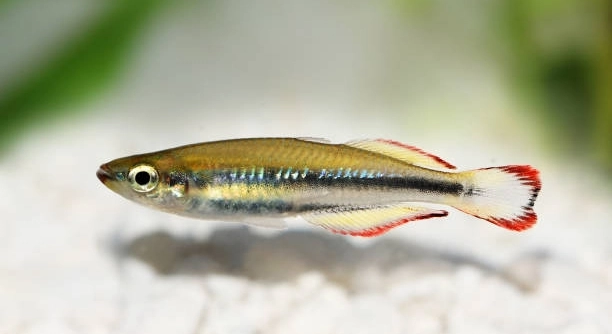
Many aquarium enthusiasts enjoy keeping rainbowfish for their bright colors and lively behavior. Observing these fish can be rewarding, but certain habits and setups can unintentionally stress them, altering their natural patterns. Awareness is essential for their care.
Rainbowfish behavior is often disrupted by common mistakes such as overcrowding, improper water conditions, inconsistent feeding schedules, insufficient hiding spaces, sudden temperature changes, poor tank maintenance, and stressful tank mates. Correcting these factors supports stable, healthy behaviors.
Learning to recognize these issues early can improve your rainbowfish’s overall well-being. Each adjustment contributes to a more balanced and peaceful aquarium environment.
Overcrowding in the Tank
Too many rainbowfish in a single tank can create constant stress and aggression. They require ample space to swim freely and establish territories. When confined, fish often display erratic behavior, including chasing, nipping, and hiding excessively. Overcrowding also increases waste levels, affecting water quality and health. Stress can lower immunity, making rainbowfish more susceptible to disease. Providing at least 10 gallons per adult fish helps reduce tension. It also allows plants and decorations to be arranged so fish feel secure and have areas to retreat. Observing their interactions in a spacious environment can reveal natural behaviors, including schooling and mating displays. Adjusting the population gradually ensures that remaining fish adapt without sudden disruptions. Regularly monitoring tank dynamics and water conditions helps maintain a calm, balanced environment, preventing behavioral issues before they escalate. Proper stocking is key to a harmonious aquarium.
Overcrowding limits movement and natural behavior, directly influencing stress levels and overall health.
Careful planning of tank size and population ensures rainbowfish have room to swim, explore, and interact without constant stress. It encourages natural schooling behavior, reduces aggression, and promotes healthier growth. Monitoring how fish share space helps maintain a stable, calm environment where they thrive.
Poor Water Quality
Water quality impacts every aspect of rainbowfish behavior. Dirty or unbalanced water can lead to sluggishness, loss of color, and unusual hiding. Chemicals, pH swings, and accumulated waste stress fish, altering feeding and social interactions. Routine water testing and partial water changes prevent sudden fluctuations. Filters must be maintained, and substrates cleaned to avoid toxin buildup. Temperature consistency is also critical, as rainbowfish respond poorly to sudden changes. Providing aeration and monitoring oxygen levels ensures active swimming and alert behavior. Even small tanks require careful attention, as waste and uneaten food can accumulate quickly. By keeping water stable, fish remain vibrant, calm, and display normal social patterns. Behavioral improvements are noticeable once water conditions stabilize, including more regular schooling and confident exploration of the tank. Consistency is essential for long-term health.
Maintaining clean water and stable conditions prevents stress-related behaviors and supports healthy, active rainbowfish.
Regular water tests, partial changes, and filter maintenance protect fish from toxins and disease. Stable temperature and pH help rainbowfish remain active, showing natural behaviors and proper coloration. A well-kept environment encourages social interaction, reduces hiding, and ensures overall well-being, supporting growth and longevity.
Inconsistent Feeding
Skipping meals or feeding irregularly disrupts rainbowfish behavior. They can become anxious, overly aggressive, or lethargic. Consistency in timing and portion size is essential for maintaining calm and healthy activity levels.
Feeding too much or too little can cause stress and digestive problems. Overfeeding leads to excess waste, which negatively affects water quality and can trigger unusual swimming patterns or hiding. Underfeeding may result in competition, chasing, or nipping among tank mates. A balanced diet with high-quality flakes, pellets, and occasional live or frozen foods helps sustain energy and coloration. Observing how fish respond during feeding times provides insight into their health and social dynamics, allowing adjustments before issues escalate. Maintaining a feeding schedule encourages predictable behavior.
Providing consistent, nutritious meals reduces stress and encourages natural behavior. It supports social interaction, healthy growth, and vibrant coloration, making rainbowfish more active and confident in the tank environment.
Lack of Hiding Spaces
Rainbowfish feel insecure without adequate hiding spots, which can increase stress and aggression in the tank. Plants, rocks, and decorations provide shelter and boundaries, creating a more balanced environment.
Hiding spaces allow rainbowfish to rest, escape conflicts, and establish territories. Without them, fish may become timid or overexposed, leading to erratic swimming and constant chasing. Dense planting and varied décor simulate natural habitats and encourage normal behavior. Decorations should provide both open swimming areas and secluded corners to accommodate different personality types and comfort levels. Observing fish using these spaces helps gauge stress and social dynamics. Strategically placing shelters can reduce aggression and promote schooling behavior, giving shy individuals a chance to thrive alongside more dominant tank mates. Proper tank design directly influences behavior and well-being.
Sudden Temperature Changes
Rainbowfish are sensitive to rapid temperature shifts, which can stress them and alter behavior. Sudden changes may cause hiding, reduced feeding, or erratic swimming. Maintaining a stable temperature is essential for their well-being and natural activity.
A gradual adjustment when changing water or performing maintenance helps fish adapt. Consistent monitoring prevents shocks and ensures active, calm behavior. Small daily fluctuations can accumulate, so using a reliable heater or thermometer is important to protect their health.
Poor Tank Maintenance
Neglecting regular cleaning affects water quality and fish behavior. Waste buildup leads to stress, lethargy, and unusual interactions among rainbowfish. Filters, substrates, and décor need consistent care to maintain a stable environment.
Routine tasks like siphoning debris, changing water, and checking filter function prevent harmful chemical buildup. Clean tanks promote normal swimming, feeding, and social patterns. Behavioral issues often improve quickly after proper maintenance, highlighting the direct impact of hygiene on fish activity. Monitoring water parameters alongside cleaning ensures long-term stability, allowing rainbowfish to thrive without unnecessary stress. Regular maintenance is critical for behavior and overall health.
Stressful Tank Mates
Aggressive or incompatible tank mates disrupt rainbowfish behavior. Constant chasing or bullying leads to hiding, loss of color, and reduced feeding. Selecting peaceful species promotes harmony and natural activity within the aquarium.
How can I tell if my rainbowfish is stressed?
Signs of stress in rainbowfish include hiding frequently, erratic swimming, loss of color, and reduced appetite. They may also become more aggressive toward tank mates or show unusual patterns such as swimming near the surface constantly. Observing daily behavior helps identify early signs.
What is the best tank size for rainbowfish?
Rainbowfish need enough space to swim freely and establish territories. A general guideline is at least 10 gallons per adult fish. Larger tanks reduce aggression and support healthy social interactions. Providing open areas for swimming along with plants and decorations improves comfort.
How often should I feed rainbowfish?
Rainbowfish benefit from consistent feeding schedules. Feeding small amounts 1–2 times daily is ideal. Overfeeding can lead to water quality problems, while underfeeding may cause aggression or lethargy. A mix of flakes, pellets, and occasional live or frozen foods supports proper growth and coloration.
What water conditions are ideal for rainbowfish?
Rainbowfish thrive in clean, stable water. The recommended temperature range is usually 74–78°F (23–26°C). pH should remain around 6.5–7.5, and hardness should be moderate. Regular testing and partial water changes prevent fluctuations that could stress the fish.
Why do rainbowfish hide all the time?
Excessive hiding usually indicates stress, overcrowding, or lack of adequate shelter. Providing plants, rocks, and decorations helps them feel secure. Stress from aggressive tank mates or poor water quality can also lead to this behavior, so observing tank dynamics is important.
How do I reduce aggression in my rainbowfish tank?
Aggression often occurs in overcrowded tanks or with incompatible tank mates. Maintaining proper population density, providing hiding spaces, and choosing peaceful species can minimize conflicts. Consistent feeding and water quality also play a role in reducing stress-induced aggression.
Can temperature changes affect rainbowfish behavior?
Yes, rainbowfish are sensitive to sudden shifts in water temperature. Rapid changes can cause hiding, reduced feeding, and erratic swimming. Using a reliable heater and monitoring water with a thermometer ensures gradual, stable adjustments to avoid stress.
Is it okay to keep rainbowfish with other fish species?
Rainbowfish are generally peaceful, but tank mates should also be non-aggressive and similarly sized. Avoid fin-nippers or overly territorial species. Observing interactions helps determine compatibility and prevents behavioral issues caused by bullying or stress.
How do I maintain clean water for rainbowfish?
Regular cleaning prevents waste buildup that affects behavior. Siphoning debris, changing 20–25% of the water weekly, and maintaining filters are essential. Monitoring water parameters like ammonia, nitrite, nitrate, and pH supports a stable, healthy environment. Clean water reduces stress and promotes normal activity.
What diet keeps rainbowfish healthy and active?
A balanced diet is key for behavior and coloration. High-quality flakes or pellets should be the main staple, supplemented with live or frozen foods like brine shrimp or daphnia. Variety prevents nutrient deficiencies, encourages natural feeding behavior, and supports overall health and energy levels.
How do I introduce new rainbowfish to an existing tank?
Acclimate new fish slowly by floating their bag in the tank to equalize temperature. Gradually mix tank water into the bag over 30–60 minutes before release. This reduces shock and stress, helping them integrate smoothly with existing fish while maintaining normal social behavior.
Can lighting affect rainbowfish behavior?
Proper lighting supports activity and color display. Too bright or too dim light can stress fish. A balanced day-night cycle of 10–12 hours light and darkness mimics natural conditions, helping rainbowfish remain active, feed properly, and display natural schooling behavior.
How often should I monitor rainbowfish behavior?
Daily observation is recommended to catch early signs of stress, aggression, or illness. Noticing small changes in swimming, feeding, or color allows for timely adjustments in tank conditions, feeding routines, or tank mates to maintain a healthy, stable environment.
What are common mistakes that disrupt rainbowfish behavior?
Mistakes include overcrowding, inconsistent feeding, poor water quality, lack of hiding spots, sudden temperature changes, improper tank mates, and irregular maintenance. Addressing these factors restores natural behavior, encourages social interaction, and maintains the fish’s health and vibrancy in the tank.
How can I encourage natural schooling behavior?
Providing enough space, stable water conditions, and compatible tank mates encourages rainbowfish to school naturally. Avoid overcrowding or aggressive species that can disrupt groups. Observing their movement patterns helps ensure they are comfortable and behaving normally.
What should I do if my rainbowfish becomes lethargic?
Lethargy may result from stress, poor water quality, illness, or inadequate diet. Test water parameters, ensure proper feeding, and observe for signs of disease. Addressing the root cause helps restore energy levels and normal behavior. Early intervention improves survival and well-being.
How important are decorations for rainbowfish?
Decorations create hiding spaces, define territories, and reduce stress. Plants, rocks, and driftwood offer security, encourage exploration, and promote natural behavior. Arranging them thoughtfully balances open swimming areas with sheltered zones, supporting a calm, healthy tank environment.
Can I prevent behavioral issues before they start?
Yes, proper tank setup, stable water conditions, consistent feeding, and careful selection of tank mates prevent most behavioral problems. Regular monitoring and timely adjustments ensure rainbowfish remain active, healthy, and display natural behaviors without unnecessary stress.
What is the long-term impact of poor care on rainbowfish behavior?
Neglecting water quality, diet, space, or social balance can lead to chronic stress, illness, aggression, and abnormal behavior. Addressing issues early preserves health, activity, and coloration, ensuring rainbowfish thrive and maintain normal behavior patterns over time.
How do I know if my rainbowfish is healthy overall?
Healthy rainbowfish are active, display bright colors, feed regularly, interact with tank mates, and swim confidently. Regular observation, combined with proper tank maintenance and diet, ensures long-term well-being and reduces the likelihood of behavioral disruptions.
Rainbowfish are colorful, lively fish that bring energy to any aquarium. Keeping them healthy requires attention to both their environment and daily care. Many of the problems that disrupt their behavior come from factors that can be easily controlled, such as overcrowding, inconsistent feeding, and poor water quality. By understanding these factors and taking small, steady steps, you can create a stable environment where rainbowfish feel secure and behave naturally. Observing them closely every day helps identify problems early, allowing adjustments before stress or illness develops. Simple actions like providing enough swimming space, hiding spots, and compatible tank mates can dramatically improve their behavior and overall health. Even minor improvements in water quality or feeding schedules often lead to noticeable changes in activity levels, coloration, and social interactions among your fish.
Creating the right conditions for rainbowfish is not just about avoiding mistakes; it is about encouraging natural behavior. A properly stocked and maintained tank allows these fish to swim freely, explore their surroundings, and interact with each other in healthy ways. Consistency is key—regular water changes, stable temperatures, and routine feeding schedules all contribute to a balanced aquarium. Providing plants, rocks, and decorations gives rainbowfish places to retreat when they feel stressed and creates a sense of security, which reduces aggression and hiding. Choosing peaceful tank mates further supports their natural social structure and prevents conflict. Over time, attention to these details ensures that rainbowfish display their full range of behaviors, from schooling to exploring, without unnecessary stress or fear. Even small changes can have a significant impact, so monitoring and adjusting as needed is always worthwhile.
Behavioral issues in rainbowfish are often a reflection of their environment. Fish respond to stressors quickly, and poor conditions can manifest as hiding, aggression, or lethargy. On the other hand, a well-maintained, thoughtfully arranged tank encourages confidence, active swimming, and vibrant colors. Consistently observing your rainbowfish and adjusting their habitat as necessary supports both their mental and physical health. Feeding them a varied and balanced diet keeps energy levels up and reduces competition, while stable water parameters prevent stress and illness. Over time, these practices help rainbowfish thrive and display normal, natural behaviors. Ultimately, taking the time to understand and respond to their needs results in a more peaceful, enjoyable aquarium, where rainbowfish are active, healthy, and visually striking. This ongoing care reinforces the importance of balance, consistency, and observation in maintaining a successful tank.

Hello,
If you enjoy the content that we create, please consider saying a "Thank You!" by leaving a tip.
Every little bit helps us continue crafting quality advice that supports the health, happiness, and well-being of pets around the world, for pets of all shapes, sizes, and species.
We really appreciate the kindness and support that you show us!