
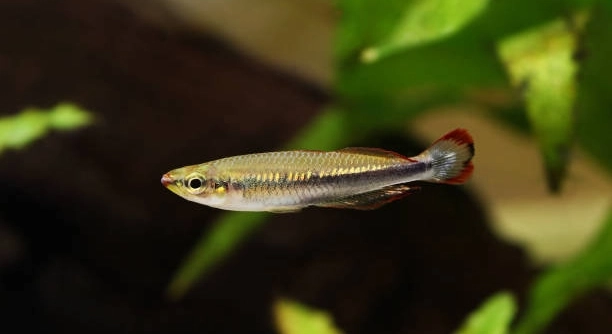
Are your fish living together peacefully, or do you notice small signs of tension in your tank? Observing their interactions can help you ensure a calm and harmonious environment for your aquatic companions. Watching closely matters.
Fish that get along often display coordinated swimming patterns, share feeding times without aggression, and occupy similar areas of the tank comfortably. Signs of stress or frequent chasing indicate conflict, while calm behavior and mutual tolerance reflect a stable social environment.
Recognizing these behaviors will help you maintain a balanced aquarium and support your fish’s overall well-being. Keeping track of interactions benefits every inhabitant.
Observing Swimming Patterns
Fish that are comfortable together often swim in coordinated ways. They may follow similar paths around the tank, glide past each other without showing fear, and occasionally mirror movements. Calm, steady swimming shows that they are comfortable in the shared environment. Sudden bursts of speed or erratic movements can indicate stress or conflict.
Fish moving together calmly signals mutual tolerance. Aggressive chasing or constant fleeing shows discord in the tank.
Noticing these patterns helps maintain a peaceful aquarium. Over time, I observed that some fish naturally claim certain areas while others roam freely, yet they coexist without confrontation. Feeding times often reveal these patterns more clearly. Fish that get along will eat near each other without competition, sometimes waiting their turn. Watching how they interact around decorations, plants, and hiding spots also gives insight into their relationships. Subtle gestures, like nudging without aggression or gliding side by side, indicate trust. By paying attention daily, you can identify small issues early, preventing larger conflicts. The overall tank harmony depends on these observations, ensuring that all fish enjoy a safe and stress-free environment.
Sharing Feeding Times
Fish that share food peacefully show strong social tolerance. Observing who eats first and who waits demonstrates their comfort level around each other.
Providing food evenly reduces competition and stress, creating a calmer atmosphere for all fish.
Fish that eat together without conflict are easier to care for. I noticed that certain species develop natural hierarchies, while others maintain equality without any bullying. Feeding provides a predictable routine, allowing fish to settle into their spots and interact calmly. Over time, I adjusted feeding amounts and locations to prevent overcrowding and ensure every fish had access to nutrition. Watching their body language during feeding, such as relaxed fins and slow movements, confirms that tension is low. Even subtle changes, like one fish briefly chasing another, can signal shifts in comfort that need attention. Observing these interactions regularly helps maintain a balanced tank. Consistency in feeding habits, along with careful monitoring of fish reactions, encourages peaceful cohabitation. Understanding these dynamics improves both the fish’s health and the enjoyment of observing them.
Observing Territorial Behavior
Some fish naturally claim areas of the tank, and respecting these spaces is key to harmony. Fish that get along will avoid constant intrusion into another’s territory. Signs of aggression include chasing or guarding specific spots aggressively.
I noticed that placing decorations strategically helps minimize conflicts. Rocks, plants, and hiding spots create natural boundaries, allowing each fish a safe area. Observing which fish prefer which zones makes it easier to understand their comfort levels. Some species are more dominant, but they usually coexist peacefully when boundaries are respected. Over time, I adjusted placement to ensure no fish feels cornered or stressed. Even minor rearrangements can change interactions, sometimes improving calm behavior. Watching territorial patterns closely helps me prevent fights and maintain a stable environment.
Consistent observation allows early detection of tension. Fish that respect each other’s territory show less stress and healthier social interactions.
Watching Body Language
Relaxed fins, smooth movements, and normal coloration indicate comfort among fish. Tension shows through flared fins, rapid darting, or faded colors.
I observed that fish often communicate subtly through posture and movement. A fish leaning back or flattening against the substrate may feel threatened, while another fish circling slowly near a companion signals calm interaction. Subtle gestures, such as gentle nudges or synchronized swimming, indicate trust and acceptance. Paying attention to these details helps me understand which fish are comfortable together and which may need adjustments in tank setup. Changes in lighting, decorations, or feeding spots can affect behavior, so I monitor reactions closely to maintain stability. Over time, this careful attention has helped me create a harmonious tank where fish coexist peacefully. By interpreting body language accurately, I can intervene before small tensions escalate, ensuring every fish remains healthy and stress-free.
Noticing Resting Habits
Fish that rest peacefully near each other show comfort and trust. Calm resting indicates they feel safe and secure in the tank environment.
Uneven or isolated resting patterns can signal stress or discomfort. Observing where and how fish rest helps identify potential issues early.
Monitoring Social Interactions
Fish often engage in brief, non-aggressive touches or swim close together without conflict. These behaviors indicate tolerance and social acceptance. Over time, I noticed certain species naturally form loose groups, while others prefer solitude. Watching these patterns daily helps me understand how each fish adapts to the presence of others. Changes in social behavior, such as sudden chasing or avoidance, can alert me to potential problems. Adjusting tank layout, providing extra hiding spots, or changing feeding routines often restores calm interactions. Tracking social cues consistently ensures a balanced environment where all fish coexist comfortably.
Keeping an Eye on Health
Healthy fish interact more calmly and confidently. Poor health often disrupts social harmony and increases stress levels.
How can I tell if my fish are stressed?
Signs of stress in fish include rapid gill movement, faded colors, clamped fins, and erratic swimming. Fish may hide more than usual or refuse food. I noticed that even small changes in behavior, like lingering in one corner or avoiding companions, often indicate discomfort. Environmental factors like poor water quality, sudden temperature changes, or overcrowding frequently cause stress. Observing daily routines helps me spot these issues early. Adjusting water conditions, ensuring adequate space, and maintaining a stable feeding schedule usually restores calm behavior and reduces stress significantly.
What should I do if fish start fighting?
First, identify the source of the conflict. Territorial disputes, competition for food, or overcrowding often trigger fights. I usually separate aggressive fish temporarily and rearrange decorations to break line-of-sight dominance. Providing extra hiding spots helps reduce tension and gives submissive fish safe areas. Sometimes, minor adjustments in feeding routines or water flow resolve conflicts naturally. Persistent aggression may require moving one fish to another tank or rehoming it. Monitoring interactions closely after changes ensures stability. Preventing overcrowding and understanding species-specific temperaments is the best long-term approach to minimizing fights and maintaining harmony.
Can fish of different species get along?
Yes, many fish species coexist peacefully if their temperaments and environmental needs match. I often choose tank mates based on size, activity level, and social behavior. For example, calm species like tetras do well with other non-aggressive fish, while territorial species may need more space. Providing proper hiding spots, plants, and open swimming areas helps reduce stress and competition. Observation is crucial—some species that appear compatible may still display occasional dominance behaviors. Adjusting tank setup, monitoring feeding routines, and maintaining good water quality are key factors in helping mixed-species tanks thrive without conflict.
How do I encourage fish to get along?
Structured feeding, consistent routines, and thoughtful tank layout encourage peaceful interactions. I spread food in multiple areas to reduce competition and place decorations strategically to create natural boundaries. Introducing new fish gradually allows existing fish to adjust. Observing social cues, like swimming patterns and fin displays, helps me determine if adjustments are needed. Regular maintenance, such as cleaning filters and checking water parameters, keeps the environment stable, which lowers stress and aggression. Over time, patience and careful observation foster harmony. Encouraging positive interactions ensures a calm, balanced aquarium where all fish feel secure.
What are common signs of a fish hierarchy?
Hierarchy in fish shows through subtle behaviors like who eats first, who occupies prime areas, or occasional gentle nudging. I often see dominant fish taking central positions near decorations or feeding spots while others give space. Aggression is usually mild unless overcrowding occurs. Submissive fish typically retreat but still interact safely. Recognizing these patterns helps me manage the tank layout to avoid stress. Adding plants and hiding spots gives lower-ranking fish security. Understanding the natural hierarchy helps prevent fights and ensures all fish coexist peacefully, maintaining overall health and stability in the aquarium.
How often should I observe my fish?
Daily observation is ideal. I check swimming patterns, feeding behavior, resting spots, and interactions every day. Even a few minutes each day helps detect subtle changes before they escalate into larger problems. Quick visual inspections ensure water quality is stable, and any aggression or stress signs are addressed immediately. Keeping a routine log of behavior, such as noting feeding times, unusual movements, or color changes, provides a clear picture of tank dynamics. Regular monitoring not only prevents conflicts but also ensures each fish thrives, making the aquarium a healthier and more enjoyable environment.
What if one fish refuses to interact?
Occasional isolation is normal, especially for shy or slow-moving species. I watch to see if the fish is eating and maintaining normal respiration. If a fish consistently avoids others, I check water parameters, look for illness, and ensure there is enough hiding space. Sometimes rearranging decorations or adjusting the tank layout encourages interaction. Gentle observation without forcing proximity is key. Maintaining proper nutrition, clean water, and stable conditions often helps solitary fish gradually become more comfortable around tank mates. Patience is important, as forcing interaction can increase stress and worsen social dynamics.
Can tank size affect fish relationships?
Absolutely. Limited space increases aggression and competition. I always consider adult size when choosing fish and avoid overcrowding. Smaller tanks amplify territorial disputes, while larger tanks provide more swimming areas and hiding spots. Proper space allows natural social behaviors and reduces stress. Even with compatible species, insufficient room can lead to constant chasing or stress. Monitoring fish interactions in relation to tank size is essential. If space is restricted, adjusting the number of fish or upgrading the tank ensures healthier social dynamics and long-term well-being for all inhabitants.
How does water quality impact social behavior?
Poor water conditions stress fish, often triggering aggression or withdrawal. I test ammonia, nitrite, nitrate, and pH regularly to maintain optimal levels. Stable water conditions encourage calm behavior and healthy interactions. Frequent water changes and proper filtration prevent issues before they affect social dynamics. Fish communicate through subtle cues, and stress from toxins can disrupt these behaviors, leading to conflict. Maintaining clean, stable water is one of the simplest yet most effective ways to ensure peaceful coexistence. Healthy water supports appetite, energy, and overall well-being, allowing fish to interact naturally without undue stress or tension.
How long does it take for fish to settle together?
Adjustment periods vary by species and temperament. I generally allow a few days to several weeks for fish to establish comfort. Initial curiosity, mild chasing, or boundary testing is normal. Providing hiding spots, gradual feeding routines, and consistent observation helps fish adapt more quickly. Monitoring daily behavior ensures that early signs of aggression or stress are addressed. Over time, interactions stabilize, and peaceful cohabitation becomes the norm. Patience and careful attention during this period are critical to fostering long-term harmony in a mixed-species or newly established tank.
What should I do if new fish cause tension?
Introduce newcomers slowly, using a quarantine tank first if possible. I rearrange existing decorations to prevent territorial dominance and monitor interactions closely. Feeding in multiple spots reduces competition. If aggression persists, separating aggressive or stressed fish temporarily helps reset social balance. Adjusting water flow, lighting, or adding hiding spots can also improve tolerance. Observing subtle cues, like fin displays or avoidance, informs whether additional intervention is needed. Gradual integration and maintaining stable conditions encourage peaceful adaptation. Proper planning and patience prevent long-term stress and conflict, ensuring all fish coexist safely in the tank.
Observing your fish closely is the key to maintaining a peaceful and balanced aquarium. Paying attention to their swimming patterns, resting habits, and social interactions allows you to notice subtle changes before they turn into bigger problems. Calm swimming, coordinated movements, and relaxed fins indicate comfort, while erratic behavior, hiding, or aggression often signal stress. Over time, I realized that even small adjustments in the tank, such as rearranging decorations or adding hiding spots, can make a significant difference in how fish interact. By understanding the signals your fish are giving, you can create an environment that reduces tension and encourages harmony among all tank inhabitants. Daily observation, even for a few minutes, provides valuable insight into their behavior and ensures that any potential conflicts are addressed promptly, keeping the aquarium calm and healthy.
Feeding routines and territory management also play a major role in fostering a harmonious environment. Fish that share food peacefully and respect each other’s space tend to coexist more comfortably. I often noticed that spreading food across multiple areas and providing sufficient hiding spots reduced competition and aggression. Territorial disputes are common, especially with more dominant species, but strategic placement of decorations and thoughtful tank design helps minimize conflicts. Monitoring social hierarchies, such as who eats first or occupies central spaces, gives a clearer picture of interactions. Adjusting the environment in response to these observations ensures that each fish feels secure and reduces unnecessary stress. These small, consistent actions have a noticeable impact on the overall atmosphere in the tank, allowing fish to live together without constant tension.
Maintaining water quality and stability is equally important in supporting healthy social behavior. Fish under stress from poor water conditions are more likely to display aggression or retreat from their companions. I regularly check parameters like temperature, pH, ammonia, nitrite, and nitrate to ensure they remain within safe ranges. Clean water promotes better appetite, energy, and calm interactions, while sudden changes can disrupt even a previously peaceful tank. Introducing new fish gradually, providing proper hiding spots, and maintaining consistent feeding and maintenance routines all contribute to long-term harmony. Observing your fish, adjusting the environment thoughtfully, and prioritizing water quality ensures that your aquarium remains a stable, peaceful habitat where all fish can thrive comfortably together.

Hello,
If you enjoy the content that we create, please consider saying a "Thank You!" by leaving a tip.
Every little bit helps us continue crafting quality advice that supports the health, happiness, and well-being of pets around the world, for pets of all shapes, sizes, and species.
We really appreciate the kindness and support that you show us!