
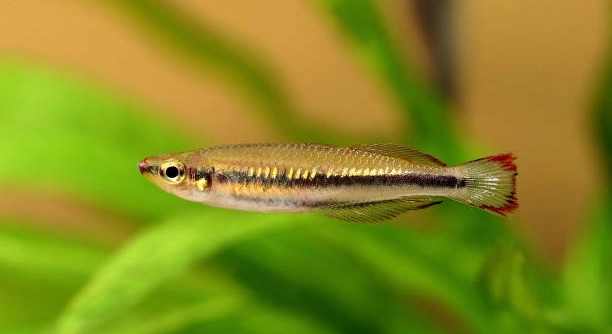
Are your aquarium fish thriving and swimming energetically through clean water? Observing their behavior daily can give insight into the overall health of your tank. A well-maintained environment is key for both fish and plants.
Good tank health is indicated by clear water, stable temperature, balanced pH, active and alert fish, minimal algae growth, proper filtration, and healthy plant life. Monitoring these behaviors ensures a thriving and sustainable aquatic environment.
Recognizing these signs will help you maintain a stable and comfortable habitat for your aquatic pets. Understanding the basics of tank health is essential for long-term success.
Clear and Stable Water
Maintaining clear and stable water is one of the most important aspects of good tank health. When water appears cloudy or discolored, it often indicates an imbalance in the aquarium. Regular water changes, proper filtration, and monitoring chemical levels such as ammonia, nitrite, and nitrate help keep the water safe for fish. Using a reliable water testing kit allows you to track changes and address issues before they become severe. Additionally, avoid overfeeding your fish, as leftover food decomposes and clouds the water. Proper cleaning of decorations, gravel, and filter components ensures the tank remains visually appealing and free from harmful debris. A stable environment promotes natural behavior in fish and supports healthy plant growth. Observing water clarity daily gives insight into whether the tank conditions are consistently safe. Fish respond quickly to poor water quality, making this one of the easiest behaviors to monitor. Clear water reflects a well-maintained and thriving tank ecosystem.
Fish swimming freely in clean water and showing natural coloration indicates a well-balanced aquatic environment, supported by regular maintenance and careful observation.
Maintaining water quality also involves balancing temperature, pH, and hardness. Sudden changes can stress fish and disrupt biological processes. Avoid introducing too many new fish at once, as overcrowding can strain filtration and reduce water quality. Plants play a role in maintaining water clarity by absorbing excess nutrients. Regular partial water changes, ideally weekly, help remove waste and replenish essential minerals. Monitoring water movement is equally important; gentle circulation ensures oxygenation without creating strong currents that stress the fish. Over time, you develop an intuitive sense of the tank’s rhythm, noticing subtle changes that indicate a problem before it escalates. Consistency in these practices ensures your aquarium remains healthy and sustainable. By paying attention to water clarity, you create a stable environment where fish can thrive, and plants can flourish, reducing the risk of disease or stress.
Active and Alert Fish
Healthy fish move naturally, exploring their environment without lethargy or hiding excessively. Active swimming patterns and responsive behavior indicate strong physical condition and comfort in their habitat.
Fish activity levels are a direct reflection of tank conditions and diet. When fish consistently swim through all areas of the tank, it shows they are well-nourished and experiencing low stress. Observing interactions among fish is also important; healthy fish display normal social behavior, without aggression or excessive fear. Environmental enrichment, such as plants, hiding spots, and varying terrain, encourages natural activity. Feeding at consistent times reinforces regular movement and reduces stress. Avoid sudden loud noises or rapid light changes, which can temporarily disturb activity but may become harmful if frequent. Additionally, active fish often demonstrate vibrant colors and clear eyes, signs of strong immunity. In contrast, sluggish or hiding fish may suggest illness, poor water quality, or inadequate nutrition. Prioritizing the environment and diet supports consistent activity, helping you recognize early warning signs. Maintaining records of behavior changes allows you to track trends and respond appropriately, ensuring a long-lasting and healthy aquarium ecosystem. Observing these behaviors daily fosters a deeper understanding of each species’ needs and supports overall tank stability.
Minimal Algae Growth
Algae growth should be controlled and not overwhelming in a healthy tank. Limited algae indicates proper lighting, balanced nutrients, and adequate maintenance, showing that the tank ecosystem is stable and supportive of fish and plants.
Keeping algae under control requires attention to light exposure and nutrient levels. Excessive lighting or overfeeding encourages algae to bloom quickly, creating green or brown patches on glass, decorations, and plants. Regular partial water changes help reduce nutrient buildup, while proper filtration removes debris that algae can feed on. Introducing algae-eating species, such as certain snails or fish, can assist in maintaining balance. Manual removal of algae from surfaces prevents it from overtaking the tank. Observing algae levels weekly allows you to adjust light duration, feeding, or cleaning routines. A consistent schedule prevents sudden spikes, keeping the tank visually clear and healthy. Maintaining minimal algae growth ensures that fish and plants are not competing for resources, creating a more stable aquatic environment that supports growth and vitality.
Balanced nutrition and feeding practices play a crucial role in algae control. Overfeeding not only pollutes the water but also accelerates algae growth, while underfeeding may weaken fish and reduce activity. Offering a varied diet and portion control ensures fish receive proper nutrients without creating waste. Healthy plants naturally compete with algae for nutrients, further reducing its prevalence. Monitoring water chemistry, particularly nitrates and phosphates, helps identify imbalances before algae blooms appear. Combining preventive measures with regular maintenance creates a tank environment where algae remains limited, fish remain healthy, and plants thrive. Minimal algae reflects attentive care and supports overall tank stability.
Proper Filtration
A well-functioning filter removes debris, excess food, and waste, keeping water clean and oxygenated. Filtration efficiency directly affects water clarity, fish health, and overall tank stability.
Filters are essential for maintaining biological, mechanical, and chemical balance in aquariums. Mechanical filtration traps particles, preventing accumulation in the tank. Biological filtration fosters beneficial bacteria that convert harmful ammonia and nitrite into less toxic compounds, supporting fish health. Chemical filtration removes dissolved substances and odors, improving water quality. Choosing the right filter for tank size and stocking levels ensures effective circulation without stressing fish. Regular maintenance, including cleaning and media replacement, prevents clogging and maintains efficiency. Observing flow rates and filter performance allows early detection of malfunctions that could impact water conditions. A properly maintained filter provides a consistent environment, reduces stress on fish, and supports healthy plant growth, making it a key component of tank health.
Filters work best when paired with consistent monitoring and maintenance. Neglecting them can result in water quality deterioration, leading to disease or algae growth. Choosing an appropriately sized filter ensures adequate circulation and oxygenation without creating strong currents. Monitoring water flow, cleaning mechanical media, and periodically replacing chemical media prevents buildup of waste and harmful substances. Biological media should be rinsed gently to preserve beneficial bacteria. Using a combination of filtration types supports a stable ecosystem, reducing the risk of sudden spikes in ammonia or nitrite. Consistent filtration maintenance ensures a balanced, healthy environment where fish can thrive, water remains clear, and plants grow without interference. Proper filtration forms the backbone of a well-kept aquarium.
Healthy Plant Growth
Healthy plants indicate balanced lighting, nutrients, and CO2 levels. They grow steadily, show vibrant color, and provide natural shelter for fish, contributing to overall tank stability.
Consistent pruning and removal of dead leaves prevent decay, which can pollute the water. Plants that thrive help absorb excess nutrients, reducing algae growth.
Consistent Temperature
Maintaining a stable temperature is essential for fish health. Fluctuations can stress fish, slow metabolism, and reduce immunity. Regular monitoring and using a reliable heater or chiller ensures optimal conditions.
Normal Fish Coloration
Vibrant and consistent coloration in fish reflects good nutrition, low stress, and a clean environment. Dull or faded colors may indicate water issues, illness, or poor diet. Observing color changes daily helps catch problems early.
Proper Oxygenation
Adequate oxygen levels support respiration for fish and beneficial bacteria. Surface agitation, proper filtration, and live plants help maintain sufficient oxygen, ensuring a balanced and healthy aquarium ecosystem.
FAQ
How often should I change the water in my tank?
Water changes are essential for maintaining a healthy environment. A weekly partial water change of 15-25% is generally recommended. This removes waste, excess nutrients, and toxins while replenishing essential minerals. Frequency may vary depending on tank size, fish population, and filtration efficiency.
What is the best way to feed my fish?
Feed your fish small amounts once or twice a day, ensuring they consume all food within a few minutes. Overfeeding leads to excess waste, water pollution, and algae growth. Offering a varied diet, including flakes, pellets, and occasional frozen or live foods, supports nutrition and coloration.
How do I know if my fish are stressed?
Signs of stress include hiding excessively, loss of color, rapid gill movement, or erratic swimming. Stress can result from poor water quality, sudden temperature changes, overcrowding, or incompatible tank mates. Observing daily behavior helps identify stress early, allowing for adjustments to tank conditions.
What type of filtration system should I use?
The filter must match the tank size and population. A combination of mechanical, biological, and chemical filtration is ideal. Mechanical filtration removes debris, biological filtration supports beneficial bacteria, and chemical filtration eliminates dissolved compounds. Regular maintenance keeps the filter performing efficiently.
How do I control algae growth effectively?
Algae can be managed by limiting excess light exposure and nutrients. Maintain a consistent feeding schedule and avoid overfeeding. Introducing algae-eating species, like snails or certain fish, can help. Regular water changes and cleaning decorations or glass also prevent algae from spreading.
Can live plants improve tank health?
Yes, live plants absorb nutrients, reducing algae growth and providing oxygen. They offer natural hiding spaces and create a more stable environment for fish. Choose plants suitable for your tank size and light levels, and prune dead leaves to maintain water quality.
How important is temperature stability?
Temperature directly affects fish metabolism, immune function, and activity. Use a reliable heater or chiller to maintain stable temperatures. Avoid placing the tank near heat sources or drafty areas. Sudden temperature swings can stress fish and make them more susceptible to illness.
What signs indicate water quality problems?
Cloudy water, strong odor, or sudden fish behavior changes often indicate water quality issues. Testing ammonia, nitrite, nitrate, and pH regularly helps catch problems early. Proper filtration, consistent water changes, and monitoring feeding routines support stable water conditions.
How can I prevent disease in my tank?
Quarantine new fish before adding them to the main tank. Maintain clean water and balanced conditions, avoid overcrowding, and provide a proper diet. Observing fish daily allows early detection of illness, and prompt action can prevent disease from spreading.
What is the ideal fish-to-tank ratio?
Avoid overcrowding, as it stresses fish and strains filtration. A common guideline is one inch of fish per gallon, but species activity and size should be considered. Ensuring adequate space for swimming and hiding promotes natural behavior and overall health.
How do I choose compatible tank mates?
Research species behavior, size, and environmental needs before adding fish. Avoid mixing aggressive with peaceful fish or species requiring very different water conditions. Compatible tank mates reduce stress, aggression, and potential disease spread, supporting a stable community.
Are decorations important for tank health?
Yes, decorations and hiding spots reduce stress, provide shelter, and create a more natural environment. Avoid sharp or toxic materials that could harm fish. Regularly clean decorations to prevent algae buildup while maintaining a safe and visually appealing tank.
How often should I test my water?
Test water weekly for key parameters like ammonia, nitrite, nitrate, and pH. More frequent testing may be needed for new tanks or after adding fish. Monitoring ensures early detection of imbalances, allowing corrective actions before fish are affected.
Can I keep a tank without live plants?
Yes, artificial plants can provide hiding spaces, but they don’t improve water quality or oxygen levels. Without live plants, more attention must be paid to water changes, filtration, and algae control to maintain a healthy tank.
What are common causes of sudden fish deaths?
Sudden deaths often result from poor water quality, disease, temperature fluctuations, or overcrowding. Regular observation, consistent maintenance, and addressing issues promptly reduce the risk. Quarantining new fish also prevents introducing pathogens into the tank.
How do I know if my tank is overstocked?
Signs of overstocking include aggressive behavior, rapid waste buildup, poor water quality, and stressed or lethargic fish. Monitoring tank load and ensuring proper filtration and swimming space prevents overpopulation issues.
How can I maintain a low-maintenance tank?
Use efficient filtration, choose hardy fish and plants, maintain a regular cleaning schedule, and avoid overfeeding. A balanced ecosystem reduces the need for frequent interventions while keeping fish healthy and water stable.
Are snails or other cleanup creatures necessary?
Cleanup species help remove leftover food and algae but aren’t a substitute for regular maintenance. They can support a cleaner tank environment, but water changes, proper feeding, and filtration remain essential for overall health.
How do I acclimate new fish properly?
Float the bag in the tank for 15-30 minutes to match temperature. Gradually add small amounts of tank water to the bag over 30-60 minutes before releasing fish. This reduces stress and helps them adjust safely to new conditions.
What is the best lighting schedule for my tank?
Most tanks benefit from 8-10 hours of light daily. Consistent lighting supports plant growth without encouraging excessive algae. Use timers to maintain a stable schedule, avoiding sudden light changes that can stress fish.
Can I use tap water for my tank?
Tap water is often safe if treated to remove chlorine or chloramine. Using water conditioners and checking pH and hardness ensures it is suitable for fish. Regular testing and treatment maintain a safe environment.
How can I tell if my filter is working properly?
Check flow rate, water clarity, and listen for unusual noises. Slow or uneven flow may indicate clogs. Regular cleaning and media replacement ensure the filter continues to remove debris, support beneficial bacteria, and maintain a healthy tank.
Is it necessary to have a quarantine tank?
A quarantine tank prevents disease introduction and allows observation of new fish before adding them to the main tank. This step reduces stress, illness risk, and helps maintain overall tank health.
How do I prevent overfeeding?
Feed small portions that fish can consume in 2-3 minutes. Remove leftover food promptly and maintain a consistent schedule. Overfeeding contributes to water pollution, algae growth, and fish health issues.
What is the ideal pH for my tank?
Ideal pH varies by species but generally ranges from 6.5 to 7.5 for freshwater tanks. Regular testing ensures stable conditions. Sudden pH changes can stress fish, reduce immunity, and disrupt biological filtration.
How do I deal with cloudy water?
Cloudy water often results from bacterial blooms, overfeeding, or poor filtration. Partial water changes, cleaning the substrate, and monitoring chemical levels restore clarity. Maintaining consistent maintenance prevents recurring issues.
Can I mix tropical and cold-water fish?
Mixing these species is not recommended. Tropical and cold-water fish require different temperatures and conditions. Keeping incompatible species together can lead to stress, illness, or death.
How often should I prune plants?
Regular pruning removes dead or decaying leaves, preventing water quality issues. Trimming encourages healthy growth, maintains plant shape, and allows light to reach lower leaves, supporting overall tank health.
How do I know if my fish are eating enough?
Healthy fish actively approach food, finish meals in a few minutes, and maintain vibrant colors. Sudden disinterest, weight loss, or aggressive feeding competition may indicate underfeeding, illness, or stress.
Are filters enough to keep water clean?
Filters support water quality but cannot replace regular maintenance. Water changes, substrate cleaning, and monitoring chemical levels are necessary to maintain a balanced and healthy tank.
How can I prevent diseases in live plants?
Inspect plants for pests or decay before adding them. Quarantine new plants if possible, prune damaged leaves, and avoid introducing infected materials. Maintaining good water quality and balanced nutrients reduces plant stress and disease susceptibility.
Can I overstock a planted tank?
Even with plants, overcrowding can lead to stress, poor water quality, and resource competition. Maintaining a balanced fish-to-plant ratio ensures both fish and plants thrive without compromising health.
What should I do if a fish becomes sick?
Isolate sick fish, test water parameters, and consider appropriate treatment. Addressing illness early and maintaining good water quality helps prevent disease spread and supports recovery.
How can I reduce stress in my tank?
Provide hiding spots, maintain stable water conditions, avoid sudden changes, and keep compatible tank mates. Reducing stress improves fish immunity, behavior, and overall health.
How do I manage nitrate levels?
Regular partial water changes, live plants, and avoiding overfeeding help control nitrates. Excess nitrate can harm fish and encourage algae growth, so consistent monitoring is essential.
Can I use tap water without testing?
Testing is always recommended. Tap water may contain chemicals, hardness, or pH variations that affect fish. Conditioners and testing ensure safe, stable water for your tank.
What is the best way to clean my tank?
Remove debris, perform partial water changes, clean substrate and decorations, and maintain the filter. Avoid using soaps or chemicals, which can harm fish. Consistent cleaning preserves water quality and fish health.
How long does it take for a new tank to stabilize?
A new tank may take 4-6 weeks to establish biological filtration. Testing water and observing fish behavior during this period ensures the environment becomes stable and safe for inhabitants.
How do I maintain consistent water parameters?
Use heaters, test regularly, monitor feeding, and perform scheduled water changes. Consistency reduces stress and supports healthy fish, plants, and bacteria, creating a stable environment.
Can I overfeed algae-eating species?
Yes, overfeeding snails, shrimp, or fish can create waste that reduces water quality. Feed carefully and supplement with algae if natural growth is insufficient. Monitoring ensures balanced nutrition without overloading the tank.
What is the role of beneficial bacteria?
Beneficial bacteria convert harmful ammonia and nitrite into less toxic nitrate. Maintaining this population through biological filtration, avoiding overcleaning media, and stable conditions supports water quality and fish health.
How do I choose the right fish for my tank?
Consider size, temperament, water requirements, and compatibility. Research species carefully to prevent stress, aggression, and health issues. Matching fish to tank conditions ensures a harmonious and healthy environment.
How can I tell if my fish are breeding?
Signs include courtship behavior, changes in coloration, or guarding eggs. Providing appropriate conditions and hiding spots supports natural reproduction, while observing behavior helps track success.
Are there any silent signs of poor tank health?
Subtle indicators include slow plant growth, slight algae increases, mild fish discoloration, or minor water clarity changes. Observing these early allows corrective actions before severe problems develop.
How do I handle emergencies like filter failure?
Have backup equipment, perform immediate partial water changes, and monitor fish closely. Prompt action prevents stress, water quality deterioration, and potential fatalities.
Can decorations affect water quality?
Yes, some materials leach chemicals or harbor bacteria. Use aquarium-safe decorations and clean them regularly to maintain a healthy environment.
How often should I check fish behavior?
Daily observation is ideal. Watching swimming patterns, feeding response, and social interactions helps detect stress, illness, or environmental issues early, ensuring timely intervention.
What are signs of overstocking besides water quality issues?
Aggression, constant hiding, competition for food, and stunted growth indicate overstocking. Monitoring behavior helps maintain appropriate fish populations.
Is a test kit necessary for all tanks?
Yes, testing for ammonia, nitrite, nitrate, and pH is crucial. Consistent monitoring ensures water remains safe, balanced, and supportive of fish and plants.
How do I know when it’s time to replace filter media?
Reduced flow, visible buildup, or expiration of chemical media signals replacement. Regularly maintaining media ensures proper filtration and stable water quality.
Can I keep fish without plants?
Yes, but tanks without live plants require more frequent maintenance and careful monitoring of water quality and algae control. Plants naturally support a balanced ecosystem.
How do I prevent oxygen depletion at night?
Ensure adequate surface agitation, avoid overcrowding, and use live plants. Maintaining proper filtration and circulation supports oxygen levels even when photosynthesis is inactive.
What should I do if my water tests high for ammonia?
Perform partial water changes, check filter function, reduce feeding, and consider ammonia-neutralizing products. High ammonia is toxic and requires immediate attention to protect fish.
How can I maintain a healthy balance between fish and plants?
Stock appropriately, provide adequate nutrients and light, and monitor growth. Balanced conditions reduce competition, stress, and water quality issues, creating a stable tank environment.
Are all fish compatible with live plants?
Some species may uproot or eat plants. Research fish behavior and select plant-safe species to prevent damage while maintaining a healthy planted tank.
How can I monitor long-term tank health?
Keep records of water tests, fish behavior, plant growth, and maintenance routines. Observing trends over time helps prevent problems and ensures the tank remains stable and thriving.
What common mistakes should I avoid for tank health?
Overfeeding, overstocking, inconsistent maintenance, sudden water changes, and ignoring signs of stress or disease are frequent mistakes. Following a consistent routine and observing fish closely prevents most issues.
How can I reduce sudden fish deaths during changes?
Acclimate fish slowly, maintain stable water parameters, and avoid overcrowding. Gradual adjustments reduce stress and support fish survival during transitions or maintenance.
Is lighting alone enough to control algae?
No, lighting works with nutrient control and regular cleaning. Excess light without balanced feeding and water changes encourages algae growth. Proper maintenance is essential.
How do I balance fish and plant needs?
Match species requirements for light, temperature, and water chemistry. Monitor growth and behavior, adjusting care routines to ensure both thrive. Balanced conditions reduce stress and improve overall tank health.
Can I add fish and plants at the same time?
Yes, but monitor water parameters closely. Start with hardy species and fast-growing plants to help stabilize the ecosystem. Avoid overcrowding during initial setup.
How often should I clean the substrate?
Vacuuming once a week or during partial water changes removes debris and prevents nutrient buildup, supporting water clarity and reducing algae growth.
Are all test kits accurate?
Quality test kits are generally reliable, but calibration and following instructions carefully ensures accurate readings. Replacing expired reagents maintains precision.
How do I manage high nitrate levels?
Partial water changes, live plants, and controlling feeding reduce nitrates. Consistent monitoring prevents spikes, maintaining a safe environment for fish and plants.
What are signs of overfeeding besides leftover food?
Cloudy water, algae blooms, lethargic fish, and rapid waste accumulation indicate overfeeding. Adjust portion sizes and feeding frequency to maintain balance.
Can I rely solely on observation for tank health?
Observation is useful but not sufficient. Testing water, maintaining filtration, and regular cleaning are necessary to ensure a safe and healthy tank environment.
How do I avoid shocking fish during water changes?
Match water temperature, pH, and hardness closely. Add new water gradually, using a siphon or drip method, to reduce stress and prevent shock.
Are fish scales a reliable health indicator?
Yes, smooth, intact scales without discoloration or lesions suggest good health. Damaged or raised scales can indicate disease, stress, or poor water quality.
Can I keep a tank with minimal maintenance?
Low-maintenance setups are possible with hardy fish, efficient filtration, and careful monitoring. Even then, some regular care is required to prevent long-term problems.
How do I encourage natural behavior in fish?
Provide hiding spots, varied terrain, compatible tank mates, and regular feeding schedules. Mimicking natural conditions promotes activity, social interactions, and overall well-being.
What is the safest way to introduce new fish?
Use a quarantine tank, acclimate slowly to water parameters, and monitor behavior closely. Gradual introduction reduces stress, disease risk, and aggression in the main tank.
How often should I replace water in planted tanks?
Even planted tanks require weekly or biweekly partial water changes to remove excess nutrients and support plant and fish health, though frequency may be slightly reduced compared to unplanted tanks.
Are small fish suitable for all tank sizes?
No, even small fish require adequate swimming space and proper filtration. Overstocking small species can still cause stress and water quality issues.
Can I use artificial plants safely?
Yes, but they don’t provide nutrient absorption or oxygen. They offer hiding spaces but require more attention to water quality and algae control compared to live plants.
What is the role of carbon dioxide in planted tanks?
CO2 supports photosynthesis and plant growth. Proper levels prevent stunted growth and nutrient deficiencies, contributing to a healthy and balanced aquatic environment.
How do I know if a filter is undersized?
Slow water flow, cloudy water, or frequent debris buildup indicates inadequate filtration. Choosing a filter rated for a larger volume ensures consistent water quality and circulation.
What is the best way to prevent fish aggression?
Maintain proper stocking density, select compatible species, provide hiding spots, and avoid overcrowding. Monitoring interactions helps address conflict before it escalates.
Can tank size affect fish health?
Yes, small tanks can quickly accumulate toxins, limit swimming space, and increase stress. Adequate tank size supports stable conditions and healthier, more active fish.
How do I maintain stable pH in my tank?
Use buffers, monitor water chemistry, avoid rapid water changes, and select compatible species. Consistent water conditions reduce stress and support fish and plant health.
Can I use untreated pond water?
Untreated water may contain pathogens, chemicals, or debris. Proper testing and conditioning are required before introducing it to an aquarium to prevent disease or water quality issues.
How do I balance light for fish and plants?
Provide enough light for plant photosynthesis while avoiding excess that encourages algae. Using timers ensures consistency and reduces stress for both plants and fish.
Are gravel and substrate important for tank health?
Yes, they provide surfaces for beneficial bacteria, support plants, and contribute to the tank’s biological balance. Regular cleaning prevents waste buildup and maintains water quality.
Can I use tap water without dechlorinating?
No, chlorine or chloramine can harm fish and beneficial bacteria. Water conditioners neutralize these chemicals, making tap water safe for the tank.
How can I detect early signs of disease?
Maintaining a healthy aquarium requires consistent care and attention, but it does not have to be complicated. Observing your fish and plants regularly can tell you a lot about the overall health of your tank. Clear water, active fish, vibrant coloration, minimal algae, and healthy plant growth are all strong indicators that your tank is balanced. Paying attention to these factors allows you to spot problems early and take corrective measures before they escalate. Even small steps, like checking water parameters or removing leftover food, can have a significant impact on the well-being of your aquatic environment. Establishing a routine that includes feeding, water changes, filter maintenance, and plant care creates a stable environment where fish can thrive and plants can flourish. Over time, maintaining this routine will become second nature, and your tank will remain healthy with less effort. Consistency is one of the most important elements in ensuring a long-lasting and thriving aquarium ecosystem.
A well-maintained tank benefits both fish and plants by reducing stress and creating a safe, supportive environment. Stress-free fish are more active, display stronger immune responses, and exhibit natural behaviors. Healthy plants contribute to water quality by absorbing excess nutrients, which helps limit algae growth and improves oxygen levels. Proper filtration, consistent temperature, and regular observation work together to create a stable habitat. Every element in the tank interacts with the others, so addressing one aspect, like water clarity, often improves overall conditions. It is important to remember that every aquarium is unique, and what works for one tank may need adjustment for another. Learning about your specific species’ needs and monitoring how they respond to changes ensures that both fish and plants receive the care they require. Taking the time to understand these dynamics can prevent many common problems, from algae overgrowth to sudden fish stress, and it promotes a healthier, more balanced aquarium.
Even with careful maintenance, challenges will arise, and it is important to respond thoughtfully and promptly. Minor issues like algae spikes or cloudy water are not uncommon and can usually be resolved with small adjustments in lighting, feeding, or water changes. More serious problems, such as disease or sudden fish deaths, require closer attention and may involve isolation, treatment, or changes in tank conditions. The key is to remain observant and proactive. Regular monitoring and preventive measures reduce the likelihood of serious issues developing. By focusing on consistency, understanding the needs of your tank’s inhabitants, and addressing problems early, you create a sustainable environment where fish and plants can flourish. Over time, this approach not only supports the health of the tank but also enhances the enjoyment of caring for it, as a well-maintained aquarium becomes a vibrant, balanced, and rewarding habitat.

Hello,
If you enjoy the content that we create, please consider saying a "Thank You!" by leaving a tip.
Every little bit helps us continue crafting quality advice that supports the health, happiness, and well-being of pets around the world, for pets of all shapes, sizes, and species.
We really appreciate the kindness and support that you show us!