
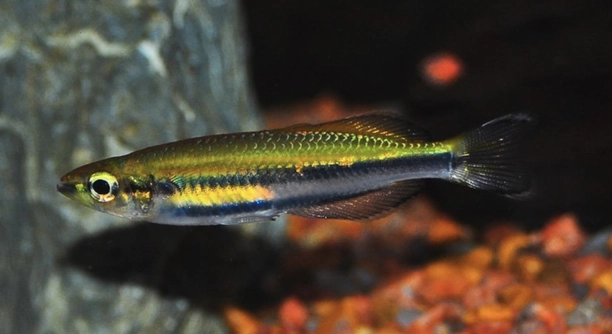
Rainbowfish are lively and colorful, bringing energy to any aquarium. Yet, after changes to their tank, they often retreat and hide. Observing this behavior can be puzzling for fish keepers adjusting to a new environment or setup.
Rainbowfish hide after tank changes primarily due to stress and environmental uncertainty. Alterations in water conditions, layout, or lighting can trigger instinctive hiding behaviors as a protective mechanism while they adapt to the modified surroundings. This response is natural and temporary.
Understanding their behavior helps create a calmer environment and supports their adjustment, ensuring the fish feel secure and comfortable in their refreshed habitat.
Causes of Hiding Behavior
When I first noticed my rainbowfish hiding after rearranging the tank, I realized it wasn’t unusual. They are sensitive to sudden changes in their environment. Adjusting the water temperature, moving decorations, or even switching the filter can make them feel insecure. Rainbowfish rely on familiar surroundings to feel safe, so when things shift, they instinctively retreat to corners or behind plants. Lighting changes also play a role, as bright or uneven light can startle them. Even minor changes in water chemistry, like pH or hardness, can trigger hiding. Social dynamics matter too; if new fish are added, existing rainbowfish may hide until they reestablish their social order. Observing these behaviors closely helps in understanding how each factor contributes. Over time, with patience and consistent conditions, rainbowfish usually become comfortable again and regain their usual activity and curiosity.
They often return to open swimming once they feel secure. Consistency is key.
Hiding is a protective response. By gradually reintroducing changes and maintaining stable water conditions, you help rainbowfish rebuild confidence. Using plenty of plants or structures gives them optional hiding spots, which reduces stress. Monitoring water parameters and keeping a steady feeding routine also supports their comfort. Each fish may react differently, so patience and attention are necessary.
Adjusting the Tank Safely
Introduce changes slowly to minimize stress. Sudden rearrangements can overwhelm them and prolong hiding.
Before moving anything, plan small adjustments over several days. Start by shifting decorations slightly rather than completely rearranging the layout. Adjust lighting gradually, using dim periods to allow the fish to adapt. When adding new equipment or changing water parameters, make incremental modifications to avoid shocking their system. Keeping a consistent feeding schedule and maintaining water quality ensures they feel secure during transitions. Observing their behavior daily helps identify if adjustments are needed. Some rainbowfish may take longer than others to explore the new setup, so patience is important. By approaching changes thoughtfully, you reduce stress, encourage activity, and maintain their health, creating a stable, comfortable environment where they can thrive without prolonged hiding.
Common Environmental Triggers
Water temperature fluctuations can immediately cause rainbowfish to hide. Even a few degrees difference from their usual range makes them cautious and less active. Lighting changes, especially brighter or uneven light, also contribute. Sudden rearrangements of plants or decorations can make them feel exposed, triggering hiding behaviors.
Stress from overcrowding or the addition of new fish increases hiding. Rainbowfish rely on familiar surroundings, and unexpected interactions can be intimidating. They often choose corners or dense plant areas to observe without being noticed. Consistent water parameters and stable tank structure reduce stress. Using gradual adjustments in lighting, décor, and stocking allows them to regain comfort more quickly. Over time, they learn the new setup and resume normal swimming patterns, returning to social interactions and feeding without hesitation.
A lack of sufficient hiding spots can make small environmental changes more intimidating. Providing ample plants, rocks, or caves allows them to explore at their own pace. Visual barriers help them feel protected. Watching how they react to minor adjustments informs how much change is manageable. Adjustments in feeding routines and tank maintenance also influence comfort levels. By observing and gradually modifying the environment, rainbowfish regain confidence, reducing hiding and encouraging natural activity within the tank.
Behavioral Signs to Watch
Rainbowfish often reduce swimming and stay near the tank bottom when stressed. They may dart quickly when approached or freeze entirely in corners.
Excessive hiding can indicate prolonged stress or discomfort. Pay attention to changes in appetite, swimming patterns, and interactions with other fish. Fish that repeatedly avoid open areas may benefit from additional plants or visual barriers. Behavioral changes often occur after water changes, new decorations, or the introduction of new tankmates. Tracking their responses over several days helps identify triggers and necessary adjustments. Gradual acclimation and consistent tank conditions support recovery. Providing optional hiding spots allows them to feel secure while still engaging in normal activity, helping maintain both physical health and natural behavior patterns.
Minimizing Stress During Changes
Keeping changes gradual helps rainbowfish adjust. Moving decorations slowly or adjusting lighting over time reduces fear and encourages normal activity.
Providing extra plants or hiding spots gives them a sense of security. Even small additions can make a big difference in their comfort level.
Importance of Water Stability
Maintaining stable water parameters is essential for rainbowfish wellbeing. Sudden shifts in pH, temperature, or hardness can trigger hiding and stress behaviors. Monitoring and adjusting water gradually ensures a safer environment. Consistent water quality supports their immune system, encourages activity, and prevents long-term health issues. Regular testing and careful treatment prevent harmful fluctuations, allowing rainbowfish to explore their tank confidently and feel secure in their surroundings.
Observing Recovery
Rainbowfish usually start exploring more once they feel safe. Watching their behavior helps track comfort levels and adjustment progress.
FAQ
Why do rainbowfish hide more after a water change?
Rainbowfish are very sensitive to changes in their environment. A water change, even a partial one, can alter temperature, pH, or chemical balance slightly. These differences make them feel unsafe, triggering their instinct to hide until they adjust. Gradual water changes and stable conditions reduce this stress.
How long does it take for rainbowfish to stop hiding after tank adjustments?
The adjustment period varies with each fish and the extent of the changes. Some rainbowfish may start exploring within a few hours, while others take several days. Providing hiding spots, stable water parameters, and minimal disturbances can help shorten this period and restore normal behavior.
Are there signs that hiding indicates more than stress?
Yes, prolonged hiding combined with loss of appetite, clamped fins, or unusual swimming may indicate illness or poor water quality. Monitoring their behavior and checking water parameters regularly can help determine if the issue is environmental stress or a health problem requiring attention.
Does tank size affect hiding behavior?
Smaller tanks can make rainbowfish feel crowded, increasing stress and hiding. Larger tanks with plenty of swimming space and structured hiding spots encourage confidence and exploration, allowing them to feel secure without constantly retreating to corners.
Do rainbowfish need specific types of hiding places?
They appreciate dense plants, rocks, or caves that create visual barriers. Natural materials like live plants or smooth rocks mimic their natural habitat. Providing multiple options allows each fish to choose a space where it feels safe, reducing stress after any tank change.
Can adding new fish increase hiding?
Yes, introducing new fish can disrupt the social order. Rainbowfish may hide to avoid confrontation or establish hierarchy. Observing interactions and adding newcomers gradually can minimize stress, giving both established and new fish time to adapt.
Does lighting affect their behavior?
Bright or uneven lighting can startle rainbowfish, especially after rearrangements. Gradually adjusting light intensity and providing shaded areas helps them feel secure. They often explore more confidently when lighting matches the environment they are accustomed to.
Are certain rainbowfish species more prone to hiding?
Yes, some species are naturally more timid. Species like the Threadfin Rainbowfish may hide more readily, while more assertive species may adjust faster. Knowing the temperament of your specific rainbowfish helps in planning tank changes and providing appropriate shelter.
Should I feed rainbowfish when they are hiding?
Yes, maintaining feeding routines is important. They may eat less initially, but regular feeding supports energy and reduces stress. Offering food near hiding spots encourages them to come out gradually without forcing them into open areas too soon.
Can stress from hiding affect their health long-term?
Prolonged stress can weaken their immune system, making them more susceptible to disease. Ensuring stable water, sufficient hiding spots, and minimal disturbances helps maintain their health and encourages normal activity patterns.
How can I tell if hiding is normal adjustment or a serious issue?
Short-term hiding after changes is normal. However, if fish hide continuously for more than a week, stop eating, or show physical signs like pale color or frayed fins, this indicates a more serious problem. Immediate water testing and health assessment are necessary.
Is it helpful to rearrange the tank often?
Frequent rearrangements increase stress and hiding. Limiting changes and introducing new decorations gradually allows rainbowfish to explore safely and feel secure. Minimal disruption supports stable behavior and reduces anxiety.
Can temperature fluctuations trigger hiding even without water changes?
Yes, rainbowfish are sensitive to sudden temperature shifts. A few degrees difference can make them retreat. Maintaining a consistent temperature with a reliable heater or monitoring system helps prevent unnecessary stress and hiding.
Does the number of rainbowfish in a tank affect hiding?
Yes, social dynamics influence behavior. A well-balanced group reduces stress and hiding, while overcrowding or uneven ratios may cause timid individuals to retreat. Observing interactions and maintaining appropriate stocking levels encourages confident swimming and reduces hiding tendencies.
Are there ways to encourage rainbowfish to explore more quickly?
Yes, gentle lighting, stable water, and gradual introduction of decorations encourage confidence. Offering food near hiding spots and maintaining routine help them feel safe. Over time, they learn the environment is secure and return to normal swimming and social behaviors.
Can stress from hiding affect breeding?
Prolonged hiding and stress can delay breeding. Rainbowfish need a secure, stable environment to feel comfortable. Providing plenty of hiding spaces, maintaining water quality, and avoiding sudden changes increases the likelihood of successful breeding.
Should I worry if only one fish hides while others explore?
Individual temperament varies. Some rainbowfish are naturally more cautious. If the hiding fish eats and maintains color and activity when undisturbed, it is usually not a concern. Observing behavior and providing optional hiding spots helps them adjust safely.
Can rearranging plants alone cause hiding?
Yes, even small changes in plant placement can create unfamiliar territory. Rainbowfish rely on visual landmarks, and moving plants alters their perception of safety. Gradual adjustments and maintaining familiar areas help them adapt without prolonged stress.
Does noise or external disturbance affect hiding?
Yes, loud or sudden noises, tapping on the tank, or vibrations can trigger hiding. Rainbowfish are sensitive to their surroundings, so keeping a calm environment supports confidence and reduces unnecessary stress responses.
Are there specific tank decorations that reduce hiding?
Decorations that provide partial cover, like rocks, driftwood, and dense plants, offer visual security. Open swimming areas combined with multiple hiding spots allow rainbowfish to balance exploration with safety, reducing stress after any tank adjustment.
Is water flow a factor in hiding?
Strong currents or sudden changes in flow can make rainbowfish seek shelter. Adjusting flow to a moderate level or providing calm areas allows them to swim comfortably and encourages more confident behavior throughout the tank.
How often should I monitor rainbowfish after tank changes?
Daily observation is recommended, especially during the first week after adjustments. Monitoring swimming patterns, feeding, and interactions helps identify stressors early and allows timely interventions to maintain a healthy, secure environment.
Can frequent water testing reduce hiding behavior?
Yes, keeping water parameters stable through regular testing prevents sudden shifts that trigger hiding. Monitoring pH, temperature, and hardness ensures the tank remains consistent, giving rainbowfish confidence to explore without prolonged stress.
Do rainbowfish remember their safe spots?
Yes, they learn where to hide and feel secure over time. Consistently providing familiar hiding spots after changes helps them regain confidence and reduces overall stress levels.
Is gradual acclimation more effective than immediate adjustment?
Absolutely. Introducing changes in small steps allows rainbowfish to adapt without fear. Gradual acclimation minimizes stress, reduces hiding, and supports normal behavior more effectively than sudden modifications.
How can I make rainbowfish feel safe quickly after changes?
Provide visual barriers, stable water conditions, and familiar decorations. Feed near hiding spots and avoid sudden disturbances. Patience and consistency help them regain comfort and reduce hiding behaviors efficiently.
What role does tank layout play in hiding?
A balanced layout with open swimming areas and plenty of hiding spots allows rainbowfish to explore safely. Proper placement of plants and decorations reduces stress and supports confident, natural behavior.
Are there seasonal factors that affect hiding?
Yes, seasonal changes affecting room temperature, light, or water quality can influence stress levels. Monitoring these factors and maintaining stable tank conditions helps rainbowfish adjust and prevents unnecessary hiding.
Can hiding behavior be reversed?
Yes, with consistent care, stable water, and adequate hiding spots, rainbowfish gradually resume normal swimming, feeding, and social interactions. Patience and attention to their needs ensure a smooth adjustment.
How important is routine during adjustment periods?
Very important. Consistent feeding, maintenance, and minimal disruptions provide a predictable environment. Routine reduces stress and helps rainbowfish regain confidence after tank changes.
Do rainbowfish prefer specific areas in the tank when hiding?
Yes, corners, dense plant clusters, or spaces behind decorations are favored. These areas offer security and allow them to observe their surroundings while feeling protected.
Can other species in the tank influence hiding?
Yes, aggressive or territorial species can cause rainbowfish to hide more. Providing ample space, hiding spots, and monitoring interactions ensures rainbowfish feel safe while coexisting with other fish.
Is it normal for rainbowfish to hide at night?
Yes, it is natural. Rainbowfish may seek shelter or rest in hidden areas during low light. This behavior is instinctive and not a cause for concern if they remain active during the day.
Does diet affect hiding behavior?
A well-fed rainbowfish is more likely to explore confidently. Nutritional deficiencies or irregular feeding schedules can increase stress and hiding. Maintaining consistent feeding supports overall activity and reduces fear-driven behavior.
How do I balance hiding spaces with open swimming areas?
Providing a mix of both allows rainbowfish to choose when to explore or retreat. Open areas encourage activity, while hiding spots offer security. This balance supports natural behavior and reduces stress after any changes in the tank.
Can stress from hiding cause coloration changes?
Yes, prolonged stress may lead to faded or dull colors. Stable conditions, proper diet, and adequate hiding spots help maintain vibrant coloration while reducing stress and hiding behavior.
Should I remove hiding spots to encourage swimming?
No, removing them increases stress. Hiding spots provide security, allowing rainbowfish to explore at their own pace. Patience and gradual exposure encourage confidence without forcing them into open areas.
Can hiding behavior indicate social hierarchy issues?
Yes, timid fish may hide to avoid more dominant individuals. Observing interactions and providing sufficient space and hiding spots ensures all fish can coexist without excessive stress.
Do rainbowfish hide more when sick?
Yes, illness often leads to hiding, reduced activity, and appetite loss. Promptly checking water quality and monitoring for symptoms helps identify whether hiding is due to stress or health problems.
Is it normal for rainbowfish to hide after filter maintenance?
Yes, changes in water flow or noise during maintenance can trigger hiding. Performing tasks slowly and returning decorations or flow patterns to familiar positions reduces stress.
Can hiding behavior affect feeding habits?
Yes, stressed rainbowfish may eat less or avoid food entirely. Offering food near hiding spots and maintaining regular feeding routines encourages consumption and supports recovery.
How do I know if hiding is temporary?
Temporary hiding is accompanied by gradual exploration and normal feeding within a few days. Persistent hiding, lack of appetite, or visible stress indicates further attention is needed.
Can environmental enrichment reduce hiding?
Yes, adding plants, rocks, or visual barriers encourages exploration while providing security. Enrichment supports mental stimulation and reduces prolonged hiding caused by stress or boredom.
Does water clarity impact hiding?
Poor water clarity may make fish feel insecure. Clean, clear water with consistent parameters supports confidence and normal activity, reducing hiding behaviors caused by uncertainty or discomfort.
How do I help rainbowfish adjust to new tankmates?
Introduce new fish slowly and maintain multiple hiding spots. Observing interactions and minimizing disturbances helps rainbowfish adapt without excessive stress or prolonged hiding.
Are hiding behaviors inherited or learned?
Both. Instinctive caution is inherited, while reactions to tank changes are learned from past experiences. Familiarity with the environment reduces hiding over time, even for naturally timid individuals.
Can stress from hiding lead to aggression?
Yes, some rainbowfish may become defensive when stressed. Providing space, hiding spots, and stable conditions helps reduce aggression and allows peaceful coexistence within the tank.
Do rainbowfish hide more during breeding periods?
Yes, stress or competition during breeding may increase hiding. Secure, private spaces and minimal disturbances allow them to feel safe while preparing or protecting eggs.
How often should I rearrange decorations to prevent hiding?
Minimize changes and make adjustments gradually. Frequent rearrangement increases stress and hiding, while stable layouts promote confident swimming and natural behavior.
Can hiding be a sign of overcrowding?
Yes, crowded tanks lead to increased stress and hiding. Maintaining proper stocking levels and providing hiding spots reduces tension and allows all fish to feel secure.
Are there ways to make rainbowfish feel safer immediately after a tank change?
Provide hiding spots, maintain stable water, and minimize disturbances. Gradual adjustments and consistent feeding routines help them regain confidence and reduce hiding quickly.
Does the presence of other species encourage or discourage hiding?
Peaceful tankmates with plenty of space and hiding options reduce hiding behavior, while aggressive or territorial species increase it. Observing interactions ensures all fish feel secure.
Is it normal for rainbowfish to hide after a sudden noise or vibration?
Yes, they are sensitive to external disturbances. Temporary hiding is natural, and they usually resume normal behavior once the environment is calm.
Can temperature consistency reduce hiding?
Maintaining a stable temperature prevents unnecessary stress. Sudden shifts trigger hiding, while consistent warmth encourages confident swimming and exploration.
Do rainbowfish remember stressful experiences in the tank?
Yes, past stress can influence future behavior. Gradual changes, consistent care, and secure environments help them feel safe and reduce repeated hiding.
How do I know when hiding is a problem?
Persistent hiding beyond a week, loss of appetite, pale coloration, or unusual behavior indicates a problem. Immediate observation, water testing, and health assessment are necessary.
Does stress from hiding affect lifespan?
Chronic stress can impact health, weaken immunity, and reduce lifespan. Maintaining stable water, hiding spots, and a calm environment supports longevity and overall well-being.
Can hiding behavior be prevented entirely?
No, hiding is natural. Providing consistent care, stable water, and multiple hiding spots minimizes stress and duration of hiding but cannot eliminate it entirely.
How important is patience during adjustment periods?
Patience is crucial. Gradual changes, careful observation, and minimal disturbances allow rainbowfish to regain confidence, reducing hiding behaviors and supporting overall health.
Can hiding behavior change as rainbowfish age?
Yes, younger fish may hide more when stressed, while older fish often adapt faster. Providing appropriate hiding spots and stable conditions supports all age groups.
Do rainbowfish communicate stress through hiding?
Yes, hiding signals discomfort or uncertainty. Observing this behavior helps identify environmental or social stressors and allows corrective action to restore comfort.
Are some decorations better than others for reducing hiding?
Natural plants, driftwood, and rocks with partial cover work best. They provide visual security and help rainbowfish explore safely without feeling exposed.
Can adding floating plants reduce hiding?
Yes, floating plants create shaded areas and break lines of sight, helping rainbowfish feel secure while gradually exploring open spaces.
Does water current direction matter?
Moderate, consistent currents reduce stress. Strong or unpredictable flow encourages hiding. Adjusting filters or flow patterns helps fish feel more comfortable.
Is hiding behavior seasonal?
Changes in light, room temperature, or water parameters across seasons can increase hiding. Maintaining stable conditions helps rainbowfish adapt smoothly throughout the year.
How do I know if a fish is hiding due to fear or illness?
Fear-based hiding is temporary and resolves as they adjust. Illness-related hiding is accompanied by reduced appetite, abnormal swimming, or visible physical changes. Observation and water testing help determine the cause.
Can providing multiple hiding spots reduce dominance-related stress?
Yes, extra hiding places allow timid fish to avoid confrontation and regain confidence, reducing prolonged hiding caused by more aggressive tankmates.
Does the type of substrate affect hiding behavior?
Yes, natural substrates like sand or fine gravel allow for natural foraging and hiding behavior. Hard or unnatural substrates may increase stress.
Are rainbowfish more prone to hiding when new to a tank?
Yes, initial acclimation often triggers hiding. Gradual introduction, proper hiding spots, and stable conditions help them settle quickly and explore confidently.
Can feeding near hiding spots encourage exploration?
Yes, placing food near secure areas encourages timid fish to come out gradually. Over time, they associate the area with safety and nutrition.
Does tank cover or lid affect hiding?
A secure, dimly lit tank lid reduces stress from external disturbances, helping rainbowfish feel safer and minimizing hiding due to sudden movements or shadows.
Can water additives or treatments trigger hiding?
Certain treatments can alter water chemistry and trigger hiding. Using additives carefully and following instructions ensures minimal stress and avoids prolonged retreating behavior.
Is hiding more common during tank rearrangement or water changes?
Both can trigger hiding. Gradual modifications, stable water parameters, and secure hiding spots reduce stress and allow rainbowfish to adjust without extended retreat.
Do rainbowfish hide more when alone or in groups?
Timid individuals may hide more when isolated. In groups, social support and company reduce stress, but overcrowding can increase hiding. Balanced group size and layout are important.
Can stress from hiding affect growth?
Chronic stress slows growth. Maintaining stable conditions, proper diet, and secure hiding spots supports normal development and reduces negative impacts on growth.
How do I balance hiding spots with aesthetic tank design?
Incorporate plants, rocks, and decorations strategically. This allows open swimming areas while providing secure spots, balancing fish comfort with visual appeal.
Does hiding behavior indicate environmental preference?
Yes, rainbowfish seek areas where they feel safe and secure. Observing hiding patterns informs optimal tank setup and placement of decorations for their comfort.
Can water hardness influence hiding behavior?
Yes, sudden changes in hardness can cause stress. Gradual adjustments and monitoring water parameters help prevent hiding triggered by unfavorable conditions.
Does hiding behavior vary by individual temperament?
Yes, some fish are naturally cautious. Providing consistent care, hiding options, and stable water ensures even timid individuals feel secure while reducing stress.
Can enrichment reduce hiding after changes?
Yes, adding plants, rocks, and visual barriers encourages exploration while providing safety. Enrichment reduces prolonged hiding and supports natural behavior and mental stimulation.
Is prolonged hiding a sign of poor water quality?
Often, yes. Checking parameters like pH, ammonia, nitrites, and temperature helps determine if the environment is causing stress and hiding behaviors.
Do rainbowfish hide more during feeding time?
Typically, no. Healthy rainbowfish approach food confidently. Hesitation or avoidance may indicate stress, illness, or environmental discomfort requiring attention.
Can gradual tank rearrangement reduce hiding?
Yes, small, incremental changes allow fish to adapt without fear. Gradual rearrangement supports confidence and reduces retreating behavior.
Does hiding behavior differ in community tanks?
Yes, interactions with other species affect hiding. Peaceful, well-structured communities reduce stress, while aggressive or territorial fish increase hiding tendencies.
How do I know if hiding is excessive?
If fish hide most of the day, avoid food, or display stress signs, hiding is excessive. Intervention with stable conditions and hiding spots is necessary.
Are rainbowfish more likely to hide in planted or bare tanks?
Planted tanks provide security, reducing stress and hiding. Bare tanks increase exposure, making timid fish retreat more often. Plants and structures are essential for comfort.
Can water flow adjustments reduce hiding?
Yes, moderate, consistent flow encourages swimming.
Final Thoughts
Rainbowfish hiding after tank changes is a normal response to stress and environmental uncertainty. They rely on familiar surroundings and stable water conditions to feel safe. Any alteration, whether it is a change in water temperature, pH, decorations, or lighting, can trigger this instinctive behavior. Observing your fish closely during these periods is important. Noticing where they hide, how long they stay hidden, and whether they continue eating helps determine if their behavior is simply a temporary adjustment or if further action is needed. Providing plenty of hiding spots, such as plants, rocks, or small caves, gives rainbowfish secure areas where they can retreat while gradually exploring their new environment. Consistency in water quality and careful monitoring of chemical levels reduce stress and support their overall health. It is important to remember that each rainbowfish may react differently. Some may return to normal activity quickly, while others may take longer. Patience and attention to their needs are key to helping them feel comfortable again.
Gradual changes are the most effective way to reduce hiding behavior. Moving decorations in small increments, adjusting lighting slowly, and introducing new fish gradually all contribute to a calmer environment. Maintaining a regular feeding schedule helps rainbowfish feel more secure, even when they are hiding. Observing their social interactions is also useful. Timid individuals may need more time to feel confident, especially if other fish in the tank are more dominant. Ensuring the tank is not overcrowded gives each fish space to explore and hide when needed. Water flow and temperature should remain stable to prevent unnecessary stress, as sudden fluctuations often trigger hiding. By keeping these conditions consistent, rainbowfish regain confidence in their environment. Over time, they learn that the tank is safe and begin to explore more openly, showing normal swimming patterns and interacting with tankmates.
Hiding is not a behavior to fear but rather a sign that your fish are responding to changes in their surroundings. By providing secure spaces, maintaining stable water conditions, and making adjustments slowly, you can reduce stress and help rainbowfish feel at ease. Regular observation is important to track their recovery and ensure that prolonged hiding does not indicate a health problem. A patient and thoughtful approach allows rainbowfish to adapt at their own pace, supporting their natural behavior, feeding habits, and overall well-being. Over time, with steady care and a secure environment, they become confident swimmers again, enjoying both open areas and cozy hiding spots in their tank. Understanding these behaviors helps create a balanced, healthy habitat where rainbowfish thrive, feel safe, and display their natural colors and activity without unnecessary stress.

Hello,
If you enjoy the content that we create, please consider saying a "Thank You!" by leaving a tip.
Every little bit helps us continue crafting quality advice that supports the health, happiness, and well-being of pets around the world, for pets of all shapes, sizes, and species.
We really appreciate the kindness and support that you show us!