
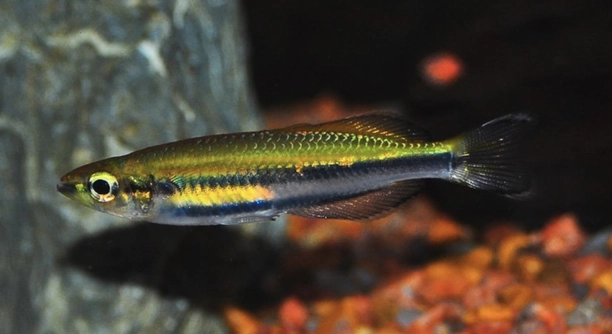
Have you ever noticed your rainbowfish suddenly swimming alone instead of moving together in a school? This change can feel worrying, especially when they usually stick closely with each other. It can happen unexpectedly in home aquariums.
Rainbowfish may stop schooling overnight due to stress, changes in water quality, illness, or disruptions in their environment. Such factors can affect their behavior immediately, causing them to separate from the group for safety or comfort.
Observing these changes early is important, as understanding the cause can help restore normal behavior and ensure your rainbowfish remain healthy and active.
Common Environmental Changes Affecting Rainbowfish
When I first noticed my rainbowfish scattering, I realized the water temperature had shifted slightly after a heater malfunction. Even small changes in water chemistry, such as pH swings or increased ammonia, can make rainbowfish uneasy. They are sensitive to their surroundings, and any sudden alteration can trigger immediate behavioral changes. Bright lights, loud noises, or new tank decorations can also make them feel unsafe, prompting them to swim alone. Additionally, overcrowding or introducing aggressive tank mates can cause stress, which often leads to schooling behavior breaking down. Observing your tank regularly and keeping conditions stable helps prevent these sudden disruptions. Proper filtration and careful monitoring of water parameters are essential. Even subtle stress signals, like hiding or erratic swimming, often appear before they stop schooling entirely. Recognizing these signs early makes it easier to intervene and restore balance in the tank. Consistent care creates an environment where rainbowfish feel secure.
Maintaining steady water temperature and cleanliness greatly reduces stress and keeps rainbowfish schooling as usual.
Creating a calm environment involves monitoring both physical conditions and tank dynamics. Avoid sudden temperature changes, and check water quality frequently. Keep decorations and plants consistent to provide familiar hiding spots. Observing interactions among fish helps detect bullying or dominance issues early. Ensuring the tank is not overcrowded allows rainbowfish to feel safe and maintain group cohesion. Lighting should mimic natural cycles to reduce stress, and loud disturbances should be minimized. By paying attention to these details, the overall health of the fish improves. Stress reduction not only promotes schooling but also enhances coloration and activity. Regular feeding schedules and quality food also support behavior stability. Over time, a well-maintained environment encourages fish to return to their natural patterns, including schooling together consistently. Small changes can have big effects, so vigilance is key in keeping rainbowfish happy and active.
Illness and Behavioral Shifts
Sometimes, health issues cause rainbowfish to swim separately.
Illness can disrupt schooling almost immediately. Parasites, bacterial infections, or internal issues weaken the fish, making them less inclined to follow the group. Even minor infections can trigger isolation behavior as the affected fish conserves energy or avoids potential aggression from healthier tank mates. Observing physical signs, like faded colors, clamped fins, or labored breathing, can indicate health problems before behavior changes become severe. Quarantining affected fish and treating the tank promptly helps prevent the spread of disease. Regular health checks, clean water, and a balanced diet all play a role in preventing illness-related behavioral changes. Understanding the link between health and social behavior ensures rainbowfish maintain their natural schooling tendencies.
Stress from Tank Changes
Even small changes in the tank can stress rainbowfish. Moving decorations, adding new fish, or altering the light can make them swim separately.
I once added a small plant, and suddenly my rainbowfish started isolating themselves. Stress can come from subtle disturbances that seem harmless. When fish feel unsafe, they often leave the school to find a secure spot. Changes in water flow or introducing unfamiliar items can trigger this behavior. Observing their reactions to adjustments helps identify what causes discomfort. Keeping changes gradual allows rainbowfish to adapt without disrupting their natural schooling pattern. Stability in the tank environment supports both mental and physical well-being.
Stress affects appetite and activity too. Fish under pressure may eat less or become sluggish, further increasing isolation. Ensuring water parameters remain steady, maintaining familiar hiding spots, and adding new elements slowly reduces stress. Regular observation helps catch early signs before behavior worsens. Adjustments should be done cautiously, allowing fish to acclimate. Consistent routines and calm surroundings encourage rainbowfish to feel secure and return to normal schooling behavior naturally.
Social Dynamics and Aggression
Aggressive behavior from tank mates can force rainbowfish to swim alone.
Rainbowfish rely on social harmony. Introducing more dominant fish or overcrowding can create tension. A fish that feels threatened may separate to avoid conflict. Even subtle bullying affects their schooling. Observing interactions can prevent long-term behavioral issues.
When aggression is present, weaker rainbowfish may hide or occupy corners of the tank. Over time, this separation can become a habit, disrupting natural group patterns. Adjusting tank population, providing ample hiding spaces, and monitoring feeding routines helps maintain balance. Each fish needs room to swim comfortably, reducing territorial disputes. Correcting social stress early prevents prolonged isolation and promotes group cohesion, helping rainbowfish feel secure again.
Sudden Water Quality Issues
A sudden spike in ammonia or nitrites can make rainbowfish uneasy. Poor water quality often causes them to leave the school and hide.
Regular testing and partial water changes help prevent dangerous fluctuations. Clean, stable water keeps rainbowfish healthy and comfortable in the tank.
Temperature Fluctuations
Rainbowfish are sensitive to temperature changes. Even a few degrees difference can disrupt schooling behavior. Consistent heating and monitoring are key. Sudden cold drafts or heater failures often lead to isolation. Maintaining a stable temperature range prevents stress and keeps the fish moving together naturally.
Diet and Feeding Stress
Improper feeding can affect rainbowfish behavior. Irregular schedules or poor nutrition make them less active and more likely to separate. Feeding balanced food on a consistent schedule supports health and encourages normal schooling patterns, reducing stress and promoting active social behavior.
Light and Noise Disturbances
Bright lights or loud noises can startle rainbowfish. Sudden environmental changes make them feel unsafe, causing temporary separation from the group. Consistent lighting cycles and a calm environment help maintain normal schooling behavior and reduce stress.
Why did my rainbowfish suddenly stop schooling?
Rainbowfish may stop schooling suddenly due to stress, illness, or environmental changes. I’ve noticed even small shifts in water temperature or lighting can cause them to separate. Stressful situations, like new tank mates or decorations, often trigger this behavior immediately. Observing the tank carefully can help identify the specific cause and allow timely correction to bring them back together.
Can water quality really affect schooling behavior?
Yes, poor water quality has a big impact. Elevated ammonia, nitrite, or nitrate levels can make rainbowfish uncomfortable and unsafe, causing them to leave the school. I always test my water regularly and perform partial water changes to maintain stability. Clean, balanced water encourages healthy activity and schooling behavior, while neglect can quickly disrupt group cohesion.
How does temperature influence rainbowfish behavior?
Rainbowfish are sensitive to even slight temperature changes. A heater malfunction or cold draft can make them feel unsafe. When I had a sudden drop in my tank, my fish immediately scattered and hid. Keeping a stable temperature within the ideal range helps maintain their comfort, activity, and natural schooling patterns.
Can diet affect whether rainbowfish school or not?
Yes, feeding plays a role in their behavior. Irregular feeding times or poor nutrition can reduce energy levels, making rainbowfish less likely to follow the group. I noticed my fish were more active and stayed together when I provided a balanced diet at consistent times. Healthy nutrition supports both physical well-being and natural social behavior.
Do tank mates influence schooling behavior?
Aggressive or territorial fish can disrupt rainbowfish groups. When I added a more dominant species, my rainbowfish started isolating themselves to avoid conflict. Providing enough space, hiding spots, and compatible companions reduces tension, allowing rainbowfish to return to normal schooling behavior without stress. Monitoring interactions regularly is important.
What signs indicate stress or illness in rainbowfish?
Fading colors, clamped fins, erratic swimming, and hiding are common stress indicators. Illness often leads to isolation from the school. I always check for physical symptoms and monitor behavior closely. Early detection and prompt treatment, along with stable tank conditions, can prevent long-term problems and restore normal schooling patterns.
How can I reduce stress in my aquarium?
Minimizing sudden changes in temperature, water quality, or lighting helps rainbowfish feel secure. I also keep decorations consistent and maintain calm surroundings. Gradual introductions of new fish or plants prevent shock. Stable routines and a well-maintained environment significantly reduce stress, encouraging the fish to maintain their natural schooling behavior.
Are there permanent reasons rainbowfish might stop schooling?
Some chronic illness or long-term aggression issues can lead to persistent separation. In my experience, addressing underlying problems early usually restores normal behavior. Ensuring proper tank conditions, compatible tank mates, and good nutrition helps prevent permanent disruptions. Most cases of schooling disruption are reversible with careful attention.
Can overcrowding affect rainbowfish schooling?
Overcrowded tanks increase stress and competition, leading to separation. When I reduced my fish population slightly, schooling behavior improved immediately. Providing adequate space ensures each fish has room to swim comfortably and maintain social structure. Overcrowding can also increase aggression, further discouraging group cohesion.
How long does it take for rainbowfish to return to normal schooling?
Recovery time varies depending on the cause. In cases of stress or minor environmental changes, fish may regroup within hours or days. Illness or long-term aggression might require more intervention. I always give my fish time to adjust and monitor closely, adjusting conditions gradually to restore comfort and encourage natural schooling behavior.
Rainbowfish are naturally social creatures, and seeing them swim together is one of the most rewarding parts of keeping them. When they suddenly stop schooling, it can be worrying, but it’s often a signal that something in their environment has changed. Small disruptions in water quality, temperature, or lighting can cause immediate behavioral changes. Even minor stressors, like adding a new plant or moving decorations, can make them feel unsafe. By observing their behavior and monitoring tank conditions, it’s easier to spot problems early and address them before they become serious. Keeping the tank stable, with clean water and a comfortable environment, goes a long way toward helping rainbowfish feel secure and return to their normal schooling patterns naturally.
Health is another key factor that affects schooling. Illness, parasites, or other medical issues can cause rainbowfish to isolate themselves. Signs like faded colors, clamped fins, or labored breathing often appear alongside behavioral changes. Quarantining affected fish and providing proper treatment can prevent illness from spreading to the rest of the school. A balanced diet and consistent feeding schedule also support overall health, giving the fish the energy they need to stay active and social. Paying attention to these details can make a big difference in both their behavior and long-term well-being. Healthy, well-fed rainbowfish are more likely to swim together, display bright colors, and show normal activity levels, making the aquarium more enjoyable to watch.
Environmental stress, social dynamics, and care routines all interact to influence rainbowfish behavior. Overcrowding or aggressive tank mates can force some fish to separate, while sudden changes in lighting, water flow, or temperature can create temporary fear. Maintaining a calm, consistent environment reduces stress and encourages natural schooling. Providing hiding spaces, observing interactions, and gradually introducing new tank mates or decorations helps rainbowfish feel safe. By addressing water quality, health, and social factors together, it’s possible to restore normal behavior and maintain a harmonious aquarium. Consistency, patience, and careful observation are the best tools to ensure rainbowfish continue schooling happily, giving both the fish and their keeper a healthier, more balanced experience.

Hello,
If you enjoy the content that we create, please consider saying a "Thank You!" by leaving a tip.
Every little bit helps us continue crafting quality advice that supports the health, happiness, and well-being of pets around the world, for pets of all shapes, sizes, and species.
We really appreciate the kindness and support that you show us!