
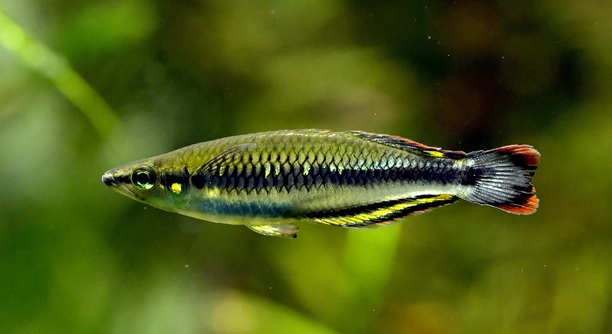
Keeping a fish tank clean and visually appealing is important, but it is equally essential to provide a stimulating environment for your aquatic pets. A well-arranged tank can encourage natural behaviors and overall health.
Enhancing tank stimulation involves adding varied decorations, live plants, hiding spots, and interactive elements. These modifications encourage exploration, reduce stress, and promote natural behaviors, contributing to both the physical and mental well-being of the fish within the aquatic environment.
Implementing simple changes can transform your tank from plain to engaging, ensuring your fish remain active, healthy, and comfortable in their surroundings.
Add Varied Decorations
Adding decorations of different shapes, sizes, and textures can make a tank much more stimulating for fish. Rocks, driftwood, and artificial ornaments provide hiding spots and break up open space, which encourages natural swimming patterns. Fish often enjoy exploring tunnels or weaving around structures, which reduces boredom and stress. Carefully arranging decorations also helps mimic natural habitats, giving fish areas to rest, forage, or play. It is important to leave enough open space for swimming while still creating a visually interesting environment. Rotate or change decorations occasionally to keep the environment fresh and engaging. Decorations should be safe and non-toxic to ensure the health of all aquatic inhabitants. The combination of structure and open swimming areas enhances overall tank activity, making fish more active and vibrant.
Varied decorations not only improve aesthetics but also encourage fish to explore, play, and engage in natural behaviors, which is essential for their well-being.
Small changes in tank layout can have a big impact. Observing how fish interact with new ornaments reveals their preferences and habits. Introduce plants, rocks, and caves gradually, allowing fish to adjust. Avoid overcrowding, as excessive decoration can restrict movement. The key is balance—create stimulating areas while leaving sufficient open space for swimming. Safe, non-toxic materials ensure health is not compromised. Regularly changing or rotating decorations keeps the environment interesting over time, promoting activity and curiosity. Active fish are healthier, exhibit natural behaviors, and display brighter colors. Simple decoration adjustments can transform a static tank into a lively, engaging habitat that supports both mental and physical well-being.
Incorporate Live Plants
Live plants add more than beauty to a tank; they improve water quality and provide hiding spots. Fish feel safer among plants and use them for exploring, resting, or nibbling.
Incorporating live plants helps maintain water quality, reduces stress, and encourages natural behaviors, supporting healthier and more active fish.
Choosing the right plants is essential for tank conditions and fish compatibility. Fast-growing species like hornwort or water wisteria help absorb excess nutrients, preventing algae overgrowth. Rooted plants like Amazon swords or crypts provide shelter and breeding areas, while floating plants create shaded regions for shy species. Plant placement matters—taller plants at the back and sides create depth, leaving open swimming areas in the center. Regular pruning ensures plants remain healthy and do not overcrowd the tank. Live plants also contribute to oxygen levels, benefiting fish respiration. Integrating plant varieties of different shapes and heights enhances visual appeal while offering stimulation. Observing how fish interact with plants—hiding, foraging, or nibbling—can guide adjustments for maximum engagement. This natural setup supports both physical activity and mental enrichment, creating a balanced aquatic environment.
Provide Hiding Spots
Hiding spots reduce stress and give fish a sense of security. Caves, tunnels, and dense plant clusters allow fish to retreat and explore at their own pace.
Providing hiding areas encourages natural behavior such as foraging, resting, and territorial displays. Fish can use caves, ceramic ornaments, or rock formations to create secure zones. Even shy species benefit from access to covered spaces, which helps reduce aggression among tank mates. Rotating or rearranging hiding spots occasionally keeps the environment dynamic, promoting curiosity and exploration. Proper placement is important—avoid overcrowding open swimming areas while ensuring each fish has access to at least one retreat. Well-planned hiding spaces improve overall mental and physical health.
Hiding spots also stimulate natural instincts. Fish use them for resting, exploring, or establishing territories. Multiple options and rotation enhance activity, making the tank engaging.
Introduce Interactive Elements
Interactive elements such as floating toys, tunnels, or food-dispensing devices engage fish mentally and physically. These items encourage active exploration and problem-solving, preventing boredom in confined spaces.
Interactive items help simulate challenges fish face in nature, providing mental stimulation. Floating objects, tunnels, or small obstacle courses encourage swimming, investigation, and agility. Food-dispensing devices make feeding more engaging, as fish must work to obtain their meal. This activity mimics natural foraging behavior, increasing physical exercise and reducing lethargy. Items should be safe, non-toxic, and appropriately sized for the species. Rotating or changing interactive objects keeps the environment fresh, maintaining long-term interest and activity levels. Well-chosen elements support both mental enrichment and physical fitness.
Integrating interactive components requires careful observation. Monitor how fish respond and adjust placement or type of objects for optimal engagement. Avoid overcrowding and ensure safe, durable materials. Regular updates or changes maintain novelty. Interactive elements stimulate curiosity, encourage swimming, and promote healthy habits. This strategy keeps fish active and reduces stress, creating a dynamic environment that supports natural behaviors and overall well-being.
Use Varied Substrates
Different substrates offer sensory and physical stimulation for fish. Sand, gravel, and small pebbles allow for digging, burrowing, and natural foraging behaviors.
Changing substrate textures encourages exploration and prevents monotony. Fish can interact with the bottom environment, uncovering hidden areas and improving mental engagement.
Adjust Lighting
Lighting affects fish activity and plant growth. Using a combination of dim and bright areas replicates natural conditions and encourages exploration.
Proper light cycles also support circadian rhythms, helping fish remain active during the day and rest at night.
Rotate Tank Layout
Regularly changing the arrangement of decorations, plants, and hiding spots keeps the environment engaging. Fish respond to new layouts by exploring and interacting with their surroundings more actively.
Add Flow Variation
Altering water flow creates different swimming challenges. Currents from filters or pumps encourage fish to exercise and navigate, promoting strength and agility.
FAQ
How often should I change the tank layout?
Changing the tank layout every few weeks can help keep fish engaged and prevent boredom. Gradual adjustments, such as moving decorations or hiding spots, allow fish to adapt without causing stress. Avoid frequent drastic changes that may disorient or frighten them.
What types of decorations are best for stimulation?
A mix of rocks, caves, driftwood, and artificial ornaments works well. Ensure items are smooth and non-toxic. Including different shapes and textures encourages exploration, hiding, and interaction, supporting natural behaviors and overall well-being.
Can live plants really make a difference?
Yes, live plants improve water quality and provide hiding and resting spaces. Fish often interact with plants by nibbling, swimming through, or using them as shelter. Plants also support oxygen levels, creating a healthier and more stimulating environment.
Are hiding spots necessary for all fish species?
Most fish benefit from hiding spots, especially shy or territorial species. Providing caves, dense plants, or tunnels reduces stress and offers safe retreats. Even active species use these areas for rest and temporary seclusion.
How can I make feeding more engaging?
Use food-dispensing devices or scatter feeding methods. These techniques encourage foraging and problem-solving, mimicking natural hunting behavior. Rotating feeding methods and locations keeps fish mentally stimulated and physically active.
Does substrate type affect stimulation?
Yes, varying substrate types, such as sand, gravel, or pebbles, allow fish to dig, burrow, or forage. Different textures and depths promote exploration and prevent a monotonous tank floor.
How important is lighting for fish activity?
Lighting helps regulate circadian rhythms and encourages natural activity. Providing areas with both dim and bright light replicates natural habitats. Adjusting light intensity and duration supports healthy behavior and plant growth.
Should I rotate interactive elements?
Yes, rotating tunnels, floating toys, and obstacles maintains novelty. Fish explore and interact more with new or repositioned objects. Gradual rotation keeps them engaged without overwhelming them.
Can water flow variation improve stimulation?
Adjusting currents from pumps or filters encourages swimming and strengthens muscles. Varying flow creates natural challenges, promoting agility, exercise, and overall health.
How do I know if fish are enjoying the changes?
Observe activity levels, interactions with decorations, and overall behavior. Active, curious fish that explore, hide, and forage demonstrate engagement. Changes in color brightness and reduced stress indicators also signal a positive response.
Is it safe to combine multiple stimulation methods?
Combining varied decorations, live plants, hiding spots, interactive elements, and substrate diversity is safe if done thoughtfully. Avoid overcrowding and ensure water quality remains stable. A balanced approach maximizes mental and physical engagement.
Can older fish adapt to new stimulation?
Yes, older fish can benefit from new environments and objects. Introduce changes gradually, allowing them to explore at their own pace. Even subtle modifications improve activity and reduce stress.
How do I maintain stimulation without stressing the fish?
Introduce changes slowly, avoid overcrowding, and monitor behavior. Ensure all elements are safe and compatible with species. Providing a mix of hiding spots, open swimming areas, and interactive features encourages natural activity while minimizing stress.
Are artificial decorations as effective as natural ones?
Artificial decorations can be effective if safe and varied. Natural materials like rocks and driftwood often provide additional sensory benefits, but well-designed artificial ornaments still encourage exploration and interaction.
Can stimulation improve fish health?
Yes, a stimulating environment encourages movement, reduces stress, and supports natural behaviors. Active fish tend to have better immune function, more vibrant colors, and improved overall health.
How do I keep stimulation consistent over time?
Rotate decorations, vary substrate, adjust lighting, and introduce new interactive elements periodically. Observing fish responses ensures the tank remains engaging, preventing boredom and promoting long-term well-being.
What common mistakes should I avoid?
Avoid overcrowding, using unsafe materials, and making sudden drastic changes. Neglecting water quality or creating areas where fish cannot swim freely can counteract stimulation benefits. Balance is key for a healthy, engaging environment.
How can I make small tanks stimulating?
Even small tanks benefit from vertical space, small hiding spots, plants, and substrate variation. Focus on creative use of space rather than quantity, ensuring fish have areas to explore and retreat.
Do all fish enjoy the same types of stimulation?
No, species preferences vary. Some prefer dense plants and hiding spots, while others enjoy open swimming areas and flowing currents. Observing behavior helps tailor the environment to individual needs.
How can I tell if changes are improving mental stimulation?
Active swimming, frequent exploration, reduced hiding due to stress, and interaction with decorations are signs of improved mental engagement. Fish that display natural behaviors and remain alert indicate positive stimulation.
Is it necessary to combine plants, decorations, and flow changes?
While not mandatory, combining multiple methods enhances engagement. Each element targets different senses and behaviors, creating a dynamic and enriching tank that benefits both mental and physical health.
How often should I monitor fish behavior after changes?
Observe fish daily, especially after introducing new elements. Monitor swimming patterns, interactions, and stress indicators. Regular observation ensures adjustments are effective and fish remain healthy and stimulated.
Can fish get bored if the tank never changes?
Yes, stagnant environments reduce activity and mental engagement. Lack of stimulation can lead to stress, lethargy, or aggression. Periodic changes and environmental variety are essential for maintaining an active and healthy tank.
What is the simplest way to add stimulation without major changes?
Small adjustments like moving decorations, adding a new hiding spot, or slightly altering water flow provide mental and physical stimulation. These simple steps can significantly improve fish activity without major tank overhauls.
How do I balance safety and stimulation?
Select non-toxic, smooth materials and avoid overcrowding. Ensure swimming space is sufficient, monitor water quality, and introduce changes gradually. A safe environment allows fish to explore and engage without risk.
Can stimulation help reduce aggressive behavior?
Yes, providing hiding spots, varied spaces, and interactive elements reduces territorial disputes. Engaged fish spend more time exploring and interacting positively, which can lower aggression and stress.
How long does it take for fish to adapt to changes?
Adaptation varies by species and individual temperament. Most fish adjust within days to weeks. Gradual introduction of new elements helps them explore confidently and benefit from increased stimulation.
Are DIY decorations effective for stimulation?
Yes, homemade decorations can be effective if safe and non-toxic. Smooth rocks, clay structures, or PVC tunnels offer variety and interactive opportunities, allowing for creative and budget-friendly options.
How can I involve children safely in creating stimulation?
Children can help rearrange safe decorations, plant aquatic plants, or place non-toxic ornaments. Supervised involvement teaches responsibility and encourages observation of fish behavior while ensuring tank safety.
What signs indicate over-stimulation?
Excessive hiding, frantic swimming, or aggression can indicate stress from too many changes. Gradually reintroduce elements and monitor fish to maintain a balanced and enriching environment.
Does tank size affect stimulation strategies?
Yes, larger tanks allow for more decorations, hiding spots, and flow variation. Smaller tanks require careful planning to avoid overcrowding while still providing interactive and engaging elements.
Can stimulation help improve fish breeding?
Yes, providing natural hiding spots, plants, and varied substrates encourages mating behavior. Enriched environments reduce stress, improving overall health and readiness for breeding.
How do I maintain stimulation long-term?
Rotate decorations, adjust lighting, prune plants, and vary substrates periodically. Observe fish regularly, make gradual changes, and ensure safety to sustain engagement, activity, and health over time.
Are there species that require minimal stimulation?
Some hardy, less active species may not need extensive enrichment, but all fish benefit from at least basic hiding spots, open swimming space, and varied surroundings for mental and physical well-being.
Can stimulation improve color and vibrancy?
Yes, active and mentally engaged fish often display brighter colors. Reduced stress and increased activity contribute to better overall appearance and health.
Is it better to introduce all changes at once or gradually?
Gradual changes are best. Introducing multiple elements slowly reduces stress, allows fish to explore, and ensures they adapt comfortably to each new feature. Gradual adjustments maintain a positive and engaging environment.
How do I choose interactive elements for different species?
Observe species-specific behaviors. Some enjoy swimming through tunnels, while others prefer foraging challenges. Match elements to natural instincts to maximize mental and physical stimulation.
Can tank mates affect stimulation effectiveness?
Yes, compatible species interact more positively with decorations and plants. Aggressive or overly shy species may need tailored hiding spots or separate areas to ensure stimulation benefits all inhabitants.
How often should I clean and maintain stimulated areas?
Regular cleaning prevents algae, debris buildup, and plant decay. Maintaining decorations, substrate, and interactive elements ensures long-term effectiveness and keeps the environment healthy and engaging.
Can adding stimulation reduce disease risk?
Indirectly, yes. Active, unstressed fish have stronger immune systems. Engagement through exploration, hiding, and interactive elements supports overall health, making fish more resilient to illness.
What is the most effective single change for stimulation?
Adding a variety of hiding spots is often the simplest and most impactful way to immediately increase engagement, reduce stress, and promote natural behaviors in a tank environment.
Can older or less active fish still benefit from stimulation?
Yes, even less active fish enjoy exploring new hiding spots, plants, or substrate changes. Gradual introduction ensures they can engage at their own pace without stress.
How do I measure if stimulation methods are successful?
Look for increased activity, exploration, interaction with decorations, and natural behaviors. Reduced stress, improved color, and alertness indicate successful environmental enrichment.
Are there budget-friendly ways to increase stimulation?
Yes, rearranging existing decorations, using inexpensive rocks, DIY caves, and adding plants gradually can provide meaningful engagement without high costs. Regular small changes maintain novelty and activity.
Can stimulation reduce aggression in community tanks?
Yes, providing multiple hiding spots, plant clusters, and open swimming areas reduces territorial disputes. Engaged fish are less likely to exhibit aggressive or stressed behavior.
How long should interactive elements remain before rotation?
Keep elements in place for several weeks to allow exploration, then rotate or reposition gradually. This maintains novelty and continues mental stimulation without overwhelming fish.
Can stimulation methods differ between freshwater and saltwater tanks?
Yes, freshwater and saltwater species have different behaviors and habitat needs. Choose decorations, plants, and interactive elements suited to species and water conditions to maximize engagement.
What is the overall benefit of a stimulating tank?
A stimulating tank encourages exploration, natural behaviors, and mental engagement. Fish remain active, healthy, and less stressed, contributing to longevity, vibrant appearance, and overall well-being.
How can I combine multiple methods safely?
Balance decorations, plants, hiding spots, interactive items, and flow variation without overcrowding. Introduce changes gradually, ensure safety, and monitor fish behavior to maintain an engaging, healthy tank environment.
Can stimulation methods evolve as fish grow?
Yes, as fish mature, adjust hiding spots, decorations, and interactive elements to suit size, activity levels, and changing behaviors. Continuous adaptation ensures long-term engagement and enrichment.
Is it possible to overstimulate fish?
Yes, overcrowding, excessive flow, or too many changes can cause stress. Monitor behavior carefully and make gradual adjustments to maintain a balanced and enriching environment.
How do I choose which methods to implement first?
Start with hiding spots, varied substrate, and live plants. Observe fish responses, then gradually add interactive elements, flow variation, and lighting adjustments for progressive enrichment.
Are there any risks to using multiple enrichment methods simultaneously?
Only if overcrowding occurs or unsafe materials are used. Careful planning, gradual introduction, and monitoring prevent negative effects while providing diverse stimulation.
Can enrichment improve social interactions among fish?
Yes, properly designed spaces allow fish to establish territories, explore together, and engage in natural social behaviors, reducing conflict and promoting positive interaction.
What is the most overlooked form of stimulation?
Substrate variety and flow variation are often overlooked but can significantly impact natural behavior, activity levels, and mental engagement in a tank environment.
How do I maintain balance between open swimming space and stimulation?
Ensure decorations, plants, and hiding spots do not restrict movement. Open swimming areas combined with interactive zones allow exploration, exercise, and stress reduction while maintaining engagement.
Are all fish equally responsive to environmental enrichment?
No, species and individual temperament affect response. Observing behavior helps identify which methods are most effective for each fish, ensuring targeted stimulation and positive outcomes.
Can stimulation improve longevity?
Yes, reduced stress, increased activity, and mental engagement contribute to better health, making fish more resilient and potentially extending their lifespan.
How can I tell if the tank is overstimulated?
Look for frantic swimming, hiding, aggression, or lethargy. Gradually reduce complexity or flow to restore a balanced and healthy environment.
Is it necessary to document changes and observe reactions?
Documenting adjustments and responses helps track what works, prevents repeated mistakes, and ensures each method positively contributes to fish engagement and health.
Do interactive feeding tools work for all species?
Most species benefit, but tools should match size, behavior, and natural foraging instincts. Observation ensures safe and effective use.
Can rotating plants alone provide sufficient stimulation?
Yes, repositioning plants changes hiding spots, swimming paths, and shading, creating mental engagement and encouraging exploration without adding extra decorations.
Are there seasonal adjustments to stimulation methods?
Adjust lighting duration, plant growth, and flow to reflect seasonal conditions. These subtle changes maintain a natural rhythm and ongoing engagement throughout the year.
What is the easiest way to assess tank enrichment?
Observe fish daily for activity, curiosity, color vibrancy, and natural behaviors. Positive engagement indicates effective environmental enrichment and overall well-being.
How long should I wait to see results after introducing stimulation?
Most fish show changes within days to weeks. Increased activity, exploration, and interaction with decorations indicate successful adaptation.
Are there specific tools to monitor stimulation effectiveness?
Behavior observation, activity tracking, and video monitoring are effective. Noting interactions with plants, decorations, and feeding tools helps measure engagement and adjust enrichment strategies.
Can young fish benefit from stimulation as much as adults?
Yes, young fish develop natural behaviors and activity patterns through exploration and interaction, preparing them for healthy adult life. Gradual enrichment ensures proper adaptation.
Does tank temperature influence stimulation effectiveness?
Yes, maintaining appropriate temperatures supports normal activity levels and responsiveness to environmental changes, ensuring fish engage with enrichment elements.
Can substrate rotation alone keep fish engaged?
Substrate rotation provides new textures and foraging opportunities, keeping fish mentally active. Combining with decorations and plants enhances overall stimulation.
How do I prioritize enrichment if space is limited?
Focus on vertical space, essential hiding spots, and interactive elements. Rotate items regularly and ensure swimming room to maximize stimulation in smaller tanks.
Can overfeeding reduce stimulation benefits?
Yes, passive feeding without activity can lead to lethargy. Interactive feeding encourages movement and mental engagement, maintaining stimulation benefits.
Is it better to introduce multiple enrichment methods gradually or all at once?
Gradual introduction is best. Fish adjust more comfortably, reducing stress and allowing observation of responses to each element. Incremental changes maintain engagement without overwhelming the tank.
How do I know if interactive objects are safe?
Ensure non-toxic, smooth surfaces with no sharp edges or small parts that could be swallowed. Proper sizing and monitoring prevent injury and maintain safe engagement.
Can stimulation methods compensate for small tank size?
Yes, thoughtful placement of hiding spots, plants, substrate variety, and interactive elements can create a rich and engaging environment even in limited space.
Do fish prefer certain types of flow patterns?
Species-specific preferences exist. Some enjoy steady currents, while others prefer gentle, varied flows. Observing swimming patterns helps tailor flow adjustments for stimulation.
Can stimulation affect feeding habits?
Yes, engaging environments encourage active foraging and natural behaviors. Interactive feeding promotes movement, reduces stress, and prevents obesity from passive feeding.
Is enrichment more effective in community tanks or single-species tanks?
Both benefit, but community tanks require careful consideration of hiding spots and territory to ensure all species can access stimulation safely. Single-species tanks allow more targeted enrichment strategies.
Can water quality impact stimulation effectiveness?
Yes, poor water quality can stress fish, reducing activity and engagement. Maintaining clean, balanced conditions ensures fish can fully benefit from enrichment methods.
How do I prevent fish from destroying decorations or plants?
Choose durable, non-toxic materials and observe species-specific behavior. Fast-growing or resilient plants and sturdy ornaments withstand interaction while providing ongoing stimulation.
Can stimulation methods evolve over a fish’s lifespan?
Yes, adjust hiding spots, substrate, flow, and interactive elements to match growth, activity level, and changing behaviors. Continuous adaptation maintains engagement and health.
Are there any enrichment methods that require minimal maintenance?
Simple hiding spots, a few live plants, and substrate variation offer ongoing engagement with limited upkeep. Small, safe interactive elements can also provide stimulation without high maintenance demands.
Can stimulation help reduce stress from tank changes?
Yes, a well-structured, enriched environment provides comfort and engagement, reducing stress during water changes, rearrangements, or the introduction of new tank mates.
Is it important to consider fish personality when adding stimulation?
Yes, shy or timid species may prefer denser hiding spots, while active species benefit from open areas and flow challenges. Tailoring enrichment ensures all fish engage comfortably.
Can enrichment influence breeding behavior?
Yes, providing natural shelters, substrate variety, and plants encourages mating rituals and reduces stress, supporting healthier reproduction and juvenile survival.
Are there signs that stimulation is no longer effective?
Reduced exploration, lethargy, or repetitive behaviors indicate declining engagement. Rotating elements, changing layouts, or introducing new features can renew interest and activity.
Can DIY enrichment be as effective as store-bought options?
Yes, safe homemade caves, tunnels, or foraging devices can stimulate exploration and natural behaviors effectively, offering budget-friendly enrichment alternatives.
How do I balance mental and physical stimulation?
Combine hiding spots, plants, substrate, and interactive elements with open swimming areas and moderate flow. Balanced environments promote activity, curiosity, and overall well-being.
Can lighting changes act as enrichment?
Yes, varied light intensity, shaded areas, and natural day-night cycles encourage exploration, reduce stress, and promote plant growth, enhancing overall tank stimulation.
Do enrichment strategies differ for freshwater and saltwater tanks?
Yes, species-specific behaviors, plant options, and material compatibility differ. Tailor enrichment to the type of tank while maintaining safety and engagement.
How long should I observe fish before making adjustments?
Monitor for several days to a week to assess activity, stress levels, and interactions with enrichment
Creating a stimulating tank is essential for the well-being of fish. A tank is not just a decorative feature; it is a living space where fish need opportunities to explore, hide, and interact with their surroundings. Providing varied decorations, live plants, hiding spots, and interactive elements allows fish to display natural behaviors. These simple adjustments can make a significant difference in their daily activity and mental engagement. By thinking about the environment from the perspective of the fish, it becomes easier to create a balanced space that promotes both health and comfort. Observing fish behavior closely can guide decisions about where to place objects, which types of plants to use, and how to arrange hiding spots effectively.
A well-stimulated tank benefits both the mental and physical health of fish. Active fish tend to be more vibrant in color and display behaviors that indicate reduced stress and improved overall health. Introducing changes gradually ensures that fish are comfortable and not overwhelmed by too many new features at once. Using different substrate types, adjusting lighting, and including elements that encourage swimming and foraging all contribute to a more engaging environment. Even small changes, such as rotating decorations or adding a single new hiding spot, can increase activity and prevent boredom. Over time, these efforts help fish remain alert and curious, while also encouraging social interaction and natural territorial behaviors in species that need it.
Maintaining a stimulating tank requires regular observation and adjustments. Fish are individuals, and their preferences or activity levels may change over time. Rotating decorations, pruning plants, or adjusting water flow can maintain novelty and keep the environment engaging. Consistency in water quality, temperature, and safety of decorations is equally important to ensure that stimulation does not come at the cost of health. By paying attention to these details, a tank can remain a dynamic and supportive habitat. A well-designed environment is not only beneficial for the fish but also rewarding for the caretaker, providing an opportunity to watch natural behaviors and enjoy the liveliness of a healthy, active aquatic ecosystem.

Hello,
If you enjoy the content that we create, please consider saying a "Thank You!" by leaving a tip.
Every little bit helps us continue crafting quality advice that supports the health, happiness, and well-being of pets around the world, for pets of all shapes, sizes, and species.
We really appreciate the kindness and support that you show us!