
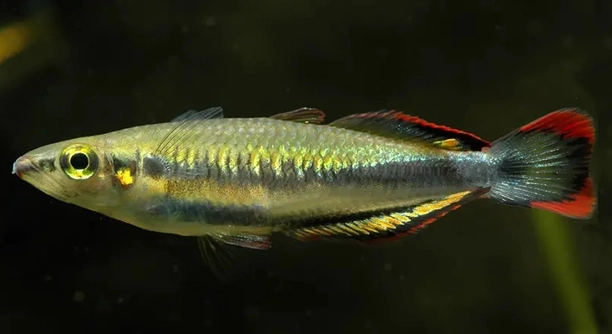
Rainbowfish are lively, colorful fish that brighten up any aquarium. Their behavior and preferences make them interesting to observe, especially when it comes to how they interact with different tank decorations. Watching them explore is quite engaging.
Rainbowfish show clear preferences for certain decorations based on shelter, swimming space, and visual stimulation. They tend to favor plants and open areas that mimic natural habitats while avoiding overly cluttered or sharp-edged ornaments that may cause stress or injury.
Learning which decorations appeal most to rainbowfish can improve their well-being and create a more harmonious aquarium environment for all inhabitants.
Understanding Rainbowfish Behavior
Rainbowfish are active swimmers who enjoy a mix of hiding spots and open areas. They feel safer when they have plants or smooth rocks to shelter behind. At the same time, they need space to move freely and display natural behaviors like schooling. Decorations with sharp edges or narrow gaps can be stressful and may lead to injuries. Bright colors or reflective surfaces often attract their attention, encouraging exploration. They also respond to subtle changes in the tank, such as new ornaments or rearrangements, which can influence their comfort level. Observing which areas they prefer to linger in helps you understand their needs. Balancing aesthetics with safety and space ensures the fish remain healthy, active, and visually appealing. It’s important to regularly assess the tank layout and remove anything that could pose a risk. Overall, their decoration choices are guided by comfort, safety, and the ability to swim freely.
They tend to prefer open swimming areas with plants nearby, avoiding cramped corners or sharp objects in the tank.
Noticing patterns in their behavior allows you to make small adjustments to the aquarium that improve their daily life. Consistent observation helps identify which decorations encourage natural activity, reduce stress, and foster social interaction among the fish. Items that create hiding spots without overcrowding the tank are most effective. Over time, rainbowfish can develop favorite zones, indicating areas that meet both safety and stimulation needs. A well-thought-out layout also simplifies maintenance, preventing areas where debris can accumulate or where fish might get trapped. By combining soft plants, smooth rocks, and open spaces, the tank becomes more than just a display—it becomes a habitat that respects the fish’s instincts.
Choosing the Right Decorations
Simple decorations like silk plants and smooth stones are usually best for rainbowfish.
When selecting decorations, it’s important to prioritize materials and shapes that reduce risk of injury while still providing variety. Avoid sharp plastic ornaments and rough surfaces that could damage fins or scales. Natural decorations like driftwood or rounded rocks offer both hiding spots and areas for swimming. Live plants can enhance water quality and provide cover, making the tank more comfortable. Decorations should be arranged to create open swimming paths while maintaining pockets of shelter, mimicking their natural environment. Too many items can make the tank feel crowded, causing stress or limiting movement. Observing how the fish interact with each item allows you to fine-tune the arrangement over time. Colorful or reflective objects should be used sparingly to avoid overwhelming them. Proper placement and choice of decorations improve both the health of the fish and the visual appeal of the tank. The balance between safety, activity, and stimulation is key to keeping rainbowfish thriving.
Plant Placement and Shelter
Rainbowfish feel more secure when plants are grouped in corners or along the back of the tank. They often swim in open areas but return to plants for cover when they feel threatened. Proper placement helps reduce stress and encourages natural behavior.
Using plants to create hiding spots while leaving open swimming areas is ideal. Live or silk plants can work, but live plants provide additional benefits like oxygenation and water filtration. Avoid overcrowding the tank with too many plants, as this can limit swimming space. Fish often prefer medium-height plants rather than very tall or short ones, which allows them to navigate comfortably. Rotating or rearranging plants occasionally can keep the environment stimulating, but drastic changes may cause stress. Combining soft, flexible plants with open areas mimics natural habitats and keeps rainbowfish active. Observing which plants they prefer can help refine placement for maximum comfort and safety.
Decorations that double as shelter and swimming space are best. Rocks or driftwood can create small caves and crevices without blocking paths. Smooth surfaces prevent injuries, and spacing items properly allows fish to explore while retreating when needed. Avoid sharp or thin objects that could trap fins. A mix of tall and low plants combined with rocks or driftwood gives rainbowfish options to choose their preferred areas. Their interactions with these items show their comfort level and highlight areas they may avoid. Monitoring behavior ensures the tank remains safe and stimulating. Adjusting decorations gradually helps fish adapt without stress.
Color and Visual Stimulation
Rainbowfish are attracted to subtle colors and reflective surfaces, which stimulate exploration and curiosity. Overly bright or flashy decorations can cause stress or hesitation. Keeping colors balanced supports a comfortable environment.
Colorful decorations should enhance the tank without overwhelming the fish. Gentle blues, greens, and natural tones work best, while reflective surfaces should be minimal. Mirrors or shiny objects may cause confusion or aggressive behavior. Decorations with soft contrasts encourage exploration and provide visual interest. Avoid using too many bold colors together, as rainbowfish prefer a harmonious palette similar to natural habitats. Observing which decorations they spend time near helps guide color choices. This balance between stimulation and comfort supports both mental and physical health. Placing brighter colors near open swimming areas can draw interest without creating stress.
Visual stimulation also comes from texture and shape. Smooth stones, driftwood, and plants of different heights create depth and movement in the tank. Rainbowfish respond to these features, often exploring around them and using them as reference points. Changing decorations occasionally keeps the environment dynamic, but sudden alterations can increase stress. Combining color, texture, and spacing thoughtfully ensures rainbowfish have both interest and safety. Paying attention to how they interact with various items helps refine the tank layout over time. Properly selected and positioned decorations maintain a balanced, engaging environment for active and healthy fish.
Open Swimming Areas
Rainbowfish need open areas to swim freely without obstacles. They feel less stressed when they have space to move in schools and explore their surroundings.
Keeping a balance between open areas and decorations is key. Too many ornaments can block swimming space and make fish hesitant. Open zones encourage activity and social interaction, which keeps them healthy.
Safe Decorations
Smooth, rounded rocks and driftwood are ideal for rainbowfish. Decorations should avoid sharp edges or narrow gaps that could trap fins. Proper spacing prevents overcrowding and allows fish to explore without risk. Soft plants add comfort while still leaving swimming space.
Minimal Clutter
Overcrowding the tank can make rainbowfish anxious. Limiting decorations prevents stress and keeps swimming paths clear. Maintaining minimal clutter allows the fish to move freely and feel secure.
FAQ
What types of decorations do rainbowfish prefer?
Rainbowfish prefer decorations that offer both shelter and open swimming space. Soft plants, smooth rocks, and driftwood are ideal. They enjoy medium-height plants that provide cover without blocking the tank. Decorations should mimic natural habitats and avoid sharp edges or overly dense arrangements that can stress or injure them.
Can live plants improve rainbowfish behavior?
Yes, live plants not only provide hiding spots but also improve water quality and oxygen levels. Rainbowfish often interact with live plants more than artificial ones, using them for cover and exploration. Regular trimming and proper placement maintain balance, preventing overcrowding while keeping swimming areas accessible.
Do rainbowfish like colorful decorations?
Rainbowfish respond to subtle colors and reflective surfaces, which encourage curiosity and exploration. Gentle blues, greens, and natural tones are best. Overly bright or flashy decorations can cause stress or hesitation. A balanced color palette similar to their natural habitat is ideal for visual stimulation without overwhelming them.
How should I arrange decorations in the tank?
Decorations should be arranged to create open swimming paths while offering safe hiding spots. Group plants along the back or corners and place smooth rocks or driftwood to create small caves. Avoid overcrowding, and leave plenty of space for movement. Observing fish behavior helps refine placement over time.
Are certain materials safer than others?
Yes, smooth plastic, silk plants, and natural rocks or driftwood are generally safe. Avoid sharp-edged plastic ornaments, thin objects that can trap fins, and materials that release harmful chemicals. Proper materials reduce stress and prevent injuries, ensuring a healthier environment for rainbowfish.
How much decoration is too much?
Overcrowding the tank with decorations can limit swimming space and increase stress. Rainbowfish need both open areas and hiding spots. A few well-placed plants, rocks, and driftwood are sufficient. Too many ornaments can disrupt natural behavior and make the tank harder to clean and maintain.
Do rainbowfish interact differently with decorations over time?
Yes, they often develop preferences for specific areas or items. Watching their behavior reveals which spots they use for resting, hiding, or schooling. Rotating or rearranging decorations gradually can refresh their environment, but sudden changes may increase stress. Consistent observation ensures the tank stays comfortable and stimulating.
Can decorations affect rainbowfish health?
Absolutely. Safe, well-placed decorations reduce stress and prevent injuries. Plants can improve oxygen levels and filter water, while overcrowding or sharp objects can cause harm. Choosing appropriate items and monitoring interactions promotes physical health and encourages natural behaviors like schooling and exploring.
Should reflective surfaces be avoided?
Reflective surfaces should be limited. Mirrors or shiny ornaments can confuse or overstimulate rainbowfish, sometimes triggering aggressive behavior or hesitation. Gentle visual contrasts like soft-colored decorations are more effective, providing interest without causing stress. Observing how fish react helps determine if a reflective item is suitable.
How often should I update or rearrange decorations?
Small, gradual changes are beneficial, but frequent drastic rearrangements can stress rainbowfish. Adjustments should be made based on observation, ensuring swimming paths remain open and hiding spots accessible. Occasional updates refresh the environment, keeping the fish engaged while maintaining safety and comfort.
Final Thoughts
Creating a comfortable and engaging environment for rainbowfish is all about balance. They need a mix of open swimming areas and safe hiding spots to feel secure. Decorations like smooth rocks, driftwood, and plants provide cover while allowing them to explore freely. Overcrowding the tank can make them hesitant and stressed, so spacing is important. It’s better to have a few well-chosen decorations than too many items that block swimming paths. Observing how rainbowfish move and interact with the tank helps determine which areas they prefer, allowing small adjustments to make the aquarium more suitable for their natural behaviors.
Color and texture play an important role in keeping rainbowfish interested in their environment. Subtle colors and gentle contrasts encourage exploration without overwhelming them. Bright or flashy decorations may seem attractive, but they can cause hesitation or stress in the fish. Live or silk plants offer both visual appeal and functional benefits, like cover for resting and areas to hide when they feel nervous. Combining plants of different heights with smooth rocks or driftwood creates variety and depth. Rotating or slightly adjusting decorations over time can keep the tank stimulating, but changes should be gradual so the fish can adapt without stress. Paying attention to which spots they frequent helps ensure the tank continues to meet their comfort and activity needs.
The overall goal is to create a safe, healthy, and visually pleasing habitat. Decorations are not just for looks—they influence fish behavior, stress levels, and overall well-being. Smooth surfaces, open areas, and hiding spots all contribute to healthier, more active rainbowfish. By carefully selecting materials, colors, and placement, it is possible to design an aquarium that mimics natural habitats while remaining easy to maintain. Regular observation and small adjustments allow you to see what works best for the fish and improve the tank environment over time. Focusing on their needs ensures rainbowfish remain active, happy, and visually striking in their home.

Hello,
If you enjoy the content that we create, please consider saying a "Thank You!" by leaving a tip.
Every little bit helps us continue crafting quality advice that supports the health, happiness, and well-being of pets around the world, for pets of all shapes, sizes, and species.
We really appreciate the kindness and support that you show us!