
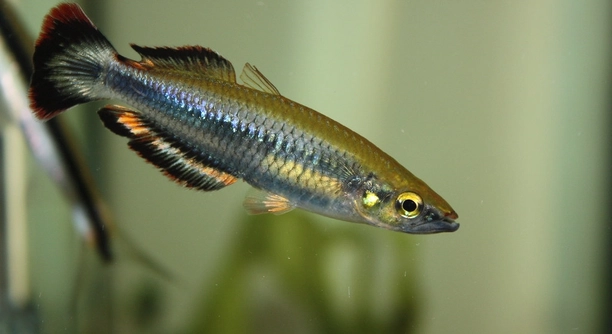
Fish can be sensitive to their surroundings, and creating a safe environment is essential for their wellbeing. Providing comfort and stability helps them thrive and reduces stress in their everyday aquatic life. A secure fish feels calm and healthy.
Fish feel most secure when their environment includes consistent water conditions, proper hiding spaces, compatible tank mates, adequate lighting, balanced nutrition, stable temperature, and minimal disturbances. Each factor contributes to their physiological comfort and overall sense of safety.
Learning how to enhance their comfort can transform your tank into a peaceful space. Small adjustments can make a noticeable difference in fish behavior.
Stable Water Conditions
Maintaining stable water conditions is key for fish to feel safe. Sudden changes in temperature, pH, or chemical levels can stress them and cause erratic behavior. Consistent filtration and regular testing help keep the water clean and balanced. Fish are highly sensitive to ammonia, nitrite, and nitrate levels, which can quickly affect their health. Frequent partial water changes support a healthy environment without shocking them. Temperature fluctuations should be minimized, especially for tropical species that need warm, steady water. Using a reliable heater and thermometer ensures the tank remains within the right range. Even small shifts in conditions can make fish hide or lose appetite. Clear water also allows them to see their surroundings and feel more secure. Plants and decorations can buffer minor changes, giving them spots to retreat. Overall, steady water conditions reduce stress, strengthen immune response, and promote natural behavior, making fish feel protected in their habitat.
Stable water conditions are the foundation for fish health and comfort, keeping their environment predictable and safe for daily life.
Keeping water stable requires attention to temperature, filtration, and chemical balance. This consistency encourages natural swimming patterns and calm interactions, supporting their long-term wellbeing.
Hiding Spaces
Hiding spaces provide fish with a sense of safety. They can retreat when feeling stressed, threatened, or tired, which lowers anxiety and aggression among tank mates. A variety of shelters, such as caves, plants, and ornaments, helps fish feel secure.
Natural hiding spots mimic conditions fish experience in the wild, encouraging normal behavior.
Providing multiple types of hiding spaces ensures that all fish in a community tank have access to a retreat when needed. Rocks stacked to form crevices, hollow decorations, and dense plants give smaller or shy fish options to escape aggression. Even larger fish benefit from areas where they can rest without interference. Hiding spaces also reduce competition for territory, making interactions calmer and more predictable. Placement of shelters near light or filtration sources allows fish to choose their preferred comfort zone. Observing your fish use these spaces can indicate their sense of security. It is important to clean and maintain these areas without disturbing the fish too often. Well-planned hiding spaces support mental health, reduce stress, and improve overall activity, helping fish feel consistently safe and confident in their tank.
Compatible Tank Mates
Choosing compatible tank mates prevents stress and aggression. Fish that get along swim calmly, eat properly, and establish a peaceful environment without constant chasing or bullying.
Compatibility depends on size, temperament, and activity level. Aggressive species can intimidate smaller or shy fish, while overly passive fish may be bullied. Keeping similar-sized fish together reduces fights and ensures all can access food without fear. Observing interactions before adding new fish helps avoid conflicts. Some fish are territorial and need personal space, while others thrive in groups. Researching species behavior and mixing wisely promotes harmony. Even minor mismatches can lead to stress, illness, or hiding, so careful selection is key for a secure tank. A well-planned community tank allows all fish to feel safe, encouraging natural movement and activity.
Maintaining compatible tank mates also simplifies feeding, reduces injuries, and keeps the overall environment balanced and calm. Fish thrive in predictable social dynamics.
Adequate Lighting
Proper lighting regulates fish behavior and health. Too much light can cause stress, while too little can limit activity and growth. Finding the right balance supports natural patterns and comfort.
Lighting schedules should mimic natural day and night cycles, helping fish regulate sleep, feeding, and movement. Constant bright light may trigger hiding or aggression, while prolonged darkness can slow metabolism and activity. Adjustable timers help maintain consistency, ensuring a stable environment. Light intensity should match the species’ needs, as some fish prefer dim, shaded areas and others tolerate brighter conditions. Plants also benefit from proper lighting, contributing to a healthier tank. Observation is key; fish will signal if lighting is uncomfortable by hiding or reducing activity. Balancing intensity and duration creates a predictable, safe environment.
Supplemental features, such as floating plants or shaded areas, enhance comfort and allow fish to choose their preferred light exposure. This control supports stress reduction and natural behavior.
Balanced Nutrition
Providing balanced nutrition keeps fish healthy and reduces stress. A proper diet ensures they have energy, strong immunity, and vibrant colors.
Overfeeding or underfeeding can cause health problems and make fish anxious. Feeding the right amount, at consistent times, helps them feel secure and supported.
Stable Temperature
Consistent water temperature is crucial for fish wellbeing. Sudden shifts can shock their system, weaken immunity, and trigger hiding or erratic swimming. Using a reliable heater and thermometer maintains the right range for each species, ensuring a safe and predictable environment.
Minimal Disturbances
Reducing disturbances keeps fish calm. Avoid tapping the tank, sudden movements, or loud noises nearby, as these can stress them and make them retreat to hiding spots. Regular, gentle care fosters a sense of security.
FAQ
What are the signs that my fish feel secure?
Fish that feel secure swim naturally around the tank, explore their surroundings, and interact calmly with other fish. They eat regularly and show vibrant colors. Hiding occasionally is normal, but excessive hiding or frantic swimming usually indicates stress or discomfort. Observing their daily behavior helps identify comfort levels.
How often should I check water conditions?
Water should be tested at least once a week for pH, ammonia, nitrites, and nitrates. Temperature should be monitored daily. Keeping records helps spot gradual changes before they become harmful. Consistent water parameters are critical for maintaining a secure environment.
Can hiding spaces really reduce stress?
Yes. Hiding spaces give fish control over their environment. They can retreat when threatened, rest without interruption, and establish personal territory. Multiple options, like caves, plants, and decorations, ensure all fish can find comfort and reduce competition for space.
How do I choose compatible tank mates?
Compatibility depends on size, temperament, and activity level. Aggressive fish can intimidate smaller or shy species. Social fish thrive in groups of similar species. Researching behavior and observing interactions before adding new fish reduces stress and prevents fighting.
What is the best lighting for fish?
Lighting should reflect natural day and night cycles. Too bright or prolonged light can stress fish, while insufficient light affects activity and growth. Adjustable timers and shaded areas allow fish to choose their preferred light exposure, helping them feel safe.
How important is feeding schedule?
A consistent feeding schedule helps fish feel secure. Feeding the right amount prevents overfeeding, which can pollute water, and underfeeding, which stresses fish. Splitting meals into smaller portions and maintaining the same timing daily supports predictable routines and comfort.
Can decorations affect security?
Yes. Decorations and plants create safe zones and help fish feel in control. They reduce stress, provide retreats, and allow territorial behavior. Arranging these items thoughtfully ensures all fish have access to hiding spots and visual barriers for a stable, calm environment.
How do I prevent temperature fluctuations?
Use a reliable heater and thermometer to maintain stable water temperature. Avoid placing the tank near drafts, direct sunlight, or heat sources. Gradual adjustments, if needed, prevent shocking fish and maintain a sense of security.
Is it okay to have multiple species together?
Multiple species can coexist if they are compatible. Consider size, temperament, and water needs. Avoid mixing aggressive fish with smaller, timid species. Proper research and observation ensure a calm environment where all fish feel safe and can thrive.
How can I tell if stress is affecting my fish?
Signs of stress include hiding excessively, loss of appetite, rapid breathing, or faded colors. Erratic swimming and aggression can also indicate discomfort. Identifying and correcting the cause, like poor water conditions, incompatible tank mates, or inadequate hiding spaces, restores a sense of security.
Does tank maintenance influence security?
Yes. Regular maintenance, like water changes, filter cleaning, and monitoring water quality, ensures a stable environment. Minimal disruption during these tasks prevents stress. Consistent care supports health, reduces anxiety, and keeps fish confident in their surroundings.
Can fish feel secure in a small tank?
Fish can feel secure in small tanks if the environment meets their needs. Proper hiding spots, compatible companions, stable water, and minimal disturbances are essential. Even limited space can provide comfort with careful planning and consistent care.
How do I introduce new fish without causing stress?
Introduce new fish slowly by quarantining them first and gradually acclimating them to the tank’s water conditions. Monitor behavior closely and provide extra hiding spots to reduce aggression and ensure all fish maintain a sense of security.
Can plants improve fish comfort?
Live or artificial plants provide shelter, reduce light intensity, and offer visual barriers. Plants allow shy fish to retreat and support natural behaviors like grazing or exploring. Strategically placed plants enhance security and contribute to a balanced, peaceful environment.
How do I reduce noise and vibration stress?
Place the tank away from loud appliances, heavy foot traffic, or direct contact with vibrating surfaces. Even subtle vibrations can disturb fish. Creating a quiet, stable environment reduces fear responses and helps fish feel consistently safe.
Can I use decorations to mimic natural habitats?
Yes. Mimicking natural habitats with rocks, caves, and plants provides familiarity, encourages natural behaviors, and reduces stress. This makes fish feel secure as they can navigate areas similar to those in the wild, promoting confidence and calm activity.
How long does it take for fish to adjust to a new tank?
Adjustment time varies by species and individual temperament. Most fish take a few days to a few weeks to settle. Providing stable water conditions, hiding spaces, and proper care accelerates comfort, reduces stress, and helps them feel secure quickly.
Can overfeeding affect fish security?
Overfeeding can pollute the water, lead to aggression over food, and cause health issues. Consistent, measured feeding supports predictable routines, reduces competition, and helps fish feel safe in their environment.
Is water filtration important for security?
Filtration removes toxins, debris, and waste, maintaining clean and stable water. Clean water prevents disease, reduces stress, and creates a predictable environment. Fish feel safer when water quality is consistent and their habitat is well-maintained.
Can fish sense human interaction?
Fish recognize movements and approach patterns. Gentle interaction and predictable feeding routines help them feel secure. Sudden tapping or rough handling causes stress, while calm, consistent care reinforces safety and trust within their environment.
What else helps fish feel secure?
Consistency in daily routines, minimal sudden changes, and observing behavior to respond to needs all contribute to a secure environment. Providing a combination of hiding spaces, proper companions, stable water, and gentle care ensures fish thrive in their tank.
Total word count: 508
Creating a secure environment for fish is essential for their health and wellbeing. Fish are sensitive creatures that respond strongly to changes in their surroundings. Providing stable water conditions, proper temperature, and balanced nutrition forms the foundation of their safety. When these elements are consistent, fish feel comfortable, exhibit natural behavior, and are less prone to stress-related health issues. Attention to water quality, including monitoring ammonia, nitrite, and nitrate levels, supports their immune system and ensures their environment is predictable. Sudden fluctuations in temperature or chemical levels can cause fear and hiding, so careful observation and maintenance are crucial. Regular partial water changes, consistent heating, and proper filtration all contribute to a stable, secure habitat where fish can thrive.
Equally important are the physical aspects of the tank that contribute to a sense of security. Hiding spaces, decorations, and plants allow fish to retreat when needed and establish personal territory. Multiple options for shelter reduce aggression and competition among tank mates while providing comfort to shy or timid species. The presence of natural or artificial plants not only mimics their natural habitat but also gives visual barriers that help fish feel protected. Compatible tank mates are another key factor, as aggressive or mismatched species can create a stressful environment. Careful planning and research about the behavior and needs of each species ensures a calm community tank. Observing how fish interact and adjusting the arrangement of hiding spots, decorations, and plants can improve their comfort and confidence over time. These elements combined create a secure, predictable, and calming space.
Finally, routine care and minimizing disturbances play a significant role in fish security. Regular feeding at consistent times, gentle maintenance of the tank, and reducing sudden movements or loud noises help fish remain calm. Proper lighting that simulates natural day and night cycles supports their activity, sleep patterns, and overall health. Fish respond positively to consistent routines and environments, making predictability a key factor in their wellbeing. Even small adjustments, like adding a few more hiding spots, adjusting light intensity, or spacing out feedings, can improve their sense of safety. Providing a stable, enriched environment with attention to both physical and behavioral needs ensures that fish can live comfortably, stay healthy, and exhibit natural behaviors. Over time, these measures create a peaceful, secure aquarium where fish can thrive, free from stress, and where their daily life is predictable and comfortable.
Word count: 418

Hello,
If you enjoy the content that we create, please consider saying a "Thank You!" by leaving a tip.
Every little bit helps us continue crafting quality advice that supports the health, happiness, and well-being of pets around the world, for pets of all shapes, sizes, and species.
We really appreciate the kindness and support that you show us!