
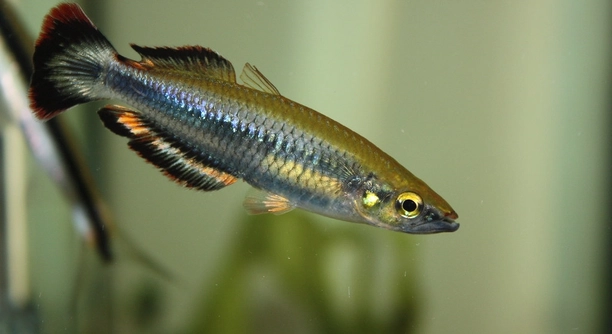
Are your rainbowfish struggling to settle after a recent move? Moving can be stressful for fish, and even small changes in their environment can affect their behavior, appetite, and overall health in subtle but noticeable ways.
Helping rainbowfish adjust to a new environment requires careful attention to water quality, temperature, and tank setup. Gradual introductions, consistent feeding schedules, and minimizing stressors are essential steps to ensure their successful acclimation and overall well-being.
Understanding how these adjustments work will make a significant difference for your rainbowfish, helping them thrive in their new home with confidence and stability.
Preparing the Tank Before the Move
Before introducing rainbowfish to a new tank, it is essential to prepare the environment carefully. Start by cleaning the tank thoroughly, making sure there are no residues from soap or chemicals. Check that the filter, heater, and lighting are working correctly and maintain stable water parameters. Adding plants, hiding spots, and decorations can help reduce stress and mimic their natural habitat. Water should be cycled and treated to remove harmful substances. Test for pH, ammonia, nitrite, and nitrate levels to ensure safe conditions. Avoid sudden changes in temperature, as rainbowfish are sensitive to fluctuations. Slowly introduce new water conditions over several days to allow the fish to adapt gradually. Monitoring the tank during this period is crucial, as any sudden shifts can lead to stress, illness, or loss of appetite. Taking these steps creates a stable, comfortable environment for rainbowfish.
Proper preparation ensures the fish are more likely to thrive and settle quickly in the new tank.
A well-prepared tank reduces the risk of illness and stress while providing a safe and stimulating environment. By controlling water quality, temperature, and introducing hiding spots, rainbowfish feel more secure. Gradual adjustments prevent shock and support their natural behaviors. Observing their reactions during the first few days helps identify potential issues early. Feeding should start lightly, monitoring for any signs of stress or refusal to eat. Consistency in lighting and filtration further reinforces a sense of routine, helping them feel at ease. Providing spaces to explore, along with stable water parameters, encourages activity and social interaction among the fish. Overall, careful planning and preparation significantly improve the chances of a smooth transition.
Gradual Introduction to New Tankmates
Introducing rainbowfish to other fish requires a slow and cautious approach. Sudden exposure can lead to aggression or hiding behaviors.
To prevent conflicts, start by rearranging tank decorations to break established territories. Introduce new fish in a quarantine tank first, monitoring health and behavior. Gradually allow interaction through a divider before full integration. Ensure all fish are of compatible size and temperament to reduce stress. Observe feeding times, as competition can indicate tension. Adjusting lighting and providing ample hiding spots further eases the transition. Consistent monitoring over the first week is critical to identify early signs of stress or aggression, allowing intervention before issues escalate.
Gradual introduction minimizes stress, encourages healthy social behavior, and supports a balanced tank ecosystem, ensuring all fish coexist peacefully and thrive together.
Maintaining Stable Water Conditions
Maintaining stable water conditions is essential for rainbowfish health. Sudden changes in temperature, pH, or hardness can stress them, reduce appetite, and weaken their immune system. Regular testing and gradual adjustments help keep the environment safe and comfortable.
Monitoring water parameters daily ensures any shifts are caught early. Using a reliable thermometer, test kits, and water conditioners helps maintain consistency. Partial water changes should be done carefully, replacing only 10–20 percent at a time to avoid shocking the fish. Filtration systems must be cleaned regularly without disturbing beneficial bacteria. Stability in temperature and chemistry promotes natural behavior, feeding, and social interaction among rainbowfish, which are sensitive to fluctuations.
Properly managing water reduces the risk of disease, supports growth, and creates a predictable environment for rainbowfish. Consistency allows them to explore, feed, and interact without stress. Keeping parameters within safe ranges ensures their colors remain vibrant and overall health stays strong. Observing their reactions to minor adjustments helps fine-tune the setup for long-term stability.
Feeding Adjustments
Feeding rainbowfish the right amount and type of food is critical after a move. Overfeeding or sudden changes in diet can cause stress and digestive problems.
Start with small portions and gradually reintroduce their regular diet. Offering high-quality flakes, pellets, or frozen foods helps maintain proper nutrition. Monitor feeding behavior, as a decrease in appetite may indicate stress or water issues. Variety in food encourages natural foraging behavior and prevents dietary deficiencies. Feeding at consistent times each day reinforces routine and reduces anxiety. Avoid leaving uneaten food in the tank, as it can deteriorate water quality and increase ammonia levels.
Adjusting feeding schedules and portions helps rainbowfish regain normal eating habits quickly. Observing their reactions allows you to detect stress early and make necessary changes. Maintaining a consistent routine encourages healthy digestion, supports immune function, and keeps energy levels stable. Over time, rainbowfish will adapt to the new environment while maintaining optimal growth, coloration, and vitality. Balanced nutrition, combined with careful observation, ensures they remain healthy and active in their new home.
Minimizing Stress During Transport
Transporting rainbowfish can be stressful, so handle them gently. Use a secure container with water from their original tank and avoid overcrowding.
Keep the container stable and insulated to maintain temperature. Minimize sudden movements and loud noises during transit to reduce stress.
Gradual Acclimation to New Water
Introduce rainbowfish slowly to new water by floating the transport bag in the tank. Gradually mix small amounts of tank water over an hour to help them adjust safely. This process prevents shock from sudden changes in temperature or chemistry, allowing fish to settle more comfortably.
Observing Behavior
Monitor rainbowfish closely after a move. Look for signs of stress such as hiding, erratic swimming, or loss of appetite. Early observation helps identify problems quickly and ensures timely adjustments.
FAQ
How long does it take for rainbowfish to adjust after a move?
Rainbowfish generally take a few days to a couple of weeks to fully adjust to a new environment. The exact time depends on the size of the tank, water stability, and the individual fish’s temperament. Maintaining consistent water parameters and reducing stressors helps them settle faster.
Can I add all my rainbowfish to the new tank at once?
Adding all fish at once is not recommended. Introducing them gradually reduces stress and allows you to monitor behavior and health. Consider using a quarantine tank or adding a few individuals at a time, especially if the tank is large or the fish are territorial.
What is the best way to prevent stress during a move?
Stress can be minimized by using familiar water from their original tank, keeping the transport container stable, and avoiding sudden movements. Covering the container lightly and controlling temperature helps. Reducing noise and handling gently are key steps for safe transport.
Should I change the tank setup immediately after moving?
It is best to maintain familiar decorations, plants, and hiding spots initially. Gradual changes can be introduced over time if desired. Sudden rearrangements can increase stress, causing hiding or erratic behavior. Maintaining stability in the first few days is critical.
How often should I check water parameters after a move?
Daily monitoring of temperature, pH, ammonia, nitrites, and nitrates is recommended for the first week. Early detection of any fluctuations allows for immediate corrections. Partial water changes should be done cautiously to maintain stability and avoid shocking the fish.
What should I feed my rainbowfish after a move?
Start with small, familiar portions to encourage eating. High-quality flakes, pellets, and occasional frozen foods provide balanced nutrition. Feeding at consistent times each day establishes a routine, helping fish regain normal appetite and energy levels while avoiding overfeeding.
How can I tell if a rainbowfish is stressed in the new tank?
Signs of stress include hiding, sluggish movement, clamped fins, erratic swimming, or reduced appetite. Observing their behavior daily helps identify problems early. Prompt adjustments to water quality, diet, or tank setup can reduce stress and prevent illness.
Is it necessary to quarantine rainbowfish before moving them?
Quarantine is recommended, especially if adding new fish to an established tank. It prevents the spread of disease and allows for monitoring health. A short period of quarantine helps protect both the new and existing fish population.
Can rainbowfish adjust to different water temperatures?
Rainbowfish prefer stable temperatures and sudden changes can cause stress. Gradual adjustments of 1–2 degrees per day help them acclimate safely. Using a heater or cooler to maintain consistent conditions is important for their overall health.
What role do hiding spots play in adjustment?
Hiding spots reduce stress and make rainbowfish feel secure. Plants, rocks, and decorations provide shelter and encourage natural behavior. Even if the tank is spacious, having multiple hiding areas helps fish explore and socialize without feeling threatened.
How can I encourage social behavior after a move?
Maintaining stable water, providing hiding spots, and feeding consistently encourages social interaction. Avoid overcrowding and observe how individuals interact. Gradually introducing new tankmates helps them form natural hierarchies and reduces conflicts, allowing a balanced social environment.
When should I seek help from a professional?
If rainbowfish show prolonged stress, illness, or unusual behavior that doesn’t improve after a week, consulting an aquatic veterinarian or experienced fish keeper is advisable. Early intervention can prevent serious health issues and ensure their adjustment continues smoothly.
Are there specific water additives that help rainbowfish adjust?
Certain water conditioners can remove chlorine, chloramine, and heavy metals, creating safer conditions. Stress-reducing additives may also help during transport or acclimation. Always follow instructions carefully and avoid overuse, as excessive additives can disrupt water chemistry.
Can rainbowfish tolerate temporary changes in water chemistry?
Minor, gradual changes are usually tolerable, but sudden shifts in pH, hardness, or temperature can cause stress. Monitoring and correcting any imbalances quickly ensures they adapt safely to their new environment without compromising health.
How important is tank lighting during adjustment?
Consistent lighting helps establish a routine and reduces stress. Sudden changes in light intensity or duration can disturb their natural rhythm. Soft, even lighting with a regular day-night cycle supports feeding, activity, and overall well-being.
What are signs that rainbowfish are fully adjusted?
Fully adjusted fish swim actively, eat regularly, interact with tankmates, and display bright colors. Stress behaviors, such as hiding or erratic movement, decrease. Observing these signs over several days confirms they have acclimated to their new tank.
Can moving multiple times affect rainbowfish health?
Frequent moves can increase stress, weaken the immune system, and make fish more susceptible to disease. Each transition should be carefully planned, with stable water and minimal disruption, to reduce cumulative stress and ensure long-term health.
Is it necessary to rearrange the tank after a move?
Rearranging immediately is not recommended. Gradual changes over time are safer, allowing fish to adjust first. Maintaining familiar landmarks during the initial period reduces stress and encourages normal exploration and behavior.
How do I handle aggressive behavior after a move?
Provide additional hiding spots and rearrange territories if necessary. Separating overly aggressive individuals temporarily can prevent injury. Observing interactions closely allows early intervention, maintaining a peaceful environment for all rainbowfish.
What is the best temperature range for rainbowfish adjustment?
Rainbowfish thrive in temperatures between 74–78°F (23–26°C). Maintaining this range helps them adjust quickly and supports appetite, activity, and overall health during the acclimation period. Sudden changes outside this range should be avoided.
How long should I observe them closely after moving?
Close observation for at least one to two weeks is important. Daily checks allow for quick responses to stress, illness, or behavioral changes. Monitoring ensures the adjustment period is smooth and the fish remain healthy.
Can stress affect rainbowfish coloration?
Yes, stress can dull colors and reduce vibrancy. Stable water conditions, proper nutrition, hiding spots, and minimal disturbances help restore natural coloration as the fish adapt to the new environment.
Are some rainbowfish species more sensitive to moves?
Certain species are more sensitive to stress and water changes than others. Researching species-specific needs, including preferred water parameters and social behavior, ensures a safer and smoother adjustment for all fish.
How important is tank size during adjustment?
Larger tanks provide space for hiding and reduce aggression, making adjustment easier. Overcrowding increases stress and competition, so ensuring adequate space per fish is essential for health and comfort.
Should I change the filter during a move?
Do not replace the filter media immediately. Keeping the same media preserves beneficial bacteria and stabilizes water chemistry. Cleaning or upgrading can be done gradually after the fish have acclimated.
Can rainbowfish adapt to new diets after moving?
Gradual introduction of new foods is necessary. Start with small amounts mixed with familiar food. Sudden diet changes can cause digestive issues and stress, so a slow transition ensures acceptance and proper nutrition.
How can I encourage activity in a new tank?
Providing open swimming areas, hiding spots, and consistent feeding encourages natural activity. Avoid overcrowding and maintain stable water parameters, which helps rainbowfish explore, interact, and display normal behaviors confidently.
What is the role of water flow during adjustment?
Moderate water flow helps oxygenation and simulates natural conditions. Strong currents can stress fish, while stagnant water may reduce activity. Adjusting flow to suit rainbowfish species supports comfort and health during acclimation.
Can introducing plants help with adjustment?
Yes, live or artificial plants provide hiding spots, reduce stress, and mimic natural habitats. Plants also contribute to water quality, support oxygen levels, and encourage natural behavior, aiding smooth adaptation.
How do I know if my tankmates are compatible?
Observe interactions closely. Compatible fish show minimal aggression, share space, and feed together without stress. Introducing new tankmates gradually and monitoring behavior ensures a harmonious environment for rainbowfish.
Is frequent water testing necessary after moving?
Yes, daily testing for the first week helps detect changes in pH, ammonia, nitrites, and nitrates. Early detection allows quick corrections, reducing stress and maintaining optimal health for rainbowfish.
Can stress lead to illness in rainbowfish?
Yes, prolonged stress weakens the immune system, making fish more susceptible to infections and disease. Reducing stress through stable conditions, proper nutrition, and hiding spots supports long-term health and adjustment.
How important is tank maintenance during acclimation?
Regular maintenance, including careful water changes, filter cleaning, and debris removal, ensures a stable environment. Consistency prevents sudden fluctuations, reduces stress, and promotes healthy behavior while rainbowfish adjust.
What should I do if rainbowfish refuse to eat?
Check water quality and temperature first. Offer familiar foods in small portions and reduce disturbances. Patience and observation are key, as appetite usually returns once stress decreases and the fish become comfortable in their new home.
Can acclimation techniques differ for juveniles and adults?
Yes, juveniles are generally more sensitive to water changes and stress. They may need slower acclimation, smaller group introductions, and more hiding spots compared to adults. Adjusting techniques based on age ensures safe adaptation.
How long should I avoid major changes in the tank?
At least two weeks is ideal. This period allows rainbowfish to settle, establish territories, and regain normal behavior. Afterward, gradual changes can be introduced without causing significant stress.
Are there behavioral signs that indicate successful adjustment?
Active swimming, feeding, interacting with tankmates, and bright coloration indicate successful adjustment. Calm behavior and reduced hiding show that the fish feel secure and comfortable in their new environment.
Can water additives speed up adjustment?
Some stress-reducing additives may help, but they should not replace proper water management. Using them occasionally can support acclimation, but maintaining stable conditions is more effective for long-term adjustment.
Should I change lighting during adjustment?
Keep lighting consistent with previous conditions. Sudden changes in brightness or duration can increase stress. Gradual adjustments can be made later, once fish are settled and active.
What is the best way to monitor social behavior?
Watch interactions during feeding, resting, and exploration. Look for aggression, hiding, or dominance displays. Adjust tank setup or separate individuals if necessary to maintain a balanced social environment.
Can rainbowfish recover quickly from stress?
With proper care, including stable water, nutrition, and hiding spots, rainbowfish can recover in days to a week. Early observation and intervention improve recovery speed and prevent health issues.
How important is water quality for long-term adjustment?
High water quality ensures health, reduces stress, and supports natural behavior. Consistent testing, careful water changes, and monitoring filtration are essential for rainbowfish to thrive after a move.
Do rainbowfish show changes in color when adjusting?
Yes, stress can cause dulling of colors. Maintaining stable conditions, proper feeding, and minimal disturbance helps restore vibrant coloration as they adapt to the new environment.
Is it normal for rainbowfish to hide more initially?
Yes, hiding is a natural response to stress and a new environment. Providing shelter and minimizing disturbances helps them feel secure, and hiding usually decreases as confidence grows.
What is the best strategy for long-term tank stability?
Maintain consistent water parameters, avoid sudden changes, monitor fish behavior, and provide adequate space and hiding spots. Gradual adjustments and careful observation support health, reduce stress, and ensure rainbowfish thrive in their new tank.
How do I know if my rainbowfish are healthy during adjustment?
Healthy fish eat regularly, swim actively, interact with tankmates, and display vibrant colors. Regular observation and testing water parameters help identify issues early, ensuring long-term health and successful acclimation.
Can adding decorations help reduce stress?
Yes, decorations and plants provide hiding spots, reduce exposure to aggressive tankmates, and create a more natural environment. This supports calm behavior and helps rainbowfish adjust more comfortably.
How often should I observe rainbowfish behavior?
Daily observation is recommended during the first two weeks. Tracking swimming patterns, feeding, and interactions helps detect stress, aggression, or illness early, ensuring timely adjustments.
Is acclimation harder in smaller tanks?
Yes, limited space increases stress and aggression. Providing sufficient hiding spots, careful introduction of new fish, and stable water conditions are critical to reduce tension in smaller tanks.
Can rainbowfish adjust to different tank setups over time?
With gradual changes and stable conditions, rainbowfish can adapt to new decorations, layouts, or tankmates. Sudden alterations should be avoided to prevent stress and behavioral issues.
What is the role of consistent feeding during adjustment?
Regular feeding reinforces routine, reduces stress, and encourages natural foraging behavior. Small, frequent meals help maintain appetite and energy levels while fish adapt to their new environment.
Are there signs that rainbowfish are struggling to adjust?
Persistent hiding, clamped fins, erratic swimming, or refusal to eat indicate difficulty. Immediate attention to water quality, tank setup, or diet can prevent prolonged stress and illness.
Can rainbowfish become aggressive when stressed?
Yes, stress can trigger territorial or aggressive behavior. Providing hiding spots, rearranging decorations, and monitoring interactions helps reduce conflicts and maintains a balanced environment.
Is observation more important than intervention?
Observation is key, as it informs appropriate intervention. Monitoring behavior, feeding, and health allows careful adjustments without overreacting, supporting natural acclimation.
Should I maintain old water conditions exactly after moving?
Replicating old conditions closely helps reduce stress initially. Gradual adjustments can be made after the fish settle to match long-term tank parameters.
Can rainbowfish adjust to new lighting cycles?
Yes, gradual changes to light duration or intensity are tolerated once fish are comfortable. Sudden changes can stress them, so adjustments should be incremental.
How does social hierarchy affect adjustment?
Rainbowfish establish hierarchies, and stress can disrupt this process. Providing adequate space, hiding spots, and gradual introductions supports natural social behavior and reduces conflicts.
Are all rainbowfish equally adaptable?
Individual temperament varies. Some fish adjust quickly, while others are more sensitive. Understanding their personalities and observing responses allows tailored care to support smooth adaptation.
Can stress affect growth in rainbowfish?
Chronic stress can reduce appetite and slow growth. Maintaining stable conditions, proper nutrition, and minimizing disturbances supports healthy development during the adjustment period.
Should I limit handling after a move?
Yes, minimizing handling reduces stress and risk of injury. Only handle when necessary, such as during tank maintenance or health checks, using gentle techniques to ensure safety.
How do I know if water changes are safe during adjustment?
Partial, gradual water changes are safe if done carefully. Avoid replacing too much water at once, and match temperature and chemistry to prevent shocking the fish.
Can rainbowfish recover from poor acclimation?
With improved conditions, proper nutrition, and reduced stress, rainbowfish can recover. Early intervention is critical to prevent long-term health effects and restore normal behavior.
Are there any signs to indicate full acclimation?
Active swimming, normal feeding, bright coloration, and social interactions indicate full acclimation. Hiding and stress behaviors should decrease significantly as confidence grows.
Is it normal for rainbowfish to explore slowly?
Yes, cautious exploration is typical in a new environment. Providing shelter, stable water, and a calm atmosphere encourages gradual exploration and adjustment.
What is the most important factor in helping rainbowfish adjust?
Stable water conditions, minimal stress, proper feeding, hiding spots, and careful observation are the most important factors. Consistency and patience ensure smooth adaptation and long-term health.
Can rainbowfish adjust if tank conditions fluctuate?
Frequent fluctuations increase stress and risk of illness. Gradual, controlled changes are tolerable, but consistency is key to safe adjustment and overall well-being.
How do I prevent long-term stress in rainbowfish?
Maintain stable water, provide adequate space and hiding spots, feed consistently, and monitor behavior regularly. Reducing disturbances and managing tankmates effectively prevents chronic stress.
Are there any quick fixes for stressed rainbowfish?
No quick fixes exist. Patience, stable conditions, proper nutrition, and careful observation are required. Stress reduction takes time, and gradual adjustments ensure long-term health and successful adaptation.
How important is tank layout during adjustment?
A well-thought-out layout with hiding spots, open swimming areas, and natural decorations reduces stress and supports natural behavior, promoting quicker adaptation and overall comfort.
Should I separate fish if stress persists?
Temporary separation can reduce aggression and allow stressed fish to recover. Reintroduce gradually once behavior stabilizes to maintain a harmonious tank environment.
Can rainbowfish sense stress in other fish?
Yes, rainbowfish are sensitive to tankmates’ behavior. High-stress fish can influence others, so managing the environment and observing interactions helps maintain a calm community.
What role does water filtration play during adjustment?
Filtration maintains water quality, reduces harmful substances, and supports oxygenation. Proper filtration is essential to reduce stress and promote healthy acclimation.
Are there any supplements to aid adjustment?
Certain vitamins or stress-reducing supplements can help, but they should complement proper care, not replace stable water, diet, and a safe environment.
How do I know if acclimation techniques are working?
Positive signs include active swimming, normal feeding, social interaction, and bright coloration. Consistent monitoring confirms effectiveness and allows timely adjustments if needed.
Can overcrowding affect rainbowfish adjustment?
Yes, overcrowding increases stress, aggression, and competition for resources. Providing adequate space per fish is essential for smooth adaptation and maintaining health.
Should I keep new and old fish separate initially?
Yes, keeping them separate allows monitoring, reduces stress, and prevents disease transmission. Gradual introduction after observation ensures safe integration into the main tank.
Can rainbowfish adjust to different water hardness?
They tolerate moderate changes if adjusted gradually. Sudden shifts can stress them, so incremental adjustments are safer for long-term health.
What is the ideal acclimation period for rainbowfish?
A few days to two weeks is typical. Observation, stable conditions, and gradual adjustments during this time support successful acclimation and long-term health.
Can hiding spots reduce aggression?
Yes, additional shelters allow fish to escape confrontation, establish territories, and feel secure, reducing stress and aggressive behavior during adjustment.
How does feeding frequency impact adjustment?
Regular, small meals reinforce routine, reduce stress, and maintain energy. Overfeeding or irregular schedules can cause stress, water quality issues, and digestive problems.
Are rainbowfish more sensitive to water changes than other fish?
Yes, they are generally sensitive to sudden changes in temperature, pH, and chemistry. Gradual adjustments and careful observation support safe adaptation.
Can stress affect reproduction in rainbowfish?
Chronic stress may reduce breeding behavior and fertility. Stable conditions, proper nutrition
Moving rainbowfish to a new tank can be stressful for them, but careful preparation makes the process much smoother. Ensuring stable water conditions, proper temperature, and clean filtration helps create an environment where the fish feel secure. Hiding spots, decorations, and plants also play an important role in reducing stress and encouraging natural behaviors. Observing the fish closely during the first days allows you to spot any signs of discomfort or illness. Gentle handling during transport and acclimation helps minimize anxiety and prevents injuries. By maintaining familiar water and gradually introducing changes, you give rainbowfish the best chance to adjust comfortably and regain normal behavior.
Feeding is another key factor in helping rainbowfish settle. Offering small, consistent portions of familiar food encourages eating and helps the fish regain strength after a stressful move. Avoid overfeeding, as uneaten food can impact water quality and increase ammonia levels. Slowly reintroducing any new foods allows the fish to adapt without causing digestive issues. Monitoring their appetite and activity is important, as changes can indicate stress or water problems. A balanced diet combined with consistent routines supports overall health, coloration, and energy levels, making it easier for the rainbowfish to explore and interact with tankmates. Consistency in feeding times also helps them establish a sense of routine in their new environment.
Social interactions and tank dynamics are also critical to a successful adjustment. Introducing new tankmates gradually and ensuring compatible species reduces aggression and stress. Providing ample space and multiple hiding spots allows the rainbowfish to establish territories and feel secure. Observing their behavior during the first few weeks helps identify any conflicts early. Over time, as the fish become more comfortable, they will swim actively, interact with others, and display their vibrant colors. Patience and careful observation are essential throughout this process. By combining proper tank preparation, feeding practices, and attention to social behavior, rainbowfish can adjust smoothly to a new environment, maintain their health, and thrive for years to come.

Hello,
If you enjoy the content that we create, please consider saying a "Thank You!" by leaving a tip.
Every little bit helps us continue crafting quality advice that supports the health, happiness, and well-being of pets around the world, for pets of all shapes, sizes, and species.
We really appreciate the kindness and support that you show us!