
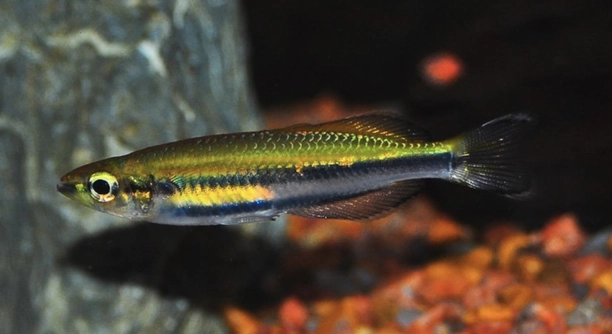
Do you enjoy keeping rainbowfish but notice they sometimes act picky at mealtime? Feeding them can be tricky, and small mistakes may lead to unhealthy habits or even affect their growth over time in your aquarium environment.
Rainbowfish commonly face feeding problems such as refusing certain foods, overeating, slow growth, difficulty digesting, aggression during feeding, selective eating, and stress-related appetite loss. These issues can be mitigated through proper diet planning, portion control, and consistent feeding routines.
Recognizing these problems early ensures your rainbowfish remain healthy and active. We will explore practical tips to help you manage their feeding habits effectively.
Refusing Certain Foods
Rainbowfish can be surprisingly picky, especially when introduced to new foods. Some will ignore flakes, pellets, or frozen options if they are not used to the texture or flavor. Gradual changes in diet help them adjust without stress. Start by mixing small amounts of the new food with what they already eat. Observing their reactions allows you to identify preferences and avoid wasting food. It is also important to ensure foods are appropriate in size. Tiny fish may struggle with larger pellets, causing frustration and leftover food that can affect water quality. A balanced diet that includes protein, vegetables, and occasional live foods promotes better acceptance. Over time, they learn to recognize new foods as part of their daily routine, reducing the risk of malnutrition. Feeding at consistent times also encourages them to try different items more willingly, helping maintain overall health and vibrant colors.
Slow adjustment and observation prevent feeding stress and improve rainbowfish nutrition.
Consistency in offering new foods gradually helps rainbowfish accept a wider variety without forcing them.
Overeating
Some rainbowfish may overeat when food is abundant, leading to bloating, obesity, or poor water quality. Overfeeding is common in home aquariums where snacks and meals are offered frequently, and owners may not measure portions carefully. Even healthy food can cause problems if consumed in excess. Monitoring feeding times and quantities is essential to keep them active and avoid digestive issues. Removing uneaten food promptly maintains clean water, which reduces disease risk. Feeding small amounts two to three times daily is generally sufficient for adult rainbowfish, while fry may need more frequent but tiny meals. Observing their behavior helps detect early signs of overeating, such as lethargy or swollen bellies. Limiting high-fat foods and rotating protein sources ensures they receive balanced nutrition. Over time, establishing a feeding routine creates healthier appetites and prevents stress caused by competition. Your aquarium will also remain cleaner and more stable when feeding is controlled carefully.
Proper portioning and structured feeding routines maintain fish health and water clarity.
Rainbowfish are naturally active, so controlling food intake is crucial. Overeating can disrupt digestion, damage organs, and affect lifespan. Feeding in measured amounts promotes steady growth and prevents conflicts. Consistent schedules help fish anticipate meals, reducing anxiety during feeding times. Offering varied foods in moderation strengthens their immune system and keeps colors vibrant. Avoid sudden changes in diet to prevent digestive problems. Using tweezers or a small spoon for frozen or live foods can prevent excessive consumption by dominant fish. Observing how each fish responds ensures no one is left hungry or overeats. Balancing protein, plant matter, and occasional treats helps maintain ideal body condition. A well-planned feeding approach protects your rainbowfish from long-term health issues and keeps the aquarium ecosystem stable, creating a pleasant environment for both the fish and the caretaker.
Slow Growth
Slow growth in rainbowfish often results from an unbalanced diet or inadequate nutrition. Juveniles need more protein, while adults require variety. Poor water conditions can also limit growth, even if feeding seems sufficient.
Juvenile rainbowfish require higher protein levels to develop properly, so feeding only flakes may not meet their needs. Including small live or frozen foods like brine shrimp or daphnia encourages healthy growth. Water quality directly affects metabolism; ammonia, nitrites, or high nitrates can stunt development. Ensuring proper filtration and regular water changes supports both growth and overall health. Avoid overcrowding, as it increases competition for food and stresses fish. Observing their size relative to age helps determine if adjustments are needed in diet or tank setup.
Slow growth can also indicate underlying stress or disease. Parasites, infections, or poor water parameters reduce nutrient absorption. Addressing these factors promptly allows rainbowfish to reach their potential size. Monitoring growth rates alongside behavior helps identify when interventions are necessary. Combining proper diet, stable water, and minimal stress ensures consistent development. Supplementing with occasional live foods encourages activity, which promotes metabolism and healthy body condition. Regularly testing water and adjusting feeding routines reduces the risk of long-term growth issues. A balanced approach provides a stable environment that supports both physical and mental well-being in rainbowfish.
Digestive Problems
Rainbowfish may experience digestive problems from sudden diet changes, spoiled food, or overfeeding. Symptoms include bloating, unusual swimming, or floating uneaten food.
Digestive issues often occur when fish are fed too much or given food that is difficult to digest. Flakes that swell in water can cause bloating if eaten in excess. Frozen or live foods that are improperly thawed may introduce bacteria, affecting their stomachs. Feeding smaller portions more frequently reduces stress on the digestive system. Some species need more vegetable matter, so including spirulina or blanched vegetables helps balance the diet. Observation is key to catching problems early, preventing more serious health concerns.
Maintaining good water quality also supports digestion. Waste buildup and poor filtration can harm gut health, so regular tank maintenance is essential. Certain digestive issues may require temporarily adjusting diet to softer or smaller foods. Monitoring fish after feeding helps ensure they are processing food normally. Keeping a stable temperature supports metabolism and reduces stress on the digestive system. Providing a mix of protein and plant-based foods creates a balanced diet that is easier to digest. Avoid sudden changes in feeding routines to minimize digestive upset and keep rainbowfish healthy.
Aggression During Feeding
Rainbowfish sometimes compete aggressively for food, chasing or nipping at others. Dominant fish may eat more, leaving timid ones hungry.
Providing multiple feeding spots and spreading food evenly reduces conflicts. Smaller portions delivered slowly allow all fish to access food and prevent stress-related injuries.
Selective Eating
Some rainbowfish develop preferences, ignoring certain flakes or frozen foods. This behavior can limit nutrient intake and cause imbalance. Offering a variety of textures and flavors encourages them to try different foods. Rotating items like brine shrimp, daphnia, and vegetable matter ensures they get complete nutrition over time.
Stress-Related Appetite Loss
Rainbowfish may stop eating when stressed by changes in water, lighting, or tank mates. Monitoring tank conditions and maintaining a calm environment helps restore appetite.
FAQ
What is the best diet for rainbowfish?
Rainbowfish thrive on a balanced diet of flakes, pellets, and occasional live or frozen foods. Including small amounts of vegetables like blanched spinach or zucchini helps provide fiber and essential nutrients. Feeding a variety of items prevents boredom and ensures proper growth, color, and overall health.
How often should I feed my rainbowfish?
Adult rainbowfish do well with two to three small feedings per day. Juveniles may need three to four feedings to support rapid growth. Avoid overfeeding, as leftover food can pollute the tank and lead to digestive issues or obesity.
Why do my rainbowfish refuse certain foods?
Rainbowfish can be picky due to texture, flavor, or sudden changes in diet. Gradually introducing new foods mixed with their usual diet helps them adjust. Observing their reactions allows you to identify preferred items and reduce waste.
How can I prevent overeating?
Feed measured portions and remove uneaten food promptly. Offering food slowly in small amounts encourages all fish to eat evenly without consuming excess. Multiple feeding spots help reduce competition and prevent dominant fish from overeating.
What causes slow growth in rainbowfish?
Slow growth is usually linked to poor nutrition, insufficient protein, or stress from overcrowding and poor water quality. Juveniles require higher protein levels, while adults benefit from a varied diet. Maintaining stable water conditions supports metabolism and proper development.
How do I manage digestive problems?
Digestive issues often arise from overfeeding or spoiled food. Feeding smaller portions, offering soft or easily digestible foods, and maintaining good water quality helps prevent bloating and other stomach problems. Observing feeding behavior is important for early intervention.
Why do some rainbowfish eat selectively?
Selective eating may develop from habits, stress, or limited exposure to food types. Rotating food, offering live or frozen options, and ensuring a mix of protein and vegetable matter encourages a balanced diet. Small, gradual changes help them try new foods without stress.
What can cause stress-related appetite loss?
Changes in water conditions, tank mates, lighting, or temperature can cause rainbowfish to lose interest in food. Maintaining stable water parameters, a calm environment, and routine feeding helps restore appetite and prevents long-term health issues.
Are live foods necessary for rainbowfish?
Live foods are not strictly necessary but are beneficial for stimulation and nutrition. Brine shrimp, daphnia, and mosquito larvae mimic natural feeding behavior and provide protein. Alternating live foods with frozen or prepared options supports health and encourages activity.
How do I know if my rainbowfish are eating enough?
Healthy rainbowfish are active, alert, and show vibrant colors. Monitor growth, body condition, and behavior to ensure adequate intake. Uneaten food, lethargy, or uneven growth may indicate underfeeding, selective eating, or digestive problems. Adjust portions and diet as needed to maintain balance.
Can overfeeding harm rainbowfish long-term?
Yes, chronic overfeeding can lead to obesity, fatty liver, and poor water quality, increasing the risk of disease. Controlled feeding with measured portions and varied diet supports longevity and reduces stress on the aquarium ecosystem.
How can I introduce new foods effectively?
Mix small amounts of the new food with items they already accept. Gradually increase the portion over several days. Observing reactions and adjusting feeding techniques helps rainbowfish accept a wider variety without stress or waste.
What is the role of vegetables in their diet?
Vegetables provide fiber, vitamins, and minerals that help digestion and prevent nutrient deficiencies. Blanched zucchini, spinach, or peas are easily consumed and complement protein-based foods, contributing to balanced nutrition and healthy growth.
How do I manage feeding multiple rainbowfish at once?
Spread food across the tank and provide several feeding points. Feed slowly in small amounts to reduce competition and ensure shy or smaller fish receive enough nutrition. This prevents dominance issues and promotes healthier, happier fish overall.
Can feeding habits affect tank cleanliness?
Yes, uneaten food and overfeeding lead to waste buildup, poor water quality, and algae growth. Regular feeding control, portion monitoring, and prompt removal of leftovers help maintain clean water and a healthy environment for rainbowfish.
How do temperature and environment impact feeding?
Rainbowfish metabolism and appetite are affected by water temperature and environment. Stable, appropriate temperatures encourage regular feeding, while sudden changes or stressful surroundings can reduce appetite. Maintaining consistency supports healthy eating and digestion.
What should I do if my rainbowfish stop eating completely?
Check water parameters, tank mates, and diet for possible stressors. Offer easily digestible foods in small portions and maintain a calm environment. Persistent appetite loss may indicate illness, requiring observation and potentially veterinary consultation to prevent serious health issues.
Is variety important in their diet?
Yes, a varied diet prevents nutritional deficiencies, boredom, and selective eating. Alternating protein sources, live or frozen foods, and vegetables ensures balanced nutrition, promotes growth, and supports vibrant coloration over time.
How can I track their feeding progress?
Observe behavior, growth, and leftover food after each feeding. Keeping notes on preferences, portions, and reactions helps adjust diet and feeding schedules. Tracking progress ensures that all rainbowfish receive adequate nutrition and remain healthy.
Are frozen foods as effective as live foods?
Frozen foods provide similar nutrients to live foods and are safer in terms of disease transmission. Thaw properly before feeding and offer in moderation. Combining frozen, live, and prepared foods gives a well-rounded diet that supports overall health.
What are signs of overfeeding or underfeeding?
Overfed fish may appear bloated, lethargic, or have fatty deposits. Underfed fish can become thin, weak, or show stunted growth. Regular monitoring of body condition, appetite, and behavior helps detect feeding problems early.
How long should feeding adjustments take to show results?
Changes in appetite, growth, or behavior usually become noticeable within one to two weeks. Gradual adjustments to portions, diet variety, and feeding methods help rainbowfish adapt without stress, supporting long-term health.
Can stress from tank mates affect feeding?
Yes, aggressive or territorial fish can intimidate rainbowfish, causing reduced appetite or missed meals. Providing hiding spots, multiple feeding areas, and balanced stocking density reduces stress and ensures proper nutrition for all fish.
Is it necessary to supplement vitamins or minerals?
If feeding a varied diet with flakes, frozen, live foods, and vegetables, supplementation is usually not required. However, occasional vitamin-enriched foods can support color and immune health, especially during breeding or stressful conditions.
How can I improve feeding for picky eaters?
Introduce new foods slowly, offer live or frozen options, and vary textures. Observing their behavior and adjusting the feeding approach ensures picky rainbowfish gradually accept a balanced diet without stress.
Do feeding habits change with seasons?
Rainbowfish metabolism can vary slightly with temperature fluctuations. Warmer water may increase appetite, while cooler water slows digestion. Adjust feeding frequency and portions accordingly, while maintaining diet balance to avoid over- or underfeeding.
How can I prevent food waste?
Feed measured portions, remove leftovers promptly, and offer foods gradually. Multiple feeding points and slow delivery reduce uneaten food, maintaining clean water and minimizing nutrient loss. Proper preparation of frozen or live foods also limits waste.
What should I do if a dominant fish eats most of the food?
Separate feeding areas, offer small amounts slowly, and observe to ensure timid fish access food. Adjust tank layout or consider temporary isolation during feeding to give all rainbowfish a fair chance at nutrition.
How long can rainbowfish go without food?
Healthy adults can survive several days without food, but prolonged fasting is stressful and can weaken immunity. Juveniles require more frequent feeding to support growth. Always aim for consistent feeding to maintain health and vitality.
Can feeding mistakes cause long-term health issues?
Yes, overfeeding, underfeeding, poor diet variety, and stress can lead to obesity, malnutrition, digestive issues, or stunted growth. Consistent monitoring, portion control, and balanced nutrition help prevent long-term complications.
How do I adjust feeding for breeding rainbowfish?
Increase protein-rich foods, live or frozen items, and small frequent meals to support energy and fertility. Maintaining optimal water quality and minimizing stress ensures both adults and fry thrive during breeding periods.
What are safe live foods for rainbowfish?
Brine shrimp, daphnia, and mosquito larvae are commonly used. Ensure they are free of disease and parasites. Live foods stimulate natural hunting behavior and provide high-quality nutrition, complementing flakes and frozen options.
Can rainbowfish eat the same food every day?
While they may accept a single type of food, this can lead to nutrient gaps and boredom. Rotating protein sources, frozen foods, and vegetables ensures a balanced diet and encourages natural feeding behavior.
How do I transition rainbowfish to new food?
Mix small amounts of the new food with familiar items, gradually increasing the new portion over several days. Observe reactions, remove uneaten food promptly, and repeat until the new diet is accepted without stress or digestive issues.
Are feeding routines important for rainbowfish?
Yes, consistent feeding schedules help regulate appetite, reduce stress, and improve digestion. Fish become accustomed to predictable times, which encourages regular eating and supports overall health.
What should I do if only some fish eat?
Adjust feeding locations, offer smaller portions slowly, and monitor timid individuals. Ensuring multiple feeding spots and observing behavior helps all rainbowfish receive adequate nutrition without stress.
How do I know if my rainbowfish are getting enough protein?
Healthy growth, vibrant color, and active behavior indicate sufficient protein intake. Including live or frozen foods alongside flakes or pellets ensures protein needs are met, particularly for juveniles and breeding adults.
Can stress affect nutrient absorption?
Yes, stressed rainbowfish may digest food poorly, reducing nutrient uptake. Maintaining stable water conditions, minimal aggression, and consistent feeding helps optimize absorption and supports overall health.
What is the best way to introduce vegetables?
Blanch vegetables like zucchini, spinach, or peas to soften them. Cut into small pieces and mix with regular food. Gradually increase portions to encourage acceptance and improve fiber intake.
Are there signs of selective eating I should watch for?
Fish ignoring certain foods, only picking favorites, or leaving portions behind indicates selective eating. Offering variety, rotating items, and slowly introducing new foods helps prevent nutrient deficiencies and maintains a balanced diet.
How do I prevent feeding-related stress?
Feed in small portions, maintain consistent routines, and provide multiple feeding spots. Avoid sudden diet changes or overcrowding, and monitor interactions to ensure all fish eat without aggression or intimidation.
What is the ideal portion size for rainbowfish?
Offer only what they can consume in a few minutes. Adjust based on fish size, number, and activity level. Frequent small portions are better than a single large feeding to prevent overfeeding and waste.
How do I manage feeding for mixed species tanks?
Observe dietary needs for each species, offer varied foods, and distribute portions to reduce competition. Provide multiple feeding areas and adjust quantity to ensure all species receive adequate nutrition.
Can I rely solely on commercial flakes or pellets?
Flakes or pellets can meet basic nutritional needs, but variety improves health, color, and behavior. Supplementing with live, frozen, or vegetable foods ensures a more complete diet and supports natural feeding instincts.
How do I know if feeding changes are working?
Monitor growth, appetite, color, and behavior. Reduced leftovers, improved activity, and consistent eating indicate successful adjustments. Track feeding patterns and continue gradual changes to maintain a healthy diet.
Are there foods I should avoid?
Avoid spoiled or moldy foods, oversized pellets for small fish, and items high in fat with low nutritional value. Unsafe live foods can introduce parasites or bacteria. Stick to fresh, high-quality, species-appropriate options.
How long should I observe feeding behavior daily?
A few minutes per feeding is usually enough. Watch for dominant fish, leftover food, and individual appetites to ensure all rainbowfish are eating adequately and behaving normally.
Can feeding impact breeding success?
Yes, proper nutrition, protein-rich foods, and consistent feeding routines improve fertility, egg quality, and fry survival. Stress-free feeding environments further support successful breeding outcomes.
Is it okay to feed treats?
Treats like occasional live or frozen foods are fine in moderation. Use them sparingly and as part of a balanced diet to avoid overfeeding or nutritional imbalance.
What is the safest way to thaw frozen foods?
Place frozen foods in a small container with tank water or let them thaw in a refrigerator. Avoid using hot water or leaving at room temperature too long to prevent bacteria growth.
How do I encourage shy fish to eat?
Feed in quiet areas, provide hiding spots, and offer food slowly in small portions. Multiple feeding locations help timid fish access meals without competition or stress.
Can feeding issues be genetic?
Some picky eating or slow growth tendencies may be inherited. However, diet, environment, and stress play a larger role. Consistent care and proper nutrition usually overcome minor genetic tendencies.
Should I adjust feeding for older rainbowfish?
Older fish may eat less and have slower metabolism. Offer smaller portions, softer foods, and a variety of items to maintain health, digestion, and vibrant coloration.
How do I balance protein and vegetable intake?
Feed mainly protein-based foods like flakes, pellets, or live/frozen items, supplemented with small amounts of vegetables. Rotating types ensures both nutrients and fiber are adequately provided.
Can sudden water changes affect feeding?
Yes, rapid changes can stress rainbowfish and reduce appetite. Make gradual adjustments to water parameters and maintain stable conditions to encourage consistent feeding.
What is the best time of day to feed?
Rainbowfish generally eat best during daylight or aquarium light hours. Consistent timing helps regulate appetite and allows fish to anticipate meals, supporting healthy digestion.
How do I prevent dominant fish from controlling feeding?
Feed slowly in multiple locations, provide several feeding points, and observe interactions. Temporarily separating aggressive individuals during feeding may be necessary in some cases.
Can stress from transport affect feeding?
Yes, newly transported or introduced fish may refuse food initially. Allow acclimation, maintain water quality, and offer soft or familiar foods until they resume normal eating behavior.
How important is portion control for growth?
Proper portion control ensures balanced nutrition, prevents obesity, and supports healthy growth. Overfeeding can cause digestive issues and stunted development, while underfeeding limits growth and vitality.
Do rainbowfish benefit from occasional fasting?
A single day without food occasionally can aid digestion, but prolonged fasting is harmful. Routine feeding supports growth, energy, and immune health.
What should I do if one fish refuses all food?
Check water conditions, stress factors, and health status. Offer soft or live foods and monitor closely. Persistent refusal may indicate illness, requiring further observation or veterinary advice.
How do I prevent nutritional deficiencies?
Provide a varied diet with protein, vegetables, and occasional live or frozen foods. Rotate items, monitor growth and color, and adjust feeding practices to ensure all essential nutrients are supplied.
Can feeding routines affect behavior?
Yes, consistent feeding reduces stress, prevents aggression, and encourages normal activity. Unpredictable feeding can cause anxiety, competition, and selective eating.
Is it safe to feed human food?
Most human foods are not suitable for rainbowfish. Avoid processed, fatty, or sugary items. Only certain vegetables, properly prepared, may be offered occasionally.
How do I adjust feeding during illness?
Offer easily digestible foods in small amounts and maintain optimal water conditions. Reducing stress and monitoring appetite helps recovery. Persistent refusal or symptoms require intervention.
Can overfeeding hide illness symptoms?
Yes, dominant fish may mask others’ reduced appetite, and excess food can lead to bloating that conceals early signs of digestive or health issues. Observing individual behavior is important.
How do I track picky eaters over time?
Keep notes on food preferences, portions consumed, and growth. Gradual changes and observations help ensure picky fish receive balanced nutrition without stress or waste.
Do rainbowfish share food equally?
Not always. Dominant fish often eat more, while timid fish may be left hungry. Multiple feeding areas and careful portioning reduce competition and ensure fair distribution.
How do I prevent feeding-related aggression?
Feed in multiple spots, offer small portions slowly, and provide hiding spaces. Adjust tank layout and observe interactions to minimize competition and stress.
Can feeding frequency impact water quality?
Yes, excessive feeding increases waste, ammonia, and nitrates. Controlled portions and prompt removal of uneaten food maintain clean water and reduce disease risk.
What is the best way to introduce frozen foods?
Thaw properly, remove excess water, and offer in small portions. Mixing with familiar foods helps rainbowfish accept new items without stress.
Should I adjust feeding for different rainbowfish species?
Yes, some species have higher protein needs or different preferences. Observe each type, adjust diet and portions, and provide appropriate food varieties for all species in the tank.
How do I know if my feeding practices are effective?
Monitor growth, color, appetite, and behavior. Consistent activity, minimal leftovers, and healthy body condition indicate proper feeding practices and balanced nutrition.
Are treats necessary for rainbowfish?
Treats are optional but can provide enrichment. Use sparingly to supplement a balanced diet and encourage natural feeding behavior without causing overfeeding or nutrient imbalance.
How do I prevent digestive upset from new foods?
Introduce gradually, offer small portions, and mix with familiar foods. Monitor reactions and remove uneaten items to avoid bloating or stress on the digestive system.
Can feeding mistakes affect breeding?
Yes, poor nutrition or overfeeding can reduce fertility and fry survival. Balanced, protein-rich diets, and consistent routines support reproductive health and offspring development.
What is the easiest way to ensure all fish eat?
Use multiple feeding locations, offer small portions slowly, and monitor shy or timid individuals. Adjust routines to guarantee all rainbowfish receive adequate nutrition.
How do I maintain variety without overfeeding?
Rotate foods daily or weekly in measured portions. Include protein, vegetables, and occasional live or frozen items. Feeding slowly and in small amounts prevents overfeeding while maintaining diet diversity.
Can feeding mistakes cause stress?
Yes, inconsistent portions, sudden diet changes, or aggressive feeding environments increase stress. Maintaining routine, variety, and calm conditions reduces anxiety and promotes healthy eating.
How do I prevent leftover food from harming the tank?
Feed small amounts, remove uneaten food promptly, and maintain proper filtration. This minimizes waste accumulation, preserves water quality, and protects fish health.
What is the role of fiber in their diet?
Fiber from vegetables aids digestion, prevents constipation, and supports overall gut health. Balanced fiber intake complements protein-based foods for healthy growth and metabolism.
How long should rainbowfish eat during each feeding?
Feed for a few minutes per session. Most food should be consumed quickly. Remove leftovers to prevent water quality
Rainbowfish are vibrant and active fish that bring life to any aquarium. Feeding them properly is one of the most important ways to keep them healthy. Paying attention to the type of food, portion sizes, and feeding frequency helps prevent common problems like overeating, picky eating, digestive issues, and slow growth. A balanced diet that includes flakes, pellets, frozen or live foods, and occasional vegetables supports both growth and overall well-being. While rainbowfish may sometimes refuse certain foods or eat selectively, being patient and consistent with feeding routines encourages them to try new items. Gradually introducing changes in diet rather than sudden switches reduces stress and allows the fish to adjust.
Maintaining clean water and a stable tank environment is just as important as the food itself. Uneaten food can lead to water quality issues that affect appetite, growth, and overall health. By removing leftovers promptly and monitoring water parameters, you ensure that rainbowfish have a safe and comfortable space to eat and thrive. Overcrowding or aggressive tank mates can also affect feeding, so providing multiple feeding spots and observing behavior during meals can help all fish get the nutrition they need. Even small adjustments, like offering food at consistent times or slightly varying the textures and flavors, can make a noticeable difference in appetite and digestion. Proper feeding combined with a well-maintained tank creates a stable environment that promotes both physical health and natural behavior.
Feeding rainbowfish takes attention, observation, and patience, but the effort pays off in their appearance, energy, and longevity. Tracking how each fish responds to diet changes and adjusting portions ensures that no fish is left hungry or overfed. Including a variety of foods over time not only meets nutritional needs but also keeps feeding interesting for the fish. Regularly checking their behavior, growth, and body condition helps detect problems early, allowing timely adjustments to diet or tank conditions. By taking feeding seriously and providing a well-balanced, consistent routine, rainbowfish remain healthy, active, and vibrant for years. A thoughtful approach to their diet and care helps prevent common feeding problems and supports a happy, thriving aquarium.

Hello,
If you enjoy the content that we create, please consider saying a "Thank You!" by leaving a tip.
Every little bit helps us continue crafting quality advice that supports the health, happiness, and well-being of pets around the world, for pets of all shapes, sizes, and species.
We really appreciate the kindness and support that you show us!