
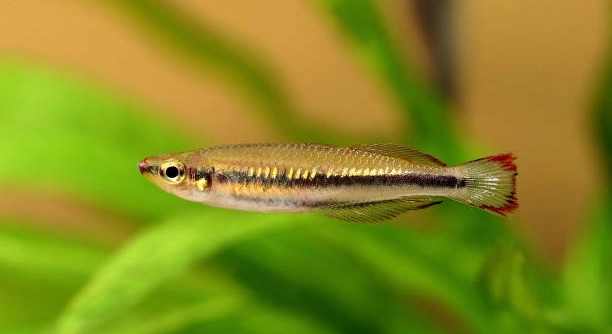
Maintaining a rainbowfish tank can feel overwhelming if you are new to aquarium keeping. These colorful fish are active and vibrant, but they require a balanced environment to thrive and stay healthy over time.
To ensure a low-maintenance rainbowfish tank, focus on proper filtration, regular water changes, suitable tank size, and consistent feeding schedules. Stable water parameters, minimal decorations, and choosing hardy species further reduce upkeep and maintain a healthy aquatic environment.
Following simple care strategies can make your rainbowfish tank easier to manage while keeping your fish vibrant and active. This approach ensures a stress-free and enjoyable experience.
Choosing the Right Tank Size
Rainbowfish are active swimmers and need space to move comfortably. A tank that is too small can stress them, leading to health issues and reduced coloration. For a small group of rainbowfish, a 30-gallon tank is the minimum, but larger tanks are better for stability and swimming space. Consider the adult size of your fish and the number of individuals you plan to keep. Overcrowding can increase waste buildup and make maintaining water quality more difficult. Adding plants and decorations provides hiding spots, but avoid cluttering the tank, as rainbowfish need open areas to swim freely. Proper spacing between fish reduces aggression and ensures each fish can display its natural behavior. Regular observation will help you determine if your tank size supports their activity and growth. Adjusting stocking levels and choosing compatible species contributes to a balanced and low-maintenance tank environment.
A larger tank reduces stress and simplifies maintenance, helping rainbowfish remain healthy and active over time.
With ample space and a few plants, rainbowfish thrive naturally. Observing their behavior confirms that the environment meets their needs for comfort and activity.
Water Quality and Filtration
Maintaining clean water is essential for rainbowfish health. Use a reliable filter that can handle your tank’s volume, and perform regular water changes to keep nitrate levels low.
Proper filtration removes waste and prevents harmful chemical buildup. Choosing the right filter ensures consistent water movement and oxygenation for active rainbowfish.
Water testing is critical for low-maintenance care. Regularly check parameters like pH, hardness, ammonia, nitrites, and nitrates. Rainbowfish prefer slightly alkaline water, with stable temperature and minimal fluctuations. Avoid overfeeding, which increases waste and stresses the filtration system. Establish a maintenance routine to change 20–25% of the water weekly, clean filter media gently, and monitor water clarity. Adding live plants helps absorb excess nutrients, reducing algae growth and improving oxygen levels. Using a gravel vacuum during water changes removes detritus from the substrate, minimizing pollutants. Consistent care and monitoring keep the water environment stable, preventing common health issues and reducing time spent on emergency fixes. With these steps, your rainbowfish tank remains clean, balanced, and enjoyable to maintain.
Feeding and Nutrition
Rainbowfish require a balanced diet to maintain their color and health. Provide a mix of high-quality flakes, pellets, and occasional live or frozen foods. Avoid overfeeding, as excess food can pollute the tank and harm water quality.
Consistent feeding routines support growth and vitality. Offer small portions two to three times daily, ensuring all fish eat. Rotate food types to provide a variety of nutrients, including protein and plant matter. Occasionally supplement with live foods like brine shrimp or daphnia to encourage natural hunting behavior. Monitor how quickly your rainbowfish consume food; leftovers should be removed promptly to prevent water contamination. Feeding responsibly reduces stress and keeps the tank cleaner, supporting overall fish health.
Proper nutrition enhances color vibrancy and strengthens immune systems. A well-fed rainbowfish tank requires less intervention and fewer water changes, making maintenance easier.
Tank Decorations and Plants
Choose decorations that provide hiding spots without overcrowding the swimming area. Smooth rocks, driftwood, and low-light plants work well. Avoid sharp edges that can injure rainbowfish.
Live plants help absorb excess nutrients and offer shelter. They improve oxygen levels and support natural behaviors. Select hardy species like Java fern or Anubias, which tolerate varied water conditions and low light. Arrange plants to leave open swimming lanes while creating shaded areas for resting. Decorations can also enhance visual appeal but should be easy to clean to avoid algae buildup. Avoid overdecorating, as crowded tanks increase maintenance and reduce fish activity.
Properly arranged plants and decorations create a balanced, low-stress environment. Maintaining them requires occasional pruning and cleaning to ensure optimal growth and minimal maintenance.
Choosing Compatible Tank Mates
Rainbowfish are generally peaceful and do well with other non-aggressive species. Avoid overly territorial or fin-nipping fish that may stress them.
Selecting compatible tank mates reduces conflicts and maintains a calm environment. Community fish with similar water requirements are ideal companions.
Monitoring Health and Behavior
Regular observation helps detect illness early. Look for changes in color, swimming patterns, and appetite. Prompt attention prevents minor issues from becoming serious.
Keeping a log of behavior and feeding can track patterns over time. Quarantine new fish before adding them to the main tank to prevent disease introduction. Consistent water testing and maintaining optimal conditions reduce the risk of infections. Minor treatments or adjustments should be applied quickly if any signs of illness appear. Healthy rainbowfish display bright colors, active swimming, and clear eyes. Being attentive ensures a low-maintenance tank while protecting your fish from preventable health problems.
Lighting Considerations
Moderate lighting supports plant growth without stressing rainbowfish. Avoid intense, direct light that can cause algae and discomfort.
FAQ
How often should I feed my rainbowfish?
Feed your rainbowfish two to three times daily in small portions. They should consume the food within a few minutes. Remove any leftovers promptly to prevent water pollution. Mixing high-quality flakes, pellets, and occasional live or frozen foods provides balanced nutrition and helps maintain their vibrant colors.
What is the ideal water temperature for rainbowfish?
Rainbowfish thrive in water temperatures between 74°F and 78°F (23°C–26°C). Keeping the temperature stable is essential, as fluctuations can stress the fish, weaken their immune system, and make them more susceptible to disease. Using a reliable heater with a thermostat helps maintain consistent warmth.
Can rainbowfish live with other fish?
Yes, rainbowfish are generally peaceful and do well in community tanks. Avoid aggressive or fin-nipping species, as these can stress rainbowfish. Suitable tank mates include small to medium-sized peaceful fish with similar water requirements, like tetras, danios, or Corydoras catfish.
How often should I change the water?
Perform water changes of 20–25% weekly to keep the tank clean and maintain stable water parameters. This helps control nitrates and other waste products. Cleaning the substrate and filter during water changes prevents buildup and reduces the risk of algae or disease.
Do rainbowfish need plants in their tank?
Plants are highly beneficial for rainbowfish tanks. Live plants help absorb excess nutrients, provide hiding spots, and improve oxygen levels. Hardy species such as Java fern, Anubias, or Vallisneria work well. Ensure plants do not overcrowd swimming areas and maintain open space for active movement.
What are common health problems in rainbowfish?
Rainbowfish can face issues like fin rot, ich, or fungal infections. These often result from poor water quality, stress, or incompatible tank mates. Maintaining clean water, consistent feeding, and observing behavior regularly helps prevent these problems and allows for quick treatment if needed.
How big should my tank be?
A minimum 30-gallon tank is recommended for a small group of rainbowfish. Larger tanks are better for stability, swimming space, and overall fish health. Avoid overcrowding, as it increases waste and stress, making maintenance more difficult. Adequate spacing supports natural behaviors and vibrant coloration.
Do rainbowfish need special lighting?
Moderate lighting works best. Too much light can stress fish and promote algae growth, while too little can affect plant health and reduce color vibrancy. Aim for 8–10 hours of light daily and provide shaded areas with plants or decorations for resting spots.
How can I prevent algae growth?
Prevent algae by avoiding overfeeding, maintaining proper filtration, performing regular water changes, and limiting direct sunlight. Live plants compete with algae for nutrients, reducing growth. Occasional cleaning of tank surfaces and decorations keeps the tank visually clean without harming fish.
Is it necessary to quarantine new fish?
Yes, always quarantine new additions for at least two weeks before introducing them to the main tank. This prevents the spread of diseases and ensures your rainbowfish remain healthy. Monitor new fish closely for signs of illness during this period.
How can I tell if my rainbowfish is stressed?
Signs of stress include faded color, erratic swimming, hiding excessively, or reduced appetite. Stress often results from poor water quality, inappropriate tank mates, or sudden changes in the environment. Addressing these factors promptly helps restore their health and activity.
What type of filter should I use?
Choose a filter suitable for your tank size that provides mechanical, biological, and chemical filtration. A stable, well-maintained filter helps maintain water clarity, reduces toxins, and supports oxygenation, creating a low-maintenance and healthy environment for rainbowfish.
Can rainbowfish breed in a home aquarium?
Yes, rainbowfish can breed if conditions are stable and water quality is high. Provide flat surfaces or plants for egg-laying. Removing adults after spawning prevents them from eating the eggs. Fry require small, frequent feedings and clean water to thrive.
How do I maintain water parameters?
Regularly test for pH, hardness, ammonia, nitrites, and nitrates. Rainbowfish prefer slightly alkaline water with minimal fluctuations. Consistent monitoring and adjustments through water changes or additives maintain a healthy, low-maintenance tank environment.
What is the best substrate for rainbowfish?
Fine gravel or sand is ideal. Avoid sharp or coarse substrates that could injure fish. Substrate also provides a base for plants and contributes to biological filtration, supporting a clean and stable tank ecosystem.
How important is tank placement?
Place the tank in a stable environment away from direct sunlight, drafts, or vibrations. Consistent temperature and light exposure reduce stress and help rainbowfish maintain vibrant colors and natural behavior patterns.
How can I reduce maintenance in a rainbowfish tank?
Select hardy species, avoid overcrowding, use live plants, maintain proper filtration, and establish a regular feeding and water change schedule. These practices keep water quality high and reduce the effort required to maintain a healthy, low-stress environment.
Are rainbowfish sensitive to pH changes?
Yes, rainbowfish prefer slightly alkaline water with stable pH levels. Sudden changes can stress them, affecting appetite, behavior, and immunity. Gradual adjustments and monitoring ensure a consistent environment that supports their well-being.
How do I clean decorations without harming fish?
Remove decorations during water changes and gently scrub with a soft brush using tank water. Avoid soaps or chemicals, which are toxic to fish. Regular cleaning prevents algae buildup and keeps the tank visually appealing.
Can rainbowfish adapt to tap water?
Most rainbowfish adapt if tap water is conditioned properly to remove chlorine and heavy metals. Testing and adjusting parameters like pH, hardness, and temperature ensures the water is safe and supportive of long-term health.
How do I prevent aggression in the tank?
Keep rainbowfish in groups of at least six to minimize stress and aggression. Provide ample space, decorations for hiding, and compatible tank mates. Overcrowding or incompatible fish can lead to chasing, fin-nipping, and stress-related health issues.
What are signs of a healthy rainbowfish?
Bright coloration, active swimming, clear eyes, regular feeding, and smooth fins indicate good health. Observing these signs ensures your care routine supports a thriving, low-maintenance tank.
Maintaining a rainbowfish tank can feel complicated at first, but with the right approach, it becomes manageable and enjoyable. Rainbowfish are active, colorful, and generally hardy, making them an ideal choice for a low-maintenance aquarium. The key is to provide stable conditions, adequate space, and a balanced diet. Choosing the right tank size ensures that your fish have room to swim freely and reduces stress, which in turn supports their overall health. Proper filtration and regular water changes maintain water quality, preventing common problems such as ammonia buildup or algae overgrowth. Simple adjustments, such as removing leftover food and monitoring water parameters, go a long way in keeping the tank clean and the fish vibrant. Over time, these small efforts become part of a routine, making the upkeep of the tank straightforward and predictable.
Adding decorations and plants enhances both the aesthetic and functional aspects of the tank. Live plants help absorb excess nutrients and provide shelter, while well-placed rocks or driftwood give fish areas to explore and hide. Avoid overcrowding the tank with too many decorations, as rainbowfish need open swimming space to remain active. Maintaining a balance between decorative elements and open areas creates a comfortable environment, which reduces stress and encourages natural behavior. Attention to lighting is also important. Moderate lighting promotes plant growth and highlights the fish’s colors without causing undue stress. Establishing a consistent light schedule helps maintain a regular day-night cycle, which supports the fish’s health and reduces behavioral issues.
Feeding and observing your rainbowfish are essential for long-term success. A mix of flakes, pellets, and occasional live or frozen foods ensures proper nutrition and enhances coloration. Feeding small amounts multiple times a day prevents overfeeding and reduces water contamination. Regularly observing your fish allows you to detect early signs of illness, stress, or behavioral changes. Addressing problems quickly prevents minor issues from becoming serious. Choosing compatible tank mates and avoiding aggressive species further supports a calm, low-maintenance environment. By following these practical steps, your rainbowfish tank remains healthy, visually appealing, and relatively easy to care for. With consistent care, attention to water quality, and thoughtful tank setup, maintaining a rainbowfish tank can be a rewarding and stress-free experience, allowing you to enjoy the beauty and activity of your fish without unnecessary complications.

Hello,
If you enjoy the content that we create, please consider saying a "Thank You!" by leaving a tip.
Every little bit helps us continue crafting quality advice that supports the health, happiness, and well-being of pets around the world, for pets of all shapes, sizes, and species.
We really appreciate the kindness and support that you show us!