
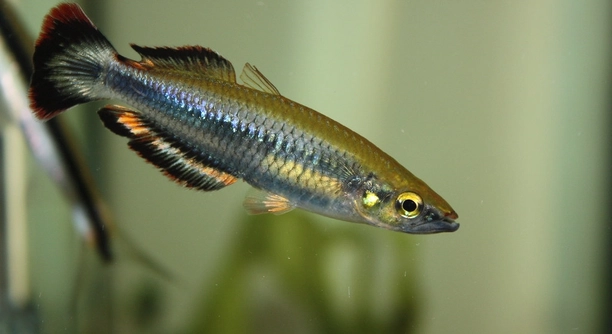
Have you ever noticed your rainbowfish becoming restless and acting differently in your aquarium, leaving you unsure about the sudden tension forming between them in what once felt like a calm and colorful space today.
Rainbowfish begin fighting when stress, limited space, or disrupted social hierarchies trigger aggression, causing them to defend territories or compete for dominance. These behaviors intensify when water conditions decline, resources become scarce, or group dynamics shift within their school community.
Understanding these changes helps you see how small environmental adjustments can restore harmony and support healthier interactions among rainbowfish again.
Common Triggers Behind Rainbowfish Aggression
Rainbowfish can shift from peaceful swimmers to tense competitors when certain conditions fall out of balance in the tank. I have seen how quickly their mood changes when space feels tight or when a new fish disrupts the flow of the group. Small stressors stack up, and the fish begin reacting in ways that seem sudden to us. Their bright colors often make them look cheerful, but they still respond strongly to pressure around them. When feeding patterns change or hiding spots become limited, they start testing each other to figure out who gets priority. Even subtle changes in lighting or water flow can push them toward guarding small corners of the tank. These reactions might seem dramatic, yet they are simply trying to create order in a place that feels uncertain. When you understand these patterns, it becomes easier to help them feel safe again in their daily routines.
Aggression rises fast when their tank setup limits movement or strains their natural hierarchy. Simple issues like crowded spaces, uneven feeding, or sudden changes in water quality can push them to act out. Keeping these factors steady reduces tension and helps them return to calmer behavior in time when supported.
Recognizing these signals early makes care much easier, especially when you want your rainbowfish to feel comfortable in every part of the tank. They react to stress quickly, but they also settle just as fast once their needs are met. Adjusting feeding habits, adding more hiding areas, and keeping a steady routine can calm their nerves. When you watch them closely, you notice small details that guide you toward the right changes. These simple steps support a stable group, and their colors often brighten when they feel secure again in ways that make their movements appear smooth and more peaceful.
How Environment Shapes Their Behavior
Your aquarium setup shapes how rainbowfish interact, and even small adjustments can shift their behavior quickly. When space, water flow, and feeding schedules feel balanced, they move with confidence. Keeping these elements steady encourages calmer patterns that strengthen their sense of safety each day in their simple daily tank routines.
Creating an environment that supports healthy behavior in rainbowfish starts with understanding how sensitive they are to change. Their movements, colors, and interactions all reflect the balance within the tank. When the aquarium feels stable, they glide together easily, but when something shifts, their reactions can become sharper. I have noticed how quickly they pick up on uneven water flow or poorly placed decorations. These small details might seem unimportant, yet they shape how each fish claims space. Offering wide swimming areas, adding plants, and avoiding overcrowding can reduce tension almost immediately. Consistent water changes help keep their stress low, and gentle lighting keeps them from feeling overwhelmed. Feeding them in predictable patterns also prevents unnecessary competition. When all these elements work together, the entire school behaves with more harmony. Their colors brighten, their movements soften, and they use the full tank with confidence. By watching them closely and making small, thoughtful adjustments, you can create a space where they feel secure without constant rivalry.
Managing Conflicts in a Shared Tank
Rainbowfish settle faster when the tank layout supports smooth movement and clear boundaries. Simple changes like adding more plants, widening open spaces, or adjusting decorations can lower tension. These small shifts help them feel less crowded while keeping their natural patterns steady and predictable each day.
Adding structure to the tank gives each rainbowfish room to move without running into sudden obstacles. I have noticed how well they respond when plants and hardscape pieces create gentle separations rather than tight corners. This reduces moments where they bump into each other or feel pressured to defend tiny spots. Keeping feeding times steady also prevents unnecessary competition. When each fish can reach food without pushing through others, the entire group relaxes. Even small routines help them feel secure. These simple choices build a calmer environment where aggressive bursts fade over time and their swimming becomes smoother and more synchronized.
Managing conflicts also means keeping track of their group dynamics. Rainbowfish rely on a natural order within their school, and when one fish feels pushed out, the tension often spreads. Watching their interactions helps you adjust the tank before problems grow. Adding or removing decoration, shifting hiding spots, or giving them more space can quickly reduce pressure. Regular water changes also play a key role, since clean water lowers stress and keeps their reactions balanced. When each fish feels supported by the environment, they stop competing so fiercely. Over time, their behavior steadies, and their colors look brighter and healthier.
Monitoring Behavior for Early Signs
Early signs of tension usually show through quick color changes, sharper movements, or a fish beginning to guard a particular area. I have seen how tiny shifts in their swimming patterns signal that something is off. Noticing these moments helps you act before conflicts grow into daily problems.
Careful observation makes it easier to understand what your rainbowfish need. When you watch them each day, you notice how they respond to light, sound, and movement in the room. Sudden darting or persistent chasing tells you they feel unsettled. Soft adjustments like rearranging plants or giving them more space often reduce stress without disrupting the whole tank. Keeping water parameters stable also helps, since rainbowfish react strongly to any imbalance. When their environment stays consistent, their behavior becomes calmer. Paying attention to these patterns allows you to support them in simple ways that keep the group steady and comfortable.
Creating Stability Through Consistent Care
Stable routines help rainbowfish feel secure. Regular water changes, gentle lighting, and predictable feeding reduce stress and prevent sudden bursts of tension. I have noticed how quickly they settle when each day feels steady and familiar inside their shared space.
Small habits also shape their comfort. Maintaining clean filters, avoiding sudden rearrangements, and keeping noise around the tank low can make a noticeable difference. When everything remains consistent, their movements soften, and they behave with more confidence.
Adjusting Stocking Levels
Rainbowfish handle group living well, but overcrowding pushes them to compete. Giving them enough room to swim reduces chasing and helps each fish maintain its place in the school. I have seen how open space naturally lowers their urge to challenge one another. When the tank holds a balanced number of fish, their colors brighten and their interactions feel calmer. Careful stocking makes the entire aquarium run smoother without constant intervention.
Protecting Weaker Fish
Supporting smaller or timid rainbowfish keeps the group balanced. Offering hiding spots, adjusting feeding spots, or separating a stressed fish temporarily helps prevent ongoing tension and keeps the tank atmosphere steady.
FAQ
Why do rainbowfish suddenly display brighter colors during tense moments?
Brighter colors often appear when rainbowfish feel pressured or when they are trying to assert their standing within the group. I have seen this happen right before chasing begins, almost like a signal to nearby fish. These shifts are not always aggressive by nature, but they often show rising tension. When the tank environment feels unbalanced, their colors intensify as part of their natural response. Stable water quality and calm surroundings usually help tone these reactions down. When everything feels predictable, their colors become more steady and relaxed rather than sharply vibrant.
Can new tank decorations trigger aggressive behavior?
Yes, new decorations can disturb the layout they have already established. Rainbowfish rely on familiar paths and open areas, and sudden changes can make them feel unsettled. When something new blocks space or creates tight corners, they may start testing boundaries with each other. I have noticed that small adjustments made slowly work better than large changes made all at once. If decorations are added gradually, the fish adapt with less stress. Making sure each new piece leaves enough open swimming room helps prevent unnecessary competition.
How can I tell if a rainbowfish is stressed rather than aggressive?
Stress often shows through erratic movements, quick hiding, or a reluctance to join the group. Aggression usually focuses on one fish repeatedly chasing or nipping another. When I watch them closely, I notice that stressed rainbowfish often avoid confrontation altogether. Their fins may tighten, and they might hover near the bottom or behind plants. Aggressive fish, on the other hand, take more direct action. Understanding the difference helps you respond correctly. Stress usually means something in the environment needs adjustment, while aggression may point to hierarchy or space issues.
Is it normal for rainbowfish to chase each other after feeding?
Chasing after feeding is common, especially when food is limited or scattered unevenly. Sometimes one or two fish try to dominate feeding time, which leads to quick bursts of chasing. I have learned that offering food in multiple spots helps calm this pattern. When each fish has access without pushing through others, the group settles much faster. Feeding small portions in different areas keeps them from crowding too tightly. This simple change can reduce tension and encourage more peaceful interactions during meals.
What changes can help reduce constant chasing in a well maintained tank?
If the tank is already clean and stable, the chasing might be related to space or group structure. Rainbowfish need enough swimming room to avoid feeling pressed together. Adding plants or decorations that create gentle divisions can lower tension without closing off too much space. I have watched how even a single well placed plant cluster gives shy fish a place to pause. Keeping a balanced number of fish also matters, since too few can disrupt their natural schooling comfort. When the group feels complete and the environment feels open, their chasing usually becomes less intense.
Why do rainbowfish sometimes target one specific fish?
This often happens when one fish appears weaker, smaller, or out of sync with the group. The others may test this fish to maintain order within the school. I have seen this happen when a fish recovers from illness or when a new fish is introduced. Offering hiding spots and adjusting feeding routines can help the targeted fish regain confidence. Sometimes separating it for a short time allows it to recover without pressure. Once the fish returns stronger, the group usually accepts it more easily.
Should I separate aggressive rainbowfish permanently?
Permanent separation is not always necessary. Temporary separation can help calm the aggressive fish and give the others time to settle. Often, the behavior fades once the environment feels balanced again. I only consider long term separation if the same fish repeatedly causes harm despite stable conditions. In many cases, small changes to space, routine, or group size resolve the issue without needing a permanent split.
Final Thoughts
Rainbowfish can be peaceful and lively when their environment feels steady, and caring for them becomes much easier once you understand the signals they share through their colors, movements, and small interactions. I have noticed how even subtle changes in the tank can shape their behavior, sometimes in ways that seem sudden at first. When the water stays clean, the lighting remains soft, and the space gives them room to glide without obstacles, they begin to show more relaxed patterns. Their schooling becomes smoother, and their little displays of tension fade into the background. It helps to stay patient and observe them often, because their behavior tells you more about their comfort levels than anything else. Small habits like regular water tests, gentle feeding routines, and attention to group balance support their well being. In the long run, these simple steps provide a foundation that helps prevent conflicts long before they begin.
Taking the time to learn how rainbowfish communicate with each other also makes a big difference. They express themselves through body language, quick shifts in color, and the way they move through the tank. When one fish starts feeling pressured, the whole group responds. I have seen how important it is to step back and look at the bigger picture instead of focusing only on one moment of chasing or nipping. Most aggressive behavior comes from natural instincts that keep their group structure in order. When their surroundings feel predictable, those instincts settle down, and the fish return to calm swimming patterns. Offering enough open areas, adding a few hiding spots, and keeping their numbers balanced all help them feel safe. These details might seem small, but they shape how each fish experiences its home. Over time, the tank becomes a place where they interact in gentle and steady ways rather than reacting out of stress.
Caring for rainbowfish is easier when you stay consistent and notice the little things that influence their mood. Their behavior can shift quickly, which is why early observation matters so much. When you catch small signs of stress or disruption, you can fix the issue before it becomes a larger pattern. Whether it is a small change in water quality, new decorations, or shifting group dynamics, they react to each adjustment with clear signals. By staying patient and flexible, you create a tank that supports their natural rhythm. The goal is not to eliminate all signs of dominance or curiosity, since those traits are normal, but to prevent them from turning into ongoing tension. When their environment stays stable and their needs stay met, rainbowfish thrive with bright colors, lively movement, and gentle interactions that bring the whole tank to life.

Hello,
If you enjoy the content that we create, please consider saying a "Thank You!" by leaving a tip.
Every little bit helps us continue crafting quality advice that supports the health, happiness, and well-being of pets around the world, for pets of all shapes, sizes, and species.
We really appreciate the kindness and support that you show us!