
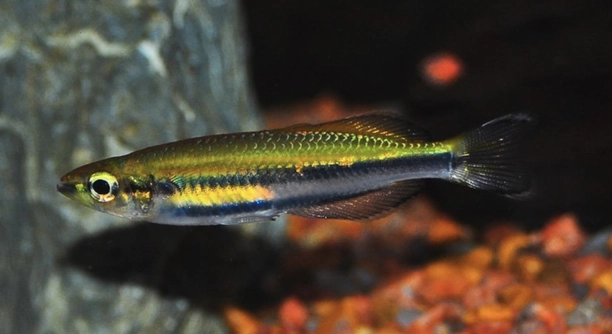
Keeping a fish tank peaceful can sometimes feel impossible, especially when one fish seems to dominate the others. Aggressive behavior can make feeding and maintenance stressful for both the fish and their owner.
Aggression in tanks often arises from territorial disputes, overcrowding, or incompatible species. Implementing consistent feeding schedules, providing hiding spots, and monitoring social dynamics can significantly reduce aggressive behavior and promote a calmer, healthier environment for all aquatic inhabitants.
Learning how to manage aggression will make your tank a more enjoyable space and ensure your fish stay healthy and active.
Create More Hiding Spots
Adding extra hiding spots in your tank can immediately reduce aggression. Fish need places to retreat when they feel threatened or stressed. Rocks, caves, and dense plants provide natural barriers, allowing shy or smaller fish to avoid confrontations. Over time, this lowers stress levels and helps all fish coexist more peacefully. Even rearranging decorations occasionally can break up established territories, giving dominant fish fewer chances to intimidate others. Using a variety of textures and heights for shelters can also create safe zones for multiple species at once. Observing how your fish interact with these new spaces helps you identify trouble spots and adjust accordingly. Plants like Java fern or Anubias not only offer hiding areas but also improve water quality. By providing both visual barriers and places to escape, you help your fish feel secure, which naturally reduces aggressive encounters. Small changes in the tank’s layout can make a big difference in behavior patterns.
Adding more shelters makes fish feel safer and reduces fights. Proper placement of plants and decorations is key to balance.
Some fish are naturally territorial, but increasing the number of hiding spots limits aggressive displays. By creating more corners, caves, and dense plant areas, shy fish can escape, and dominant fish cannot patrol every inch. Regularly updating the tank layout prevents long-term stress, and careful observation ensures each species has its own safe area.
Keep Compatible Species
Choosing fish that naturally coexist reduces tension and prevents ongoing aggression. Mixing incompatible species often leads to continuous fights, stress, and injuries. Selecting fish based on size, temperament, and swimming level improves harmony.
Careful research and selection of tank mates can greatly enhance stability. Introducing fish gradually also helps reduce conflicts.
Some species are naturally more aggressive or territorial, while others are peaceful and prefer group living. Mixing them without consideration can result in constant chasing, nipping, and stress-induced illness. It’s essential to pair species that have similar swimming habits, sizes, and temperaments. Avoid combining large, dominant fish with small, timid ones. Even within peaceful groups, monitor interactions to ensure no individual starts bullying others. Adding fish slowly, instead of all at once, allows the group to adjust to newcomers and establish a stable hierarchy. Over time, carefully chosen species will interact more calmly, reducing aggression without constant intervention.
Maintain Proper Tank Size
A crowded tank increases stress and aggression among fish. Providing enough space for swimming and territories helps reduce fights and ensures healthier interactions between species.
Overcrowding is one of the main reasons fish become aggressive. When multiple fish compete for limited space, chasing and nipping become frequent. Each species has its own space requirements, and ignoring these needs leads to constant tension. Ensuring the tank is appropriately sized for all inhabitants allows each fish to establish its own area without interfering with others. Adding extra swimming areas or vertical space can also help fish coexist more comfortably. Regularly monitoring the number of fish and their growth ensures that the tank remains balanced and peaceful over time.
Providing adequate space also allows shy fish to avoid dominant individuals. Tank size impacts feeding behavior, stress levels, and overall health. Maintaining proper density is essential for long-term harmony.
Feed a Balanced Diet
Poor nutrition can increase aggression as fish compete for food or become irritable. Feeding a varied, high-quality diet keeps fish calmer and healthier.
Fish that lack proper nutrients may display constant chasing or nipping. Providing a mix of flakes, pellets, and occasional live or frozen food ensures all dietary needs are met. Overfeeding should also be avoided, as leftover food can pollute the water and create competition. A consistent feeding schedule helps fish anticipate meals and reduces stress-related aggression. Watching how different species eat can help you distribute food fairly and prevent dominant fish from monopolizing resources. Supplementing with occasional treats or specialized diets improves health and supports calmer behavior, especially in community tanks.
Balanced feeding reduces stress, prevents aggressive competition, and supports long-term fish health. Attention to portion sizes and dietary variety is crucial for maintaining peace in the tank.
Monitor Water Quality
Dirty or unbalanced water can make fish irritable and more aggressive. Regular testing and maintenance help keep fish calm and healthy.
Changing water on a consistent schedule prevents buildup of harmful chemicals. Stable water conditions reduce stress, which lowers territorial disputes and aggressive behaviors among tank inhabitants.
Limit Territorial Disputes
Breaking up visual boundaries helps prevent fights. Rearranging decorations or adding plants can reduce aggressive displays and give fish more freedom to move without confrontation.
Provide Enrichment
Adding toys, plants, or other structures keeps fish occupied. Mental stimulation can prevent boredom-related aggression and encourages natural behavior patterns in a confined space.
Observe Behavior
Regular observation helps detect early signs of aggression. Noticing patterns allows timely intervention before conflicts escalate, ensuring a safer, more peaceful tank environment.
How do I know if my fish are aggressive?
Aggression in fish can show in several ways. Chasing, nipping, and cornering other fish are clear signs. Some fish may flare their fins or display colors more vividly to intimidate tank mates. Observing interactions during feeding or when new fish are added can help identify aggressive behavior early.
Can tank size really affect aggression?
Yes, space plays a major role in fish behavior. Overcrowded tanks force fish to compete for swimming areas, hiding spots, and food, increasing stress and fighting. Providing enough room for each species to establish territory helps reduce tension and allows fish to coexist more peacefully.
Will rearranging decorations help reduce fighting?
Rearranging tank decorations can disrupt established territories and reduce aggression. By breaking visual boundaries, dominant fish have fewer areas to patrol, and shy fish gain safer spaces. Adding plants, caves, or other hiding spots also gives all fish places to retreat, which minimizes stress and confrontations.
How often should I feed my fish to prevent aggression?
Feeding consistently helps reduce competition. Fish that are hungry are more likely to chase and nip others. Providing small, frequent meals or spreading food evenly throughout the tank ensures all fish get enough and prevents dominant individuals from monopolizing resources. Offering a variety of foods also keeps them healthy.
Do certain fish species fight more than others?
Yes, some species are naturally more territorial or aggressive. Larger, predatory, or highly territorial fish tend to dominate others, while peaceful schooling fish usually coexist without issues. Researching compatibility before adding new species is key to maintaining harmony in the tank.
Can water quality influence aggression?
Poor water quality increases stress, which can trigger aggressive behavior. High levels of ammonia, nitrites, or nitrates make fish irritable. Regular water changes, proper filtration, and monitoring parameters like pH and temperature help maintain calm and healthy fish. Stress-free fish are less likely to fight.
Will adding more hiding spots completely stop aggression?
While hiding spots significantly reduce stress, they may not eliminate aggression entirely. They give shy fish places to retreat, but dominant fish may still chase others occasionally. Combining shelters with proper tank size, compatible species, and balanced feeding is more effective in controlling aggressive behavior.
Is it safe to separate aggressive fish?
Yes, temporarily separating aggressive fish can prevent injuries. Using a divider or moving the aggressive individual to another tank allows others to calm down. Observation during this time helps determine if permanent separation is needed or if the fish can eventually be reintroduced safely.
Does lighting affect fish aggression?
Lighting can influence behavior. Very bright lights may stress some species, making them more irritable. Providing shaded areas or adjusting lighting intensity to match natural habitats can help fish feel secure and reduce aggressive interactions.
Can enrichment activities really help?
Yes, adding enrichment like plants, tunnels, or floating objects keeps fish engaged and reduces boredom. Mental stimulation encourages natural behaviors, like exploring or foraging, which lowers the likelihood of aggression from idle or frustrated fish. This is especially important in smaller tanks where space is limited.
How can I monitor long-term aggression trends?
Keeping a journal or notes on interactions during feeding, new additions, or tank rearrangements helps track patterns. Noticing recurring aggressive behavior allows timely interventions, such as adjusting tank layout, adding shelters, or re-evaluating species compatibility. Regular observation is key to maintaining a peaceful environment.
Should I remove a fish if it continues being aggressive?
Persistent aggression may require removal, especially if other fish are injured or stressed. Temporary separation can be tried first, but if the behavior continues despite adjustments, finding a separate tank or rehoming the aggressive fish ensures the safety and health of the rest of the community.
Can stress from outside the tank cause aggression?
Yes, loud noises, sudden movements, or frequent handling can stress fish, increasing aggression. Keeping the tank in a quiet area, avoiding tapping on glass, and minimizing disturbances helps maintain calm behavior and reduces conflict.
How long does it take to see improvements after making changes?
Changes like adding shelters, rearranging decorations, or adjusting feeding can show effects within days or weeks. Some fish may take longer to adapt, so patience and careful observation are essential. Gradual improvements indicate a more stable and peaceful tank environment over time.
Keeping a peaceful tank takes patience and attention, but the effort is worth it. Aggressive behavior in fish is common, and it can make caring for them stressful if left unchecked. By understanding why fish act aggressively, you can take steps to create a calmer environment. Factors like overcrowding, poor water quality, territorial disputes, and incompatible species all contribute to tension in the tank. Simple adjustments, such as adding hiding spots, rearranging decorations, and choosing compatible fish, can have a big impact on reducing fights. Observing your fish regularly helps you spot early signs of aggression and respond before problems escalate, which protects all the fish and keeps the tank balanced.
Feeding and nutrition play an important role in managing aggression. Hungry or stressed fish often compete more aggressively for food. Providing a balanced diet and spreading food evenly throughout the tank reduces this competition and supports healthier interactions. A consistent feeding schedule also helps fish feel secure, which lowers stress-related behavior. Along with nutrition, maintaining stable water conditions is essential. Regular water changes and proper filtration keep harmful chemicals at safe levels, which helps fish remain calm. Fish are very sensitive to changes in their environment, and even small disruptions in water quality can trigger irritability. Keeping the water clean and stable improves health, reduces stress, and lowers the likelihood of aggressive behavior.
Enrichment and observation further contribute to a peaceful tank. Providing plants, caves, or objects that fish can explore helps prevent boredom, which can otherwise lead to nipping or chasing. Shy fish benefit from places to hide, while dominant fish are less likely to patrol aggressively if their territory is not fixed. Watching fish behavior over time allows you to notice patterns and make adjustments, such as moving decorations or separating a persistent aggressor. Combining these steps—adequate space, compatible species, proper feeding, stable water, hiding spots, and enrichment—creates an environment where fish can thrive together. A well-managed tank promotes health, reduces stress, and ensures that your fish can coexist without constant conflict, making the experience of maintaining a tank more rewarding and enjoyable.

Hello,
If you enjoy the content that we create, please consider saying a "Thank You!" by leaving a tip.
Every little bit helps us continue crafting quality advice that supports the health, happiness, and well-being of pets around the world, for pets of all shapes, sizes, and species.
We really appreciate the kindness and support that you show us!