
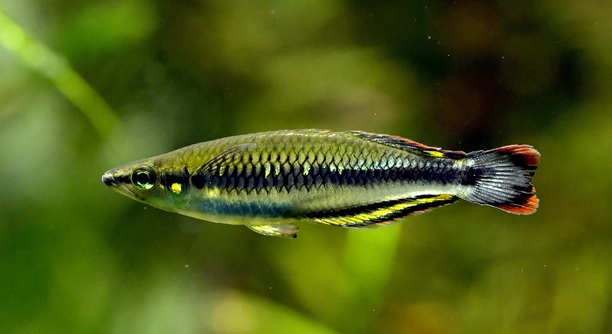
Have you ever noticed your rainbowfish staying in one corner of the tank, barely moving for long periods of time? Observing their behavior can feel puzzling, especially when they usually swim actively throughout their environment.
Rainbowfish often remain in one corner due to stress, water quality issues, or lack of hiding spots. Limited swimming space, sudden changes in lighting, or aggressive tank mates can also influence this stationary behavior and affect overall fish health.
Understanding these patterns helps ensure your rainbowfish remain healthy and comfortable in their tank environment. Small adjustments can make a noticeable difference in their daily activity.
Common Reasons Rainbowfish Stay in One Corner
Rainbowfish may choose to stay in one corner for several reasons. Stress is a major factor, often caused by sudden changes in water temperature or environment. Poor water quality, including high ammonia or nitrate levels, can make them uncomfortable. Sometimes, the tank lacks enough plants or hiding spots, which makes them feel exposed and unsafe. Aggressive tank mates may also drive them to a corner to avoid confrontation. Even subtle changes, like new decorations or rearranged gravel, can disrupt their sense of security. Overcrowding is another issue, as limited space reduces their swimming freedom. Lighting also plays a role; too bright or flickering lights can make them retreat. Feeding habits influence behavior too—if food is always on one side, they may spend more time there. Understanding these factors is essential to keep rainbowfish active and healthy.
Proper water care and tank setup greatly improve rainbowfish comfort and reduce corner-hiding behavior.
Observing your fish daily helps identify triggers. Adjusting temperature, adding plants, and ensuring compatible tank mates encourages them to explore the entire tank, improving their overall well-being. Consistency in feeding and gentle interaction strengthens their sense of security. Small changes can create a noticeable difference in their swimming patterns.
Water Quality and Tank Environment
Poor water conditions can make rainbowfish hide frequently. Dirty water, improper pH, or fluctuating temperatures stress them and reduce activity.
Maintaining proper water quality requires regular testing, timely water changes, and suitable filtration. Ideal conditions include stable temperatures, clean water, and sufficient oxygen. Plants and decorations provide hiding spots, while enough swimming space prevents territorial stress. Regular observation ensures issues are caught early, reducing long-term stress. Overcrowding and improper tank size also worsen water quality, increasing ammonia and nitrate buildup. Using a thermometer and water testing kit helps keep conditions stable. Choosing compatible tank mates prevents bullying and allows rainbowfish to move freely. A calm environment with gentle lighting encourages natural behavior. Proper care not only reduces hiding but also promotes vibrant coloration and healthier fish overall. Consistency in maintenance routines ensures rainbowfish remain active and less prone to stress-induced corner-hiding. With patience and attention, they will explore their tank with confidence and curiosity, displaying their full natural behavior.
Stress and Social Dynamics
Rainbowfish may retreat to one corner when feeling stressed or threatened. Aggressive tank mates or sudden changes in the tank environment often trigger this behavior. Stress reduces activity and can impact feeding, coloring, and overall health.
Stress can build quietly over time. Even minor disturbances, like loud noises near the tank or sudden movement, may cause rainbowfish to seek refuge. Incompatible tank mates can push them into corners to avoid conflict. Lack of hiding spots worsens stress because the fish has no safe place to retreat. A calm environment with stable conditions is essential to reduce these issues. Observing interactions among fish helps identify potential sources of stress and allows you to make necessary adjustments. Proper stress management promotes healthier, more active fish.
Social dynamics also affect positioning. Rainbowfish establish a hierarchy, and less dominant individuals may spend more time in corners to avoid conflict. Ensuring a balanced group and adequate space allows them to feel secure and move freely.
Feeding and Activity Patterns
Feeding routines strongly influence where rainbowfish spend their time. Fish often linger in areas where food is consistently offered, which can lead to corner behavior if feeding occurs in the same spot.
Activity levels change throughout the day, influenced by light, temperature, and feeding schedules. Fish are naturally more active during certain hours, but if they anticipate food in a specific area, they may remain there longer. Uneven distribution of food can create territorial behavior, with dominant fish controlling certain spots. Providing varied feeding locations encourages exploration and more balanced activity. Ensuring high-quality, nutritious food supports health and energy, reducing the tendency to hide. Monitoring how fish respond to feeding patterns helps maintain a dynamic and active tank environment, improving overall well-being.
Lighting and Tank Placement
Bright or fluctuating lights can make rainbowfish feel exposed, prompting them to stay in one corner. They prefer consistent, moderate lighting that mimics natural conditions.
Tank placement also matters. Tanks near loud areas or direct sunlight can stress fish. A quiet, stable location encourages them to swim freely.
Temperature and Water Stability
Rainbowfish are sensitive to temperature changes. Sudden shifts or inconsistent heating can cause them to retreat and remain inactive. Stable water conditions are essential for their comfort and health. Even a few degrees’ variation can trigger hiding behavior, reducing feeding and overall activity. Consistency in monitoring and adjusting the heater helps maintain a calm environment. Using a thermometer ensures accuracy, while gradual changes during maintenance prevent shock. Pairing temperature stability with proper filtration and aeration keeps the water clean and oxygenated. By maintaining these factors, rainbowfish are more likely to explore the tank and exhibit natural behavior, avoiding prolonged corner hiding.
Tank Decorations and Hiding Spots
Insufficient plants or decorations can make rainbowfish feel unsafe. Adding hiding spots encourages natural movement and reduces corner-staying behavior.
FAQ
Why does my rainbowfish stay in one corner all the time?
Rainbowfish often stay in one corner due to stress, poor water quality, or lack of hiding spots. Aggressive tank mates or sudden changes in the environment can also make them feel unsafe. Ensuring stable water conditions, adding plants, and arranging decorations for hiding can encourage them to swim more.
Can poor water quality cause rainbowfish to hide?
Yes, high levels of ammonia, nitrites, or nitrates can make rainbowfish uncomfortable. Dirty or poorly filtered water stresses them, leading to corner-staying behavior. Regular water changes, proper filtration, and monitoring pH and temperature help maintain a healthy environment and reduce hiding.
Does tank size affect rainbowfish behavior?
A small or overcrowded tank can limit swimming space, causing fish to retreat to corners. Providing adequate space for each fish and keeping compatible groups ensures they feel safe, reduces stress, and promotes natural movement throughout the tank.
How do aggressive tank mates influence rainbowfish?
Aggressive fish can intimidate rainbowfish, forcing them to hide in corners to avoid conflict. Observing interactions and choosing peaceful tank mates allows rainbowfish to explore freely and reduces stress-related hiding. Rearranging tank décor can also create safe zones for shy fish.
Can lighting make rainbowfish stay in one corner?
Yes, too bright or flickering lights can make rainbowfish feel exposed. Consistent, moderate lighting that simulates natural conditions helps them feel comfortable and encourages movement throughout the tank. Adding shaded areas can also provide security.
Does feeding affect their positioning in the tank?
Fish often linger in areas where food is consistently provided. Feeding in multiple locations encourages exploration and balanced activity. Uneven food distribution can lead to territorial behavior, with dominant fish controlling preferred spots. High-quality food supports energy and reduces prolonged hiding.
Are temperature changes harmful to rainbowfish?
Rainbowfish are sensitive to temperature fluctuations. Sudden shifts or inconsistent heating can stress them and lead to corner-staying behavior. Using a reliable heater and thermometer ensures stable water conditions, while gradual adjustments during maintenance prevent shock.
Do decorations influence hiding behavior?
Lack of plants or hiding spots can make rainbowfish feel unsafe. Adding decorations or live plants creates shelter, reduces stress, and encourages natural swimming. They use these areas to rest or feel secure when stressed, which prevents constant corner-staying.
How long should rainbowfish stay active each day?
Rainbowfish are naturally active throughout the day but may rest in hiding spots periodically. Consistent water conditions, proper feeding, and low-stress environments help them maintain regular activity and explore the tank rather than staying in one corner.
Can stress from noise or movement affect rainbowfish?
Yes, sudden loud noises, vibrations, or frequent movement around the tank can make rainbowfish retreat. Placing the tank in a quiet, stable area and minimizing disturbances encourages them to swim freely and feel secure in all parts of the tank.
How can I tell if my rainbowfish is unhealthy or just shy?
Shy fish may hide but still eat and show normal coloring. Signs of illness include faded colors, clamped fins, labored breathing, or lack of appetite. Maintaining water quality, providing proper nutrition, and observing behavior daily helps differentiate between stress, shyness, and health issues.
What can I do to encourage more activity?
Introduce plants, decorations, and hiding spots in different areas. Feed in multiple locations, ensure stable temperature and water quality, and maintain calm lighting. Observing their response allows you to make adjustments and encourages rainbowfish to move freely rather than staying in one corner.
Can overcrowding cause rainbowfish to hide?
Yes, overcrowding creates stress and territorial disputes. Each fish needs enough space to swim and explore. Reducing tank population, providing hiding areas, and ensuring peaceful tank mates prevents corner-staying behavior and promotes healthier, active fish.
Are rainbowfish more active at certain times of the day?
Rainbowfish tend to be more active during daylight hours when the tank is lit moderately. Feeding schedules, light cycles, and water conditions influence activity. Consistent routines help them feel secure and maintain regular movement throughout the tank.
Is adding live plants beneficial?
Live plants provide shelter and create a natural environment. They reduce stress, give fish places to hide, and encourage exploration. Plants also improve water quality by absorbing nitrates, making the tank healthier and more comfortable for rainbowfish to swim freely.
Final Thoughts
Rainbowfish staying in one corner of the tank is often a sign that something in their environment needs attention. Many factors can influence this behavior, including water quality, tank size, lighting, temperature, and the presence of aggressive tank mates. Poor water conditions, such as high ammonia, nitrite, or nitrate levels, can make them uncomfortable and stressed, which often leads to hiding in one area. Regular water changes, proper filtration, and monitoring water parameters are essential to keep rainbowfish healthy. Ensuring that the tank has enough space and is not overcrowded also helps them feel secure and move freely. Small adjustments in their surroundings can have a big impact on their activity levels, allowing them to explore rather than remain in a single spot.
Stress is another key reason rainbowfish may remain in one corner. Fish are sensitive to sudden changes in lighting, temperature, or tank layout. Even minor disturbances, like rearranging decorations or loud noises near the tank, can cause them to feel unsafe. Providing hiding spots, plants, or decorations gives them places to retreat and reduces anxiety. Social interactions are important too. Aggressive or overly dominant tank mates may push shy fish to the corners. Observing how your rainbowfish interact with others can help you identify potential stressors. Adjusting the number of fish, providing enough hiding areas, and maintaining a peaceful environment encourages them to swim freely and exhibit natural behavior.
Feeding routines and activity patterns also play a role. Rainbowfish often spend time in areas where food is consistently available. Feeding in multiple locations promotes exploration and reduces corner-staying tendencies. Proper nutrition keeps them healthy and energetic, while stable water temperature and moderate lighting support natural activity levels. Observing your fish daily allows you to see patterns and make small changes that improve their comfort. Over time, implementing these adjustments creates a more balanced environment where rainbowfish feel safe, healthy, and active. Taking care of their tank, water, social environment, and daily routine ensures that they are more likely to move freely and display their natural, lively behavior instead of hiding in one corner for extended periods.

Hello,
If you enjoy the content that we create, please consider saying a "Thank You!" by leaving a tip.
Every little bit helps us continue crafting quality advice that supports the health, happiness, and well-being of pets around the world, for pets of all shapes, sizes, and species.
We really appreciate the kindness and support that you show us!