
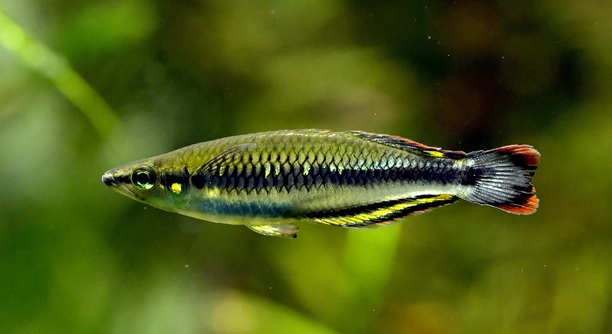
Have you ever noticed how rainbowfish move differently just before a storm or sudden weather change? Many aquarists and researchers observe their subtle shifts in behavior and wonder if these colorful fish can sense environmental changes.
Rainbowfish are capable of detecting changes in atmospheric pressure and water conditions. These sensory abilities allow them to respond to approaching storms or pressure shifts, often altering swimming patterns, activity levels, and hiding behavior to adapt to changing environments.
Observing these reactions can provide insights into their natural instincts and the ways they interact with their surroundings in both home aquariums and the wild.
How Rainbowfish Sense Changes
Rainbowfish rely on sensitive systems in their bodies to detect shifts in their environment. Tiny changes in water pressure or air pressure can alert them to approaching weather. Many aquarists notice rainbowfish swimming closer to the bottom of the tank or gathering near plants just before a storm. Their lateral line, a series of sensory organs along their sides, helps them detect vibrations and currents in the water. This allows them to sense changes even if they are subtle, giving them time to react. Other factors, such as changes in light or temperature, may also play a role in their behavior. Observing these reactions can help keep aquariums safer and more stable. In the wild, this ability increases their chances of avoiding predators during turbulent weather. Recognizing these cues can make caring for rainbowfish more informed and responsive, ensuring they remain healthy and less stressed.
These sensory reactions are instinctive and consistent across many rainbowfish species.
Understanding how rainbowfish sense environmental changes shows how finely tuned their survival instincts are. It highlights their adaptability and explains why they react before storms, offering insight into managing both aquarium and natural habitats effectively.
Behavior Before a Storm
Rainbowfish often change their activity levels before storms.
Before a storm, rainbowfish may reduce swimming, hide among plants, or move to lower areas of the tank. These actions minimize exposure to potential disturbances. Changes in water pressure and approaching turbulence trigger these instincts, allowing them to protect themselves. Monitoring these behaviors helps aquarists anticipate stressors and maintain stable conditions, ensuring fish remain calm and healthy. In aquariums, these subtle adjustments can indicate environmental shifts even before external signs, like rainfall or pressure changes, are noticeable. Observing these patterns closely helps identify species-specific responses, allowing caretakers to adapt feeding, lighting, and tank placement to match the fish’s natural preferences. Wild rainbowfish show similar patterns, often seeking shelter or slowing movements before storms. Their behavior demonstrates an evolutionary adaptation, combining sensory perception and instinctive action to navigate changing conditions safely. These responses not only reflect survival strategies but also provide a unique perspective on the complexity of fish behavior, revealing how even small aquatic species have highly developed mechanisms for dealing with environmental changes.
Detecting Pressure Shifts
Rainbowfish can sense small changes in water and air pressure. These shifts make them adjust swimming depth, speed, and position. Their lateral line system detects vibrations, giving them an early warning of environmental changes, which helps them react instinctively before conditions worsen.
Pressure changes in the water influence rainbowfish behavior noticeably. They may start swimming slower, stay near the bottom, or group together more tightly. These reactions reduce stress and protect them from potential harm. In aquariums, subtle fluctuations in air pressure from weather changes can trigger similar behavior. Observing these patterns provides insight into their natural instincts and helps aquarists manage tanks more effectively. Recognizing these early signals is key to maintaining fish health and comfort.
In natural habitats, pressure shifts affect how rainbowfish navigate rivers, lakes, and streams. They respond by changing direction, seeking shelter, or adjusting movement speed. These behaviors are survival mechanisms that help avoid strong currents or predators. The ability to detect pressure ensures they remain safe during sudden weather events. By paying attention to these changes, aquarists can better mimic natural conditions and support the fish’s well-being. Their sensitivity demonstrates the complexity of their sensory systems and adaptability in dynamic environments.
Signs of Impending Storms
Rainbowfish often show subtle physical and behavioral signs before storms, including reduced activity and hiding.
Before storms, rainbowfish frequently alter swimming patterns, stay close to the bottom, or cluster near plants. Changes in barometric pressure influence these actions, signaling that environmental conditions are about to shift. They may also become less active overall, conserving energy while preparing for turbulent conditions. In aquariums, these behaviors appear even without obvious external weather changes, reflecting their acute environmental awareness. Monitoring these cues can help caretakers anticipate stressors and provide calmer, more stable conditions. Observing these natural responses ensures fish remain comfortable and reduces potential health issues.
Environmental factors like temperature, light, and water currents also affect storm-related behavior. Rainbowfish integrate multiple cues to make decisions that enhance survival. Changes in cloud cover or sunlight may trigger slight movements or hiding, complementing pressure-based responses. Their lateral line system senses vibrations, allowing them to detect subtle disturbances in water. In addition, interactions with other fish influence positioning and group behavior, strengthening protective measures. Recognizing and interpreting these signs in aquariums allows for proactive adjustments in feeding, water circulation, and lighting. Understanding this combination of sensory inputs and instinctive responses offers a clear picture of how rainbowfish navigate natural challenges while maintaining health and stability in managed environments.
Preparing for Environmental Changes
Rainbowfish often adjust their positions in the tank or hide when sensing environmental shifts. These subtle changes help them remain safe and reduce stress before conditions become unfavorable. Their instincts are finely tuned to detect even small disturbances in water and air pressure.
They may also slow down swimming or cluster together. This behavior conserves energy and provides additional protection. Observing these adjustments can give a clear indication of how sensitive rainbowfish are to their surroundings and how quickly they react to potential threats.
Impact on Aquarium Care
Understanding rainbowfish responses to pressure and storms helps in maintaining stable aquarium conditions. Adjusting water flow, temperature, and tank lighting during sensitive periods can reduce stress. Consistent observation allows aquarists to replicate natural conditions, supporting fish health and normal behavior while minimizing risk from sudden environmental changes.
Group Behavior Adjustments
Rainbowfish often coordinate movements with other fish when sensing disturbances. Staying close together or following a leader reduces exposure to risks.
FAQ
How do rainbowfish sense storms?
Rainbowfish detect storms primarily through changes in water and air pressure. Their lateral line system senses vibrations and subtle movements in water, while shifts in barometric pressure alert them to approaching weather. These signals trigger instinctive responses such as hiding, reducing activity, or staying near the bottom of the tank.
Do all rainbowfish react the same way to pressure changes?
Not all rainbowfish respond identically. While most species show reduced swimming activity or group together, the intensity and timing of reactions can vary depending on species, age, and individual temperament. Some may hide immediately, while others remain active but adjust their position or speed. Environmental familiarity also plays a role.
Can rainbowfish sense pressure changes in aquariums?
Yes, rainbowfish in aquariums can sense pressure changes caused by weather, heating systems, or air circulation. Even without natural storms, small fluctuations in temperature or water conditions can trigger their natural instincts. Observing these behaviors helps aquarists maintain calm and stable environments.
Why do rainbowfish hide before storms?
Hiding is a protective response. It reduces exposure to potential threats and conserves energy when environmental conditions are unstable. In the wild, it helps avoid predators during turbulent weather. In aquariums, hiding reflects instinctive adaptation to perceived changes in their surroundings.
How can I tell if rainbowfish are stressed by pressure changes?
Signs include slower swimming, clustering, staying at the bottom, or hiding in plants. Color changes or decreased appetite may also occur. Monitoring these behaviors allows caretakers to adjust tank conditions and reduce stress. Providing shelters and stable water conditions helps maintain comfort.
Do rainbowfish communicate these changes to each other?
Yes, group behavior often reflects collective responses to environmental changes. Some fish may lead movements toward safer areas, while others follow. This coordinated behavior increases survival chances in the wild and shows how instinctive signals are shared within a group.
How quickly do rainbowfish respond to pressure shifts?
Responses can occur within minutes of detecting changes. The lateral line system and sensitivity to barometric pressure provide immediate feedback. While some behaviors are subtle at first, they can intensify if conditions worsen, reflecting rapid instinctive adjustments.
Can aquarium setups influence their sensitivity?
Absolutely. Tank size, layout, water circulation, and lighting affect how rainbowfish perceive changes. Larger or poorly filtered tanks may mask subtle signals, while well-maintained, naturalistic setups allow clearer responses. Observing fish in different setups helps identify optimal conditions for reducing stress.
Are younger rainbowfish more sensitive to pressure changes?
Juvenile rainbowfish may show heightened sensitivity due to smaller size and developing instincts. They might hide sooner or cluster more tightly than adults. Over time, experience and exposure to environmental cues can moderate responses, though basic instincts remain strong.
What other behaviors indicate environmental awareness?
Aside from hiding and clustering, rainbowfish may adjust swimming speed, color intensity, or positioning in the tank. They may move closer to plants or decorations for shelter. Watching these patterns can provide insight into their health, mood, and environmental awareness.
Can observing these behaviors improve aquarium care?
Yes, observing how rainbowfish react to subtle changes can guide adjustments in water flow, lighting, and feeding schedules. Recognizing stress signals allows for timely interventions. This helps maintain stable conditions, reduces stress, and supports natural behavior, improving overall health and well-being.
Do rainbowfish react differently in groups compared to alone?
Yes, group dynamics influence behavior. In groups, fish often follow each other’s lead, enhancing protection. Alone, a rainbowfish may hide more frequently or show erratic movement. Group behavior provides a sense of security and reflects natural instincts shaped by social interaction.
Are rainbowfish responses to storms purely instinctive?
Mostly, yes. Responses are hardwired survival behaviors developed through evolution. Instinct triggers protective measures such as hiding, slowing movement, and seeking shelter. While some learning occurs in familiar environments, these reactions remain primarily instinctual.
Can these behaviors be used to predict weather?
Rainbowfish can act as indicators of pressure changes, but they are not precise meteorological tools. Observing consistent patterns can give clues to approaching storms or environmental shifts, but results may vary depending on tank conditions, species, and individual sensitivity.
How long do these behaviors last after a storm or pressure change?
Behavior usually returns to normal within hours or a day, depending on the fish and the severity of environmental shifts. Recovery may involve resuming normal swimming patterns, exploring previously avoided areas, and regaining appetite. Stability in the tank accelerates this process.
Are there long-term effects of frequent pressure changes?
Frequent environmental fluctuations can cause chronic stress, leading to reduced appetite, weakened immunity, and color fading. Providing a stable environment, adequate hiding spots, and minimal sudden disturbances helps reduce the negative impact of repeated pressure changes.
Do rainbowfish ever ignore pressure changes?
Some individuals may appear indifferent if changes are minor or gradual. Experience, tank familiarity, and individual temperament influence sensitivity. Even when responses seem subtle, rainbowfish still process environmental cues and may react if conditions intensify.
Can observing rainbowfish help in studying fish behavior?
Yes, their clear responses to environmental shifts make rainbowfish good subjects for studying instinctive behavior, sensory perception, and group dynamics. Careful observation in controlled settings can reveal how fish perceive and react to changes, offering insight into broader aquatic behavior patterns.
Do all aquarists notice these behaviors easily?
Not always. Subtle cues like slight color changes or minor position shifts can be overlooked. Regular observation, attention to group interactions, and understanding species-specific tendencies improve detection. Over time, caretakers can better anticipate responses and adjust care accordingly.
Is there a way to simulate pressure changes safely for rainbowfish?
Mild, gradual changes in lighting, water flow, or tank aeration can mimic environmental shifts without causing stress. Sudden or extreme adjustments should be avoided, as they can harm the fish. Observing responses helps fine-tune tank conditions while maintaining safety.
How important is shelter for rainbowfish during these times?
Providing plants, rocks, or other hiding spots is essential. Shelters allow fish to seek protection instinctively when sensing storms or pressure changes. Adequate shelter reduces stress, supports natural behavior, and contributes to overall health and well-being.
Can diet influence their response to environmental changes?
Nutrition affects overall health, which in turn impacts stress responses. Well-fed, healthy rainbowfish are more resilient and recover faster from disturbances. Consistent, balanced diets support sensory systems and allow instinctive behaviors to function effectively.
Do rainbowfish ever misinterpret environmental cues?
Occasionally, minor disturbances or sudden movements in the tank may trigger responses similar to pressure changes. While not harmful, misinterpretation shows how sensitive their sensory systems are and highlights the need for calm, predictable aquarium conditions.
Are there signs that a rainbowfish is overreacting to changes?
Excessive hiding, frantic swimming, or repeated attempts to escape indicate stress beyond normal instinctive responses. If these behaviors persist, it may suggest the environment is unstable or uncomfortable. Adjustments to water quality, lighting, and tank layout can help restore balance.
How do rainbowfish recover after stress from environmental changes?
Recovery involves resuming normal swimming, exploring the tank, and feeding regularly. Stability in tank conditions and the presence of shelter accelerate this process. Monitoring recovery ensures that stress does not have long-term effects on health or behavior.
Can observing rainbowfish teach about natural habitats?
Yes, their behavior mirrors natural responses to weather and environmental shifts. Watching instinctive reactions provides insight into survival strategies, social dynamics, and environmental awareness in rivers, lakes, and streams, offering a practical window into their ecological adaptations.
Do rainbowfish need special care during stormy weather?
In aquariums, maintaining stable water conditions, providing shelter, and minimizing sudden disturbances helps reduce stress. Observing their behavior allows for timely adjustments, ensuring comfort and safety even when natural environmental cues are absent.
Rainbowfish are remarkable creatures with a keen ability to sense changes in their environment. Their sensitivity to shifts in water pressure, air pressure, and subtle vibrations allows them to respond instinctively to approaching storms or other disturbances. These responses, which include hiding, slowing their swimming, or gathering near shelter, are part of their natural survival strategy. By paying attention to these behaviors, aquarists can better understand the needs of their fish and create conditions that support their health and well-being. Observing rainbowfish closely not only reveals their instinctive responses but also highlights the complexity of even small freshwater species. Their ability to detect changes that humans cannot immediately perceive demonstrates how finely tuned their sensory systems are and how essential these skills are for survival in the wild.
In aquariums, the behaviors of rainbowfish provide useful guidance for maintaining a stable and comfortable environment. When they react to minor changes in pressure or water conditions, it is a clear signal that adjustments may be necessary. Providing adequate hiding spaces, controlling water temperature, and maintaining consistent lighting are practical steps to reduce stress and allow the fish to behave naturally. These measures help replicate elements of their natural habitats, which in turn supports their overall health and activity levels. Understanding the way rainbowfish respond to environmental cues also allows caretakers to anticipate stress points and intervene before problems arise. This insight is particularly important because repeated or prolonged stress can affect their immune systems, appetite, and coloration. By monitoring their reactions and adjusting care practices, aquarists can ensure the fish remain healthy, active, and comfortable over the long term.
Rainbowfish behavior is both fascinating and instructive. Observing their reactions to changes in pressure, storms, or other environmental shifts provides a window into their instincts and survival strategies. These behaviors are not random but carefully tuned responses that help them stay safe, avoid predators, and conserve energy. For anyone keeping rainbowfish, understanding these patterns improves the quality of care and fosters a more natural and supportive environment. Even small details, such as clustering near plants or moving to deeper parts of the tank, can indicate the fish’s perception of changes and the level of comfort they feel. Taking note of these subtle cues ensures that aquarists respond appropriately to their fish’s needs. Ultimately, paying attention to rainbowfish behavior highlights the importance of creating stable, naturalistic habitats, respecting their instincts, and recognizing the complexity of their responses to the world around them. This understanding makes caring for rainbowfish more effective, rewarding, and aligned with their natural behavior patterns.

Hello,
If you enjoy the content that we create, please consider saying a "Thank You!" by leaving a tip.
Every little bit helps us continue crafting quality advice that supports the health, happiness, and well-being of pets around the world, for pets of all shapes, sizes, and species.
We really appreciate the kindness and support that you show us!