
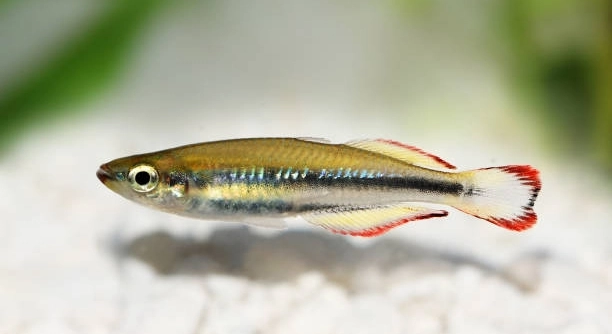
Rainbowfish are colorful and lively additions to home aquariums. Watching them swim gracefully can be relaxing, but noticing a fin twitching can be worrying for any fish owner. Understanding why this happens is important.
Fin twitching in rainbowfish can result from multiple causes, including water quality issues, parasites, bacterial infections, nutritional deficiencies, stress, injury, or genetic factors. Identifying the specific cause is essential for maintaining the fish’s health and preventing further complications.
Recognizing the root of fin twitching will help you provide proper care. Learning the common causes can ensure your rainbowfish remain healthy and active in their environment.
Poor Water Quality
Poor water quality is one of the main reasons rainbowfish experience fin twitching. High levels of ammonia, nitrites, or nitrates can irritate their delicate fins and skin. Sudden changes in pH or temperature can also stress the fish, causing involuntary movements. Even if the water looks clear, chemical imbalances may exist that are harmful. Regular water testing and partial water changes are essential to maintain a safe environment. Uneaten food and decaying plants can quickly deteriorate water quality. Ensuring proper filtration and avoiding overcrowding are crucial steps. Consistent care helps prevent health issues and keeps rainbowfish swimming calmly. Observing their behavior daily allows you to notice subtle changes, making it easier to act before problems worsen. Small adjustments, like using a water conditioner or stabilizing temperature, can greatly reduce fin twitching. Taking the time to maintain water parameters pays off with a healthier, more vibrant aquarium.
Testing water frequently and performing partial changes reduces stress and fin twitching, keeping rainbowfish safe in a balanced aquatic environment.
Maintaining clean water is more than just changing it occasionally. Fish are sensitive to chemicals and sudden shifts in their environment. When ammonia or nitrite spikes, fins may twitch or curl. Even minor issues, like leftover food, can affect water quality over time. Filtration systems help, but they need regular maintenance. Stabilizing temperature and pH prevents stress that can lead to fin problems. Monitoring water consistently allows for early intervention. Addressing water issues early keeps fish active and prevents secondary infections. With steady care, rainbowfish enjoy a healthier, calmer life. Observing their swimming patterns and fin movements gives insight into water conditions, making preventive care straightforward. Clean water directly influences fin health, overall activity, and longevity. By staying attentive, you reduce common stressors and maintain a supportive environment where rainbowfish thrive without unnecessary twitching or discomfort.
Nutritional Deficiencies
Rainbowfish require a balanced diet to keep fins strong and healthy. Lack of essential nutrients can lead to twitching and weak fin tissue.
Poor nutrition can cause fin fraying, discoloration, and involuntary movements. A diet lacking vitamins, minerals, or protein affects overall health. Feeding a mix of flakes, pellets, and occasional live or frozen foods ensures proper nutrient intake. Vitamins like C and D, along with omega-3 fatty acids, help maintain fin integrity. Overfeeding or relying solely on one type of food can also create deficiencies, indirectly causing fin issues. Rainbowfish need variety to support their immune system, coloration, and fin growth. Regular observation during feeding helps identify if a fish is not getting enough or if a particular food is rejected. Supplementing occasionally with high-quality foods or liquid vitamins can prevent deficiencies. Addressing diet promptly restores fin health and reduces twitching, keeping rainbowfish active and vibrant over time. A careful approach to nutrition promotes long-term well-being, minimizing health concerns linked to improper feeding habits.
Parasites
Parasites on rainbowfish can cause fin twitching and discomfort. External parasites irritate the skin and fins, leading to constant movement or rubbing against tank surfaces. Prompt detection is essential to prevent serious health issues and further spreading within the aquarium.
Parasites such as flukes, lice, and protozoa attach to the fish, feeding on blood or tissue. This irritation often results in twitching or flicking of fins. Infected rainbowfish may also show clamped fins, lethargy, or reduced appetite. Quarantining affected fish and treating them with appropriate anti-parasitic medication is crucial. Maintaining clean water and avoiding introducing infected fish can prevent outbreaks. Regular observation helps detect subtle signs before the condition worsens. Parasites can multiply quickly, making early intervention key to preserving the health of the entire tank.
Treating parasitic infections often requires patience and diligence. Some medications need multiple doses, and affected fish may need temporary isolation. During treatment, it’s important to monitor water quality, as chemicals can alter parameters. Removing uneaten food and debris reduces stress on recovering fish. After treatment, slowly reintroduce fish to the main tank while continuing to watch for twitching or abnormal behavior. Supporting the fish with proper nutrition strengthens their immune system, helping them resist future infections. Consistent monitoring and care ensure that parasites are managed effectively and rainbowfish regain normal fin movement.
Stress
Stress in rainbowfish can trigger fin twitching and erratic behavior. Factors like sudden tank changes, aggressive tankmates, or poor hiding spots increase stress levels, affecting overall health and fin condition.
Environmental stressors can include rapid temperature shifts, overstocked tanks, or incompatible species. Stress weakens the immune system, making rainbowfish more vulnerable to diseases and fin issues. Providing adequate hiding spaces, stable water conditions, and a peaceful community reduces stress significantly. Even minor disturbances, like tapping the glass or loud noises, can startle fish, leading to twitching. Maintaining a calm, consistent environment helps rainbowfish remain healthy and active. Observing their swimming patterns and interactions offers insight into potential stress sources that need correction.
Chronic stress not only causes fin twitching but can also lead to long-term health problems. Stress hormones affect organ function and slow fin regeneration, making small injuries worse. Ensuring stable water temperature and pH prevents sudden physiological stress, while arranging plants and decorations provides necessary shelter. Tankmates should be chosen carefully to minimize aggression and territorial disputes. Feeding a balanced diet at consistent times also helps reduce stress. Regular observation allows early identification of environmental or social factors affecting behavior. Reducing stress improves fin condition, activity levels, and the fish’s overall quality of life, supporting long-term health in the aquarium.
Injury
Rainbowfish can injure their fins on sharp decorations or rough surfaces. Even minor tears or scratches can cause twitching as the fins try to recover. Immediate care and a safe environment help prevent worsening damage.
Handling fish roughly during tank cleaning or transfers can also lead to fin injuries. Injured fins are more prone to infections, which may intensify twitching. Observing swimming behavior after rearranging the tank or introducing new items helps spot potential hazards early. Providing smooth surfaces and avoiding overcrowding reduces accidental damage. Promptly treating minor injuries with aquarium-safe remedies supports healing. Protecting fins from repeated trauma ensures rainbowfish remain active and healthy, preventing long-term fin problems and unnecessary stress.
Bacterial Infections
Bacterial infections can attack rainbowfish fins, causing twitching and fraying. Common bacteria thrive in poor water conditions or on already damaged fins. Early detection and treatment with suitable antibiotics or medicated foods can prevent severe tissue loss. Regular monitoring of water parameters and fin health is essential to avoid outbreaks.
Genetic Factors
Some rainbowfish may have inherited traits that make them prone to fin twitching. Genetic weaknesses can affect fin structure, movement, and regeneration.
Why is my rainbowfish’s fin twitching constantly?
Constant fin twitching usually indicates irritation, stress, or infection. Poor water quality, parasites, or bacterial infections are common triggers. Check ammonia, nitrite, and nitrate levels, as even small imbalances can stress fish. Look for other signs like clamped fins, discoloration, or lethargy to determine the underlying cause.
Can fin twitching be a sign of disease?
Yes, fin twitching can signal bacterial, fungal, or parasitic infections. Parasites like flukes or protozoa irritate the fins and skin, while bacteria can cause tissue damage. Early detection is important, as untreated infections can worsen and spread to other fish. Quarantining affected individuals helps prevent outbreaks.
Does diet affect fin twitching?
Absolutely. Nutritional deficiencies can weaken fins and lead to twitching. Rainbowfish require a mix of high-quality flakes, pellets, and occasional live or frozen foods. Vitamins and omega-3 fatty acids support fin strength and immune health. Overfeeding or feeding only one type of food may cause deficiencies over time.
Can stress cause fin twitching?
Stress is a major factor. Sudden changes in water temperature, aggressive tankmates, overcrowding, or lack of hiding spaces can make rainbowfish twitch their fins. Stress weakens the immune system, making fish more vulnerable to disease. Maintaining stable water conditions and a calm environment reduces twitching and improves overall health.
How do I treat fin twitching caused by parasites?
Treatment involves isolating infected fish and using appropriate anti-parasitic medication. Maintaining clean water and removing debris helps prevent reinfection. Observing the fish closely ensures the medication is effective, and early treatment avoids more severe damage to fins or overall health.
Are fin injuries reversible?
Minor injuries can heal with proper care. Trimmed or torn fins may regrow if water quality is stable and infections are prevented. Avoid sharp decorations and overcrowding to minimize injury risk. Supporting recovery with a balanced diet helps fins regenerate more quickly.
How can I prevent fin twitching in rainbowfish?
Prevention focuses on maintaining clean water, a nutritious diet, and low-stress conditions. Regular water testing, partial water changes, and proper tank setup are essential. Avoid introducing infected fish, overcrowding, or sharp objects. Observing behavior daily allows early intervention if twitching starts.
Is fin twitching ever harmless?
Occasional, brief fin twitching can occur during normal swimming or feeding. However, persistent or repeated twitching usually points to an underlying issue. Tracking patterns and environmental factors helps distinguish harmless movements from signs of stress, disease, or injury.
Can genetics play a role in fin twitching?
Some rainbowfish may have inherited weaknesses in fin structure or regeneration. Genetic factors make them more prone to twitching, especially when combined with stress, poor nutrition, or minor injuries. Careful observation and consistent care help minimize the impact.
When should I consult a professional?
If fin twitching persists despite clean water, proper diet, and stress reduction, professional guidance is necessary. A veterinarian or experienced aquarist can diagnose infections, parasites, or other hidden issues. Early consultation prevents complications and protects the health of the entire tank.
This FAQ addresses the most common concerns about rainbowfish fin twitching. Observing your fish closely, maintaining their environment, and responding quickly to changes ensures their fins stay healthy and their behavior remains normal. Proper care reduces stress, prevents infections, and supports long-term fin integrity.
Rainbowfish are lively, colorful fish that bring energy and beauty to any aquarium. Seeing their fins twitch can be worrying, but it is often a sign that something in their environment or health needs attention. Fin twitching can result from a variety of issues, including poor water quality, parasites, bacterial infections, nutritional deficiencies, stress, injury, or even genetic factors. Understanding these causes is the first step to helping your rainbowfish recover and stay healthy. Consistent observation of their behavior and physical condition allows you to spot early signs of problems before they worsen. Paying attention to water parameters, diet, and tank conditions creates a safer environment that reduces the likelihood of fin twitching and other health issues.
Maintaining clean and stable water is one of the most important ways to prevent fin problems. Rainbowfish are sensitive to changes in ammonia, nitrite, nitrate, and pH levels, which can irritate their fins and lead to twitching. Regular water testing and partial water changes help keep chemical levels in check. Filtration systems should be monitored and cleaned regularly, and decorations or surfaces should be smooth to avoid accidental injury. Nutrition also plays a key role in fin health. Feeding a varied diet that includes high-quality flakes, pellets, and occasional live or frozen foods provides essential vitamins and minerals. A balanced diet supports immune function, helps fins heal if they are damaged, and reduces the chance of twitching caused by deficiencies.
Stress is another major factor that can affect fin movement. Aggressive tankmates, overcrowding, sudden temperature changes, or loud disturbances can make rainbowfish twitch their fins or behave unusually. Providing hiding spaces, maintaining a stable environment, and carefully choosing tank companions helps minimize stress. In some cases, fin twitching may be caused by parasites or bacterial infections. Quarantining new or sick fish and using appropriate treatments ensures that infections do not spread. Even genetic traits can influence fin behavior, making consistent care and monitoring essential. By addressing these factors together, you can create a healthy, stable environment where rainbowfish thrive, their fins remain strong, and twitching becomes rare. Careful attention to these details ensures long-term well-being and allows you to enjoy your rainbowfish in peak health.

Hello,
If you enjoy the content that we create, please consider saying a "Thank You!" by leaving a tip.
Every little bit helps us continue crafting quality advice that supports the health, happiness, and well-being of pets around the world, for pets of all shapes, sizes, and species.
We really appreciate the kindness and support that you show us!